




Navigating Claim Processing & Post-Storm Vehicle Remarketing
Streamline claims and boost remarketing after storms with mobile AI tools that speed up inspections, reduce costs, and improve accuracy for fleets and insurers.
by Jameel Ghata, Pave
May 1, 2025
Post-storm fleet remarketing strategies help minimize losses and keep operations moving after severe weather events.
Photo Credit: Getty Images/djedzura
5 min to read
Fleet operators, insurers, and automotive professionals brace for the annual challenges of hailstorms and their significant financial impacts. Each year, hailstorms account for over 1.5 million auto insurance claims across the United States, totaling roughly $10 billion, with the average insurance payout per vehicle hovering around $5,000. These events’ operational and financial burdens highlight the pressing need for advanced, technology-driven strategies to optimize post-storm remarketing and claims processes.
HAIL DAMAGE MANAGEMENT CHALLENGES
Historically, assessing hail damage has depended heavily on manual or machine-assisted inspections at designated scanning locations. Bob Finkle of NexGen Auto Solutions has effectively managed large-scale catastrophic (CAT) claim sites with specialized hail scanners. These sites inherently struggle to address the numerous scattered claims from outlying areas.
“The conventional method of handling claims can be overwhelming due to a lack of staff, volume of claims, human error, and other factors,” Finkle said. “When a large storm hits a populated area, CAT sites are set up, and a great volume of claims is estimated. However, the majority of claims are spread out, and it is not feasible to have the customers drive to one location. Technology can help process the claims faster, more accurately, and increase productivity. Another great benefit is improving the customer experience.”
The financial burden that hail damage causes can include repair costs, insurance deductibles, and a depreciated vehicle value. Hail can cause dents, cracked windshields, and chipped paint, with higher repair costs depending on damage severity and vehicle type.
Hailstorms account for over 1.5 million auto insurance claims across the United States, totaling roughly $10 billion.
Comprehensive insurance typically covers hail damage, but owners must pay deductibles (often $500 to $1,000), which can strain budgets. Even after repairs, vehicles may lose resale value due to a history of damage reported on platforms like CARFAX.
As a result of hailstorms, auto-body shops are in high demand, leading to weeks-long wait times and leaving owners without vehicles or reliant on rentals. Filing claims and coordinating inspections can also be time-consuming during widespread storm events.
In addition to the inconvenience and time requirements, vehicle owners can experience emotional stress in the form of frustration or anxiety, especially if their vehicle is new or uninsured for comprehensive coverage. Those without comprehensive coverage face full repair costs out of pocket, which can be prohibitive, leading some to drive damaged vehicles or forgo repairs entirely.
Insurance companies, fleet operators, covered individuals, and auto dealers all recognize the need for flexible inspection options in addition to these traditional approaches. As such, there is an industry-wide demand for innovative, scalable solutions that enhance claim accuracy, accelerate processing times, and reduce overall costs associated with storm-related damages.

Hail can impact fleet resale value, making timely inspections and remarketing essential.
Photo Credit: Getty Images/djedzura
LEVERAGING AI AND MOBILE SOLUTIONS
In response to these challenges, industry innovators are pioneering transformative digital solutions. One promising advancement is the development of mobile apps powered by artificial intelligence (AI) to streamline hail damage assessments and claims submissions directly through smartphones.
This AI-driven technology enables vehicle owners and fleet operators to immediately capture and upload high-quality photographs of their vehicles following a hailstorm. The app’s AI capabilities rapidly analyze the images, accurately detecting storm damage and severity.
This swift, automated assessment expedites the claims process and significantly reduces the logistical burdens traditionally associated with fixed-location inspections.

Smart remarketing plans help fleets recover faster after storms and minimize downtime.
Photo Credit: Getty Images/iiievgeniy
BENEFITS FOR FLEET OPERATORS AND INSURERS
The adoption of mobile and AI-based solutions presents substantial advantages.
- Speed and Efficiency: Automated image analysis dramatically reduces the time required for damage assessments from days to mere minutes.
- Cost Reduction: Lower administrative and logistical costs due to less reliance on inspection sites and personnel.
- Improved Accuracy and Fraud Reduction: AI-driven tools ensure standardized, objective damage assessments, significantly reducing opportunities for claim fraud.
- Enhanced Communication: Seamless integration with insurance platforms allows instant claim submissions and quicker payout processes.
Moreover, these mobile solutions could provide real-time weather alerts in the future, empowering fleet managers and individual vehicle owners with proactive measures to minimize potential hail damage, such as relocating vehicles to protected areas or using preventative covers.
TRANSFORMING REMARKETING STRATEGIES
Beyond immediate damage assessment and claim facilitation, these innovative tools hold remarkable potential for enhancing post-storm vehicle remarketing efforts.
Real-time damage assessments facilitate instantaneous vehicle condition reporting, enabling fleet operators, insurance companies, and dealers to initiate remarketing processes quickly. Vehicles can promptly enter online remarketing platforms, reducing downtime and financial loss associated with storm-impacted inventory.
“By transitioning the inspection capability directly to vehicle owners, adjusters, or anyone in the custody of the vehicle, you can instantly receive a graded condition report with all the damage notated and launch the vehicle for sale,” said Mike Francis, VP of sales at PAVE. “This is a true game-changer in terms of speed to listing that can extend far beyond hail events to any point where a vehicle needs remarketing.”
FUTURE-READY FOR STORM SEASONS
When severe thunderstorms and supercells (rotating thunderstorms) that can produce hail and high winds hit, it will take forward-looking organizations to prioritize implementing these advanced, scalable solutions. Collaborations between companies are setting new industry standards, ensuring resilience and efficiency in claims management and vehicle remarketing post-storm.
The transition to AI-powered mobile inspection technology promises to mitigate storm-related financial and operational disruptions and positions stakeholders to use these technologies advantageously in a rapidly evolving industry landscape.
Automotive stakeholders who embrace these innovative, data-driven inspection solutions today will undoubtedly lead the industry tomorrow, mitigate storm season challenges, and be in a position to operate their business in a forward-thinking and strategic way for all of their vehicle inspection needs.
Subscribe to Our Newsletter
More Disaster Response
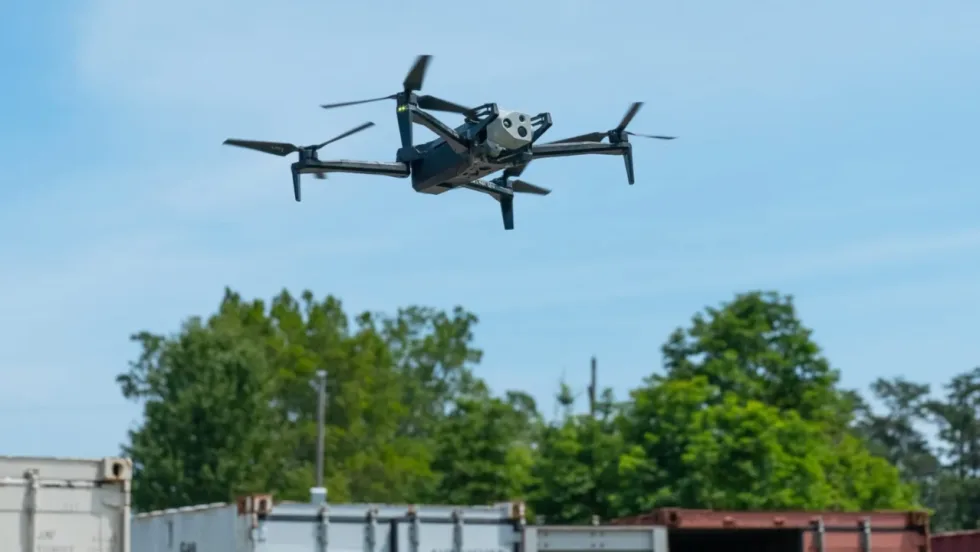
When Disaster Response Goes Mobile
Drones and robotic systems can give emergency teams a view of a disaster before crews ever reach the scene. But the real challenge is keeping those machines, vehicles, operators, and command centers connected when traditional infrastructure may already be compromised.
Read More →
Experts Forecast Broader Impact of Wildfires in 2026
This year’s wildfire season will likely be more intense than in 2025. The 2026 wildfire forecast from AccuWeather is for fewer fires, but even more acreage will be impacted this year.
Read More →
Farmers Insurance Backs Red Cross Disaster Response Efforts With $250,000 Commitment
Farmers Insurance joined the Red Cross Disaster Responder Program to help support emergency response and recovery during disasters nationwide.
Read More →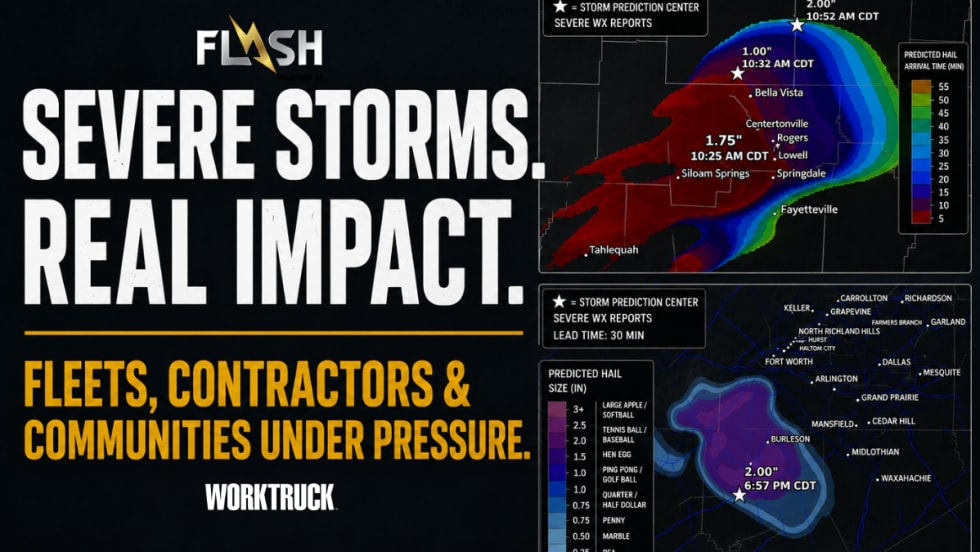
Severe Storms Are Reshaping Recovery Operations for Contractors and Work Truck Fleets
Hailstorms are creating costly new challenges for work truck fleets, from damaged onboard tech to longer recovery timelines and tactical storm planning.
Read More →
After the Storm Clears: Why Cargo Risk Spikes During Disaster Recovery
When the storm ends, cargo theft risk can spike. Here’s why the restart phase is the danger zone and what fleets can do to stay ahead.
Read More →
Your Suppliers Are Part of Your Disaster Plan
Your suppliers can make or break disaster response. Here’s how fleets can reduce vendor risk and keep critical parts flowing when storms hit.
Read More →
When the Process Breaks (Why Fleet Workflows Collapse During Disaster Response)
When disaster hits, fleet workflows don’t collapse all at once. They unravel quietly. Here’s where breakdowns start and how to build resilience before it’s too late.
Read More →
How Federal Disaster Declarations Work and Why Fleet Leaders Need to Know
How federal disaster declarations work and why fleet leaders should care about funding, reimbursements, infrastructure repairs, and recovery timelines.
Read More →
Disaster Readiness Is Not a Fleet Count, It’s a Stress Test of the Whole System
Fleet readiness isn’t about your vehicle count. It’s about condition, capacity, and whether your system can actually perform under stress.
Read More →
Disaster-Proofing Fleet Operations: How to Maintain Uptime When Conditions Are Anything but Normal
When disaster strikes, fleet uptime depends on prep, mobile maintenance, clear visibility, and disciplined execution before, during, and after the event.
Read More →