




Managing an Accident's Impact on Your Truck Fleet
A single fatality accident can cost a fleet as much as $7.2 million. There are concrete steps fleet managers can take to prevent crashes, minimize the costs of those that do occur, and recover some funds. The key is following best practices.
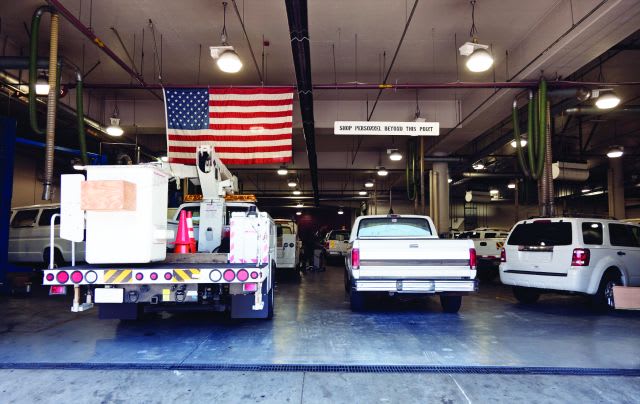
When trucks are out of service due to an accident, make sure to expedite the process and get the best price by using in-network shops, approving bids in a timely manner, and making sure the vehicle is out of service for as short a time as possible.
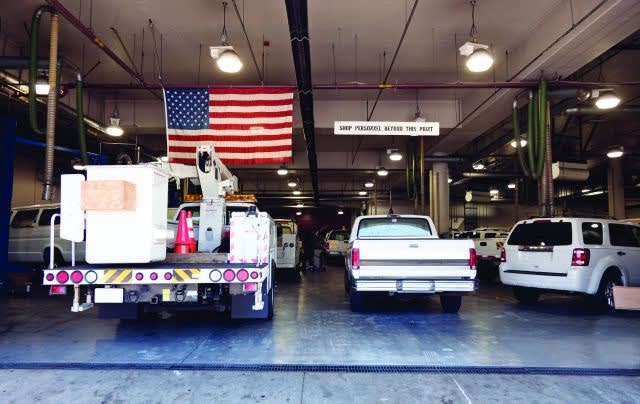
When trucks are out of service due to an accident, make sure to expedite the process and get the best price by using in-network shops, approving bids in a timely manner, and making sure the vehicle is out of service for as short a time as possible.
Work truck fleets face unrelenting pressure from senior management to cut expenses. Over the years, fleet managers have taken a number of steps to respond to that pressure, including improving fuel efficiency, implementing new vehicle acquisition strategies, extending vehicle lifetimes, and reducing truck downtime.
Ironically, one additional cost-cutting strategy adopted by senior management in many places has made fleet managers’ jobs more difficult: downsizing the fleet department.
More recently, fleets have begun to realize that improving fleet safety and reducing fleet accident rates offer the greatest potential for savings. Getting the most attention these days are telematics and crash-avoidance technology — and with good reason. Telematics holds the promise of identifying at-risk drivers for remediation, and crash-avoidance systems have the potential for correcting driver error.
But, all the excitement over these new high-tech approaches has the unfortunate potential to take attention away from the fundamentals essential both to preventing accidents and saving money when handling the aftermath of accidents. It’s worthwhile, therefore, to review those fundamentals, which amount to the best practices seen at CEI among work truck fleets and their routes to increased savings.
Calculating Accident Costs
Before looking at how work truck fleets can decrease their accident-related expenses, it’s useful to determine how much commercial vehicle accidents cost. In 2010, the Federal Motor Carrier Safety Administration (FMSCA) estimated the hard-dollar costs of collisions involving Class 3-8 vehicles.
Based on 2009 data, it calculated that the average commercial vehicle crash, resulting in property damage only, cost $18,000; a cost that varies by vehicle size (for CEI, in 2014, the average repair bill for client Class 3-6 vehicles was $2,900). Accidents that resulted in injuries cost an average of $331,000, and those that involved a fatality cost an average of $7.2 million.
It’s important to remember that the cost of vehicle repairs is only one part of the total cost of a fleet accident to an employer. The FMCSA’s cost figures also reflect such “hidden” costs as lost worker productivity, Workers’ Compensation and medical expenses, legal and court costs, and higher taxes to support police and emergency services. According to the National Highway Traffic Safety Administration (NHTSA), the average work truck accident, including all severities involving all vehicles — including sedans, mid-sized, and heavy-duty vehicles — in 2000 was $16,500; given inflation, CEI places that figure at around $22,000 today.
Fortunately, there are ways to reduce the total cost of work truck accidents. They amount to the latest best practices in accident prevention and response. As you read through this list, keep one thing in mind: your ability to execute all these cost-saving steps within the confines of your organization’s resources. The steps required to achieve the greatest cost savings exceed most fleet’s internal capabilities. If they aren’t up to the task, taking on a fleet safety and accident management partner is the only way to reap the benefits from these best practices.
Preventing Accidents
The best way to avoid the costs associated with an accident is to put mechanisms in place to prevent them. The following are the key elements that should go into a fleet safety program.
1. Have a written, comprehensive and up-to-date fleet driver safety policy. Policies should be written with the participation of all key stakeholders, including the fleet, safety, human resources, and legal departments, as well as representatives of drivers and mid-level to supervisory managers. A fleet driver policy needs to address all current and emerging fleet safety issues, such as the use of cell phones and texting. It needs to state clearly how drivers are evaluated as well as how they are sanctioned for bad driving behavior.
2. Distribute the driver safety policy electronically, and test drivers on it. Electronic distribution of the policy saves production and administrative costs. Placing an open-book test at the end of the policy assures that drivers have actually read it. This is especially useful as a way to introduce or reinforce additions or changes to the policy.
3. Continually train drivers. Most drivers develop habits that make them more vulnerable to accidents. A fleet safety program should include a battery of online lessons that teach and test drivers on how to drive defensively. Lessons should be assigned whenever drivers’ risk scores pass defined thresholds. Lessons can also be assigned proactively, to address emerging safety issues.
4. Keep electronic files on fleet driver behavior in a dedicated fleet safety application. Files should contain comprehensive data on each driver’s behavior. Data sources should include at least three years of motor vehicle records, accident history, traffic camera violations, safety-policy specific violations, public driver complaints, and telematics data if available.
5. Create a scoring system to define ascending levels of driver risk. The policy should define universal point values for each type of violation, regardless of the point system of the issuing jurisdiction, and ascending levels of risk should be defined in terms of time-weighted cumulative points. Driver files need to be updated as quickly as possible after accidents and convictions for driving offenses, and fleet drivers need easy, electronic access to their driver files.
6. Issue consistent and timely consequences for driver elevation to higher risk levels. Problem drivers need to experience timely consequences for ascending to higher risk levels. Consequences typically include the assignment of remedial driving lessons, the limitation of driving privileges, and dismissal. No exceptions should be made for any driver, regardless of the level of seniority or responsibility within the organization.
7. Annual driver reviews. Managers should include in annual reviews of direct reports a review of their driving record, and poor records should be a factor in decisions on raises, bonuses, and promotions.
8. Senior management buy-in. Senior management needs to be highly visible in support of fleet safety initiatives, with periodic messaging across the organization. In addition, senior managers need to be held to the same standards as all other fleet drivers.
9. Maintain a constant, two-way flow of communications. Drivers need to hear repeated messages of the importance of safe driving, and the organization’s standards. There’s no such thing as too much fleet driver safety communication, which should include e-mails, videos, printed communications, and consultations and ridealongs by line managers.
Managing Accident Repairs
Accidents do happen. Managing the repairs by getting the best repair price and limiting downtime are important factors in minimizing the impact of an accident when it does occur. The following are some of the best practices that should be implemented to effectively manage repairs.
1. Use a network of high-quality repair shops. Only on rare occasions should drivers be allowed to take their vehicles to an out-of-network repair shop. High-volume business is what secures priority attention from repair shops, as well as discount pricing. Strike a balance between distance from drivers and the need to deliver enough business for each shop to secure priority repairs.
2. Identify sources of temporary replacement vehicles. Depending on the equipment fitted to work trucks, fleet managers should try to identify suppliers of replacement vehicles so drivers can remain productive during the repair process.
3. Use shops that don’t charge for storage. When a third-party accident repair management provider is used, charges for storing a vehicle that winds up being repaired at another location can be avoided.
4. Gather essential data quickly. As soon as the organization knows that an accident to one of its vehicles has occurred, it’s essential that all relevant information be collected as quickly as possible, in order to minimize downtime. Fleet drivers should be equipped with accident data-collecting forms that prompt the collection of all relevant accident-related information, essential to reducing vehicle downtime.
5. Review every repair estimate for potential savings on parts and labor. The fleet’s accident management system should enable the fleet manager to compare current estimates with previous like estimates. It’s not unusual for repair shops to write estimates without taking into account repair steps that can be accomplished in parallel rather than sequentially, and be unable to secure the lowest prices for parts as quickly as possible.
6. Authorize repairs promptly. Ideally, fleets should give repairs the “green light” within 24 to 48 hours of receiving an estimate. Some fleets, however, require multiple approvals that can take days, and even in some cases, weeks to authorize repairs. Treat the process with urgency, since repair delays cost fleets money in needless extra rental days or lost productivity.
7. In cases of extensive damage, ask for a tear-down estimate. The objective here is to avoid having to go through repeated approvals because of additional damage that may be discovered during the repair. The potential benefit is to reduce cycle time, which can increase vehicle replacement rental charges or the amount of time a driver is unproductive.
8. Remain in close contact with the repair shop. You want to know that the shop is adhering to the schedule in order to minimize replacement rental expenses or driver downtime. Be sure the driver picks up the vehicle as soon as possible after repairs are completed.
Pursuing Loss Recovery
Pursuing revenue recovery from a non-fleet driver — when the fleet driver is not at fault — is another way fleets can minimize the financial impact of an accident. The following are steps fleets can take to help maximize recovery:
1. Be sure the driver is prepared. Educate and equip fleet drivers with the tools necessary to collect key accident information at the scene and relay it. This includes a description of the accident, the damage, and third-party driver license and insurance information.
2. Pursue all possible recoveries. CEI finds the potential to recovery from third-party drivers in 25 to 30 percent of all fleet accidents. Driver liability varies from state to state. The key is to know which accidents offer that potential in which states and Canadian provinces, and then to pursue recovery using the latest industry tools as quickly as possible.
3. Follow recovery documentation standards. The required forms need to be properly completed and submitted to the third-party driver’s insurance carrier.
4. Submit the company’s demand as quickly as possible. Time is money, so aim at recovering funds, on average, in less than 60 days after submitting your demand. Submit your demands electronically for the most expeditious processing.
5. Pursue approved reimbursements. Insurance companies can be slow to reimburse you. Once the carrier has agreed to pay, be prepared to make timely follow-up calls to expedite your receipt of funds.
Handling Wrecked Vehicles
Just because a vehicle is a total loss, doesn’t mean that fleets can’t realize some return on the vehicle. Selling the “totaled” vehicle for spare parts or to someone who wants to repair it can help offset the loss of the vehicle to the fleet. The following are some ways fleet managers can realize a small profit from a loss:
1. Don’t rely on a small number of potential buyers. There is a market for totaled vehicles. Some only have value as scrap, but others can be repaired and resold. Don’t rely on a tiny number of buyers. Use a network of as many regional and nationwide buyers as possible to submit bids to secure the best prices possible.
2. Communicate with potential buyers electronically. Send requests to all possible buyers in your network at the same time, as soon as you’ve decided to declare a vehicle a total loss.
3. Be sure to secure salvage titles for the buyer. Comply with state or provincial procedures for securing a salvage title for the vehicle.
Considering Outsourcing
Few fleets have the number of trained personnel in each of these areas to adopt all of these best practices. If the fleet’s resources are already stretched to capacity, consider outsourcing to a fleet management company. The chances are the partnership will yield state-of-the-art best practices and more than pay for itself.
More Safety
When Work Trucks Under 26,001 Pounds Need IRP Registration
Think trucks under 26,001 pounds are automatically in the clear when it comes to IRP? Not always. Learn where lighter vehicles can still run into trip permit, apportioned registration, and IFTA compliance requirements when crossing state or provincial lines.
Read More →
Volvo Trucks Releases New Safety Recommendations for Traveling with Pets
One of the most important recommendations for professional drivers traveling with pets is to ensure pets are properly restrained while the truck is moving. Other tips are available in the new guide from Volvo Trucks North America and Center for Pet Safety.
Read More →
API Issues Refueling Safety Guidelines
The American Petroleum Institute offers a list of safe vehicle refueling guidelines, including ways to avoid potential problems with static electricity discharges in fall, winter, and early spring.
Read More →
Winter Fleet Prep: Expert Tips to Keep Vehicles Running Smoothly
Cold weather can expose weak batteries, tires, fuel systems, and maintenance gaps fast. Use this winter fleet checklist to prepare trucks and drivers before temperatures drop.
Read More →
When a Work Truck Breaks Down, the Job Can Stop, Too
A work truck breakdown can stop more than the vehicle. Discover how payloads, jobsites, and specialty equipment change the roadside response.
Read More →
What Stronger Long-Term Fleet Service Partnerships Actually Require
Fleet service partnerships rarely fall apart all at once. Learn the three warning signs that trust is eroding and what fleets and providers can do before downtime, frustration, and lost revenue follow.
Read More →
Applause & TRUCE Software Partner to Improve Driver Safety Through AI-Powered Telematics & Employee Performance Management
Applause has integrated TRUCE driving metrics directly into its employee-first performance and safety platform that transforms mobile devices into AI-powered telematics.
Read More →
How Detroit Assurance with Active Brake Assist Works
Do you want to see what it is like to experience Detroit Assurance’s Active Brake Assist? In this video, Work Truck will put you in the cab to see how it all works and then hear more details from DTNA’s Mike Young.
Read More →
Get Left of Loss: A 5-Step Workplace Violence Prevention Framework for Fleet Operators
Violence risks do not stop at the driver’s door. Learn five practical steps fleets can take to spot threats early and protect workers before loss occurs.
Read More →
How Better Visibility Cut Speeding Violations by 48%
Fleet leaders don't need more data, they need clearer visibility into what the data is saying. This case study explores how one utility replaced speeding-event counts with a single metric — miles driven in violation — to strengthen safety and significantly reduce speeding violations.
Read More →