




Key Moves to Increase Fleet Sustainability Today
The push for transportation sustainability is here for companies of all sizes. How do you handle the transition?

Photo: Canva/Work Truck
Fleet sustainability is now more than a desirable future state; it has become a must-have commitment to satisfy customers, investors, regulators, and employees today. The global rise of decarbonization initiatives and environmental, social and governance (ESG) requirements is driving a sea change across the transportation sector.
To keep up, fleet managers must not only integrate more sustainable business practices into their operations, but also ensure those practices can be qualified and quantified, tracked, and reported.
Given that 27% of total U.S. greenhouse gas (GHG) emissions in 2020 were transportation-related, the sector is a visible proving ground for the decarbonization movement. The potential impact is measurable and significant. Walmart, for example, reported in 2020 that 24% of the company’s Scope 1 carbon emissions were from transportation. In 2019, Fed-Ex’s fleet generated 92% of the company’s emissions footprint.
To achieve net-zero emissions by 2050, transport sector emissions must fall by 20% to 5.7 Gt by 2030, based on a transportation report from the International Energy Agency (IEA). The IEA recommends adoption of a multi-pronged, integrated approach that includes improvement of fuel economy for all vehicles, promoting the uptake of zero-emission vehicles, and increasing the availability and use of sustainable, low-carbon fuels across the entire sector.
To put it simply, the push for transportation sustainability is here for companies of all sizes. Increased scrutiny requires fleet managers to use new and existing tools to lead more sustainable business practices, particularly to demonstrate progressive emissions reductions. This transition requires surgical precision to implement smart practices and processes, with a continuous flow of auditable data.
Embracing Sustainability Today
Electrification and zero emissions capabilities have now captured public interest and demand. However most fleets that operate diverse routes and payloads will need to manage mixed fleets and infrastructure for years. The transition will not be overnight. In some cases, grid integration projects are a challenge to achieve within a reasonable timeframe. And, while OEMs are gearing up with innovative new medium and heavy-duty models, these vehicles are only now starting series production.
But this doesn’t mean fleet managers don’t have options when it comes to implementing more sustainable business practices. Instead of waiting around for charging infrastructure to appear, technologies to advance, and economies of scale, fleet owners can take action — today — to embrace sustainability, lower emissions and make good on ESG promises by deploying data, embracing mixed-energy fleets and considering mobile fueling.
1. Harness the Power of Data
Data collection and analysis can be used to track, predict and glean actionable insights from just about any system, operating asset or process — fleets included.
Telematics are the critical data link between assets and continuous operational improvements. Using GPS capabilities and on-board diagnostics to track a vehicle’s movements, telematics can be used to optimize fleets and gather metrics crucial to emissions tracking and carbon reduction, including fuel consumption, trip miles and more. Looking forward, telematics can even open possibilities for predictive fleet analytics, which can forecast future fleet maintenance, budgets, costs, safety and emissions.
But as all this information is gathered, fleet managers will need user-friendly data dashboards and data management software to easily interpret and manage what could be viewed as a deluge of information. Booster’s digital interface offers an example, as it provides critical information around service, data consumption, emissions tracking and estimation, and more, helping to enable easy, sustainable fleet management. The platform can be integrated with major telematics providers like Geotab, Samsara, and Verizon to offer real-time fleet optimization data and insights directly to your device.
2. Diversify the Energy Mix
Fleet managers working to decarbonize their fleets might also consider diversifying their energy supply. For example, while a fleet may need to onboard its first EVs over time, it can immediately transition light-, medium-, and heavy-duty vehicles to renewable fuels, which can help reduce emissions without a change in infrastructure or vehicles. In the last few years, suppliers like Chevron REG, Phillips 66, and Neste have made dramatic strides in the capability of these fuels, now often exceeding typical ASTM standards.
Options like renewable diesel can reduce carbon footprints by up to 70% without the need to upgrade fleet vehicles. Unfortunately, only 2% of traditional gas stations offer sustainable fuels, but business models such as mobile fueling can open up the supply chain to customers, enabling fleet managers to easily switch to renewable diesel by simply ordering it online.
Booster’s mobile fueling service model offers low-carbon, renewable fuels — such as those created from recycled cooking oil — to help enable the transition from traditional fuels to sustainable fuels. Over the last six months alone, Booster converted more than 60% of its customers in California to renewable diesel, which can deliver up to 80% lower lifecycle emissions compared to petroleum diesel. Across our operation, we deliver more than 200,000 gallons of renewable diesel to 1,400+ vehicles, saving 500,000 lbs of CO2 every week.
3. Consider Mobile Fueling
Even if a fleet is still reliant on traditional fossil fuels, mobile fueling — fuel delivered directly to a fleet’s yard — can decrease cost and miles driven while offering a 14% reduction in carbon emissions. The average gas station trip takes 20 minutes and 2.2 miles. With each fleet vehicle making nearly eight visits to the gas station per month, (according to Booster’s 2021 customer data), on-the-clock time and gas used just to travel to the station can add up quickly. According to Geotab, each fleet vehicle spends an average of 203 additional miles annually driving to the gas station, using an average of 13 gallons each year doing so.
Having a mobile fuel provider come to your business and fill up your fleet with regular or sustainable fuels after they’re parked for the night can allow your driver to skip these trips, saving the emissions, money and time they would normally require.
Take It One Step at a Time
Though wide-scale decarbonization will require effort from everyone, the onus of environmental responsibility and emissions reduction is on companies, especially the transportation sector. As business leaders navigate this new accountability, taking small steps to transition to sustainable fleets can offer a relatively simple, significant drop in carbon intensity and — as a not-so-small bonus — make the planet a healthier place for us all.
Curious about Boosters delivery of mobile fuels to your fleet? Or how it converted its fleet customers to renewable fuels? Check it out!
About the Author: Chris Kaufield is head of sustainability and electrification at Booster. This article was authored and edited according to WT editorial standards and style. Opinions expressed may not reflect that of WT.
More Green Fleet

Fleet Forward Conference Introduces One-Day Passes for 2026
New one-day registration gives fleet professionals the flexibility to attend Tuesday, Wednesday, or Thursday, with passes available for $199 through Sept. 18.
Read More →
CALSTART Rebrands as Catalyst Mobility, Will Combine with Forth in 2027
CALSTART has rebranded as Catalyst Mobility and will combine with Forth at the start of 2027. The new organization said it is poised to become one of the world's largest, strongest, and most impactful clean transportation nonprofits.
Read More →
Electric Truck and Charging Programs to Boost Sustainability at NY & NJ Ports
Together, the Port Authority of New York and New Jersey and CALSTART will electrify drayage and terminal operations serving the East Coast’s busiest container port. A pair of incentive programs totaling $45 million has launched to accelerate adoption of zero-emission drayage trucks and terminal tractors.
Read More →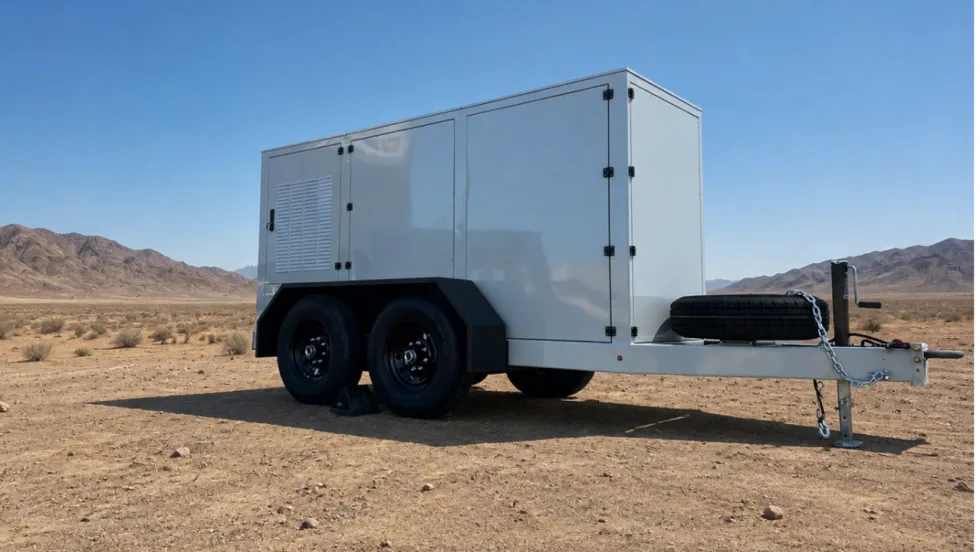
Xos Hub Surpasses One Gigawatt-Hour of Energy Delivered in the Field
A single Xos Hub has surpassed one gigawatt-hour of energy across more than 33,600 charging sessions in the field, demonstrating performance that supports Xos' expansion across new products and markets.
Read More →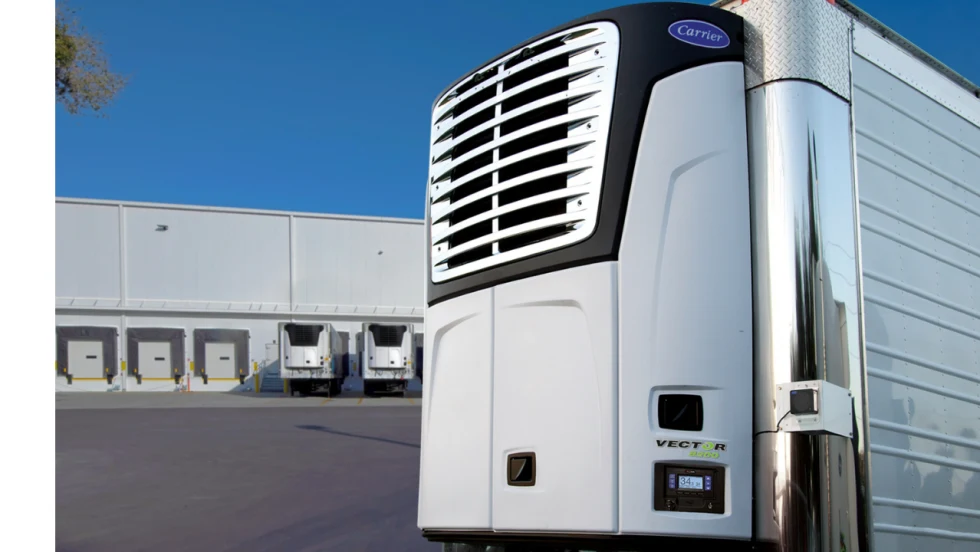
Carrier Transicold Launches All-Electric Vector 8200 TRU for Diesel-Free On-Site Cold Storage
Carrier Transicold’s first engineless multi-temperature TRU helps fresh- and frozen-food fleets add supplemental cold storage capacity during seasonal peaks.
Read More →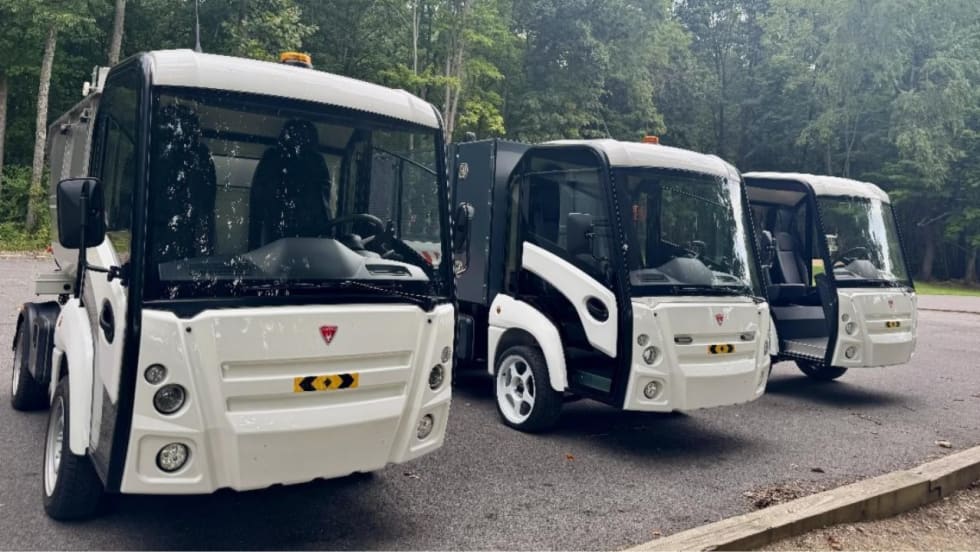
Narro Trucks Introduces Electric Utility Vehicle
Narro Trucks officially launched its operations on Aug. 20 and hosted a ride and drive to showcase its electric truck, which will be produced in Virginia.
Read More →
Samsung SDI Takes Full Control of GM Battery JV as Indiana Plant Pivots to Energy Storage
Samsung SDI is taking full control of its Indiana battery plant with GM, marking a major shift from the EV-focused joint venture Charged Fleet first covered in 2023.
Read More →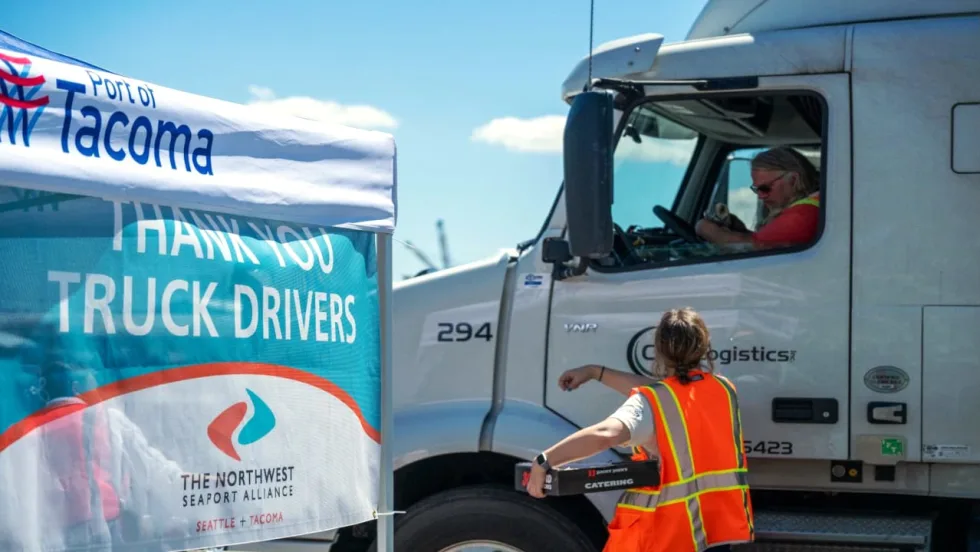
NWSA Taps CALSTART to Administer Zero-Emission Drayage Assistance Program
CALSTART will provide free technical assistance services to drayage fleets serving the Ports of Seattle and Tacoma and looking to transition to cleaner technologies and help decarbonize freight hubs.
Read More →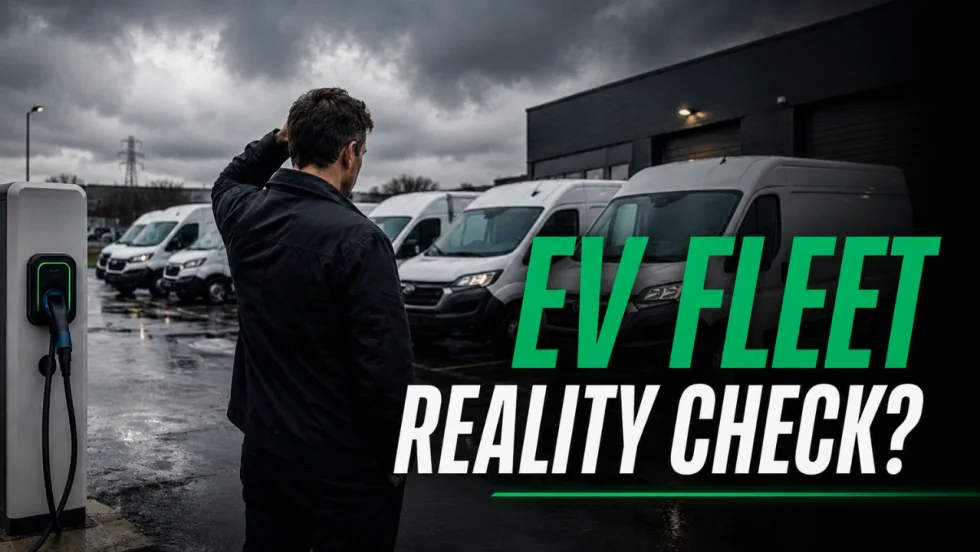
EV Fleet Reality Check: What Operators Wish They Knew Before Electrifying Their Work Vans
Electric work truck upfits bring new compatibility questions. Learn how parts availability, OEM guidance, power demands, and route planning can affect fleet performance.
Read More →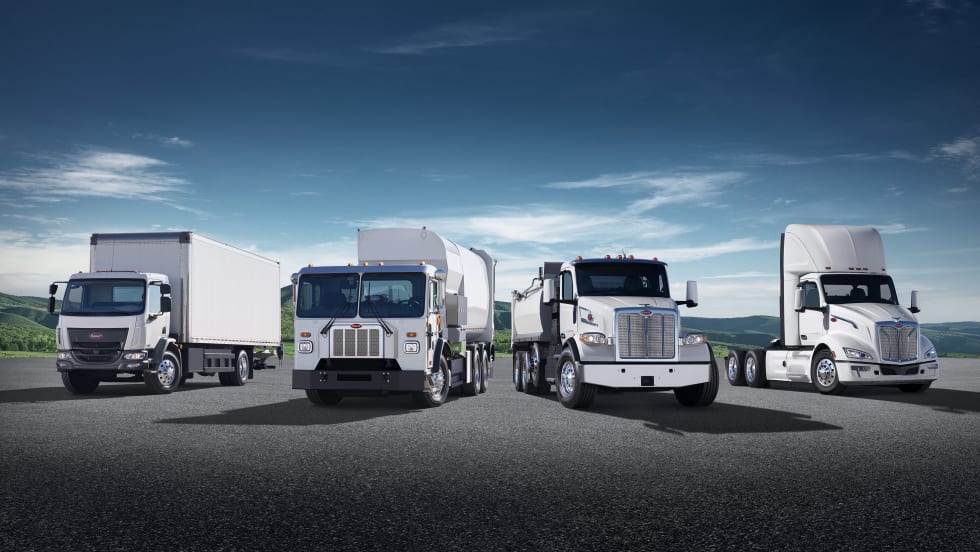
Peterbilt Expands Sourcewell Partnership with Electric Vehicle Lineup
Peterbilt Motors Company’s cooperative purchasing agreement with Sourcewell and its Canadian partner, Canoe Procurement Group, now includes including Peterbilt's battery-electric vehicle lineup.
Read More →