





Where's Your Truck Body? Check out these tips for undertanding commercial truck body order timelines!
Increasing Uptime in a Supply-Constrained World
Based on 25 years of experience, one master technician has sage advice on how fleets can navigate today’s escalating vehicle servicing challenges.
September 22, 2022
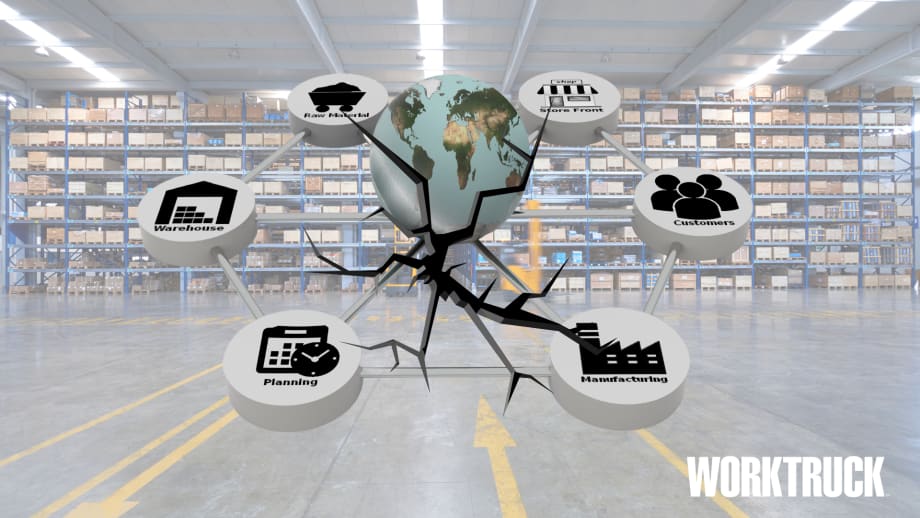
Fleet managers and operators are navigating complicated challenges, including supply chain disruptions.
Photo: Work Truck
7 min to read
For Kevin Kell, it’s an imperfect fleet maintenance storm — supply chain disruptions, a lack of vehicles, and labor shortages are increasing downtime in ways he hasn’t seen in his nearly 25 years as a mechanic.
“The biggest struggles right now, it’s a little bit of everything,” said Kell, the owner-operator of Fleet Repair Services in Charleston, S.C.
Kell worked at Ford dealerships from 1998 to 2019 and is a senior master Ford-certified technician who primarily services last-mile delivery vans, step vans, and cab chassis trucks with delivery bodies.
“You take a lack of parts plus the lack of technicians, and it can be a disaster to get vehicles back on the road in a timely manner,” he added.
With mechanic and parts shops running lean and full bore today, small delays get amplified, like the truck grounded for two weeks while waiting for a wheel hub. Or one of his fleet clients who went to three parts stores to find a supply of a standard Shell Rotella oil.
When the client finally found the oil in stock, “He bought everything they had because they told him they didn't know when they would get any more,” Kell said.
It’s easy to fall back on the “in-my-day” attitude. But Kell’s advice, while not groundbreaking, is born from experience in the trenches. Plus, he’s actively managing the situation in new ways himself.
Kell has a few words of wisdom for fleet operators navigating today’s commercial vehicle servicing challenges. He said some of his clients listen better than others. Guess which clients have fewer maintenance issues?
Tips for Navigating Challenges
Check out these nine tips for navigating service challenges in the commercial vehicle industry:
1. Stock up on parts — but beware, parts can change by model year.
Kell has his fleet clients stock tires before they need them, keeping 10 to 12 on hand.
“It seems simple, but you’d be surprised by the number of idle trucks waiting on tires,” he said.
Brake pads are another easy item to stock.
“My clients that are proactive and keep tires and brake pads in stock don't have any emergencies,” he said. “And emergencies are expensive.”
But standardized parts can change as designs change, and sometimes they don’t fit the new model. That happened with brake pads on a Ford F-59 chassis when the brake setup changed from the 2019 to 2020 model year. Some of Kell’s clients stocked too many of one part from the older model year and were left holding the bag.
2. Watch for mismatched retread tires.
Kell uses retreads for back tires on larger vehicles. But he’s occasionally received retreaded tires that are not the same brand meant for the same truck. That’s not ideal, but you take what you can get in this environment.
If this matters to you, he recommends talking to the retread company to ensure you get same-branded retreads on your trucks.
3. It’s still better to avoid aftermarket parts.
We all know that aftermarket parts are cheaper, but in today’s “take what you can get” environment, even aftermarket parts are in short supply.
“They (aftermarket parts) are cheaper for a reason,” Kell said.
He recounted when one of his client’s drivers wore out a set of aftermarket brake pads in a month because the material was subpar.
“Then you’re right back in the same problem — needing new pads,” Kell explained.
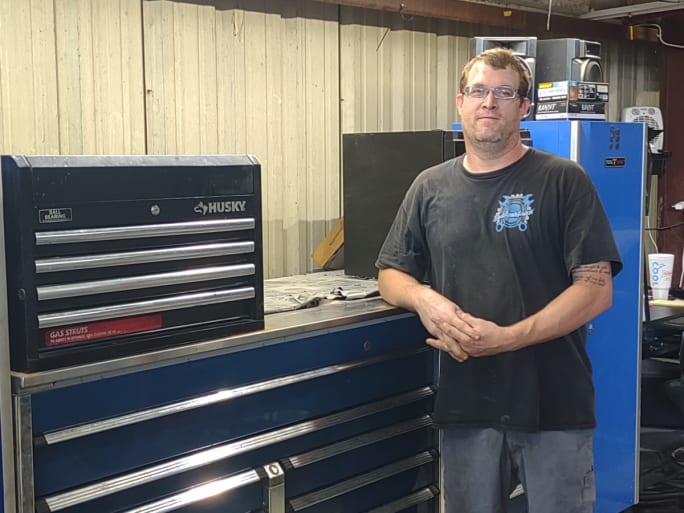
Kevin Kell, who has worked at Ford dealerships from 1998 to 2019 and is a senior master Ford-certified technician, said: “You take a lack of parts plus the lack of technicians, and it can be a disaster to get vehicles back on the road in a timely manner.”
Photo: Kevin Kell
4. When ordering parts from dealers, trust but verify.
According to Kell, “the best parts people I’ve worked with are former mechanics.”
However, that seems less the case today, as parts departments at dealerships also suffer from staff turnover. It can cause costly and lengthy parts issues.
Kell recently ordered suspension parts from a dealership for a truck that can be spec’d in three different GVWs, but one dealer’s parts department got the parts for the wrong GVW.
“They swore they were the right ones, but they weren't. And they were very expensive,” Kell said.
He also said that updated parts information didn’t make it into the manufacturer’s new catalog, which has caused further snafus in parts ordering.
5. Standardization still matters.
With vehicles in such short supply, Kell understands that fleets need to take whatever makes and models are available. But in the easy times when you only had to worry about maintaining vehicles for two OEMs, now fleets are worrying about four or five makes and models. These changes bring new potential headaches.
Kell has some clients in this scenario.
“It's not practical for them to buy and stock 50 different sets of brake pads. They’re suffering if there’s an availability issue and they can’t get their hands on that part,” he said.
6. Don’t keep relationships for loyalty’s sake.
Vendor relationships stand the test of time because they work for both parties. But if they stop working because of staff changes or continued incompetence you can’t let loyalty get in the way in this strained environment.
“At the end of the day, no matter how mad that mechanic gets when you’re giving your business to someone else, if the fleet owner can't get those vehicles back on the road because of his incompetence, that attitude is irrelevant,” Kell said.
Relationship loyalty also goes for technicians as well as parts suppliers.
When Kell realized he wasn’t getting the best service from a local dealership’s parts department, “I went through several dealers, and I found another guy locally that does care,” he said. “He’s ‘Johnny on the spot,’ and he knows his stuff. So now he gets all our parts orders.”
When looking for new vendors, particularly mechanics, find them before you need them. That’s another obvious recommendation, but, you might be shocked: “In an emergency, a lot of people don’t know where to take their vehicles, and as we know, emergencies are more expensive,” Kell added.
7. Learn truck maintenance basics. Your mechanic can help.
Kell is often amazed at the lack of basic knowledge that fleet operators and their drivers have about how trucks operate. That’s okay — fleet managers can rectify this issue. He suggested having a driver’s meeting in which your lead mechanic can show your drivers (and you) the essentials of truck maintenance.
“The best parts people I’ve worked with are former mechanics,” said Kevin Kell, owner-operator of Fleet Repair Services.
The meeting should cover how to check tire pressure and tread depth, jumpstart the truck, replace a wiper blade, and know where components are located. Don’t be afraid if the information conveyed seems too basic.
“I've done (this meeting) with several of our clients, and it prevents a lot of headaches,” Kell said. “Because if one of their drivers breaks down because of a lack of coolant, that could’ve been prevented if the driver just knew where the coolant went.”
8. Be obsessive-compulsive about preventive maintenance.
While this has been drilled into all seasoned fleet operators, it’s worth reiterating from the trenches. Kell said his main client has had only one truck break down in years, and it was due to faulty parts, not sloppy maintenance.
On the other hand, “Clients that neglect their vehicles are always a crisis,” he said. “They’re the ones who always need a jumpstart or get a coolant leak because they just don't take care of anything else.”
9. Drivers are your first line of defense against breakdowns.
Preventive maintenance (PM) work is a no-brainer, starting with daily vehicle inspections and communications.
“I make sure my clients’ drivers are checking the oil, transmission fluid, and tire treads before the trucks leave for the day,” he said. “That sounds obvious, but just doing that one little thing, like topping off the oil or noticing the nail in the tire, will avert a crisis.”
It goes beyond PM to how they drive. Those drivers who push the pedal, brake hard, and corner harshly will greatly affect maintenance. Bad driving manifests in premature tire wear, spark plug failures, damaged suspension components, and bad alignments. And that’s just added expense and downtime.
Work with your mechanic to identify those drivers and then coach them to drive better.
“My clients have certain drivers,” Kell said, “that as long they’re driving, I'll never be out of work.”
From small to big design updates, when OEMs change vehicle designs, once you have your truck, do you know if your upfits will still fit? Top tips are shared to mitigate changes and more!
Subscribe to Our Newsletter
More Maintenance
Les Schwab Expands Commercial Tire Footprint Into Arizona
Les Schwab Tires has expanded into Arizona with two commercial tire locations in Phoenix and Tucson, strengthening its fleet service footprint in the Southwest.
Read More →
Volvo Trucks’ 'Lock and Leave' Software Updates Go Live Across North America
Unattended over-the-air software updates are now available in Volvo trucks across the U.S. and Canada. The new capability lets trucks stay current with the latest software without interrupting operations or requiring a dealership visit.
Read More →
Why Technician Appreciation Can’t Be a Once-a-Year Thought
For fleets trying to keep skilled technicians, recognition cannot begin and end with Technician Appreciation Week. Learn what year-round appreciation really looks like and why the everyday technician experience matters just as much as pay when fleets are trying to keep good people.
Read More →
How Faster Driver Reporting Can Keep Small Truck Problems Small
When minor damage, warning lights, or equipment issues are reported late, small problems can quickly become bigger maintenance headaches. Conversational AI can help shorten the path from what a driver notices in the field to the person who can act on it.
Read More →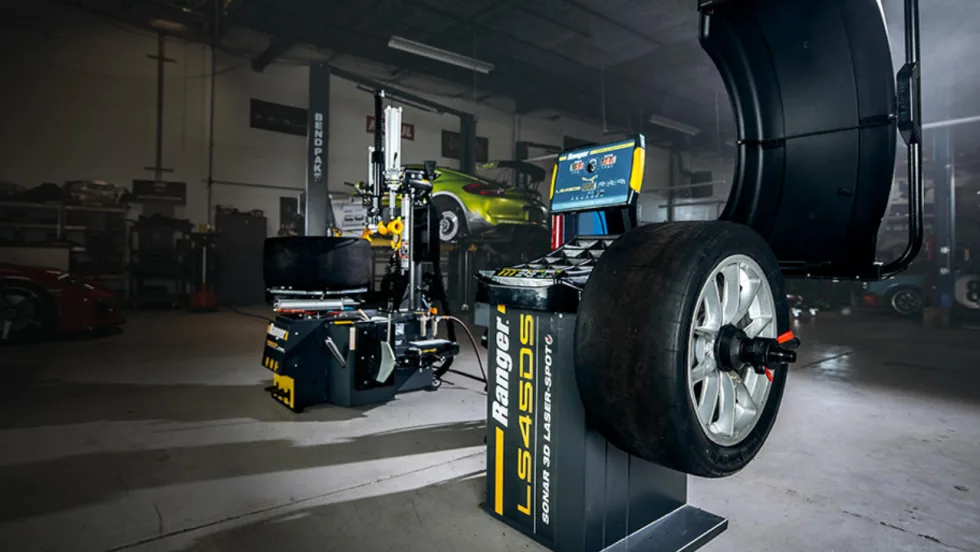
BendPak’s Ranger Wheel Service Equipment Achieves North American Safety Certification
BendPak’s full line of Ranger tire changers and wheel balancers has been ETL certified to UL and CSA standards to improve operator safety.
Read More →
Isuzu & U.S. Department of Labor Celebrate Milestone for Veterans Apprenticeship Program
The Isuzu Veterans Apprenticeship Program (IVAP) signing ceremony highlighted Isuzu’s long-term commitment to veterans, Isuzu dealers, and the skilled workforce supporting its customers and the commercial transportation industry.
Read More →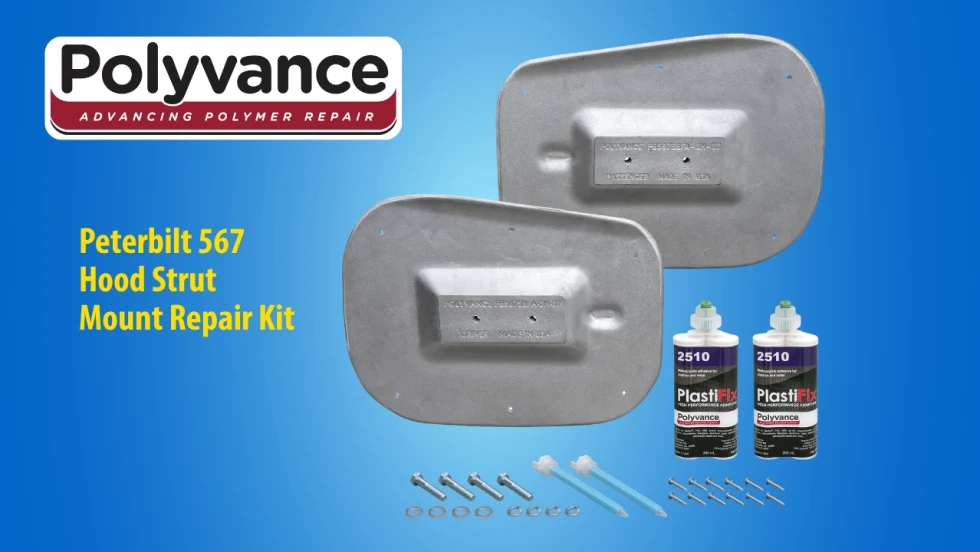
Polyvance Introduces New Peterbilt 567 Hood Strut Mount Repair Kit
Polyvance has launched a repair solution for Peterbilt 567 hood struts, helping truck owners and repair facilities avoid costly hood replacements.
Read More →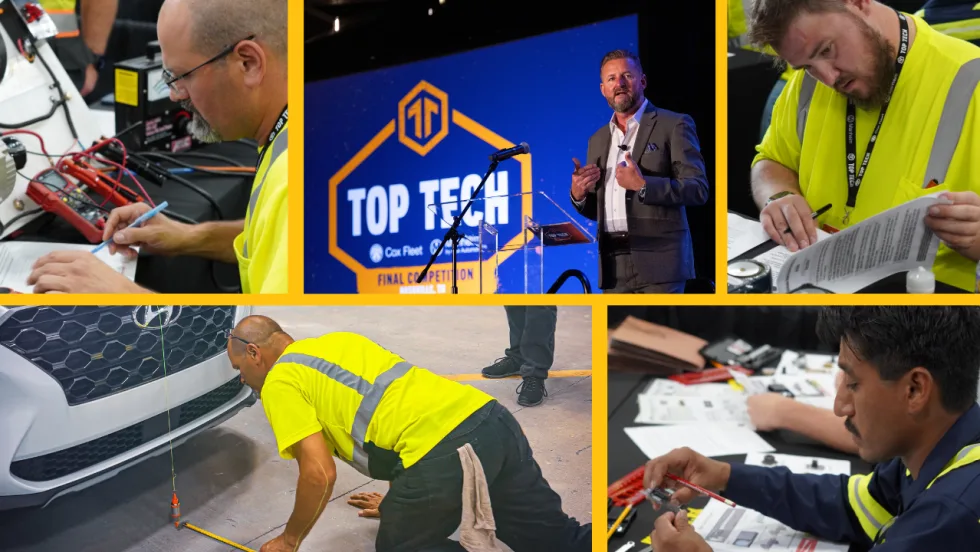
Cox Automotive Celebrates Technical Excellence at 2026 Top Tech Finals
The top technicians from Cox Fleet and Manheim tested their skills in Nashville, Tennessee, at Cox Automotive’s 2026 Top Tech Finals. The overall winners will advance to compete at the American Trucking Association’s TMC SuperTech competition.
Read More →
Grote Industries Appoints Vice President of North American Operations
Grote Industries has appointed Patrick Smith as vice president of North American operations as it celebrates 125 years of innovation and manufacturing excellence. He has more than 20 years of manufacturing leadership experience.
Read More →
Winter Fleet Prep: Expert Tips to Keep Vehicles Running Smoothly
Cold weather can expose weak batteries, tires, fuel systems, and maintenance gaps fast. Use this winter fleet checklist to prepare trucks and drivers before temperatures drop.
Read More →