





Adapt or Die: How to Evolve Your Fleet to Maintain Health & Safety
How to Stay Productive in Vocational Truck Fleet Management
Tick-tock goes the clock as another day ends, and many of us are left wondering what we accomplished and where our productivity ran off to.
January 23, 2023

Administrative tasks can take up a lot of time in a fleet manager's day. Find a way to reduce these daily tasks and lean on others for help!
Photo: Holman
8 min to read
Vocational work truck fleet management is a job not without its challenges. Some of the top challenges are procurement, vehicle and cost management, and staffing.
With these challenges, productivity can be hard to manage.
Work Truck spoke with professionals from Mack Trucks, Penske Logistics, and more on their top tips for improving productivity.
The Top 11 Work Truck Fleet Productivity Tips
1. Get to Know Your Fleet
To be more productive when scheduling and servicing trucks, it’s essential to understand your fleet’s operation and the application of all equipment.
“Most work trucks work locally, but some also do work regionally. And most equipment is worked hard during the work week, leaving evening hours and weekends open for preventive maintenance schedules. If shop hours are ‘normal’ business hours, it means taking trucks out of service,” said Willie Reeves, director of maintenance for PacLease.
With tight windows, be sure to understand what parts need replacing – be proactive and predictive.
“You don’t want a truck in the shop needing a part that’s not available. Also, don’t overschedule. Be realistic about how much a technician can accomplish in each time frame. You don’t want trucks in the shop longer than necessary,” Reeves said.
Understanding your organization’s specific goals and your fleet’s role in supporting the business to meet those objectives is essential.
“From there, you can craft strategic fleet initiatives designed to enhance productivity in tangible ways that align with these goals. With your ‘north star’ in place, you can determine the critical, value-add areas that are best kept in-house versus those that can be offloaded to a strategic partner such as a fleet management provider,” said Trip O’Neil, vice president, strategic services for Holman.
2. Institute a Strong Truck Maintenance Strategy
We know maintenance is necessary, from preventive to routine scheduled, but do you have a robust and effective maintenance strategy to save time?
“Savvy fleet managers know an effective maintenance strategy built on a strong foundation of proactive preventive maintenance (PM) is among the most impactful ways to minimize operating costs and maximize vehicle uptime. Reviewing/approving maintenance requests, reminding drivers to complete PM services, and processing invoices take a great deal of time,” said O’Neil of Holman.
Remember to routinely schedule trucks for maintenance and have the right personnel on call.
“Ensure your maintenance facility is up to standards and you’re utilizing the latest equipment and tools to ensure your shop is as productive as possible,” said Reeves of PacLease.
3. Communicate Effectively with Staff and Drivers
Do your drivers know your goals and challenges? Do you know your company-wide goals and efforts related to your fleet?
“Fleet managers can work to ensure that your entire staff is aware of the objectives of the fleet operation and is aligned with the organization’s goals,” said Jeff Jackson, executive vice president operations of dedicated contract carriage for Penske Logistics.
We only have so many hours in our day. Stopping what we are doing to respond to someone takes unplanned time.
“By communicating proactively and timely with drivers around initiatives, focus, and headwinds, fleet managers can cut down on inbound questions and requests. Having a clear, concise, and updated fleet policy that is communicated effectively can promote self-service to many day-to-day inquiries fleet managers receive,” said Ben Hardesty, director of Fleet Partnership Solutions (FPS) at Element Fleet Management.
4. Increase Driver Engagement
One tip for increased productivity is to have strong driver engagement.
“Fleets managers can hopefully understand the feedback from the drivers and be responsive. Are there open and honest communications about what can be changed with time and an understanding of when there are currently unavailable items?” said Jackson of Penske Logistics.
Consider revisiting existing driver retention programs or implementing new ones to keep your business agile and separate you from the competition.
“You can do this by offering a best-in-class fleet for which drivers are proud to drive. Ease-of-use programs, such as managed maintenance programs, fuel card programs, etc., alleviate the burden of drivers taking on the added costs themselves. Trucks with added safety features can help assure drivers that your business is concerned with making it to the next destination safely, not cutting costs,” said Michael Orozco, director, truck services for Wheels Donlen LeasePlan.
5. Lean on Fleet Management Technology
Fleet management is changing, and the days of having everything on paper are long gone. But it isn’t enough to have the technology; you must be able to use it.
“Take the time to learn how to effectively use the available technology to make your job more productive,” said Jackson of Penske Logistics.
Telematics is one such piece of technology that has significantly impacted fleet management but still needs to be used to the best of its capabilities.
“Telematics data can provide real-time location and vehicle information to aid decision-making. For example, telematics data/fleet management systems can help a fleet manager optimize a route by selecting less congested roads, saving the fleet time and money,” said Lee Brodeur, vice president of lease operations and contract services for Mack Trucks.

Embracing tech can help enhance your management and fleet.
Photo: Work Truck
Telematics data can also predict when maintenance should be performed or when a component needs replacing. This saves time and money.
“Fleet managers should utilize technology such as telematics and shop management tools to improve efficiency. These tools provide actionable data so a fleet manager can spend more time being proactive. By managing by exception, a fleet manager can focus on scheduling trucks that need to be serviced and coaching drivers that need improvement or a change of behavior,” Brodeur noted.
And don’t forget about automation!
“My first tip is automation; it makes it much easier to manage by exception, to identify and handle situations that deviate from your expectations,” said Matukonis of Mike Albert Fleet Solutions.
6. Get an Order Strategy
Develop a cycling and order strategy, then implement them in tandem.
“By doing this, you can keep your fleet optimized by having new vehicles arrive to the drivers before these high dollar failures transpire. In addition, it is key to use an order strategy to plan when to order new trucks and have them built/delivered before these unplanned parts failures transpire. As difficult as it might be, be open to all OEM options, sourcing through one vendor can limit a fleet manager to production risks,” said Orozco of Donlen.
7. Effectively Manage Assets
Do you know where your assets are?
“Make sure you have active engagement around vehicle specification creation, order status, and compliance. And normalize specs, where possible. Consistency will help limit exceptions,” said Hardesty of Element Fleet Management.
8. Consider Centralization
According to Orozco of Wheels Donlen LeasePlan, the consolidation and centralization of fleet points into a single source can help alleviate the administrative burden.
“Key data points such as fleet portfolio, telematics, fuel, maintenance history, expenses, etc., can help reduce the clutter, and give visibility into the key metrics, exception reporting, total fleet exposure, etc., that a fleet manager can leverage to make an informed and impactful decision,” Orozco shared.
9. Get Connected
Consider expanding your professional network to dealers, manufacturers, upfit companies, etc.
“Getting that deeper insight into the intricacies of what’s happening in the industry today, and what’s coming down the pike, will only help them and their business,” said Joe Matukonis of Mike Albert Fleet Solutions.
10. Get Proactive
Be on the lookout for tips and tools to help you be more efficient.
“Tips and tools for success can be as simple as best practices for e-mail and task management to systems or software that help manage and automate controls and flag exceptions. Even proactive protocol enhancements can help you be more effective when the day unexpectedly throws a curveball. Seeking and partnering with expert specialists whom you can trust to assist can often help alleviate the workload,” said Sageman of Enterprise Fleet Management.
Sageman added, “anticipatory planning and instituting safety and driver performance programs can reduce fleet incidents, expenses, and time spent responding to these issues.”
While tracking data is often an “after the fact” exercise for fleet managers, analyzing demand trends and utilization patterns can allow predictive planning to improve fleet management.
11. Lean on the Experts
From fleet management providers to outsourcing maintenance, it doesn’t hurt to have help.
“If you’re considering outsourcing your maintenance, look for a shop that can work around your application. For example, if you run some construction equipment, it’s likely often parked at the job site. Work with a partner that has mobile service capability so they can perform maintenance where it’s most convenient for you. And work with that provider on maintenance schedules. Normally, shops want between seven to 14 days for scheduling, so it’s imperative to understand each truck’s maintenance history and projected mileage to schedule properly,” said Reeves of PacLease.
Partnering with a fleet management company can help solve some of your significant issues.
“A quality FMC will offer tools and solutions to help track and manage notifications — and their knowledge about industry trends and vehicle availability can help you get the cars you need. Truthfully, having a dedicated partner fully plugged into the fleet industry can solve the most productivity issues that fleet managers are facing,” said Bieber of Mike Albert Fleet Solutions.
“Engage in partnership opportunities with their FMC and vendors to ensure proactive reporting/connections around compliance and order status. Timely and accurate updates will allow for better expectations and will limit additional follow-up from all sides, therefore creating greater opportunity to focus on vehicle uptime, benefitting fleet managers, their team, their business, and their customers,” said Hardesty of Element Fleet Management.
There is more to fleet management than the oversight of vehicles. From understanding the value of change and the small accomplishments and more, it's important to take action to achieve your goals and continually grow in fleet management. To stay up-to-date on the news and announcements that matter to your fleet, be sure to register today for Bobit Connect!
Subscribe to Our Newsletter
More Operations
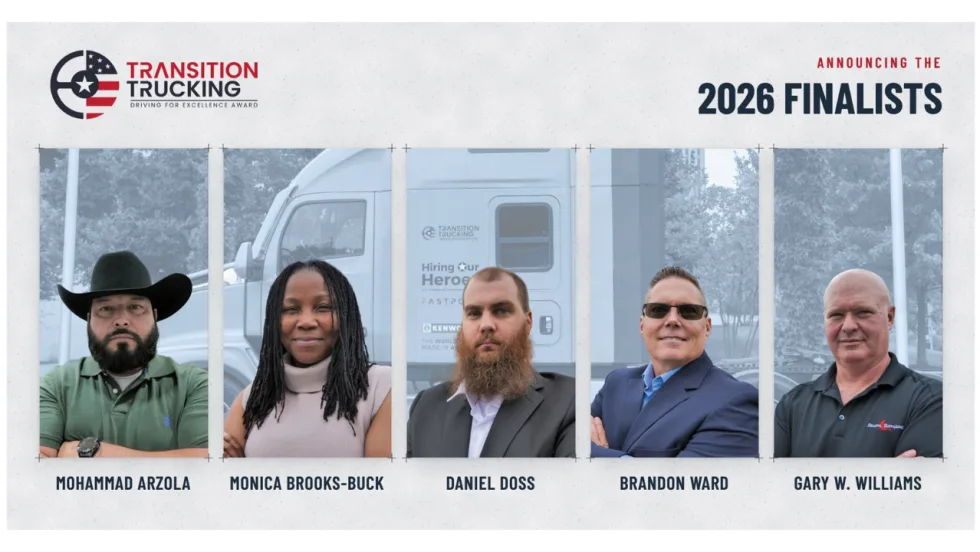
Finalists Announced for 2026 Transition Trucking: Driving for Excellence Award
Kenworth Truck Company, Fastport, and the U.S. Chamber of Commerce Foundation's Hiring Our Heroes program have announced the five finalists for the 2026 Transition Trucking: Driving for Excellence Award.
Read More →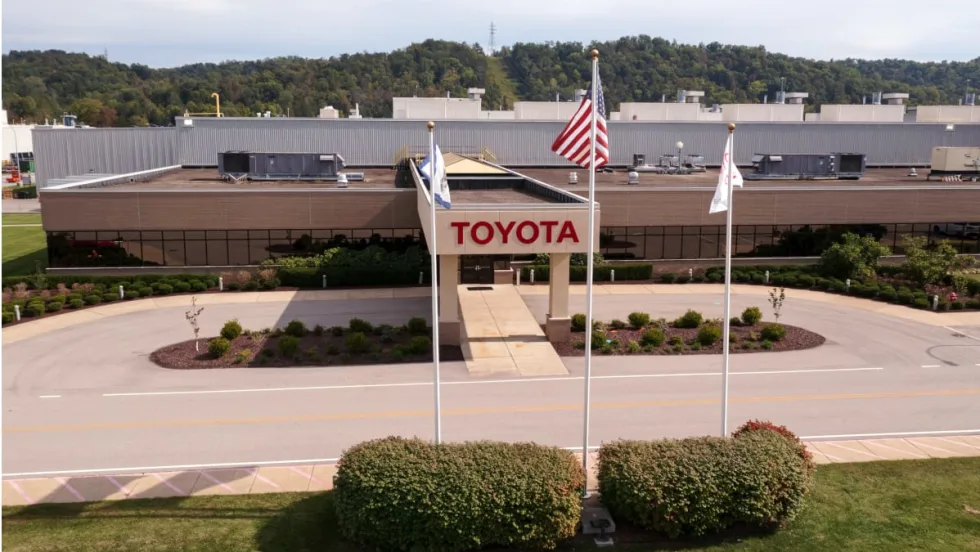
Toyota West Virginia Celebrates Three Decades of Manufacturing in the Mountain State
Toyota West Virginia celebrated 30 years of manufacturing. Toyota assembles both engines and drivetrain components in West Virginia to support its North American operations.
Read More →
The Hidden Cost of Idling
A low-mileage truck can still be one of the fleet’s hardest-working and most worn assets. Engine hours, idle time, and duty cycle reveal what the odometer misses.
Read More →From Our Partners
Basic Tracking vs Next Generation Fleet Technology
Sponsored by AT&T Business

5 Facts Every Fleet Manager Should Know About Embedded Telematics
Sponsored by Stellantis/Mobilisights
How AI Video Telematics Boosts Driver Safety and Helps to Avoid Unnecessary Costs
Sponsored by Verizon Connect

Charting the 8 Bottom-Line Benefits of Workforce Optimization
Sponsored by Verizon Connect

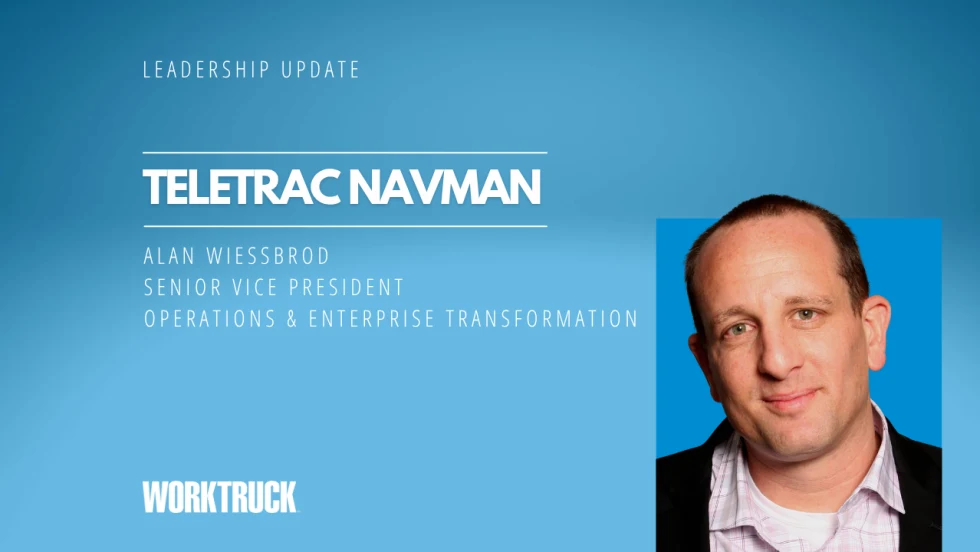
Teletrac Navman Hires SVP of Operations & Enterprise Transformation
Teletrac Navman has appointed Alan Wiessbrod to its senior leadership team as senior vice president, operations and enterprise transformation. The company said he has a strong track record of delivering profitable growth and operational excellence.
Read More →
2027 GM Trucks, Technician Retention, and Fleet Lessons Lead This Week’s News
New GM pickups, technician retention, fleet leadership lessons, winter equipment, and more headline this week’s Truck Chat Weekly Cheat Sheet.
Read More →
Family Ties Inside the Fleet Families Building Careers Across Generations
Three fleet families share what it really takes to work together, learn across generations, and keep business from following them home.
Read More →
Shades of Fleet Call for Voices: Fleet's Hidden Heroes
Fleet’s hidden heroes are often the ones keeping everything moving behind the scenes. September’s Shades of Fleet is looking for dispatchers, coordinators, parts specialists, and other support pros to share their stories.
Read More →
Truck Centers, Inc. Celebrates National Truck Driver Appreciation Week with $1,000 Fuel Card Giveaways
During National Truck Driver Appreciation Week, Truck Centers, Inc. is offering customers a chance to fuel up for free. Customers at all Truck Centers locations can enter to win one of four $1,000 fuel cards from Sept. 14 - 18.
Read More →
Fleet Guides, AI Time-Savers, Truck Tariffs & Fuel Strategy Lead the News
This week’s Truck Chat Cheat Sheet covers new fleet vehicle guides, practical AI use cases, U.S.-Canada truck production, mixed-energy strategy, and more.
Read More →
What Fleet Employers Are Missing When Hiring Veterans
What if some of the strongest candidates for fleet are already out there, but their experience is written in a language our industry does not always recognize?
Read More →