





Fleet 101: The History of Battery Tech
How to Handle EV Reimbursement for At-Home Work Truck Charging
Implementing a fair and precise reimbursement program for employees can mitigate legal risks, ensure compliance with labor regulations, and maintain positive relationships with employees.
October 25, 2023
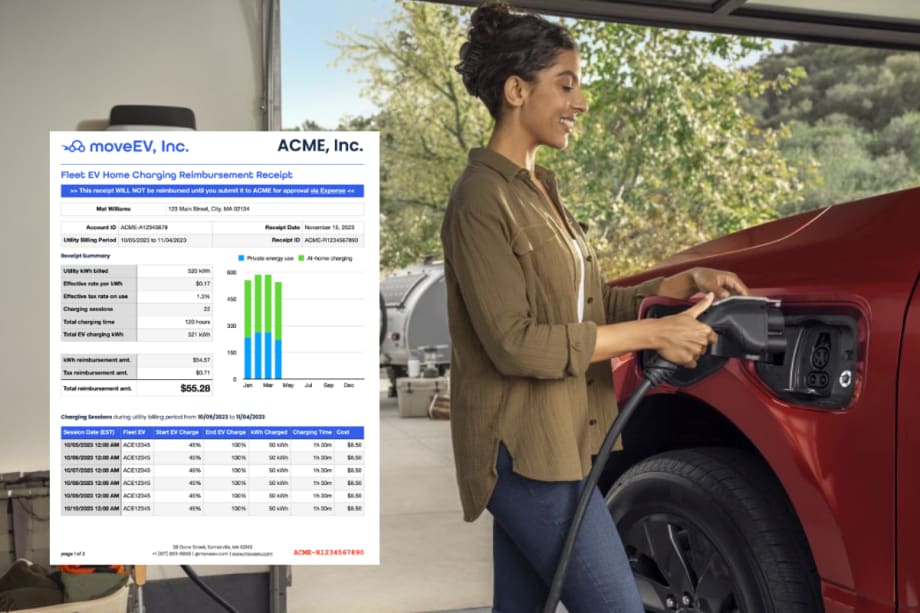
Which vehicles and drivers are appropriate for a home charging reimbursement program should be determined on a case-by-case basis, and companies will need to review and/or create new policies before implementing the program.
Photo: Ford | Move EV | Work Truck
7 min to read
Commercial fleets continue to grow their fleet with a mix of traditional and alternative powertrains. As more electric pickup trucks and even larger options become more readily available, several questions arise for work truck fleet managers.
One of the top challenges is handling employee reimbursement for at-home electric vehicle charging.
With traditional fuel-powered vehicles, fleets have many tried-and-true options for tracking fuel expenses, from mileage tracking and IRS reimbursement rates to fuel card use. But what about electric charging at home? And why is it such a big deal?
Work Truck spoke with MoveEV, an AI-backed EV mobility tech company that helps organizations convert fleet and employee-owned gas vehicles to electric, about some of the challenges and solutions fleets can try.
Basics of Reimbursements for EV Fleets
According to MoveEV, non-compliance with reimbursement regulations can have serious consequences for employers. California Labor Code Section 2802 lawsuits have resulted in significant financial settlements, highlighting the need for companies to adhere to these requirements.
By implementing a fair and precise reimbursement program, employers can mitigate legal risks, ensure compliance with labor regulations, and maintain positive employee relationships.
There are three ways that an organization can reimburse EV fleet drivers for their home electricity use.
Flat-fee allowance.
Mileage reimbursement.
Real Costs.
The first method, flat allowance, is simple but can be problematic.
“Flat-fee allowance can be considered a taxable benefit; it does not incentivize employees to charge at home (where electricity is typically two to three times cheaper), and it can easily result in over- or under-compensation, which can foster employee resentment and expose a company to legal liability,” explained David Lewis, founder and CEO of MoveEV.
The second method, mileage reimbursement, uses charging data and a regional utility rate to calculate what each employee is owed.
“While more accurate than the flat allowance method, this method is not ideal because individual employees may have wildly different utility rates and plans even if they live very close to each other,” Lewis explained. “This approach may lead to overpayment or, more concerning, significant underpayment of employees, potentially exposing companies to liability, especially in states like California under Labor Code Section 2802.”
According to Lewis, the most accurate and fair approach now available, with ReimburseEV, is to utilize charging data and the employee's real home utility rate plan.
“This method ensures the reimbursement accurately reflects the actual cost incurred by each employee for charging EV fleet vehicles at home,” Lewis explained. “By aligning reimbursement with individual utility rates, companies can promote cost-effective charging practices and mitigate potential legal risks associated with inaccurate reimbursement methods.”
For commercial light- and medium-duty electric fleets, the real-cost method is the method Lewis recommends.
“The real electricity cost method is the only fair, accurate, and CA 2802 compliant method,” he said.
But what about the larger, heavier vehicles requiring more electricity to run?
“Overnight charging at an employee’s home allows organizations to take advantage of off-peak utility rates and saves employees time refueling during the workday. Some vehicles, like the Ford F-150 Lightning, might be able to run 100% off home electricity even without a Level 2 charger, depending on how much they are used,” Lewis said.
Challenges Reimbursing Commercial EV Fleets
It’s no secret that fleet managers looking to transition their drivers to EVs still face several challenges.
“Running a successful home charging reimbursement program requires buy-in from all company stakeholders. It is essential to educate drivers and corporate administrators about the monetary and environmental benefits a home-based charging program can provide, as this approach to charging may require cultural and behavioral shifts,” Lewis said.
Which vehicles and drivers are appropriate for a home charging reimbursement program should be determined on a case-by-case basis, and companies will need to review and/or create new policies before implementing the program.
“In some cases, additional driver education may be required. Not all fleet drivers feel comfortable with new technology and may be concerned about plugging in an electric vehicle at home,” Lewis added.
A robust education program, in-person demo days, and access to experts can help alleviate these issues.
“Similarly, you want to make sure both your reimbursement policy and methodology are clear, fair, and transparent and that drivers are comfortable with the software and know where to turn if they have any questions or technical issues,” he added.
Staying in Reimbursement Compliance for Electric Trucks
IRS and state regulations outline which business expenses need reimbursement from employers.
“For fleet vehicles owned or leased by the company and operated by the employee for work purposes, these expenses may include fuel, or, in the case of electric vehicles, the electricity used to charge them ― no matter where that electricity is acquired,” Lewis noted.
Additionally, some states have laws (such as California 2804) prohibiting employees from waiving their reimbursement rights, ensuring they can still claim fair compensation, even if they initially agreed not to be reimbursed by their employer for charging at home.
Failure to adequately reimburse employees can result in a class action lawsuit and be costly. Lewis provided the following examples:
Radioshack paid $4.5 million for only reimbursing employees who followed their strict reporting procedures.
Crossmark, Inc. settled for $1 million with employees who felt they were unfairly reimbursed for travel and business expenses.
“Being proactive and ensuring you have a defensible reimbursement program in place is worth the investment,” Lewis suggested.
Getting Drivers on Board with At-Home Charging
Given the rapid developments in electric vehicle technology and the complexities of reimbursement policies, having a trusted advisor on hand is invaluable.
“An expert can play a pivotal role in fielding drivers' questions, alleviating concerns, and dispelling any misinformation that may circulate within the fleet. They can also help your company clarify the reimbursement policies and processes to ensure they are compliant and meet your corporate needs,” Lewis added.
Establish transparent reimbursement policies that are easy for drivers to understand and follow. Make sure drivers have access to comprehensive information about how the reimbursement program works, including:
Eligibility criteria.
How their reimbursement is calculated.
Any associated responsibilities.
“This transparency not only builds trust but also empowers drivers to make informed decisions regarding their participation in the program,” Lewis added.
Successful employee engagement initiatives can go a long way toward hitting electrification goals and needs.
Initiatives related to home charging for electric trucks can include innovative approaches such as "demo days" for charging equipment and vehicles.
“One effective strategy is to organize these demo days before the actual delivery of electric trucks to employees. This forward-looking approach allows each employee to become familiar with the vehicle’s charging equipment and associated processes,” Lewis suggested.
During these sessions, employees should have the opportunity to ask questions, receive hands-on training, and even test the charging equipment, ensuring they are well-prepared to charge at home once the vehicles are in their possession.
Looking To the Future of Reimbursement
With decades of focus on traditional powertrains, the growth and expansion of EV fleets in general and the high costs of installing on-site charging are creating a shift in focus.
“There's a growing need for fleet managers to strike the right balance between depot charging and home charging. Employing an at-home charging program, especially for lightweight EV trucks, can reduce the need to install on-site infrastructure and can cut overall utility costs significantly while saving employees time,” Lewis explained.
Today, implementing a “reimbursing for charging at home program” is a cutting-edge innovation, as is the ability to generate a receipt for the actual costs.
“Over time, the shift to electric trucks and the desire to charge them off-site may usher in new operating models and technical innovations,” Lewis added. “For instance, at homes where direct access to charging infrastructure is limited, we might witness the emergence of innovative solutions like standalone solar-powered charging stations, which might change the reimbursement model.”
Driving Thoughts
The takeaway from all of this? Act sooner rather than later.
“Even if an organization has only a few EVs today, piloting a ‘reimbursing for charging at home program’ now ensures your company is prepared for the future,” Lewis said.
Fleet managers should initiate the process by educating all relevant stakeholders, including drivers, management, and support staff, about the benefits of charging at home and how a home-charging reimbursement program can reduce costs and environmental impact.
“Now is also the time to establish a well-thought-out reimbursement policy that will encourage the behavior you want while protecting your company from liability,” Lewis concluded.
Subscribe to Our Newsletter
More Green Fleet

Fleet Forward Conference Introduces One-Day Passes for 2026
New one-day registration gives fleet professionals the flexibility to attend Tuesday, Wednesday, or Thursday, with passes available for $199 through Sept. 18.
Read More →
CALSTART Rebrands as Catalyst Mobility, Will Combine with Forth in 2027
CALSTART has rebranded as Catalyst Mobility and will combine with Forth at the start of 2027. The new organization said it is poised to become one of the world's largest, strongest, and most impactful clean transportation nonprofits.
Read More →
Electric Truck and Charging Programs to Boost Sustainability at NY & NJ Ports
Together, the Port Authority of New York and New Jersey and CALSTART will electrify drayage and terminal operations serving the East Coast’s busiest container port. A pair of incentive programs totaling $45 million has launched to accelerate adoption of zero-emission drayage trucks and terminal tractors.
Read More →
Xos Hub Surpasses One Gigawatt-Hour of Energy Delivered in the Field
A single Xos Hub has surpassed one gigawatt-hour of energy across more than 33,600 charging sessions in the field, demonstrating performance that supports Xos' expansion across new products and markets.
Read More →
Carrier Transicold Launches All-Electric Vector 8200 TRU for Diesel-Free On-Site Cold Storage
Carrier Transicold’s first engineless multi-temperature TRU helps fresh- and frozen-food fleets add supplemental cold storage capacity during seasonal peaks.
Read More →
Narro Trucks Introduces Electric Utility Vehicle
Narro Trucks officially launched its operations on Aug. 20 and hosted a ride and drive to showcase its electric truck, which will be produced in Virginia.
Read More →
Samsung SDI Takes Full Control of GM Battery JV as Indiana Plant Pivots to Energy Storage
Samsung SDI is taking full control of its Indiana battery plant with GM, marking a major shift from the EV-focused joint venture Charged Fleet first covered in 2023.
Read More →
NWSA Taps CALSTART to Administer Zero-Emission Drayage Assistance Program
CALSTART will provide free technical assistance services to drayage fleets serving the Ports of Seattle and Tacoma and looking to transition to cleaner technologies and help decarbonize freight hubs.
Read More →
EV Fleet Reality Check: What Operators Wish They Knew Before Electrifying Their Work Vans
Electric work truck upfits bring new compatibility questions. Learn how parts availability, OEM guidance, power demands, and route planning can affect fleet performance.
Read More →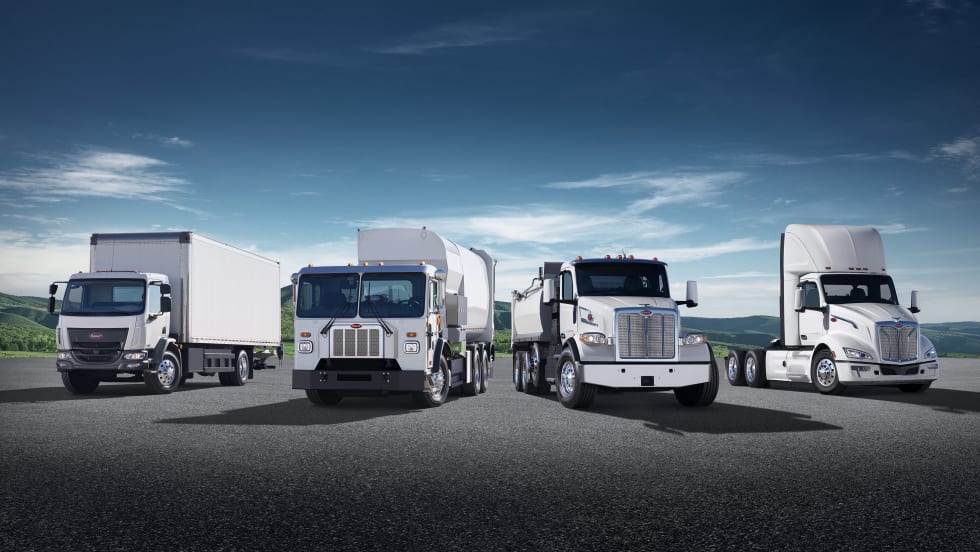
Peterbilt Expands Sourcewell Partnership with Electric Vehicle Lineup
Peterbilt Motors Company’s cooperative purchasing agreement with Sourcewell and its Canadian partner, Canoe Procurement Group, now includes including Peterbilt's battery-electric vehicle lineup.
Read More →