




How GPS Tracking Will Improve Your Plumbing Business Efficiency and Profitability
Discover how GPS tracking can give you deep insights into vehicle health and utilization to improve uptime, productivity, and profitability for your plumbing business.


Getty/photoschmidt
Before the advent of GPS tracking, keeping vehicles on the road and productive depended, at best, on strict schedules for preventive maintenance and drivers reporting — and dealing with — any emerging repair issues, e.g., “check engine” lights.
Today, equipped with advanced GPS tracking technology, plumbing businesses can do much more than simple vehicle tracking. It also keeps you informed of what’s going on under the hood.
With this capability, plumbing businesses can accurately track and perform:
Scheduled maintenance, such as oil changes.
Remote diagnosis of fault codes to better manage vehicle downtime.
Proactive maintenance to stay ahead of potentially emergent issues before they become catastrophic and costly repairs.
This means vehicles spend more time on the road than off it.
Switching from Reactionary to Preventive Maintenance
For businesses, like plumbing service providers, having vehicles that are in good repair is crucial to meeting the needs and demands of customers.
Since many plumbing repairs are the result of catastrophic and inconvenient equipment failures, being able to respond quickly and efficiently is vital to run the business successfully. Without reliable vehicles for technicians to get to a job, it will soon become impossible to service customers, and the company will suffer as a result.
One of the keys to uptime is a robust preventive maintenance program. This is where GPS tracking comes into play. It starts with scheduling preventive maintenance services such as tire rotations and oil changes. Then it goes beyond to create alerts for both the driver and their manager when service is due. This automation makes maintenance both predictable and those responsible for it accountable for completing the job.
With predictability, dispatchers have better insight into available vehicles, helping improve scheduling and tempering customer expectations.
For potentially severe issues, managers can receive alerts in real-time. This feature helps avoid catastrophes that may lead to significant vehicle downtime and a loss of revenue, or worse, needing to replace a vehicle much sooner than expected.
Having well-maintained vehicles are crucial not only to serve customers but to allow technicians to remain safe while they’re on the road. Catastrophic equipment failure could result in a crash that will undoubtedly mean vehicle downtime, but also result in an injury to a driver, a passenger, or a third party. In worst-case scenarios, a ruinous liability payment could result.
For a plumbing service provider, having a well-maintained fleet of vehicles is a reflection of how the business runs. Well-maintained vehicles mean, by extension, a company that is well managed and takes customer service seriously. The vehicles in and of themselves, thus, become effective rolling billboards, attracting new customers and retaining those that it has already.
Tracking Vehicle Utilization
GPS tracking can also show vehicle utilization. This capability helps decision-makers determine if there are enough and the right kind of vehicles to do the job.
From a business perspective, tracking vehicle utilization can give clear insights into the efficient or inefficient use of assets. GPS tracking will unveil potential routing issues, which vehicles are hardly ever used at all, and issues related to maintenance.
An under or over-utilized vehicle is a starting point for further questions about operational issues related to the business. Why is one vehicle underutilized and a similar one over-utilized? How is utilization affecting business efficiency, and what does this mean for productivity and profitability? Regarding maintenance, what are the total cost of ownership (TCO) implications of a vehicle that is under or over-utilized?
As the capabilities of GPS tracking continue to evolve, businesses will gain even deeper insights into vehicle maintenance and utilization, increasing productivity and profitability while meeting customer needs and keeping drivers safe.
Start Optimizing Your Maintenance Now!
{incontentformtoken}
Avoid unnecessary maintenance and unexpected downtime and begin the process of implementing a GPS tracking system into your business. Speak with experts from top GPS tracking providers on how to implement a solution at businessfleet.com.
Originally posted on Automotive Fleet
More Technology & AI
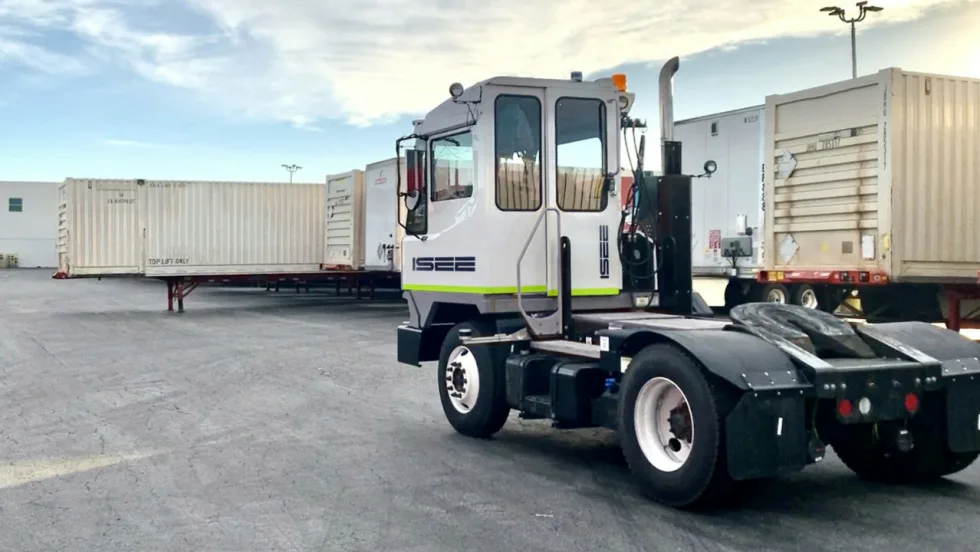
Holman and ISEE Partner to Expand Autonomous Yard Truck Operations
The partnership combines Holman's fleet management and upfitting capabilities with ISEE's autonomous driving technology to help businesses deploy and manage driverless yard trucks.
Read More →
Who You Gonna Call? Rivian Turns Electric Vehicles Into Ghostbusters Rides
Rivian teams up with Sony Pictures for a Ghostbusters-inspired Halloween software update, complete with custom sounds, lighting effects, and a special Ecto-R1.
Read More →
The Second Trip and What Missing Tools Really Cost a Service Business
For service fleets, missing tools and equipment can lead to second trips, lost technician time, higher operating costs, and delayed jobs. Equipment tracking can help HVAC, plumbing, electrical, landscaping, and other service businesses improve visibility and reduce downtime.
Read More →From Our Partners
Basic Tracking vs Next Generation Fleet Technology
Sponsored by AT&T Business

5 Facts Every Fleet Manager Should Know About Embedded Telematics
Sponsored by Stellantis/Mobilisights

How AI Video Telematics Boosts Driver Safety and Helps to Avoid Unnecessary Costs
Sponsored by Verizon Connect

Charting the 8 Bottom-Line Benefits of Workforce Optimization
Sponsored by Verizon Connect

GeoFencing Adds to Your Truck Security Arsenal
Geofencing is a familiar fleet tool today, but its early adoption marked a major shift in vehicle tracking, route monitoring, and the debate over employee privacy.
Read More →
Geotab Data Shows Regional Trucking Growing Faster as Last Mile Routes Get Denser
Geotab's first U.S. supply chain report finds stable long-haul activity, stronger regional freight movement, tighter hub-and-spoke utilization, and more last-mile trips on shorter routes.
Read More →
When Fleet Technology Helps and When It Just Adds Complexity
New technology can help fleets work smarter, but only if it solves the right problem. Lauren Fletcher talks with AP Fleet’s Alex Coveney about innovation, AI, data, and knowing when a new solution is actually worth adopting.
Read More →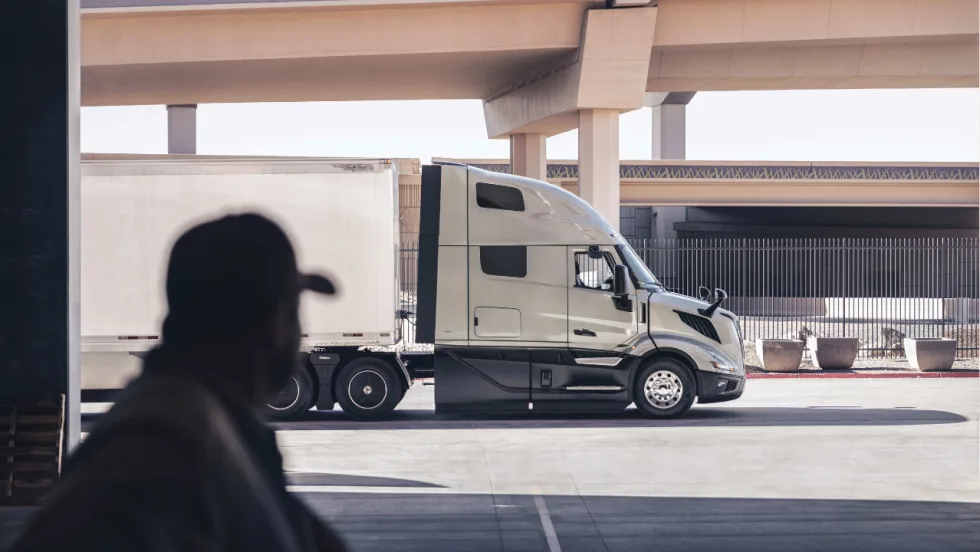
Volvo Trucks’ 'Lock and Leave' Software Updates Go Live Across North America
Unattended over-the-air software updates are now available in Volvo trucks across the U.S. and Canada. The new capability lets trucks stay current with the latest software without interrupting operations or requiring a dealership visit.
Read More →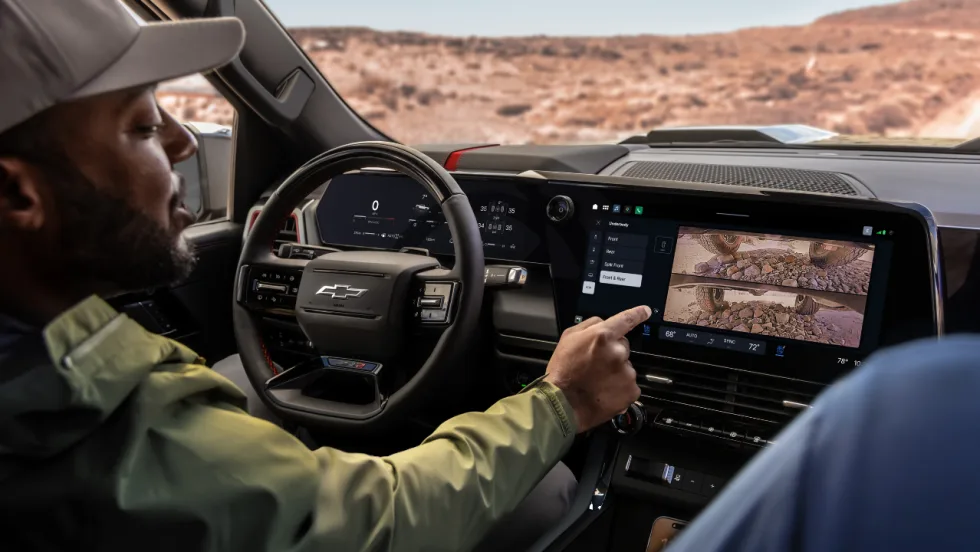
GM Brings New Truck Focused Interface to 2027 Silverado and Sierra
GM's new pickup interface puts trailering data, camera views, vehicle controls, and smartphone integration closer to the driver in the 2027 Silverado and Sierra.
Read More →
Samsara Driver Perks Expands Rewards Beyond the Long Haul Driver
Samsara’s new driver rewards program was built with a broader professional driver in mind, including employees who split their day between driving, job sites, service calls, and other work.
Read More →
AI Service Advisor Aims to Cut Fleet Repair Downtime
Fleetio said its AI Service Advisor can help fleets cut repair downtime by an average of 2.5 hours per repair while reducing manual maintenance work.
Read More →