




How a GPS Tracking Solution Solves the Top 3 Fleet Challenges
To completely unlock your fleet’s potential, read how a GPS Tracking Solution solves the top 3 business challenges of driver accountability, safety, and efficiency.

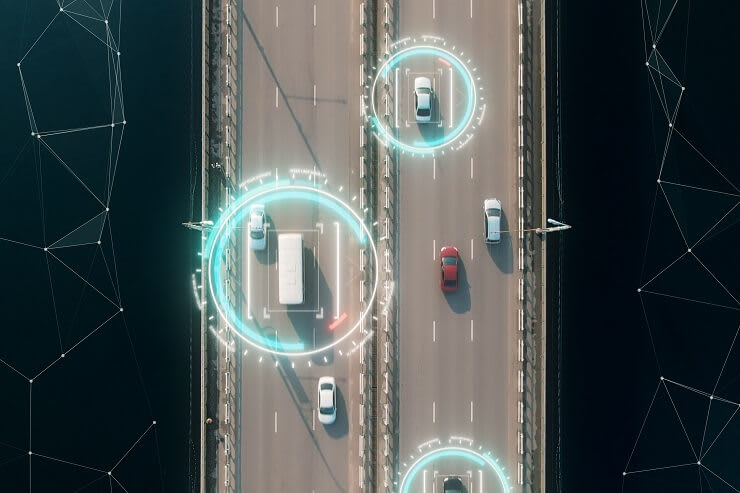
Getty Images / raspirator
The top 3 business challenges a GPS tracking solution solves are:
Accountability.
Safety.
Efficiency.
Each of these challenges presents unique obstacles of their own. Knowing what your challenges are and how a GPS tracking solution can solve them will give you a better idea of what necessary components of a solution you will require, and how much it will cost.
1. How a GPS Tracking Solution Provides Accountability
Driver accountability and the necessity of gaining fleet visibility is what gave birth to GPS tracking solutions and eventually evolved into modern fleet management. As time progressed, driver accountability challenges went beyond the need to know where they were at all times.
Improve Estimated Time of Arrivals (ETAs)
Do you or someone in your business spend hours on the phone each week communicating with drivers to find out where they are or how long it will be until they arrive at their destination? You can eliminate these calls, and this wasted time altogether with a GPS tracking solution. Provide accurate ETAs by knowing where your vehicles are at any given moment and how far they are from their next stop. Accurate ETAs will affect not only accountability but improve efficiency and customer service as well by proactively updating your customers if drivers are ahead of or falling behind schedule.
Verify Payroll
Are you experiencing high labor costs and don't know why? A GPS tracking solution can quickly point you in the right direction to know if employees are padding hours. Fifteen minutes here and there for each employee adds up. If drivers are supposed to return their vehicles to the yard at the end of the day and clock out, you can see the difference in the timestamp of when they returned vs. when they punched out. If they take the vehicles home, you can see when employees started and ended their day vs. when they said they did on their timesheets.
Prevent Side Jobs
GPS tracking solutions can prevent side jobs in several ways. One way is comparing their stops to your customer list. A glance at where they stopped throughout the day will display the names of customer sites and full addresses for unknown locations. The unknown locations will be a possible indicator that they performed a side job. Another way is monitoring so-called "odd-hours." If your vehicles should only be in use within a specified timeframe, you can run reports or receive alerts when vehicles operate outside that window.
Provide Proof of Service
Have you had to settle customer disputes over whether your employees completed a job and didn't have a way to verify the claim? A GPS tracking solution can quickly provide the proof you need to verify these reports. The data will tell you when they arrived on site and how long they were there. Having this data at your fingertips will help minimize disputes with customers and expedite billing.
2. Improve Fleet Vehicle Safety
Are your employees accruing speeding tickets, involved in collisions, or endangering public safety with their unsafe driving behavior? A GPS tracking solution provides a myriad of ways you can improve the safety of your fleet.
Implement a Driver Policy
Implementing a driver policy that requires employee acknowledgment will clearly outline how you will use the GPS tracking solution and the data it gathers. Providing this transparency to employees sets the expectations for what metrics the company will rate their driving behavior, and what the rewards and consequences are for following or ignoring these expectations.
Gain Employee Buy-In with Gamification and Driver Scorecards
Driver scorecards comprise of metrics based on predetermined key performance indicators (KPIs), including speeding, harsh braking, and rapid acceleration. You can gamify this and other performance data with competitions that reward the winner (or top winners) each month or quarter — i.e., the driver(s) with the fewest number of speeding incidents at the end of the month receive a gift card to a restaurant.
Vindicate Drivers with Dashboard Cameras
Video evidence is the sure-fire way of vindicating drivers when an accident occurs. It's easy to disprove complaints of speeding or knocking over mailboxes with the data from a GPS tracking solution using location and speed, but dashboard cameras help tell the entire story with video evidence. It can dispel claims that it was the driver's fault for causing the accident, saving you tons of money that goes right to the bottom line.
3. Improve Efficiency
Do you currently keep track of vehicle maintenance on a whiteboard in the office? Do you handwrite odometer readings down on a clipboard at the end of each day? Do you have difficulty dispatching your drivers to job sites efficiently, or know that they are using some vehicles and assets more than others? These are all efficiency concerns that a GPS tracking solution can address.
Schedule Vehicle Maintenance and Manage Vehicle Downtime
Not keeping up with maintenance usually leads to extended vehicle downtime and multiple vehicles needing service at once. This downtime takes away from your bottom line when vehicles are out of service and need replacements and repairs sooner than you expected. A GPS tracking solution efficiently schedules and maintains service by regularly monitoring and setting every type of maintenance for all vehicles and send alerts that give you enough leeway to plan for downtime.
Increase Route Efficiency
GPS Tracking solutions prevent you from sending an employee who is way across town to the next job when you have someone else much closer. You can also provide vehicle attributes to ensure the right vehicle with the right tools is sent to the job. Plan daily, or weekly routes with the most efficient directions that can be sent directly to a driver's phone. Improving route efficiency reduces wear and tear, cutting maintenance costs. It also decreases overall mileage, which prevents drivers from taking the long way to a job or making unnecessary stops, cutting down on fuel costs.
Increase Fleet Utilization
Do you have "favorite" vehicles employees like to use more than others? With a GPS tracking solution, you can find out which of your vehicles and assets are sitting dormant, and not used. This data will help you make informed business decisions of potentially right-sizing your vehicles and assets, saving significant amounts of money to the bottom line and improving utilization.
Unlock Your True Fleet Potential
{incontentformtoken}
Understanding what your business challenges are and how a GPS tracking solution will solve them is the first significant step towards achieving your fleet goals. Unlock the true potential of your fleet today and speak with the experts of GPS tracking systems at businessfleet.com about implementation. They can provide more insight as to how this technology will benefit your company, provide the return on investment (ROI) you expect, and how to best utilize it to grow your business.
Originally posted on Automotive Fleet
More Technology
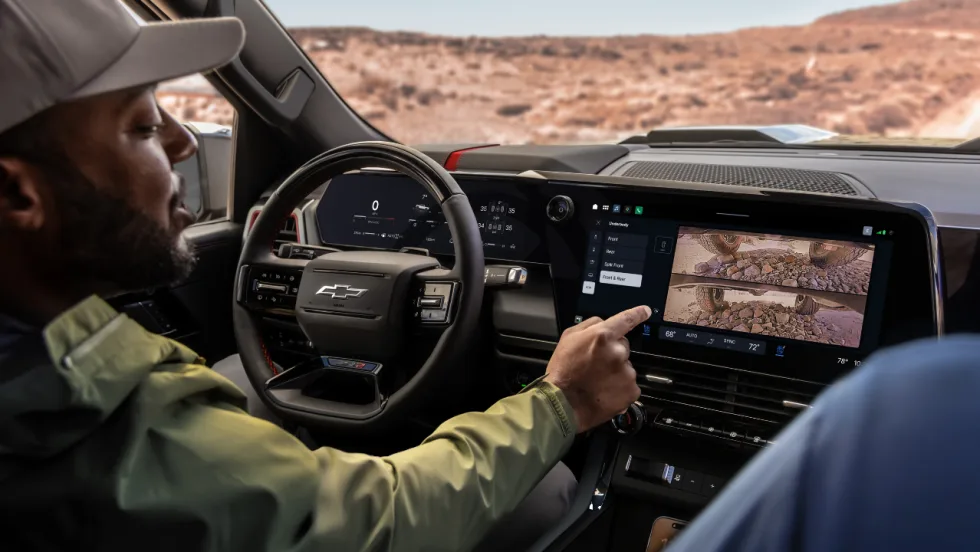
GM Brings New Truck Focused Interface to 2027 Silverado and Sierra
GM's new pickup interface puts trailering data, camera views, vehicle controls, and smartphone integration closer to the driver in the 2027 Silverado and Sierra.
Read More →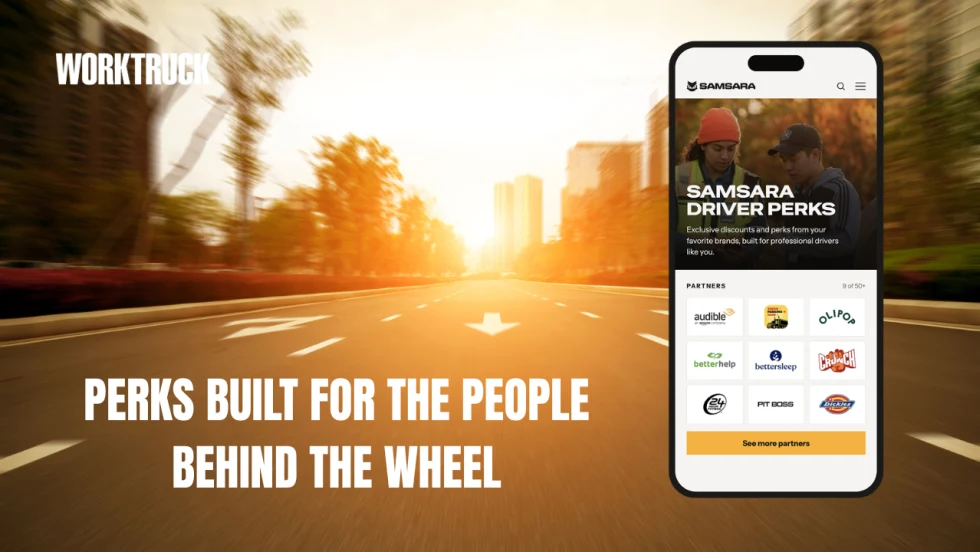
Samsara Driver Perks Expands Rewards Beyond the Long Haul Driver
Samsara’s new driver rewards program was built with a broader professional driver in mind, including employees who split their day between driving, job sites, service calls, and other work.
Read More →
AI Service Advisor Aims to Cut Fleet Repair Downtime
Fleetio said its AI Service Advisor can help fleets cut repair downtime by an average of 2.5 hours per repair while reducing manual maintenance work.
Read More →
Verra Mobility Launches AI-Driven Title & Registration Solution
Verra Mobility has launched a new AI-driven Title & Registration platform to help fleets move vehicles from acquisition to the road the same day while reducing compliance risk.
Read More →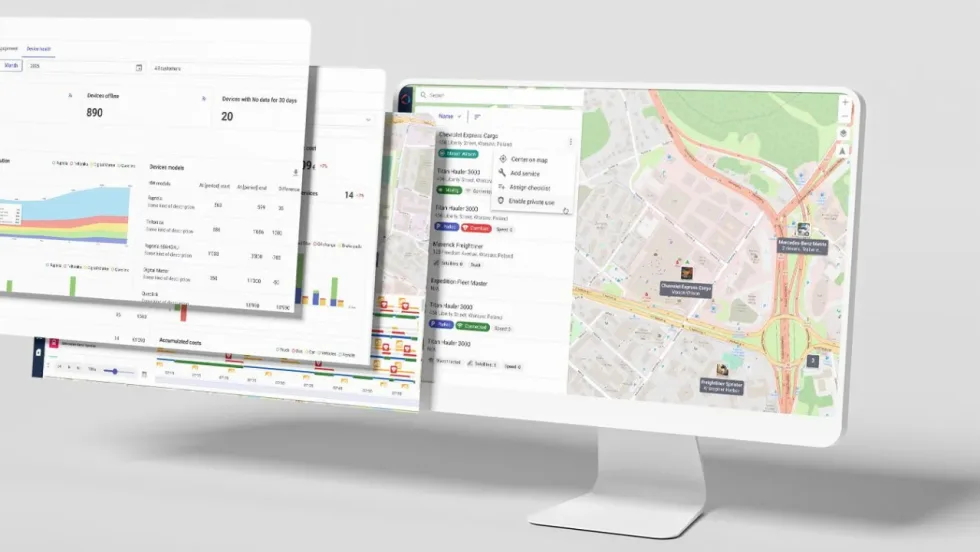
Wialon Unlocks OEM Data to Give Fleet Owners Data Ownership & Operational Clarity
Wialon has introduced hardware-free OEM integration as the EU Data Act accelerates the shift in vehicle data access across the fleet industry in many countries.
Read More →
Teletrac Navman Promotes New CEO from Within
Teletrac Navman’s next CEO, Ricardo Buranello, has served as the company’s chief financial and operating officer. He brings deep financial and operational expertise, a strong strategic orientation, and an intimate knowledge of the business to his new role.
Read More →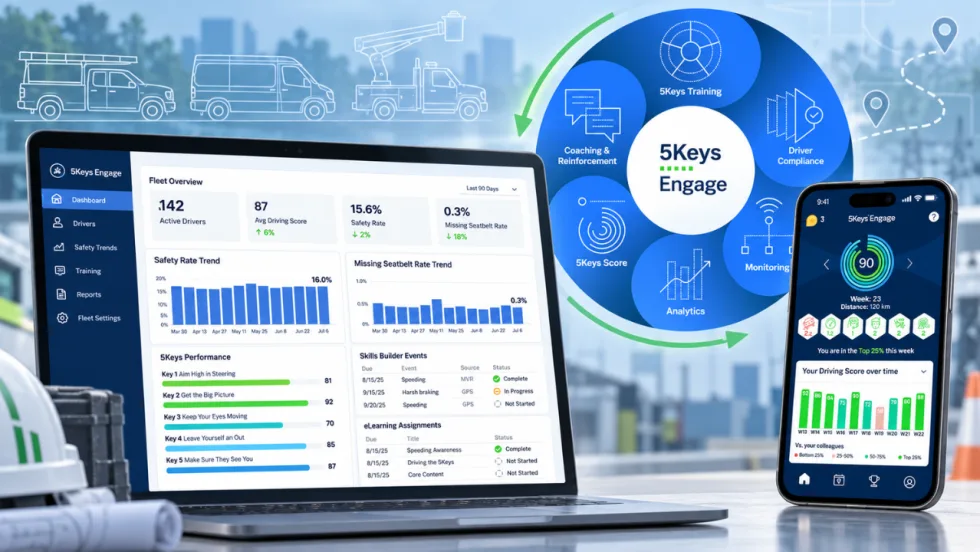
Smith System Wants Work Truck Fleets to Look Beyond the Driver Alert
Smith System’s new Driver Risk Management program is built to help mixed work truck fleets turn telematics alerts and observations into specific behaviors, coaching actions, and measurable follow-up.
Read More →
Ford Pro Software Updates: August 26
Check out the latest Ford Pro software updates, including Google Maps integration, Remote Vehicle Alarm integration, Motor Pool for easier management of shared pool vehicles, and more.
Read More →
Where AI Is Actually Saving Fleet Managers Time
AI is moving past the buzzword stage and into the daily fleet workflow. Fleetio’s Brianna Perry Lang breaks down where fleets are seeing real time savings, from maintenance and data entry to repair decisions, safety, and compliance
Read More →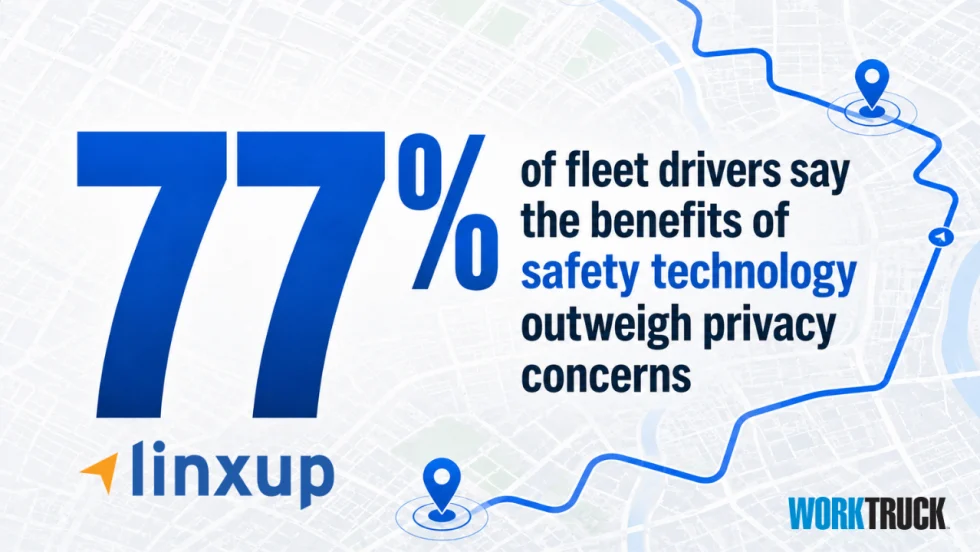
Are Work Truck Drivers Warming Up to Dash Cams and GPS Tracking?
A new survey finds field-service drivers may be more comfortable with dash cams and GPS tracking than fleet managers think, especially when the technology helps protect them after a crash.
Read More →