




GPS Tracking Enables Social Distancing & Productivity
In the midst of the COVID-19 crisis, owners and fleet managers of service businesses still need to manage their fleets, but may not want to go to the office daily and risk possible exposure to themselves or others. What are the options?
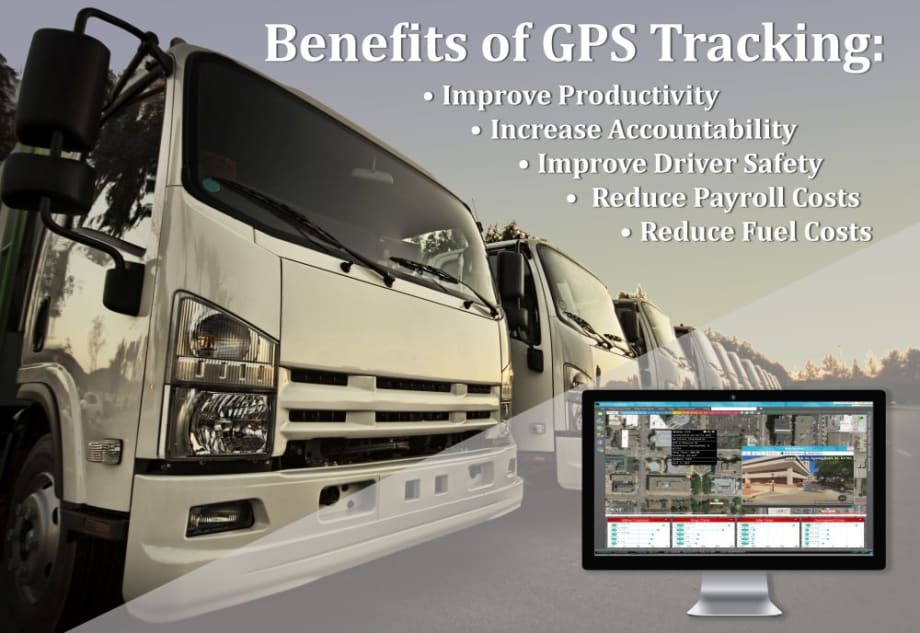
By zooming in or out on the map, the fleet manager can see where all the fleet’s vehicles are and quickly reallocate any to where they are most needed.
Photo: ATTI
In the midst of the COVID-19 crisis, owners and fleet managers of service businesses like landscaping, plumbing, electrical, and HVAC, still need to manage their fleets, but may not want to go to the office daily and risk possible exposure to themselves or others.
Fortunately, by using new technology offerings such as the Vision GPS vehicle tracking device from ATTI using a smartphone, tablet, or PC remotely, in addition to e-mail, Zoom meetings, etc., fleets can socially distance as well as dynamically manage their fleets and work crews throughout the day without missing a beat.
“With an advanced, real-time GPS vehicle tracking system, essentially all employees can socially distance. To avoid potential viral transmission from other employees and vehicles, they can leave from their homes in their typical company vehicle and go directly to the job site without returning to the office, except to retrieve any needed supplies,” said Ben VanAvery, sales and marketing manager of Advanced Tracking Technologies (ATTI), a Houston-based designer and manufacturer of GPS tracking products.
Staying on Task
A GPS tracking system can facilitate social distancing and virtually eliminate the need for routine personal interaction, while ensuring that drivers and work crews stay on task.
“Dispatches can be made throughout the day and sent directly to the driver’s phone to tell the work crew the next job site address,” he explains. “Once they complete the job, it is recorded in the system, so the dispatcher, owner or fleet manager can stay apprised. In that way, it can serve as a remote time sheet.”
When emergencies occur or work must be handled by the nearest qualified, available technician, such a system can be very advantageous.
“With real time GPS vehicle tracking, you can see which technicians you have across the area, including who is nearest and who is experienced and properly qualified for the job. And by accessing real-time traffic data in the software, you can identify who is easiest to send to that location as well,” VanAvery said.
As an example, the Vision from ATTI transmits 10-second updates, showing precisely where vehicles are the moment the fleet manager or dispatcher needs to know. Compared with typical GPS tracking devices that may only update every few minutes, the system provides real-time location updates as well as speed and idle time alerts if something is amiss. This data is transmitted via satellite and cellular networks to a smartphone or PC on a 24/7 basis. The system has access to nationwide speed limits in its database.
With such a system the fleet manager or dispatcher via a smartphone app or PC can also display the real-time location of the entire fleet on a map, and zoom in on any specific vehicle. At a glance, he or she can see if a vehicle is moving (displays green) or stopped (displays red). If he or she touches a vehicle icon, the app will display where the vehicle has been, where it stopped, and how long it has idled.
By zooming in or out on the map, the fleet manager can see where all the fleet’s vehicles are and quickly reallocate any to where they are most needed. This can be particularly important if the volume of delivery or requests suddenly changes and must be rapidly accommodated.
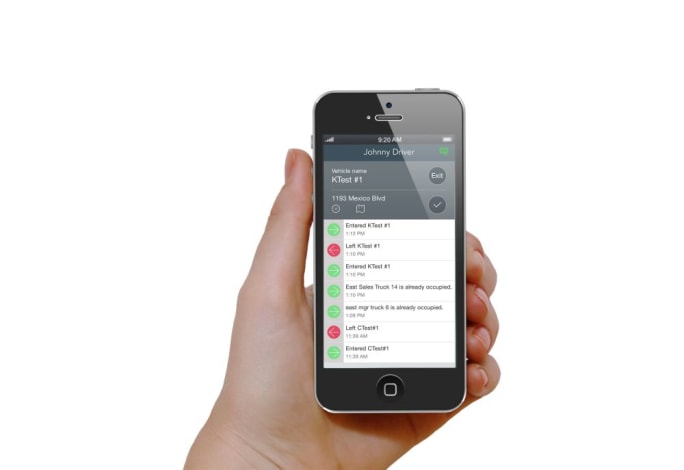
A GPS tracking system can facilitate social distancing and virtually eliminate the need for routine personal interaction, while ensuring that drivers and work crews stay on task.
Photo: ATTI
Quicker Communication
Fleet managers can also configure the system to automatically send real-time text or email alerts to individual drivers, groups, or the entire fleet if factors such as traffic congestion, travel route, vehicle speed, starts, stops, or idling pose a concern or deviate from policy.
Emailed vehicle tracking reports can be configured to automatically summarize fleet performance of such factors on periodic basis to help determine which routes are the most efficient.
Advanced GPS tracking systems can also improve efficiencies on more established routes. For example, because the GPS system is automated, travel reports can be generated that analyze vital historical data, such as on-time pick-ups or drop-offs, can also be emailed without anyone having to open software. The reports can be customized as needed to include as much detail as needed, such as how many stops, how long per location, top speed, mileage, idle times of the day, etc.
Identifying and implementing more efficient routing and performance, in turn, enables individual drivers and the fleet as a whole to accomplish more in less time.
About the Author: Del Williams is a technical writer based in Torrance, Calif.
More Technology
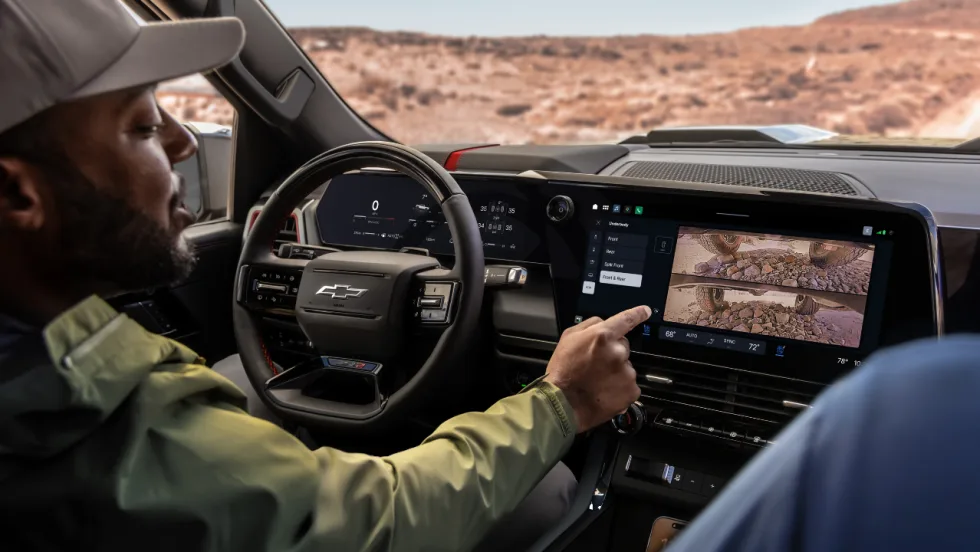
GM Brings New Truck Focused Interface to 2027 Silverado and Sierra
GM's new pickup interface puts trailering data, camera views, vehicle controls, and smartphone integration closer to the driver in the 2027 Silverado and Sierra.
Read More →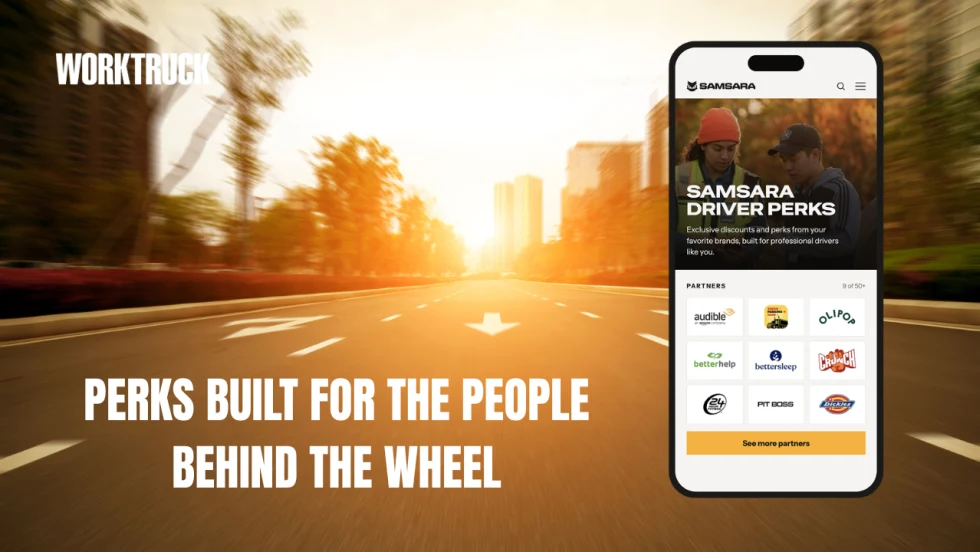
Samsara Driver Perks Expands Rewards Beyond the Long Haul Driver
Samsara’s new driver rewards program was built with a broader professional driver in mind, including employees who split their day between driving, job sites, service calls, and other work.
Read More →
AI Service Advisor Aims to Cut Fleet Repair Downtime
Fleetio said its AI Service Advisor can help fleets cut repair downtime by an average of 2.5 hours per repair while reducing manual maintenance work.
Read More →
Verra Mobility Launches AI-Driven Title & Registration Solution
Verra Mobility has launched a new AI-driven Title & Registration platform to help fleets move vehicles from acquisition to the road the same day while reducing compliance risk.
Read More →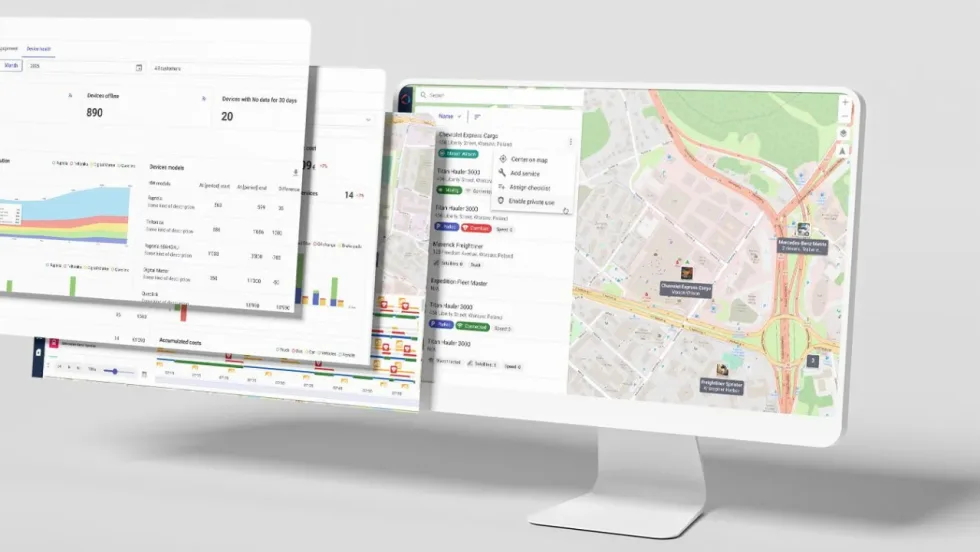
Wialon Unlocks OEM Data to Give Fleet Owners Data Ownership & Operational Clarity
Wialon has introduced hardware-free OEM integration as the EU Data Act accelerates the shift in vehicle data access across the fleet industry in many countries.
Read More →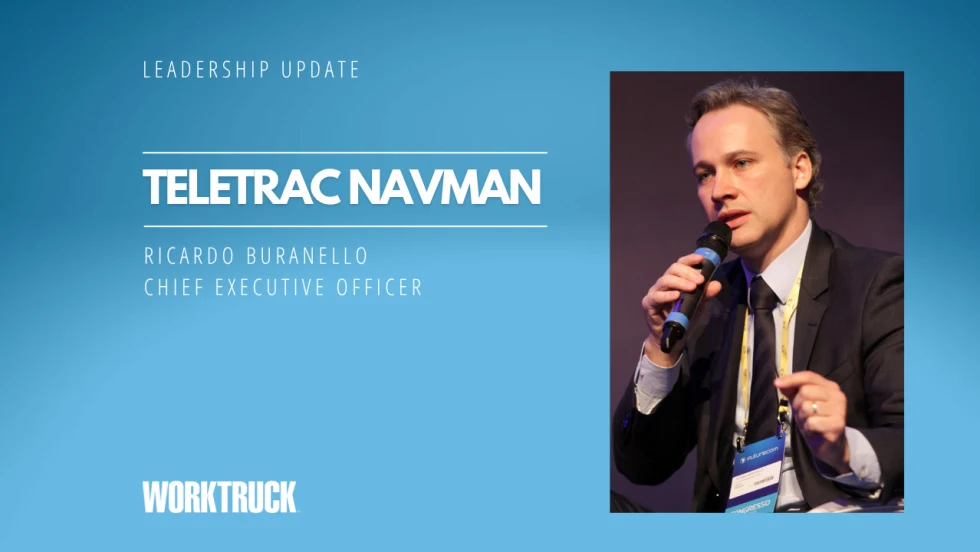
Teletrac Navman Promotes New CEO from Within
Teletrac Navman’s next CEO, Ricardo Buranello, has served as the company’s chief financial and operating officer. He brings deep financial and operational expertise, a strong strategic orientation, and an intimate knowledge of the business to his new role.
Read More →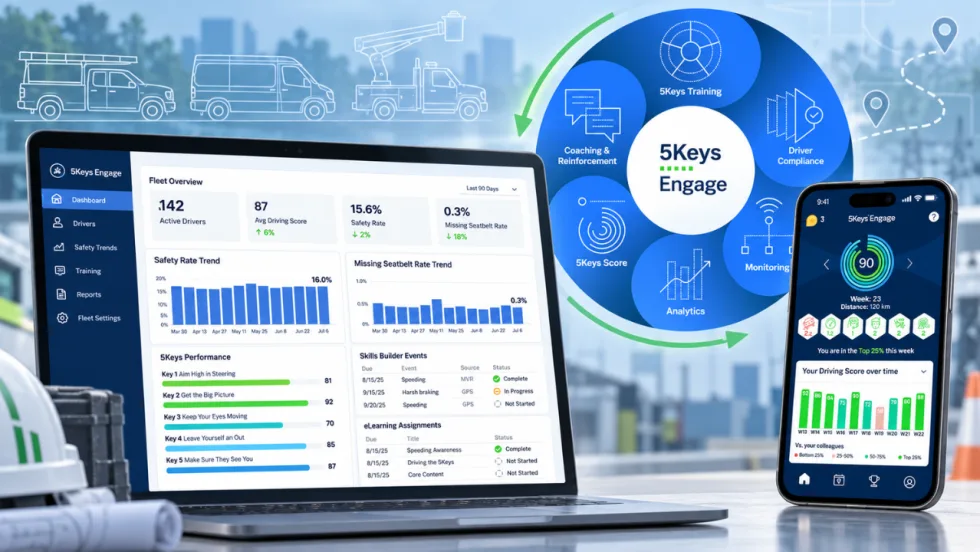
Smith System Wants Work Truck Fleets to Look Beyond the Driver Alert
Smith System’s new Driver Risk Management program is built to help mixed work truck fleets turn telematics alerts and observations into specific behaviors, coaching actions, and measurable follow-up.
Read More →
Ford Pro Software Updates: August 26
Check out the latest Ford Pro software updates, including Google Maps integration, Remote Vehicle Alarm integration, Motor Pool for easier management of shared pool vehicles, and more.
Read More →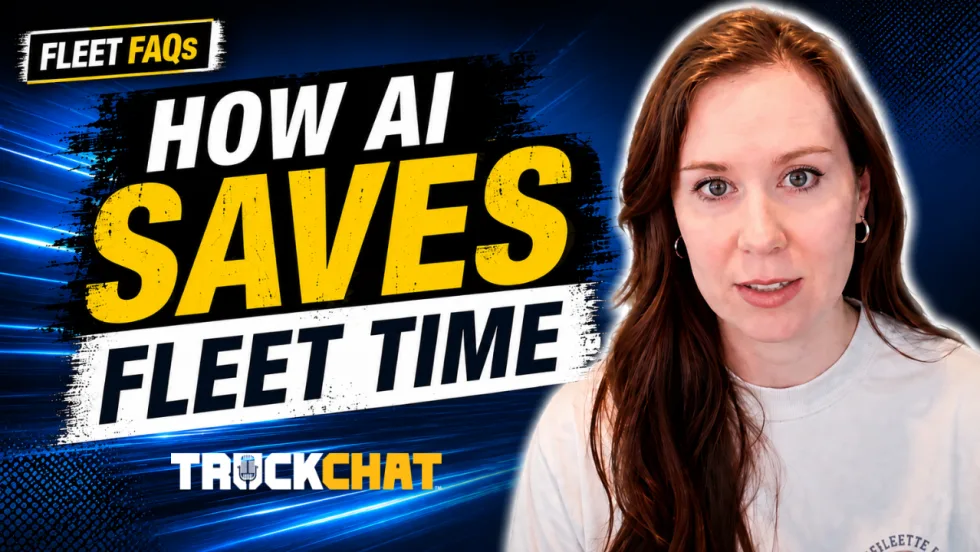
Where AI Is Actually Saving Fleet Managers Time
AI is moving past the buzzword stage and into the daily fleet workflow. Fleetio’s Brianna Perry Lang breaks down where fleets are seeing real time savings, from maintenance and data entry to repair decisions, safety, and compliance
Read More →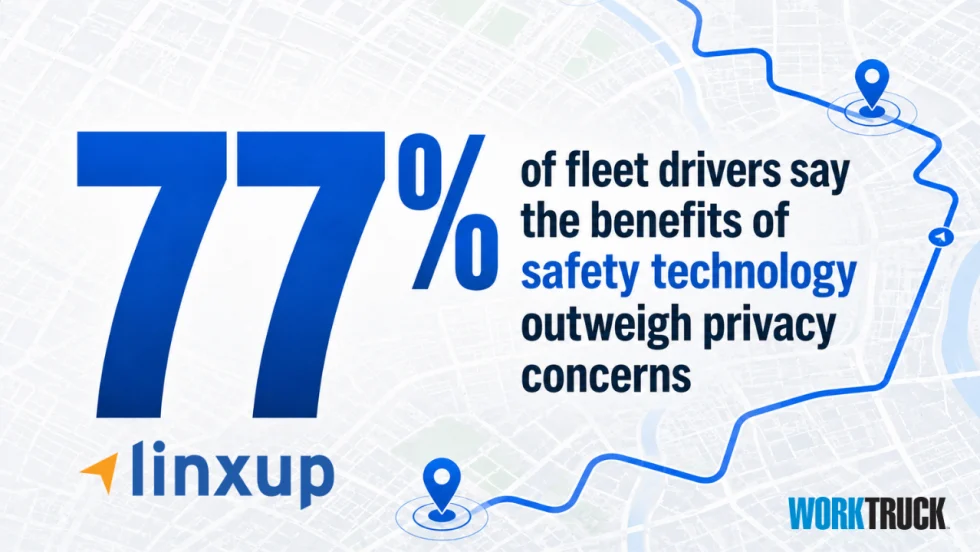
Are Work Truck Drivers Warming Up to Dash Cams and GPS Tracking?
A new survey finds field-service drivers may be more comfortable with dash cams and GPS tracking than fleet managers think, especially when the technology helps protect them after a crash.
Read More →