




Fuel Cards Do More Than Fill the Tank in a Crisis
Prepare your fleet for unexpected events with card solutions that offer real-time updates, emergency planning, and seamless access to essential resources when it matters most.
May 1, 2025

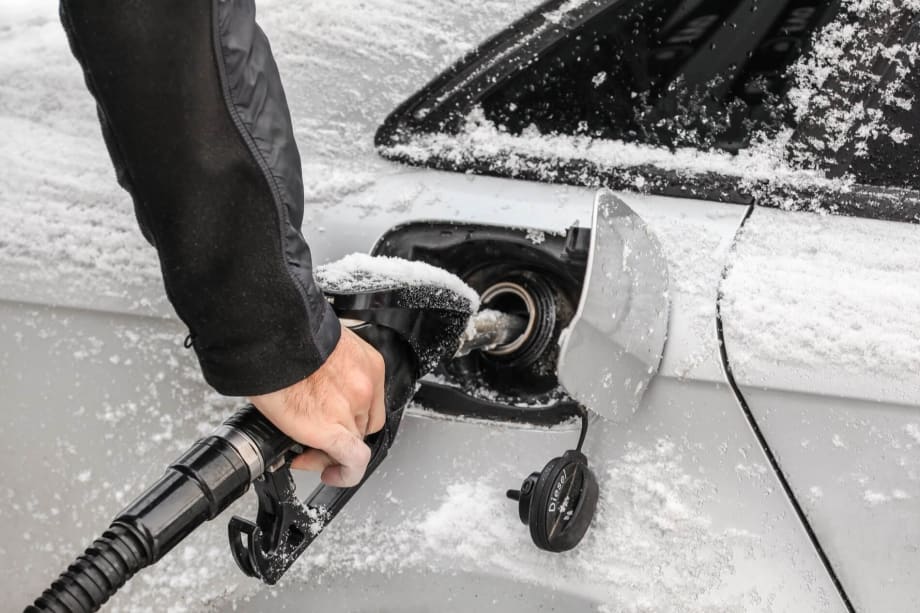
Fuel cards keep your fleet moving during emergencies by providing fast access to fuel, tracking, and spending controls.
Photo Credit: Getty Images/Lubo Ivanko
2 min to read
When disaster strikes, fleet managers must act swiftly to keep vehicles moving and teams safe. Whether it’s a hurricane, blizzard, or unexpected environmental emergency, having a proactive plan can mean the difference between seamless operations and costly downtime.
The U.S. Bank Voyager card’s emergency response framework is built on redundancy and proactive communication. With mainframe transaction processing and an authorization system duplicated across critical locations, fleet managers can trust that their data and operations are protected.
Voyager Powers Fleet Control When Disaster Strikes
Even during a major disaster, Voyager’s Business Continuity Plan (BCP) ensures uninterrupted technical capability and client servicing. At the heart of Voyager’s emergency operations is its Fleet Control Center. This centralized hub provides critical services, such as:
- Mobile and bulk fueling coordination.
- Emergency vehicle replacement.
- Stand-in fleet account management.
- Real-time station availability reports that are updated hourly.
During a live disaster, Voyager assigns a dedicated account analyst to support customers in limit or control adjustments, activating special indicators that prevent unnecessary declines at critical moments.
“In events where there is time before an impending event, Voyager proactively reaches out to customers to help plan and prepare. During a live disaster event, Voyager has a dedicated account analyst whose primary role is to support customers in limit or control adjustments, activating temporary special indicators that prevent unnecessary declines at critical moments,” said Ramel Lindsay, VP, head of Voyager Fleet Sales, U.S. Bank.
The station availability report, updated hourly during a crisis, ensures that impacted fleet managers can identify Voyager-accepting locations where their drivers can refuel.
The Importance of Rapid Response and Fraud Protection
Disasters can derail fleet operations in a matter of moments. According to Doug Applegate, president of impac Fleet, regional state restrictions and tight fuel card limits, while protective, can also become barriers during emergency response.
impac Fleet’s card system, supported by a proactive service team, quickly lifts state and spending restrictions, enabling crews to fuel up wherever the storm leads without interruption.
“State restrictions and tight daily or monthly fuel card limits are critical for shielding regional fleets from fraud, but they can misfire during disaster response, flagging valid fuel purchases and stalling urgent missions,” Applegate explained. Once the storm passes, impac Fleet’s solution automatically reinstates those state and fuel card limits, maintaining fraud protection as fleets resume normal routes.
impac Fleet’s Voyager MasterCard simplifies expense management by allowing fleets to log travel costs like hotel stays and food on the same card. This streamlines accounting and reporting for disaster response teams, consolidating all storm-related expenses in a single location.
Subscribe to Our Newsletter
More Disaster Response
When Disaster Response Goes Mobile
Drones and robotic systems can give emergency teams a view of a disaster before crews ever reach the scene. But the real challenge is keeping those machines, vehicles, operators, and command centers connected when traditional infrastructure may already be compromised.
Read More →
Experts Forecast Broader Impact of Wildfires in 2026
This year’s wildfire season will likely be more intense than in 2025. The 2026 wildfire forecast from AccuWeather is for fewer fires, but even more acreage will be impacted this year.
Read More →
Farmers Insurance Backs Red Cross Disaster Response Efforts With $250,000 Commitment
Farmers Insurance joined the Red Cross Disaster Responder Program to help support emergency response and recovery during disasters nationwide.
Read More →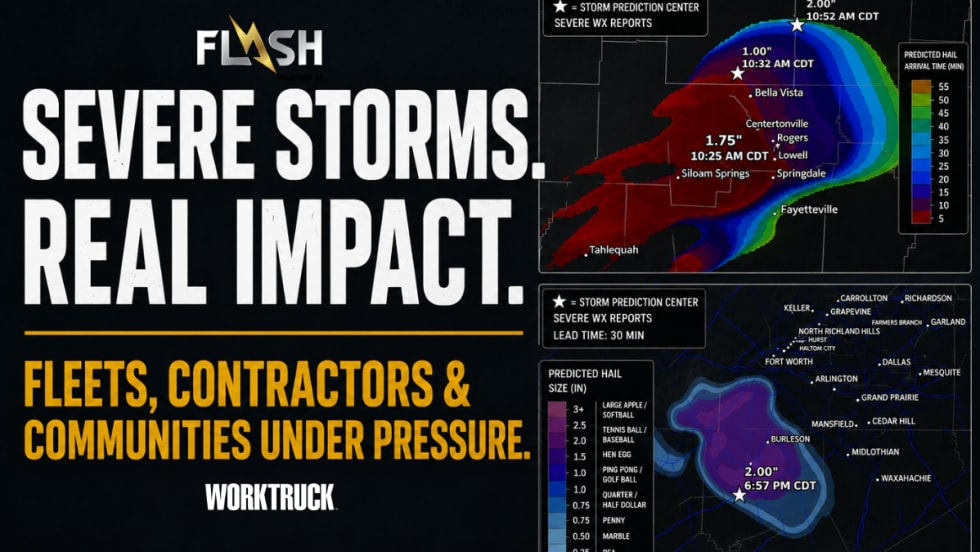
Severe Storms Are Reshaping Recovery Operations for Contractors and Work Truck Fleets
Hailstorms are creating costly new challenges for work truck fleets, from damaged onboard tech to longer recovery timelines and tactical storm planning.
Read More →
After the Storm Clears: Why Cargo Risk Spikes During Disaster Recovery
When the storm ends, cargo theft risk can spike. Here’s why the restart phase is the danger zone and what fleets can do to stay ahead.
Read More →
Your Suppliers Are Part of Your Disaster Plan
Your suppliers can make or break disaster response. Here’s how fleets can reduce vendor risk and keep critical parts flowing when storms hit.
Read More →
When the Process Breaks (Why Fleet Workflows Collapse During Disaster Response)
When disaster hits, fleet workflows don’t collapse all at once. They unravel quietly. Here’s where breakdowns start and how to build resilience before it’s too late.
Read More →
How Federal Disaster Declarations Work and Why Fleet Leaders Need to Know
How federal disaster declarations work and why fleet leaders should care about funding, reimbursements, infrastructure repairs, and recovery timelines.
Read More →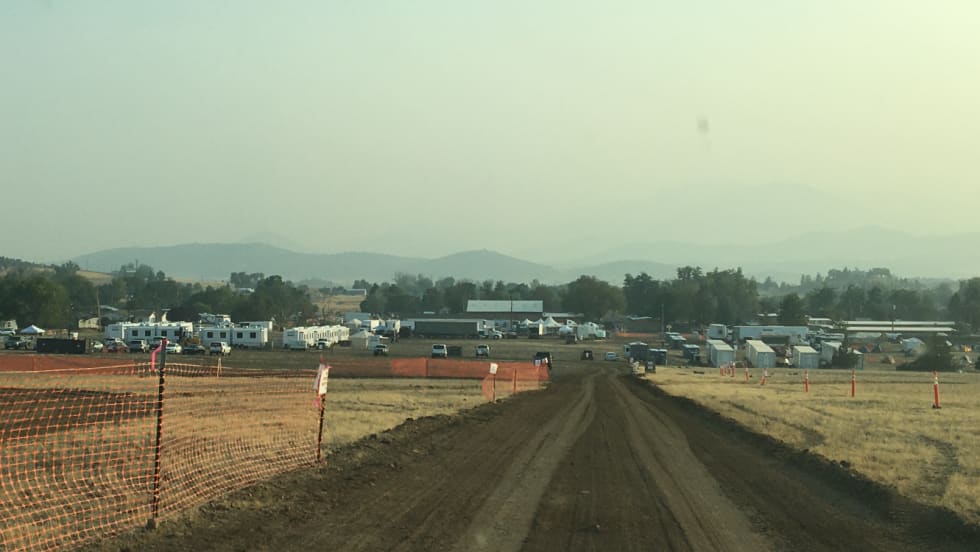
Disaster Readiness Is Not a Fleet Count, It’s a Stress Test of the Whole System
Fleet readiness isn’t about your vehicle count. It’s about condition, capacity, and whether your system can actually perform under stress.
Read More →
Disaster-Proofing Fleet Operations: How to Maintain Uptime When Conditions Are Anything but Normal
When disaster strikes, fleet uptime depends on prep, mobile maintenance, clear visibility, and disciplined execution before, during, and after the event.
Read More →