




Freightliner M2 112 Goes All-Natural
Portland, Ore.-based Freightliner introduces the Business Class M2 112 NG, its first natural gas-powered truck. 2010 EPA emissions-compliant, the truck is targeted for natural gas utilities, port operations, and municipalities.

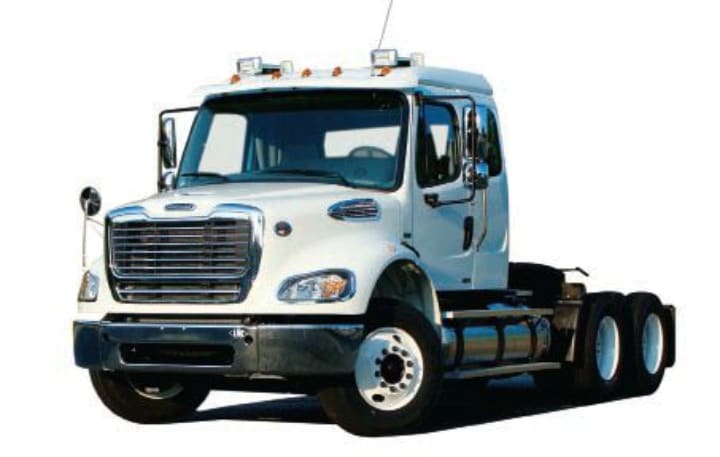
Business Class M2 112
Photo: Freightliner
Studies show an estimated $6,000 can be saved in annual fuel and operating costs per truck with the use of natural gas technology. Freightliner Trucks now offers that option with the new Business Class M2 112 NG chassis, the truckmaker's first natural gas-powered truck.
"The M2 112 is a versatile and hard-working truck, and adding a natural gas option only enhances its efficiency," said Melissa Clausen, director of product marketing for Freightliner Trucks.
Forty of the OEM factory-built M2 112 NG vehicles are currently deployed at the ports of Long Beach and Los Angeles, said Freightliner Western Region Vocational Manager Robert Carrick. The truck is targeted at port operations, natural gas utilities, and municipalities.
EGR Engine Cuts NOx
To reduce emissions, the M2 112 NG, which is mated to an Allison 3000 HS automatic transmission, features the ISL G engine, supplied by Cummins Westport. The 8.9L stoichiometric cooled-exhaust gas recirculation (EGR) engine lowers nitrogen oxide emissions by 85 percent.
Already meeting 2010 EPA standards, no further technology or aftertreatment is required.
The ISL G, available in ratings up to 320 hp, features a maintenance-free exhaust system with a three-way catalyst. Additionally, Freightliner has designed easy access to the engine. Commonly inspected components are placed within easy technician reach; see-through tanks reduce inspection time, and a removable floor section allows transmission access for hassle-free service.
Aluminum Cab Standard
Featuring a 2,500-square-inch windshield and up to a 55-degree wheel cut, the M2 112 NG provides excellent visibility and maneuverability, according to Freightliner. With frames of up to 3.7 million resisting bending moment (RBM) and 1,200 square-inch radiators, the truck features a lightweight aluminum cab and doors that maximize payload and resist corrosion. The standard aluminum fuel tanks resist rust.
The natural gas-powered medium-duty work truck, available as a truck or tractor with end-of-frame connectors, offers a GVWR from 33,000 lbs to 80,000 lbs. and optional 20,000-lb. capacity front axles and suspensions.
Additionally, customers have the option of spring or air suspension - including TufTrac and AirLiner rear suspensions rated up to 52,000 lbs.
The M2 112 NG model's efficiently designed dashboard features easy-to- read LED backlit gauges with easy-to-reach controls.
An improved blend-air heating and air-conditioning system now comes standard with the vehicle. According to Freightliner, the system fine-tunes temperature control, while three levels of insulation provide extra protection against noise and climate extremes.
Purchasers of the M2 112 NG are under a complete warranty of the vehicle, including the fuel tanks and plumbing.
'Complete' Lineup Planned
"By the end of 2010, Freightliner will have a complete Cummins Westport-powered lineup with configuration options for more than 90-percent of trucks in North America," said Roe East, president of Cummins Westport.
Additionally, Freightliner also offers a compressed natural gas (CNG) version of the M2 112, CNG single axle tractor, 4x2 and 6x2 truck, and vocational configurations.
"The sooner we start developing an infrastructure around the country to use the abundant supplies of natural gas that we have, the better off we all are," said Carrick.
More Green Fleet

Fleet Forward Conference Introduces One-Day Passes for 2026
New one-day registration gives fleet professionals the flexibility to attend Tuesday, Wednesday, or Thursday, with passes available for $199 through Sept. 18.
Read More →
CALSTART Rebrands as Catalyst Mobility, Will Combine with Forth in 2027
CALSTART has rebranded as Catalyst Mobility and will combine with Forth at the start of 2027. The new organization said it is poised to become one of the world's largest, strongest, and most impactful clean transportation nonprofits.
Read More →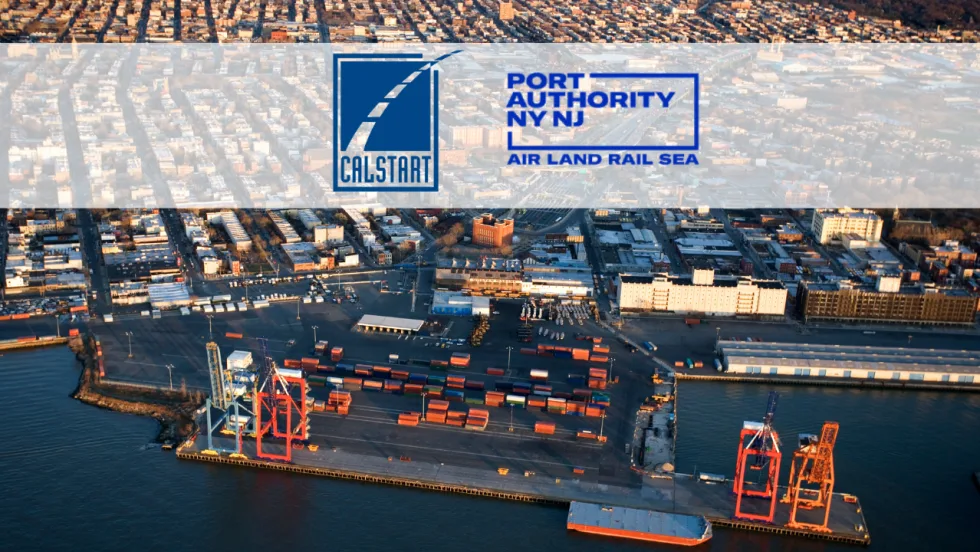
Electric Truck and Charging Programs to Boost Sustainability at NY & NJ Ports
Together, the Port Authority of New York and New Jersey and CALSTART will electrify drayage and terminal operations serving the East Coast’s busiest container port. A pair of incentive programs totaling $45 million has launched to accelerate adoption of zero-emission drayage trucks and terminal tractors.
Read More →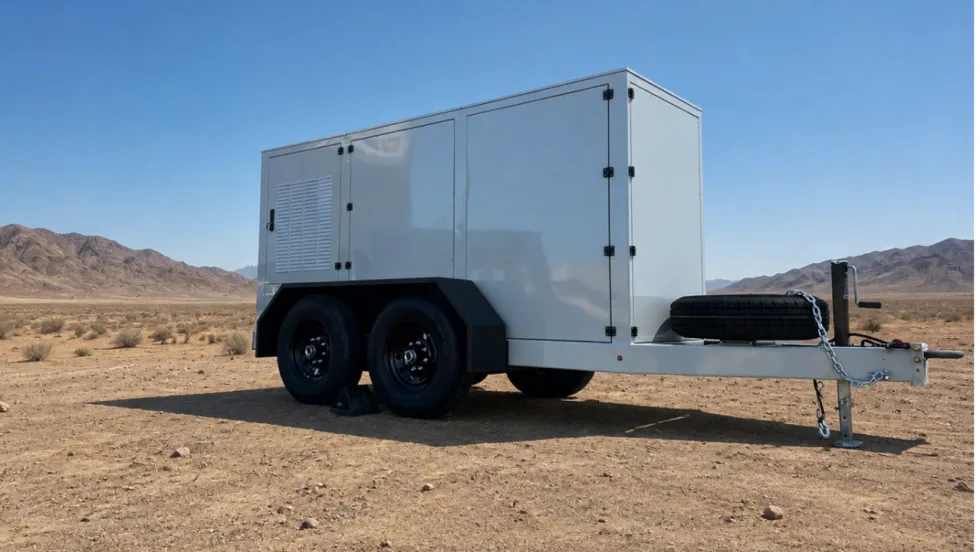
Xos Hub Surpasses One Gigawatt-Hour of Energy Delivered in the Field
A single Xos Hub has surpassed one gigawatt-hour of energy across more than 33,600 charging sessions in the field, demonstrating performance that supports Xos' expansion across new products and markets.
Read More →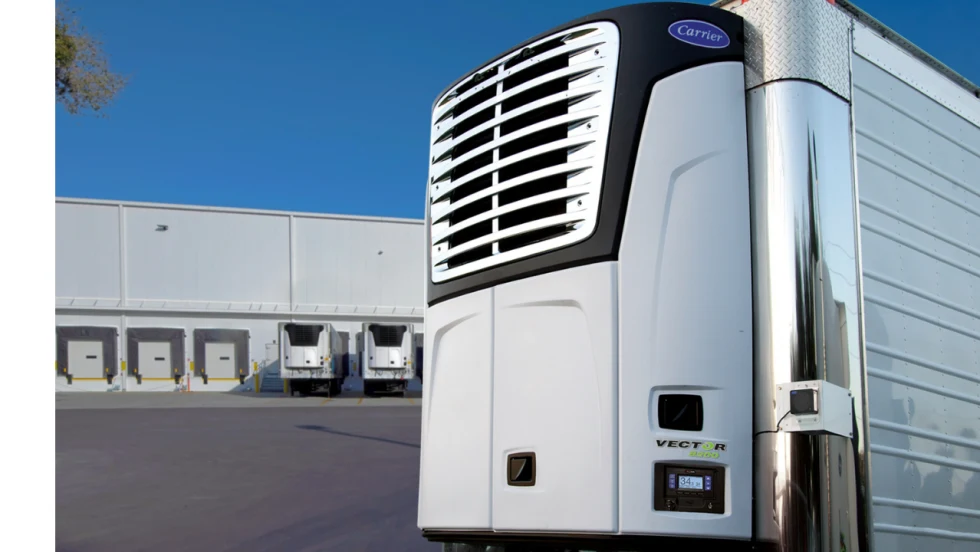
Carrier Transicold Launches All-Electric Vector 8200 TRU for Diesel-Free On-Site Cold Storage
Carrier Transicold’s first engineless multi-temperature TRU helps fresh- and frozen-food fleets add supplemental cold storage capacity during seasonal peaks.
Read More →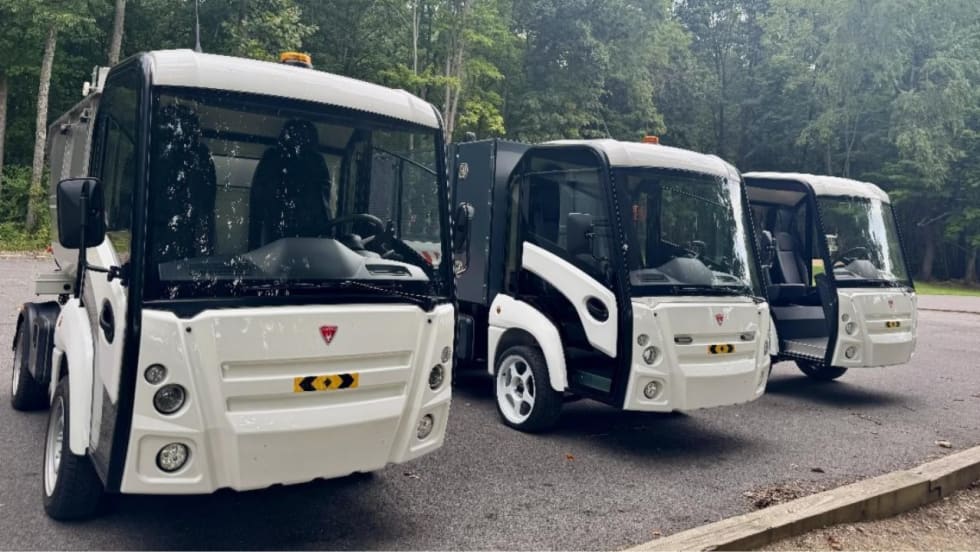
Narro Trucks Introduces Electric Utility Vehicle
Narro Trucks officially launched its operations on Aug. 20 and hosted a ride and drive to showcase its electric truck, which will be produced in Virginia.
Read More →
Samsung SDI Takes Full Control of GM Battery JV as Indiana Plant Pivots to Energy Storage
Samsung SDI is taking full control of its Indiana battery plant with GM, marking a major shift from the EV-focused joint venture Charged Fleet first covered in 2023.
Read More →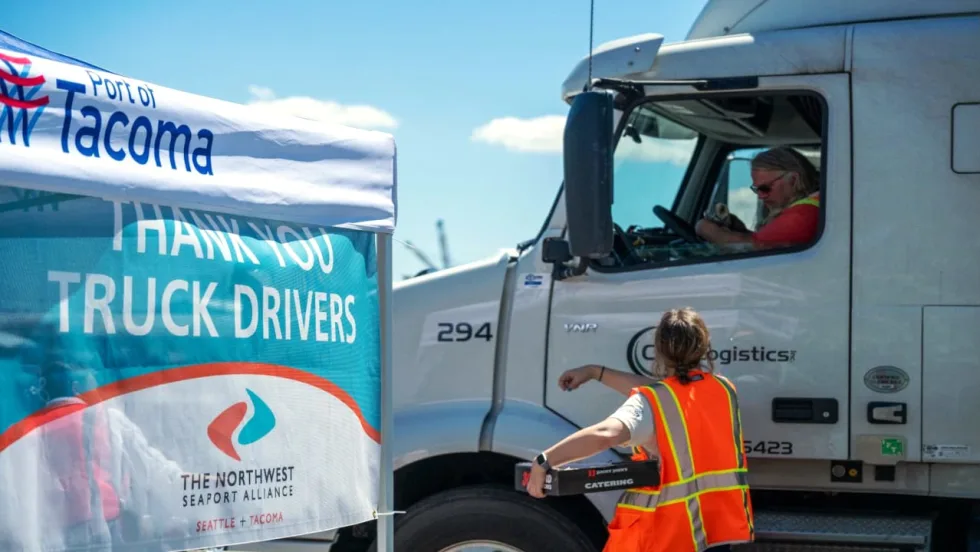
NWSA Taps CALSTART to Administer Zero-Emission Drayage Assistance Program
CALSTART will provide free technical assistance services to drayage fleets serving the Ports of Seattle and Tacoma and looking to transition to cleaner technologies and help decarbonize freight hubs.
Read More →
EV Fleet Reality Check: What Operators Wish They Knew Before Electrifying Their Work Vans
Electric work truck upfits bring new compatibility questions. Learn how parts availability, OEM guidance, power demands, and route planning can affect fleet performance.
Read More →
Peterbilt Expands Sourcewell Partnership with Electric Vehicle Lineup
Peterbilt Motors Company’s cooperative purchasing agreement with Sourcewell and its Canadian partner, Canoe Procurement Group, now includes including Peterbilt's battery-electric vehicle lineup.
Read More →