




This article appeared in the 2021 Connected Fleet Guide, which offers resources to turn connected car data into actionable insights to foster safer and more efficient fleets.
Digging Deeper into Driver Behavior
Move past notions of ‘Big Brother’ watching and use video telematic insights to identify and reward exceptional driving and improve driver safety across the entire fleet.
by Ronnie Wendt
October 4, 2021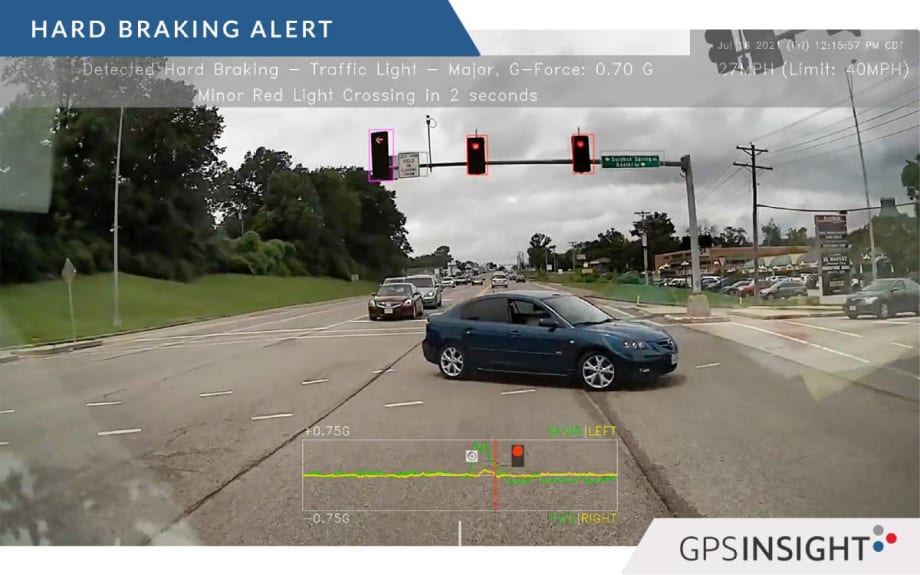
GPS Insight’s Driveri system records video of various incident types, including hard braking. While telematics data would score this as a negative incident, the video footage delivers greater context by showing that the driver swerved to avoid another erratic vehicle.
Image courtesy of GPS Insight
7 min to read
Whether they have installed systems yet or not, most fleet operators understand the benefits of telematics and GPS tracking technology to monitor locations and driver behaviors in areas such as vehicle speed, acceleration, and harsh braking and cornering. The goal, of course, is to identify problems before a crash, reduce liability, and save lives.
Video telematics technology is emerging as a tool to add even greater context to what really happens around incidents recorded by telematics systems, according to findings presented during a seminar at Data Driven Fleet Experience.
Consider the story of Spire Energy, a gas distribution company headquartered in St. Louis, which started installing video cameras in its fleet in 2019.
“Our first thought was having this tool is going to provide a lot of accountabilities, so drivers take safety more seriously,” says David Williams, director of pipeline management. “We thought the mere presence of cameras would cause folks to be less distracted and more accountable for their actions.”
After Spire Energy contracted with GPS Insight to install cameras, the firm discovered it had a lot of distracted drivers who were running red lights and rolling through stop signs — activity other telematics devices cannot capture. The company saw an 85% reduction in distracted driving and a 92% reduction in rolling stops with its camera program.
“Just understanding the leading indicators before it turns into an accident and using data for coaching didn’t require extra manpower to bear a lot of fruit,” Williams explains.
O&G Industries, which became one of the first fleets in the Northeast to embrace video telematics, saw similar results after adding the SmartDrive Program. This video technology helped the fleet empower drivers to practice safe driving habits, such as following speed limits, avoiding distractions, and wearing a seatbelt.
“With our video-based program, the likelihood of injury has been reduced, and our drivers are safer today than they were a few years ago,” says Safety Manager Thomas Halpin. “We expected success in reducing risk, but the complete revamp of our safety culture has been the unexpected win. Now we’re able to use positive reinforcement combined with targeted coaching to further enhance the comprehensive safety program we’ve integrated into our company.”
Video Exoneration
Insurance companies studying telematics and video data have backed up these anecdotal results with data on the significant impact on safety.
Amerisure Insurance partnered with GPS Insight on a study to measure video telematics impact in the areas of acceleration, deceleration, speeding, and hard braking, explains Dave Galbraith, loss control technical lead at Amerisure in Denton, Texas. “The study resulted in total safety event reduction of 22% across the board in frequency and severity of accidents for every 100 miles driven.”
He noted courts award many “nuclear” verdicts today because facts remain unknown. “Cameras provide employees with security in knowing what leads up to accidents and what takes place after them, facts that can clearly exonerate drivers and protect the organization,” says Galbraith.
Using the video data to coach drivers and reward the right behaviors is essential to reducing risk, he adds.
“Through 35 million miles of data, we could identify management teams that were coaching and working with drivers to bring about needed behavioral changes compared to firms that simply installed devices and promised to punish whoever didn’t do well,” says Galbraith.
Getting Employee Buy-In
“At first, there were a lot of raw feelings among our unionized drivers who thought cameras were Orwellian and Big Brotherish,” Williams admits. “They were convinced cameras were part of a conspiracy to get people fired. However, we explained how devices actually protect them.”
It didn’t take long for one supervisor to see that benefit. He had an accident 20 minutes after they installed the cameras, but the video showed it was through no fault of his own. Police were chasing a suspect driving the wrong way down a street when the accident occurred. The suspect fled the scene, and it was captured on camera.
“My supervisor was thrilled not to be under suspicion for doing something wrong,” says Williams. “The problem would have worked itself out in a police report, but that would have taken days before the truth came out.”
Williams reports cameras also help defend drivers against bad actors who deliberately target Spire Energy vehicles by pulling in front of them and slamming on brakes hoping to cause an accident. Rear-end collisions are deemed the fault of the following driver. However, because cameras show everything leading up to a crash, videos can quickly exonerate drivers.
Sometimes smart video highlights previously undetected problems. FleetCam CEO David Isler recalls a situation in which a client installed video then learned of a serious issue with a stellar driver. In-cab video showed the driver dozed off more than five times a night — while cruising along at highway speeds.
“He suffered from sleep apnea and was a ticking time bomb for a major accident,” Isler says. “Our customer coached him, and he got the help he needed to stay alert and safe on the road.”
Benefits aside, fleets cannot solely use video telematics for punitive measures if they want drivers to embrace it. They should also employ it to identify and reward the best drivers. “We’re capturing every minute of driving time so we can identify not only when a driver is compliant with laws and policies but when they demonstrate exceptional driving,” says Adam Kahn, president of fleet for Netradyne.
Spire Energy also rewards drivers and celebrates their safety success. For example, drivers who have fewer point deductions for good driving are invited to share their best practices with other staff. “This is not just going to be emails and text messages,” says Williams. “We are going to get successful drivers to stand before their peers to explain what works and what doesn’t.”
Using Artificial Intelligence
Tyler Mortensen, vice president of strategic and government business at GPS Insight, says his company always understood the Big Brother challenges surrounding telematics. Having a visible camera creates an assumption that invasive technology is babysitting the driver. However, data often misses the context.
“Context helps you understand why something happened. Telematics doesn’t do that, but video can,” he explains. “A hard braking event is often scored as a negative, but, in a lot of instances, context shows it in a more positive light.”
For example, telematics data could show that a fleet driver sped up and swerved suddenly just before a crash. That data alone may seem damning to the driver, but a video recording of the incident could show that the driver swerved to avoid another erratic vehicle, for instance.
“Cameras can capture specific driver maneuvers that are safe and should be recognized,” says Mortensen. “They not only focus on events that could lead to accidents, but they also show an employee driving 1,000 minutes last week when 90% of them were incident-free safe driving. Or he came to a complete stop 75 times in a row.”
However, managers can’t commend good behavior if they can’t capture it because they lack time to review hundreds of hours of raw footage.
But computers can! Artificial intelligence can be programmed to analyze raw footage and draw attention to key events. If it detects a problem, it can automatically send an alert to managers or issue a verbal warning to drivers about their unsafe behavior.
Computers can quickly count problems over a specific period, and that data can be useful in commending good driving or coaching staff about unsafe maneuvers.
Often, putting data in front of drivers can push positive change because they know what changes they need to make. If a supervisor must discuss the concerns, there is a highlight reel of video compiled by artificial intelligence compiled without reviewing thousands of hours of video data.
“This can flip safety management upside down,” says Mortensen. “It is all about automating data and empowering drivers to make decisions to improve safety on their own and following up with a coaching conversation when necessary.”
Difficult Conversations
Having video data makes difficult conversations easier because it involves black-and-white information that isn’t subject to interpretation. Showing evidence leaves emotion out of a situation, says Williams.
If a negative action needs to take place, at least drivers know management made the decision with objective evidence and not a subjective bias, he adds.
Video data also offsets a negative discussion by allowing managers to point out what a driver is doing right to encourage more of that behavior. For example, in older systems in which video only captures 15 to 30 seconds around an accident, the cameras miss hours of examples showing what the driver is doing right as well as where improvements can be made.
“We can celebrate little victories when they create a competitive, positive environment,” says Williams. “Celebrating victories is the secret sauce to implementing change.”
Reducing accidents and avoiding troubling court rulings is certainly a key benefit of using video telematics, says Williams. However, it goes beyond investing X dollars to pay for a Y reduction in accidents.
“Safety is one of our company’s core values. We don’t want our customers and neighbors to be adversely affected by our company. We also want employees to go home the same way they came to work that day,” he adds.
About the author: Ronnie Wendt operates In Good Company Communications, a copywriting business that specializes in technology topics in the automotive, industrial, and software industries.
Originally posted on Automotive Fleet
Subscribe to Our Newsletter
More Technology
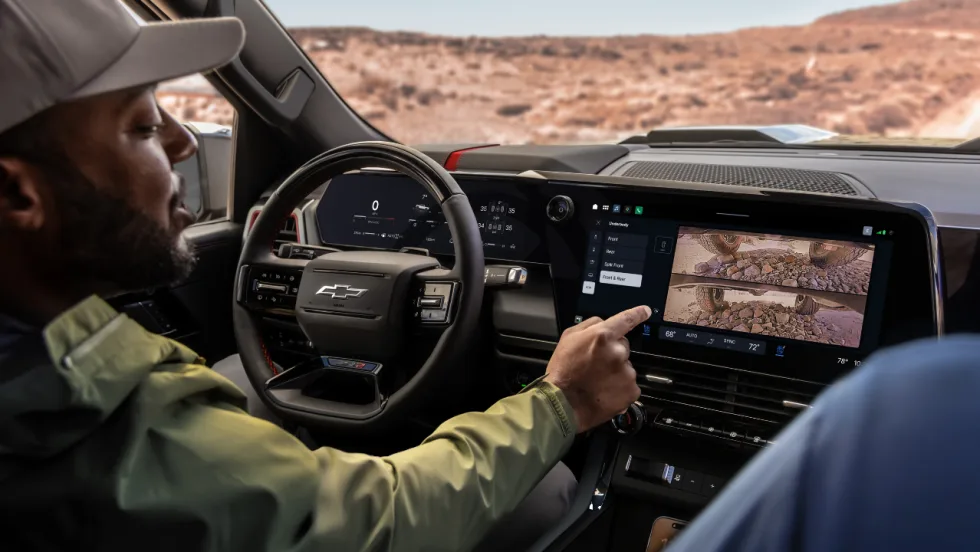
GM Brings New Truck Focused Interface to 2027 Silverado and Sierra
GM's new pickup interface puts trailering data, camera views, vehicle controls, and smartphone integration closer to the driver in the 2027 Silverado and Sierra.
Read More →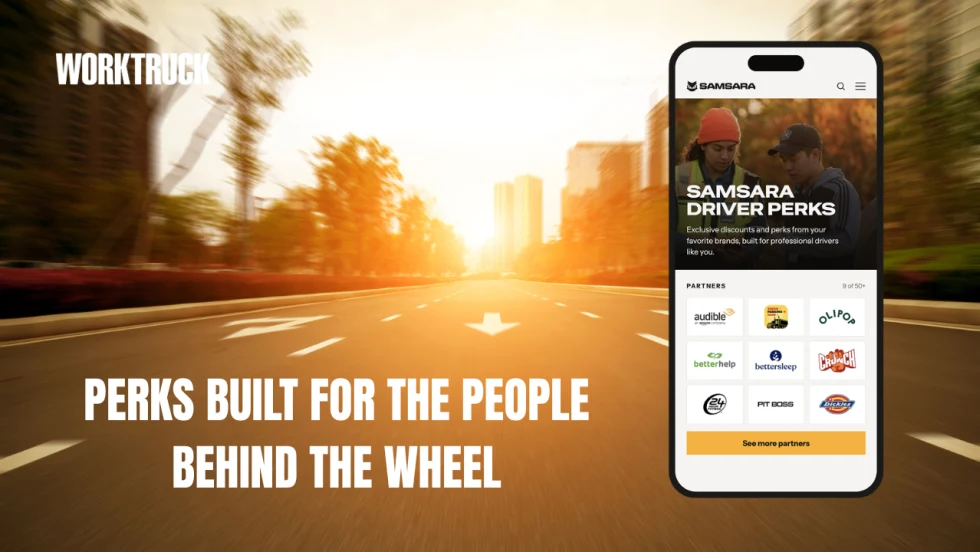
Samsara Driver Perks Expands Rewards Beyond the Long Haul Driver
Samsara’s new driver rewards program was built with a broader professional driver in mind, including employees who split their day between driving, job sites, service calls, and other work.
Read More →
AI Service Advisor Aims to Cut Fleet Repair Downtime
Fleetio said its AI Service Advisor can help fleets cut repair downtime by an average of 2.5 hours per repair while reducing manual maintenance work.
Read More →
Verra Mobility Launches AI-Driven Title & Registration Solution
Verra Mobility has launched a new AI-driven Title & Registration platform to help fleets move vehicles from acquisition to the road the same day while reducing compliance risk.
Read More →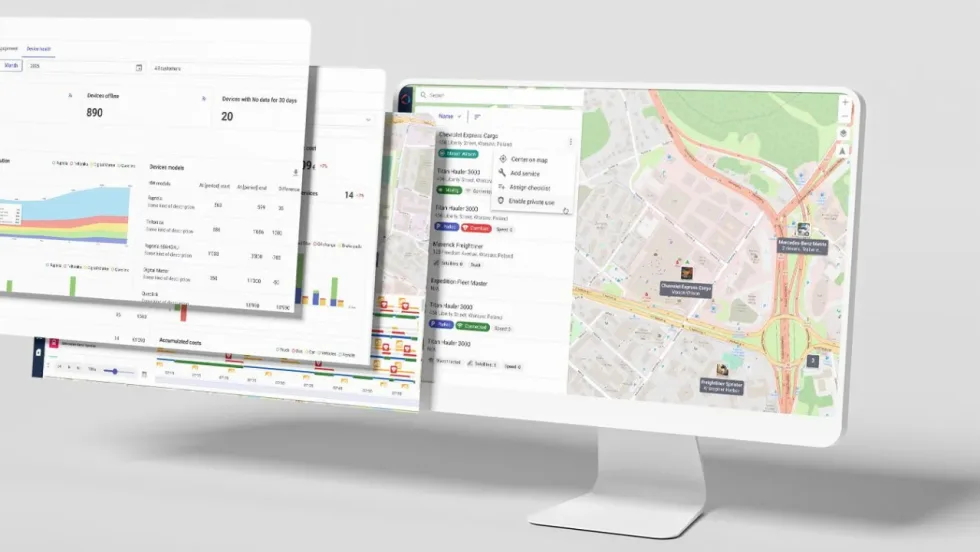
Wialon Unlocks OEM Data to Give Fleet Owners Data Ownership & Operational Clarity
Wialon has introduced hardware-free OEM integration as the EU Data Act accelerates the shift in vehicle data access across the fleet industry in many countries.
Read More →
Teletrac Navman Promotes New CEO from Within
Teletrac Navman’s next CEO, Ricardo Buranello, has served as the company’s chief financial and operating officer. He brings deep financial and operational expertise, a strong strategic orientation, and an intimate knowledge of the business to his new role.
Read More →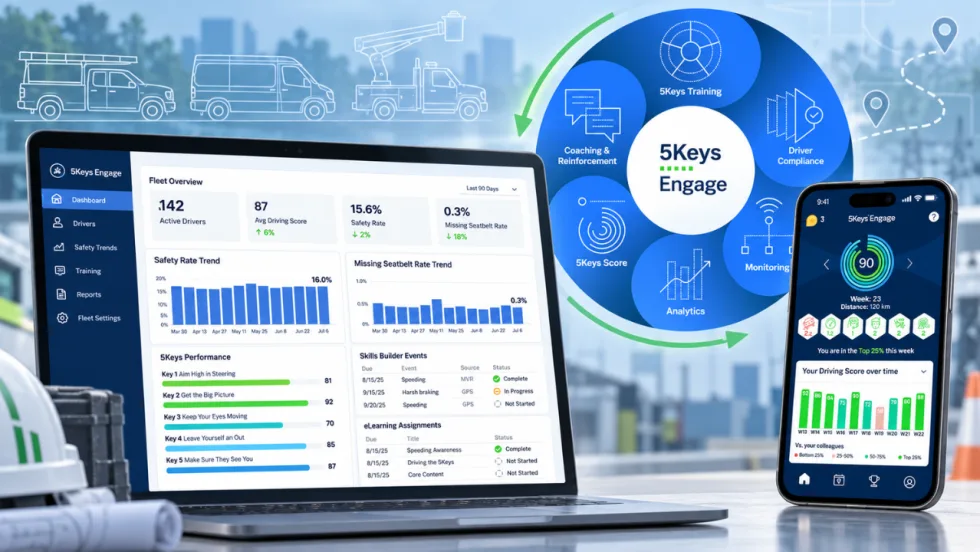
Smith System Wants Work Truck Fleets to Look Beyond the Driver Alert
Smith System’s new Driver Risk Management program is built to help mixed work truck fleets turn telematics alerts and observations into specific behaviors, coaching actions, and measurable follow-up.
Read More →
Ford Pro Software Updates: August 26
Check out the latest Ford Pro software updates, including Google Maps integration, Remote Vehicle Alarm integration, Motor Pool for easier management of shared pool vehicles, and more.
Read More →
Where AI Is Actually Saving Fleet Managers Time
AI is moving past the buzzword stage and into the daily fleet workflow. Fleetio’s Brianna Perry Lang breaks down where fleets are seeing real time savings, from maintenance and data entry to repair decisions, safety, and compliance
Read More →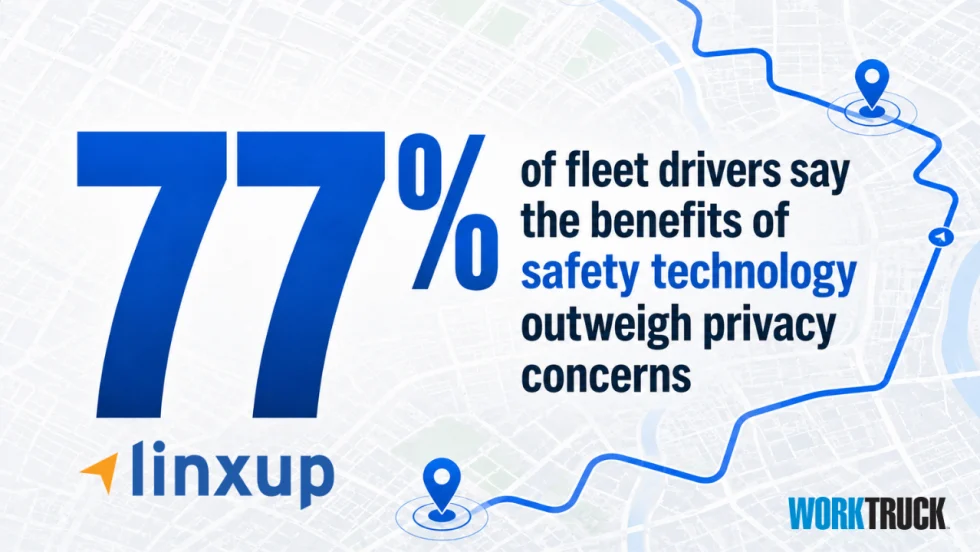
Are Work Truck Drivers Warming Up to Dash Cams and GPS Tracking?
A new survey finds field-service drivers may be more comfortable with dash cams and GPS tracking than fleet managers think, especially when the technology helps protect them after a crash.
Read More →