





Dig Deeper: 9 Innovative Uses for Telematics
Debunking Common Geofencing Misconceptions for Fleet Managers
As technology matures, misconceptions can creep in. Let's debunk these myths and enhance your geofencing knowledge.
September 26, 2023
Embracing geofencing with accurate information can lead to more informed decision-making and benefit the entire fleet operation.
Photo: Work Truck
2 min to read
Geofencing, often misunderstood as a simple tracking tool, is a prime example of an underutilized resource in the toolkit of fleet managers.
Unravel the geofencing misconceptions and learn how it can revolutionize your fleet operations.
Misconception 1: Geofencing is Only About Location Tracking
Geofencing is often misconstrued as a mere tracking tool. While it does monitor vehicle locations, it offers much more.
Geofencing enables fleet managers to set virtual boundaries, or "geofences," around specific areas. These boundaries trigger automated actions when a vehicle enters or exits them, providing various functionalities beyond location tracking.
Misconception 2: Geofencing is Complicated to Implement
Some fleet managers may be hesitant to adopt geofencing due to perceived complexity. However, modern geofencing solutions are user-friendly and easily integrated into fleet management systems.
Modern geofencing technology often comes with intuitive interfaces that allow managers to create geofences, define rules, and set up alerts with minimal effort.
Misconception 3: Geofencing is Only for Large Fleets
Another common misconception is that geofencing is suitable only for large fleets. Geofencing can benefit fleets of all sizes.
Small and medium-sized fleets can leverage geofencing to optimize routes, monitor driver behavior, and enhance security. It's a scalable solution that can be tailored to the specific needs of any fleet.
Misconception 4: Geofencing is an Invasion of Privacy
Privacy concerns often deter fleet managers from embracing geofencing. However, it's crucial to understand that geofencing can be implemented responsibly.
Fleet managers can use geofencing data solely for operational purposes, ensuring that the focus remains on improving efficiency and safety rather than invading drivers' privacy.
Misconception 5: Geofencing Is Expensive
While an initial investment is involved in implementing geofencing, it's essential to consider the long-term benefits. Geofencing can save significant costs by reducing fuel consumption, minimizing unauthorized vehicle use, and enhancing overall fleet productivity.
The return on investment often outweighs the initial costs.
Misconception 6: Geofencing Is a One-Size-Fits-All Solution
Geofencing can be customized to meet the unique needs of each fleet. It's not a rigid, one-size-fits-all solution.
Fleet managers can define geofences for specific areas, such as customer locations, depots, or high-risk zones. This customization ensures that geofencing aligns with the fleet's goals and operational requirements.
Keep Trucking Smarter
Geofencing is a valuable tool for modern commercial fleet managers, but it's essential to separate fact from fiction. By debunking these common misconceptions, fleet managers can better understand the true potential of geofencing in improving efficiency, safety, and overall fleet performance.
Embracing geofencing with accurate information can lead to more informed decision-making and benefit the entire fleet operation.
Subscribe to Our Newsletter
More Technology
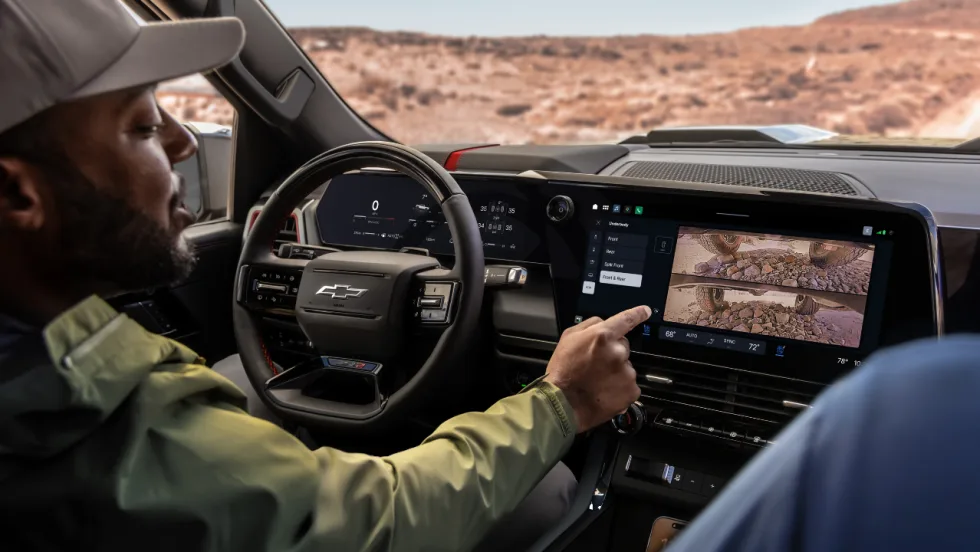
GM Brings New Truck Focused Interface to 2027 Silverado and Sierra
GM's new pickup interface puts trailering data, camera views, vehicle controls, and smartphone integration closer to the driver in the 2027 Silverado and Sierra.
Read More →
Samsara Driver Perks Expands Rewards Beyond the Long Haul Driver
Samsara’s new driver rewards program was built with a broader professional driver in mind, including employees who split their day between driving, job sites, service calls, and other work.
Read More →
AI Service Advisor Aims to Cut Fleet Repair Downtime
Fleetio said its AI Service Advisor can help fleets cut repair downtime by an average of 2.5 hours per repair while reducing manual maintenance work.
Read More →
Verra Mobility Launches AI-Driven Title & Registration Solution
Verra Mobility has launched a new AI-driven Title & Registration platform to help fleets move vehicles from acquisition to the road the same day while reducing compliance risk.
Read More →
Wialon Unlocks OEM Data to Give Fleet Owners Data Ownership & Operational Clarity
Wialon has introduced hardware-free OEM integration as the EU Data Act accelerates the shift in vehicle data access across the fleet industry in many countries.
Read More →
Teletrac Navman Promotes New CEO from Within
Teletrac Navman’s next CEO, Ricardo Buranello, has served as the company’s chief financial and operating officer. He brings deep financial and operational expertise, a strong strategic orientation, and an intimate knowledge of the business to his new role.
Read More →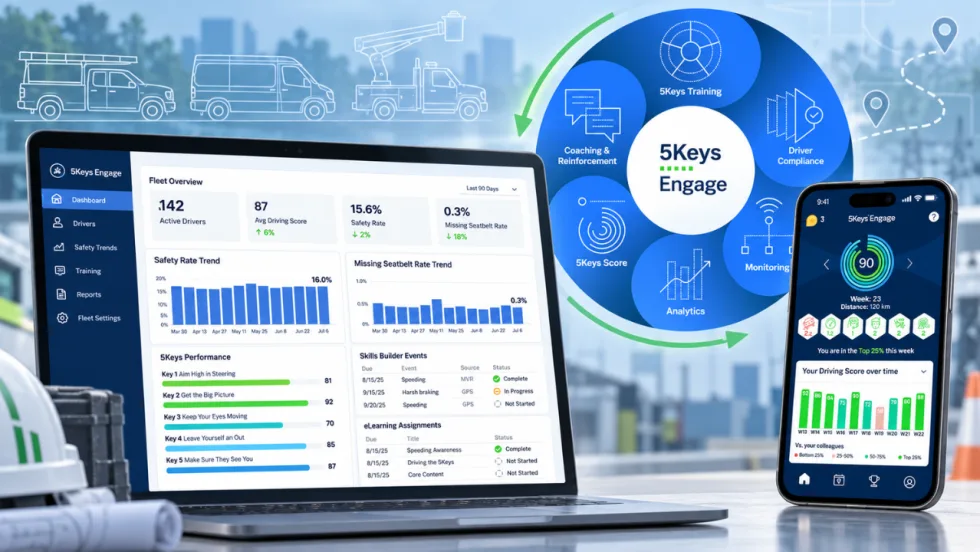
Smith System Wants Work Truck Fleets to Look Beyond the Driver Alert
Smith System’s new Driver Risk Management program is built to help mixed work truck fleets turn telematics alerts and observations into specific behaviors, coaching actions, and measurable follow-up.
Read More →
Ford Pro Software Updates: August 26
Check out the latest Ford Pro software updates, including Google Maps integration, Remote Vehicle Alarm integration, Motor Pool for easier management of shared pool vehicles, and more.
Read More →
Where AI Is Actually Saving Fleet Managers Time
AI is moving past the buzzword stage and into the daily fleet workflow. Fleetio’s Brianna Perry Lang breaks down where fleets are seeing real time savings, from maintenance and data entry to repair decisions, safety, and compliance
Read More →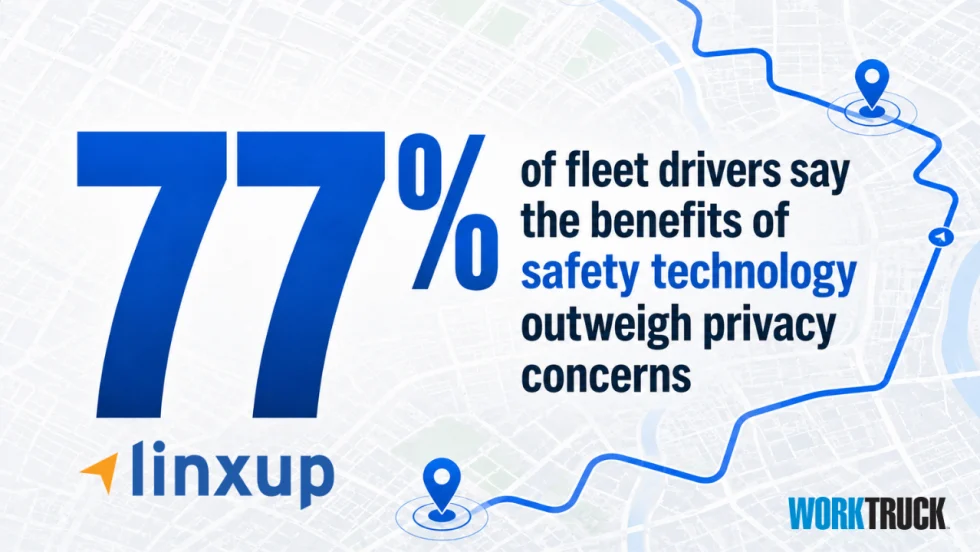
Are Work Truck Drivers Warming Up to Dash Cams and GPS Tracking?
A new survey finds field-service drivers may be more comfortable with dash cams and GPS tracking than fleet managers think, especially when the technology helps protect them after a crash.
Read More →