




Want More? Why These Fleets Use Renewable Diesel Fuel
Converting to Biodiesel: A Green Case Study
A contractor for a major mall renovation has switched to 100% biodiesel in his vehicles.
by Daryl Lubinsky
November 1, 2007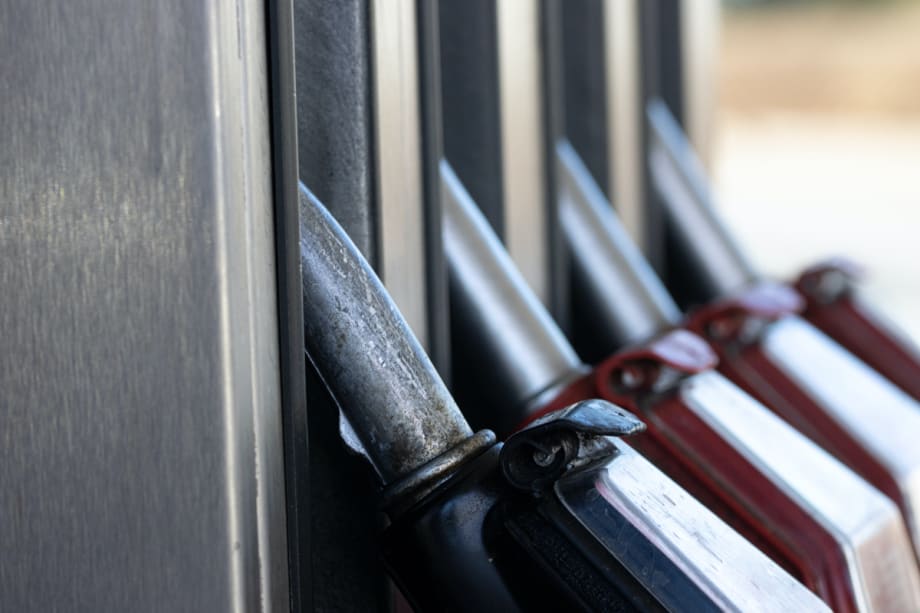
Destiny USA announced in June that all equipment operating on the job site runs on 100% soy-based biodiesel.
Photo: Marek Studzinski/Unsplash
5 min to read
Charlie Manfred has seen several benefits to working with biodiesel-fueled vehicles and equipment instead of regular diesel fuel. Manfred is project manager for Syracuse, New York-based A.P. Reale, a company doing excavation work and paving for Destiny USA’s expansion of the nearby Carousel Center.
Rather than relying on foreign oil, Manfred’s company fuels its fleet of vehicles and equipment with biodiesel, created from soy and other natural products.
The cleaner-burning biodiesel emits substantially less carbon monoxide. Instead of breathing harmful diesel fumes all day, Manfred works at a site that smells like, well, french fries.
"When you’re working around so many pieces of equipment, the fuel that we’re burning, basically you’re working around a big deep frier," Manfred says. "When you work around diesel-burning equipment, it’s usually annoying. And you can develop a headache just from breathing it."
Manfred says using biodiesel has made a huge impact on the Carousel Center site. The first phase is a 1.3-million-square-foot expansion. The center currently has major tenants such as Macy’s and JCPenney, but will eventually become a two-million square-foot destination site that will include hotels, dining, and entertainment. The center aims to be a "green" site that causes as little disruption to the environment as possible.
Destiny USA announced in June that all equipment operating on the job site runs on 100% soy-based biodiesel, or B-100. Biodiesel can be used as a pure fuel or blended with petroleum in any percentage. Biodiesel can also be made from vegetable oils, animal fats, or recycled restaurant greases.
Building Site Free of Fossil Fuels
Destiny USA develops malls in the northeastern U.S. Robert Congel, founder of Destiny USA, envisioned a destination center that operated without fossil fuels. The Carousel Center expansion began in March, and Destiny USA acquired more than $1 billion in federal green bonds for projects that meet certain environmental requirements, such as using recycled materials, implementing solar energy use, and adopting water conservation measures.
Congel then came up with the idea to not only construct a green building, but to build it that way as well. One aspect of this green initiative was fleet, and all the bulldozers, steamrollers, pavers, dump trucks, and other vehicles necessary for a project of this magnitude.
"You have to step back and look at everything you’re doing and think of how to make it greener," said Melissa Perry, director of sustainability for Destiny USA. "We knew biodiesel was a possibility for diesel engines. We knew that’s one of the most polluting pieces of building a project."
The Destiny project is using soy-based biodiesel because the soy doesn’t gel as quickly in cold climates.
Addressing Biodiesel Challenges
Destiny USA met with engine manufacturers, equipment suppliers, and contractors to discuss plans to use 100% biodiesel in its vehicles and equipment. Doubts persisted among the groups in those meetings because of the challenges associated with biodiesel use.
Manfred says vehicle manufacturer warranties will not allow running a vehicle with more than a 20% blend of biodiesel. "Our company has stepped up to the plate," Manfred said. "We voided warranties, obviously, but we said we’ll give it a shot."
Manfred says he had heard about the various reported problems associated with using biodiesel. Perry says that biodiesel is basically a detergent, and it will clean out an engine. However, residue buildup will run through the engine, which could cause performance problems. Biodiesel is also purported to degrade natural rubber, requiring replacement of rubber engine parts more often when using the fuel.
To address those problems, Destiny USA started out using B-5, or 5% biodiesel. After 3,000 gallons, the equipment began using B-20, which is the cutoff point for many engine manufacturers. Destiny operated equipment on the B-20 level for about 18,000 gallons and then jumped to B-50. In June, Destiny USA announced that all its vehicles and equipment were operating on B-100, or 100% biodiesel. Through the duration of construction, Destiny USA expects that nearly 100 different construction vehicles will run on biodiesel.
Manfred said he heard reports that biodiesel can cause a 10% loss in horsepower, but has not found that to be true. The engine manufacturers also recommended that he keep a large supply of fuel filters on hand, because biodiesel would cause them to be replaced often. He also heard suggestions that he convert any rubberized fuel lines on the equipment to steel lines. But that hasn’t been necessary yet either, he says.
"Aside from regular maintenance, and we’re approaching 40,000 gallons of fuel through this equipment, we have experienced only one clogged filter, and we can’t even relate that to the biofuel because that’s common in diesel fuel as well," Manfred says.
As a precaution, the company has increased the scheduled maintenance on the vehicles and equipment from every 250 hours of service to every 100 hours. The company is also sending oil samples, taken every 100 hours of service, to a testing lab to check for metals in the oil or any kind of engine wear.
"We feel that the data we can collect from this project is valuable to not only us but other contractors as well who may be eager to switch to these fuels," Manfred says.
Another challenge is that the fuel can be more expensive. Tax credits are available for mixing biodiesel with regular diesel, but no tax credits are available for using 100% biodiesel, Perry says.
However, companies with green initiatives are reaping the benefits of "eco-marketing." Developers gain tax credits or tax-free "green bonds" to cut air pollution emissions from new buildings. Though biodiesel is not required to qualify for the bonds, many developers will seek out contractors with green fleets for their projects. One Washington-based excavator reports 15% more business because he uses biodiesel in his fleet and equipment.
Destiny USA reports that over the 18-month construction period, Destiny USA’s use of clean 100% renewable energy will reduce greenhouse gas pollution by 67%. Particulate matter will be reduced by 47%, according to a technical report released by the Environmental Protection Agency.
For companies thinking of trying biodiesel in their vehicles, Manfred advises experimenting by adding biodiesel to one piece of equipment first.
Subscribe to Our Newsletter
More Green Fleet

Fleet Forward Conference Introduces One-Day Passes for 2026
New one-day registration gives fleet professionals the flexibility to attend Tuesday, Wednesday, or Thursday, with passes available for $199 through Sept. 18.
Read More →
CALSTART Rebrands as Catalyst Mobility, Will Combine with Forth in 2027
CALSTART has rebranded as Catalyst Mobility and will combine with Forth at the start of 2027. The new organization said it is poised to become one of the world's largest, strongest, and most impactful clean transportation nonprofits.
Read More →
Electric Truck and Charging Programs to Boost Sustainability at NY & NJ Ports
Together, the Port Authority of New York and New Jersey and CALSTART will electrify drayage and terminal operations serving the East Coast’s busiest container port. A pair of incentive programs totaling $45 million has launched to accelerate adoption of zero-emission drayage trucks and terminal tractors.
Read More →
Xos Hub Surpasses One Gigawatt-Hour of Energy Delivered in the Field
A single Xos Hub has surpassed one gigawatt-hour of energy across more than 33,600 charging sessions in the field, demonstrating performance that supports Xos' expansion across new products and markets.
Read More →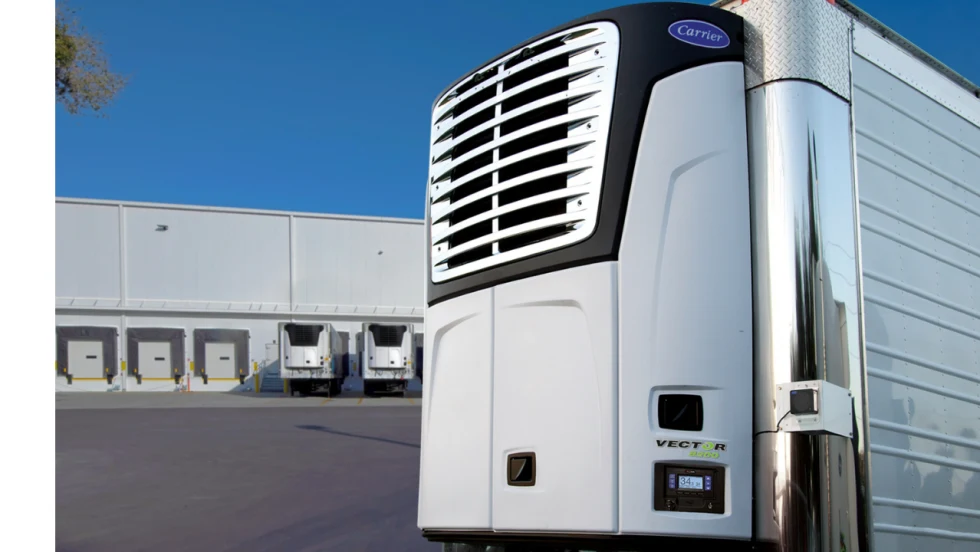
Carrier Transicold Launches All-Electric Vector 8200 TRU for Diesel-Free On-Site Cold Storage
Carrier Transicold’s first engineless multi-temperature TRU helps fresh- and frozen-food fleets add supplemental cold storage capacity during seasonal peaks.
Read More →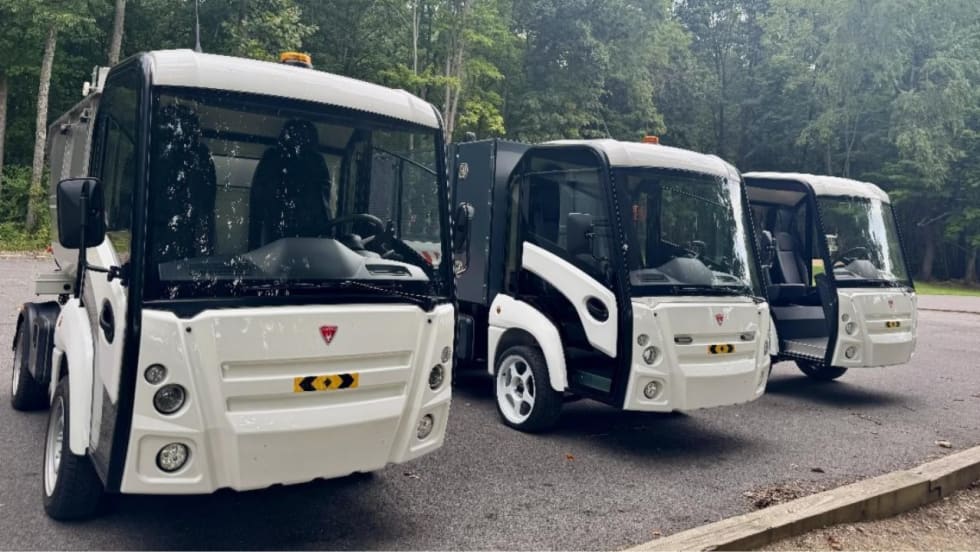
Narro Trucks Introduces Electric Utility Vehicle
Narro Trucks officially launched its operations on Aug. 20 and hosted a ride and drive to showcase its electric truck, which will be produced in Virginia.
Read More →
Samsung SDI Takes Full Control of GM Battery JV as Indiana Plant Pivots to Energy Storage
Samsung SDI is taking full control of its Indiana battery plant with GM, marking a major shift from the EV-focused joint venture Charged Fleet first covered in 2023.
Read More →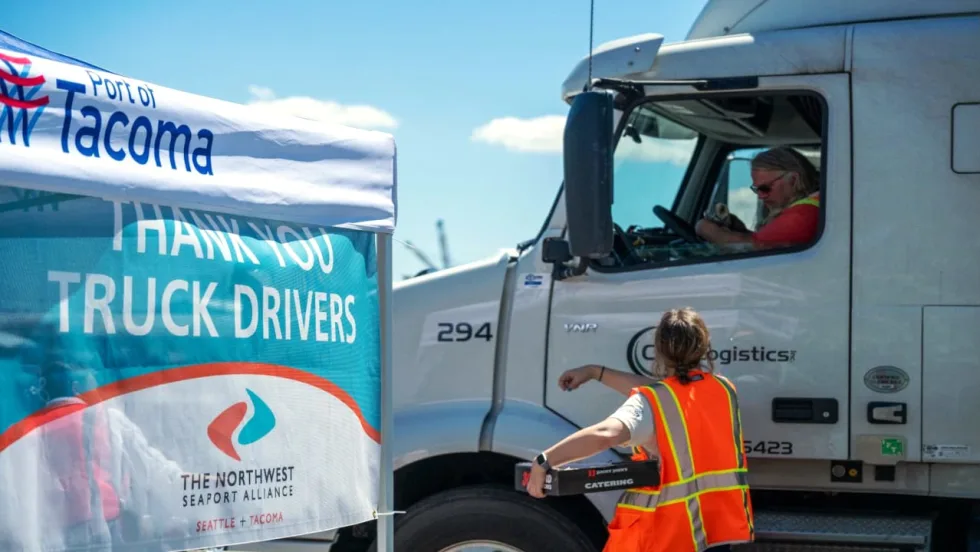
NWSA Taps CALSTART to Administer Zero-Emission Drayage Assistance Program
CALSTART will provide free technical assistance services to drayage fleets serving the Ports of Seattle and Tacoma and looking to transition to cleaner technologies and help decarbonize freight hubs.
Read More →
EV Fleet Reality Check: What Operators Wish They Knew Before Electrifying Their Work Vans
Electric work truck upfits bring new compatibility questions. Learn how parts availability, OEM guidance, power demands, and route planning can affect fleet performance.
Read More →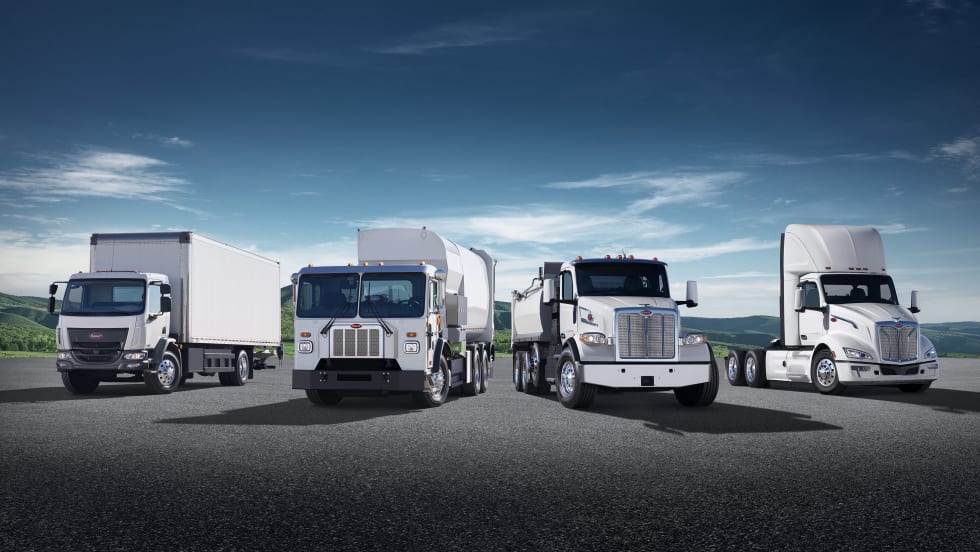
Peterbilt Expands Sourcewell Partnership with Electric Vehicle Lineup
Peterbilt Motors Company’s cooperative purchasing agreement with Sourcewell and its Canadian partner, Canoe Procurement Group, now includes including Peterbilt's battery-electric vehicle lineup.
Read More →