





Related: Why Aerial Work Inspections Matter
Checked Your Lug Nuts Lately?
Checking the lug nuts on a commercial motor vehicle should be a part of a Daily Vehicle Inspection Report (DVIR). Indicators of a loose lug nut could be shiny metal or new rust. If the lug nut is less than hand-tight, the rim could come off.
July 15, 2011
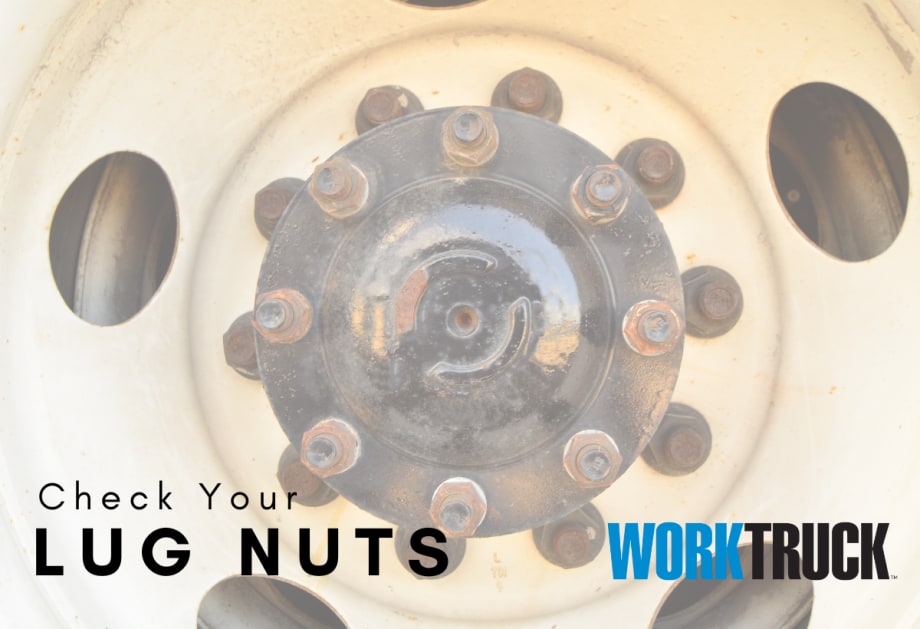
Each time a vehicle stops, a walk around should be conducted. Look for any items that may be out of place or failed equipment. The purpose of these checks is to identify issues before they become a major problem.
Photo: Canva
7 min to read
At the end of the day, commercial motor vehicle drivers do not want to be involved in an accident, break down, or be placed "out of service" due to poor maintenance. By conducting proper and thorough vehicle inspections, drivers can maximize safety and minimize the risk of mechanical failure. By catching mechanical problems early, the driver can reduce the likelihood of major costly repairs or an accident caused by a preventable mechanical failure. As the saying goes, "an ounce of prevention is worth a pound of cure."
Driver vehicle inspections are not only a best practice but are required by the Federal Motor Carrier Regulations (FMCSR). There are three types of inspections:
Pre-trip inspections (FMCSR Sec. 392.7 & Sec. 396.13): conducted prior to operation of a vehicle.
On-the-road inspection (en-route) (FMCSR Sec. 392.9): conducted while driving or stopped.
Post-trip inspection (FMCSR Sec. 396.11): conducted at the end of the shift and includes a completed driver vehicle inspection report (DVIR).
Pre-Trip Inspection
Remember, commercial motor vehicle (CMV) drivers must be satisfied a vehicle is safe to operate. Before starting, chock the wheels and secure the parking brake.
The standard seven-point process typically followed is:
Vehicle overview.
Engine compartment.
Cab.
Lights.
Walk around.
Signal lights.
Brakes.
The inspection should be conducted in a consistent and thorough manner. The best practice is to perform the inspection the same way each time, e.g., front to rear or top to bottom.
Delving further into each point includes key items to be aware of.
Vehicle overview. Walk around the vehicle looking for damage, checking if all items and cargo are secure, if any leaks are evident, that vehicle and trailer tags in place, and the International Registration Plan (IRP) sticker is current. Remember, review the last driver's DVIR and ensure all repairs were conducted.
Engine compartment. Ensure the brake is set and keys are in the driver's pocket. Look inside the engine compartment. Check fluid levels, hoses, and belts for cracks or wear; check if the alternator is loose and the A/C assembly is tight; check turbo, exhaust, and shocks for leaks; check the suspension - tie rods should be tight and look for damage; check brake lines and slack adjusters; check tires and rims - steer tires need more than 4/32-inch of tread depth; check tire pressure and that lug nuts are properly tightened; also, check the air compressor and confirm power steering does not have too much play.
Inside the cab. Look for the registration and insurance card. The best practice is to have a copy of the last Annual Inspection in the vehicle. Fire extinguishers must be up to date. Windows should be clean and operable. Dash gauges and switches should be operable. Safety equipment should include a first-aid kit, triangles, and spare fuses. Seats and seat belts should be adjusted correctly. The steering wheel shouldn't have excessive play, the horn should work, and windshield wipers must be in good condition.
Lights. Check low and high beams, that the flasher is operable, marker lights are working and have no cracks, and that license plate lights are operable.
Walk around. Check the windshield for cracks or chips. Check tires, brakes, and suspension. Adjust mirrors, check steer tires, steps, and that the faring (if applicable) is attached snuggly. Batteries should be checked and ensure fuel tanks are mounted correctly. The airlines from tractor to trailer must be sealed, glad-hand seals must be operable, and the exhaust system should be tight.
Trailer. Ensure lights are working; the king pin, vertical, and horizontal bolts are tight; the fifth wheel is in working order (if applicable); the drive line and shocks are in good shape; landing gear is up and the handle operational; air ride system is functioning (no leaks, drive wheels must have 2/32-inch minimum, check axles, U-Bolts); check brake drums and shoes; rear tires, and ensure mud flaps are within 6 inches of ground. For the back of the trailer, check that the back bumper and stop bar are in good shape, ID markers are present, trailer registration is current, and the inspection sticker is up to date.
Lights. Turn off all other vehicle lights. Turn on left signal light, exit the vehicle and verify proper operation. Repeat for the right signal, then verify brake lights operate. If a helper or other driver is available, ask if they can help - if not, use a surface, such as a building, that would reflect the signal lights.
Brakes. Reduce the potential for failed brakes. Chock wheels to prevent vehicle movement, then turn on the engine to develop air pressure (if equipped with a trailer, release the parking brake and charge the trailer). Once you have more than 100 psi, depress the brake pedal, turn off the engine, and monitor the gauges. If operating a tractor, ensure no more than 3 psi is lost per minute; with a trailer no more than 4 psi per minute. Next, verify the low-pressure indicator activates by turning on the key to release the pressure. The alarm should activate before 60 psi is reached.
The brake should switch from the parking brake to the emergency brake between 20-40 psi. With the vehicle in neutral, restart and run at a normal operating rpm. The vehicle should be at 80-100 psi within 45 seconds. At this point, remove the wheel chocks and verify the parking brake will hold the vehicle. Next, put the vehicle in its lowest gear with the brake on and tug forward with minimum force to ensure the trailer parking brakes hold. Now engage the tractor brake and release the trailer brake, ensuring the tractor brake will hold. Release all parking brakes, roll slowly ahead, and apply foot pedal on service brakes to ensure proper stopping action.
FMCSR 392.8 Emergency Equipment, Inspection & Use
As part of the pre-trip inspection, drivers must also verify they have the proper safety equipment. Items include fire extinguisher, a first-aid kit, and warning triangles.
For a complete list, see: FMCSR subpart H; 393.95 - Emergency equipment on all power units.
On-Road Inspections (FMCSR 392.9)
As with any machine or mechanical device with moving parts, things can go wrong. These items cannot be detected from the driver's seat. This is why the regulations mandate that the driver check the cargo and load securing devices within the first 50 miles of a trip. After this initial inspection, re-checking should be done:
When a change of duty status occurs.
Every three hours or 150 miles, whichever comes first.
Remember to use all senses while driving. Pay attention to the feel, sound, and smells of a vehicle. Keep eyes on the gauges - these may be the first indication of a problem.
At each stop, drivers should conduct a walk around, and look for any items that may be out of place or failed equipment. Remember, anything mechanical can fail at any time. The purpose of these checks is to identify issues before they become a major problem.
Post-Trip Inspection (FMCSR Sec.396.11)
At the close of each work shift, a post-trip inspection is required to identify and fix any items before the vehicle is operated by the next driver. All items should be re-inspected with the exception of devices affected by heat such as hubs, brakes, oil, exhaust system, etc.
Document Post-trip inspections on a Driver Vehicle Inspection Report (DVIr)
The report must cover the components mentioned early in the article - also see FMCSR 396.11 (a) & (b). The driver and the carrier need to certify that any defects have been corrected and that the vehicle is in safe operating condition before it is placed back on the road [396.11(b)]. In regards to document retention, the carrier must retain DVIRs for the preceding 90 days for each vehicle in its control [FMCSR 396.11(c)(2)].
As we all know, safe operation of any commercial motor vehicle is the goal of all professional drivers and the carriers that employ them. The vehicles that are operated are complex and have thousands of moving parts. Taking the needed steps and time to ensure safe operations is key in preventing unwanted expense from break downs and lost revenue do to downed equipment. Additionally, not doing a thorough inspection could result in an injury - or worse, a fatality.
Subscribe to Our Newsletter
More Maintenance
Les Schwab Expands Commercial Tire Footprint Into Arizona
Les Schwab Tires has expanded into Arizona with two commercial tire locations in Phoenix and Tucson, strengthening its fleet service footprint in the Southwest.
Read More →
Volvo Trucks’ 'Lock and Leave' Software Updates Go Live Across North America
Unattended over-the-air software updates are now available in Volvo trucks across the U.S. and Canada. The new capability lets trucks stay current with the latest software without interrupting operations or requiring a dealership visit.
Read More →
Why Technician Appreciation Can’t Be a Once-a-Year Thought
For fleets trying to keep skilled technicians, recognition cannot begin and end with Technician Appreciation Week. Learn what year-round appreciation really looks like and why the everyday technician experience matters just as much as pay when fleets are trying to keep good people.
Read More →
How Faster Driver Reporting Can Keep Small Truck Problems Small
When minor damage, warning lights, or equipment issues are reported late, small problems can quickly become bigger maintenance headaches. Conversational AI can help shorten the path from what a driver notices in the field to the person who can act on it.
Read More →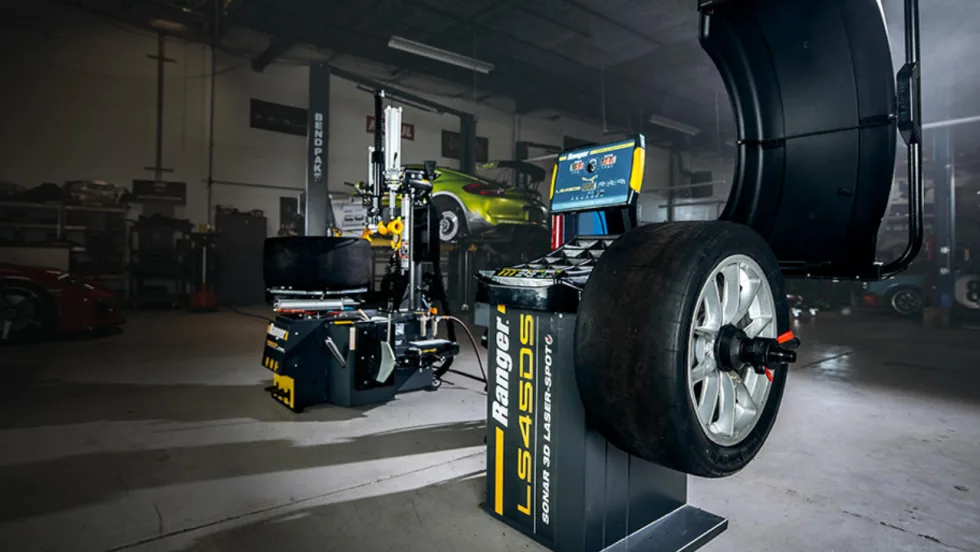
BendPak’s Ranger Wheel Service Equipment Achieves North American Safety Certification
BendPak’s full line of Ranger tire changers and wheel balancers has been ETL certified to UL and CSA standards to improve operator safety.
Read More →
Isuzu & U.S. Department of Labor Celebrate Milestone for Veterans Apprenticeship Program
The Isuzu Veterans Apprenticeship Program (IVAP) signing ceremony highlighted Isuzu’s long-term commitment to veterans, Isuzu dealers, and the skilled workforce supporting its customers and the commercial transportation industry.
Read More →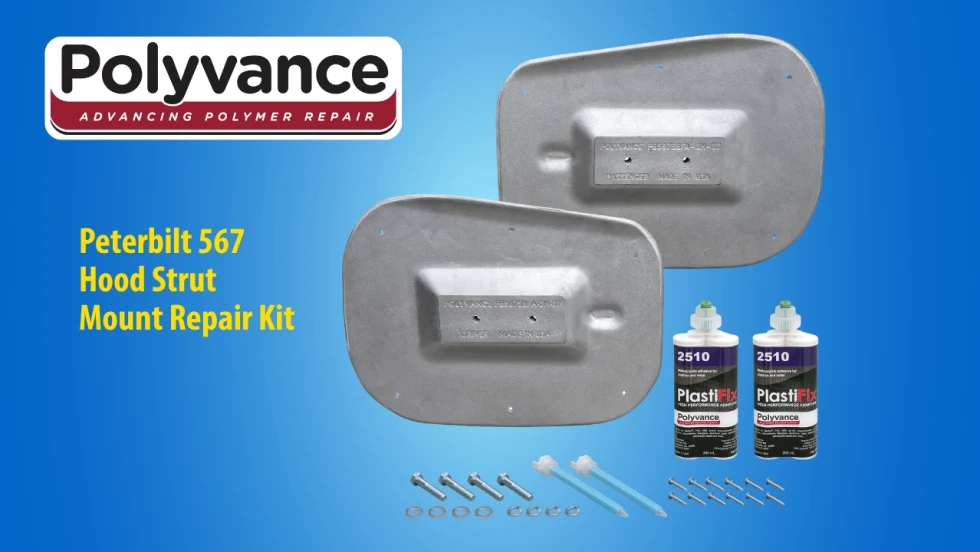
Polyvance Introduces New Peterbilt 567 Hood Strut Mount Repair Kit
Polyvance has launched a repair solution for Peterbilt 567 hood struts, helping truck owners and repair facilities avoid costly hood replacements.
Read More →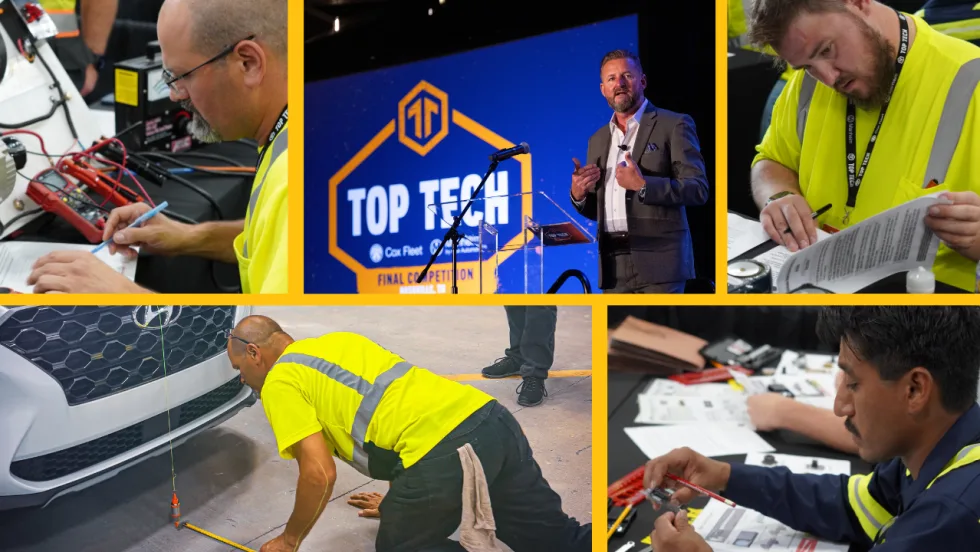
Cox Automotive Celebrates Technical Excellence at 2026 Top Tech Finals
The top technicians from Cox Fleet and Manheim tested their skills in Nashville, Tennessee, at Cox Automotive’s 2026 Top Tech Finals. The overall winners will advance to compete at the American Trucking Association’s TMC SuperTech competition.
Read More →
Grote Industries Appoints Vice President of North American Operations
Grote Industries has appointed Patrick Smith as vice president of North American operations as it celebrates 125 years of innovation and manufacturing excellence. He has more than 20 years of manufacturing leadership experience.
Read More →
Winter Fleet Prep: Expert Tips to Keep Vehicles Running Smoothly
Cold weather can expose weak batteries, tires, fuel systems, and maintenance gaps fast. Use this winter fleet checklist to prepare trucks and drivers before temperatures drop.
Read More →