




Case Study: Water District Reduces Operating Costs with Telematics
Forced to establish mandatory water usage restrictions, Eastern Municipal Water District needed to reduce operating and labor costs to make up for shrinking revenues from lower customer consumption.
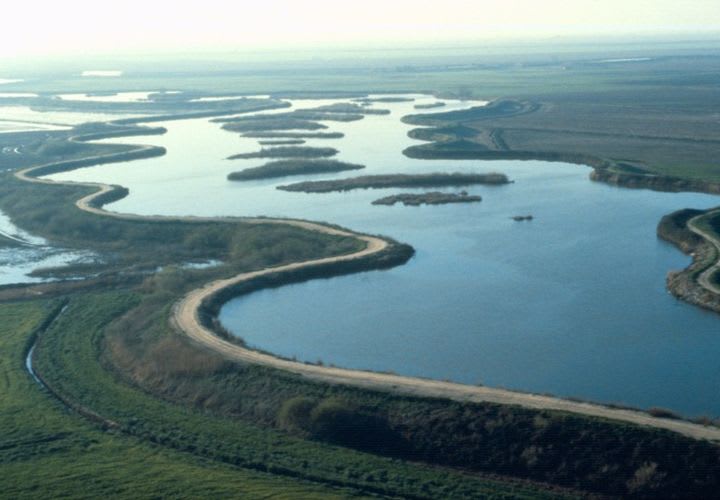
The California Delta supplies water to EMWD customers.
Photo: EMWD
Located in drought-stricken Riverside County, Calif., Eastern Municipal Water District (EMWD) provides fresh and recycled water and wastewater services to a 555-square-mile area.
The Fleet:
EMWD operates a 350-vehicle fleet.
The Challenge:
Forced to establish mandatory water usage restrictions, EMWD needed to reduce operating and labor costs to make up for shrinking revenues from lower customer consumption.
According to Mark Iverson, EMWD Maintenance Director, one of the agency's initial goals was to make more efficient use of its fleet. "When the district extended the criteria for vehicle life from 10 years/200,000 miles to 12 years/250,000 miles, we began a study that covered all aspects of fleet management and efficiency," he noted.
The Solution:
EMWD installed telematics devices on all 1996 or newer vehicles. In addition to the potential savings in operating costs, EMWD chose its telematics solution for the plug-and-play installation capability and 24/7 roadside assistance, which was included in the cost.
Because EMWD's telematics device connects to the engine's OBD-II, the organization can now remotely monitor engine diagnostics, fault codes, and emissions control system status. For example, EMWD staff receive an immediate alert when there is an engine problem, allowing them to proactively repair the vehicle before the problem worsens.
The Results:
EMWD initially focused on drivers' habits such as speed and idle time, which have a huge impact on fuel usage. This simple measure has improved mpg, while reducing the risk of speed-related accidents.
Since supervisors can now log in and view a GPS-based map of vehicle locations, they can dispatch the vehicle closest to an emergency or other work not scheduled in advance. With more efficient vehicle usage, employees drove about 165,000 fewer miles, and fuel costs declined by about $79,000 (as compared to the previous year's data for the same period).
Improved routing has also resulted in less time behind the wheel, giving EMWD employees more time to focus on work-related tasks. The payoff has been a significant reduction in the backlog of work.
"The final result is a productivity savings valued at nearly $354,000 in the six months alone," Iverson said. "Less time driving means more productive time for employees. We've already recouped our one-time equipment and startup costs in three months. And the money we save in fuel and labor more than pays for our monthly subscription fee."
More Technology & AI
Fleet Downtime, Truck Theft, and Electric Growth Lead This Month
Where is your fleet losing time? This Truck Chat recap connects repair delays, theft risks, storm planning, and lessons from scaling electric trucks.
Read More →
HCSS Partners with Verizon Connect to Deliver Fleet Intelligence for Construction Fleets
HCSS has integrated with Verizon Connect to provide near real-time fleet insights so contractors can spend less time tracking assets and more time keeping projects on schedule.
Read More →
How Fleets Can Use Technology to Fight Fuel Fraud
Fuel fraud and theft remain significant challenges for commercial fleets, whether the problem involves third-party fraud or driver misuse. In this video, David Abraham of WEX explains how SecureFuel uses vehicle geolocation, telematics, transaction information, and AI to help fleet managers identify suspicious fuel purchases and make more informed decisions.
Read More →From Our Partners
Basic Tracking vs Next Generation Fleet Technology
Sponsored by AT&T Business

5 Facts Every Fleet Manager Should Know About Embedded Telematics
Sponsored by Stellantis/Mobilisights

How AI Video Telematics Boosts Driver Safety and Helps to Avoid Unnecessary Costs
Sponsored by Verizon Connect

Charting the 8 Bottom-Line Benefits of Workforce Optimization
Sponsored by Verizon Connect

Can AI Agents Help Small Work Truck Fleets Do More With Less?
Motive's new AI Agents automate fleet safety, maintenance, compliance, and dispatch tasks. Here's how they work for smaller fleets, what managers control, and what early users are seeing.
Read More →
Paccar Launches Paccar Connect for Peterbilt and Kenworth Trucks
The new Paccar Connect offers touchscreen displays, telematics capabilities, and an expanding app ecosystem to boost productivity and streamline driver workflows.
Read More →
Holman and ISEE Partner to Expand Autonomous Yard Truck Operations
The partnership combines Holman's fleet management and upfitting capabilities with ISEE's autonomous driving technology to help businesses deploy and manage driverless yard trucks.
Read More →
Who You Gonna Call? Rivian Turns Electric Vehicles Into Ghostbusters Rides
Rivian teams up with Sony Pictures for a Ghostbusters-inspired Halloween software update, complete with custom sounds, lighting effects, and a special Ecto-R1.
Read More →
The Second Trip and What Missing Tools Really Cost a Service Business
For service fleets, missing tools and equipment can lead to second trips, lost technician time, higher operating costs, and delayed jobs. Equipment tracking can help HVAC, plumbing, electrical, landscaping, and other service businesses improve visibility and reduce downtime.
Read More →
GeoFencing Adds to Your Truck Security Arsenal
Geofencing is a familiar fleet tool today, but its early adoption marked a major shift in vehicle tracking, route monitoring, and the debate over employee privacy.
Read More →
Geotab Data Shows Regional Trucking Growing Faster as Last Mile Routes Get Denser
Geotab's first U.S. supply chain report finds stable long-haul activity, stronger regional freight movement, tighter hub-and-spoke utilization, and more last-mile trips on shorter routes.
Read More →