




'Big Brown' Turns Green
The familiar brown UPS truck fleet operates one of the country’s largest alternative-powered vehicle fleets. The company’s strategy includes deploying a mix of vehicles in its 1,600-unit AFV fleet.

The familiar brown UPS trucks aren’t about to change color, but many are “green” in a very substantial sense nevertheless.
UPS operates the transportation industry’s largest private fleet of alternative-fuel vehicles — more than 1,600 trucks, according to Heather Robinson, a company spokesperson. The parcel delivery company has deployed compressed natural gas (CNG), liquefied natural gas (LNG), propane, electric, and hybrid-electric vehicles in the United States, Canada, Mexico, Germany, France, Brazil, and the United Kingdom. UPS also is working with the Environmental Protection Agency (EPA) on a hydraulic hybrid delivery vehicle.
Most recently, UPS inked a deal in April for 200 hybrid-electric vehicles, Robinson said. That deal is the latest move by “Big Brown” to expand its roster of alternative-fuel vehicles (AFVs).
Earlier this year, UPS ordered 167 CNG delivery trucks and also took delivery of 139 new propane delivery trucks for its North American operations. All of those vehicles are now in service, Robinson said.
Of the 167 new CNG trucks, 25 have been deployed in Dallas; 42 in Atlanta; and the remaining 100 in five California cities: Sacramento, Los Angeles, Ontario, San Ramon, and Fresno. They join more than 800 CNG vehicles already in use by UPS in the U.S.
Externally, the CNG truck bodies are identical to the signature-brown trucks that now comprise the UPS fleet, but the alt-fuel trucks display CNG labels. The trucks are expected to reduce emissions by 20 percent and improve fuel economy by 10 percent compared to the cleanest diesel engines available today, according to the company.
The propane vehicles have joined nearly 600 propane-powered UPS trucks already operating in Canada and Mexico. The propane and CNG trucks currently in the UPS fleet were converted from gasoline and diesel vehicles in the 1980s to run on alternative fuels. The newly purchased trucks are originally manufactured for alternative fuel use. The chassis for the CNG trucks are purchased in two sizes from Freightliner Custom Chassis Corp. The units feature Cummins Westport engines.

Manufactured by Workhorse Custom Chassis, the new propane-powered vehicles feature the latest technology in clean-burning propane engines provided by Baytech Corporation.
Richard Turner, vice president of Baytech, said a sequential multiport fuel injection system that Baytech provided for the UPS Workhorse vehicles enables the 6.0L engine to operate on propane. The system features engine calibration software that provides optimized closed-loop fuel control, spark advance, and other engine parameters, Turner said.
The technology enables the engines to achieve horsepower equal to gasoline engines while meeting the stringent 0.2 NOx emission standard that will apply to all heavy-duty engines in 2010, Turner said.
Baytech’s technology works with CNG as well, and technicians can troubleshoot the system by using the same diagnostic scanner tools used for gasoline engines via the vehicle diagnostic port connector, according to Turner. Baytech provided UPS technicians training in installing, diagnosing, and servicing the system. The propane system includes several filters that must be checked and drained or replaced if needed. Otherwise, maintenance is similar to that for a gasoline engine, Turner said.
Baytech’s CNG and propane systems achieve the same mpg on a gasoline-gallon-equivalent (GGE) energy basis as their gasoline counterparts, Turner said. CNG for vehicles is measured and sold in GGE, so miles per GGE of CNG is the same as miles per gallon of gasoline, Turner explained. Propane for vehicles is measured and sold in gallons of propane. A gallon of propane has approximately 25-percent less energy content than a gallon of gasoline (i.e., one gallon of propane is approximately 0.75 GGE), and therefore, propane mpg is approximately 25-percent less than gasoline mpg, Turner said.
Deploying a mix of alternative-fuel vehicles has been the UPS strategy for decades, based on a range of considerations and the conviction that “there is no one solution to this challenge,” said Robinson.
One company priority is to deploy alternative-fuel vehicles in “non-attainment areas” as defined by the federal Clean Air Act — “areas with air quality challenges,” Robinson said. Under the Clean Air Act, non-attainment areas are those places that do not meet the national ambient air quality standard for ozone.
Another key factor in UPS fleet AFV deployment is availability of a particular alternative fuel in an area. “There is good-quality propane fuel available in Canada, so that’s one reason why we’re deploying those [AFVs] there,” Robinson said.
The company’s use of alternative fuels extends to ground support equipment at its hub in Louisville, Ky., where a biodiesel fueling station has been constructed for more than 360 ground support vehicles, Robinson said. UPS received a $515,000 federal grant to offset some of the building cost of a new fuel infrastructure at the airport.
Originally posted on Automotive Fleet
More Sustainability
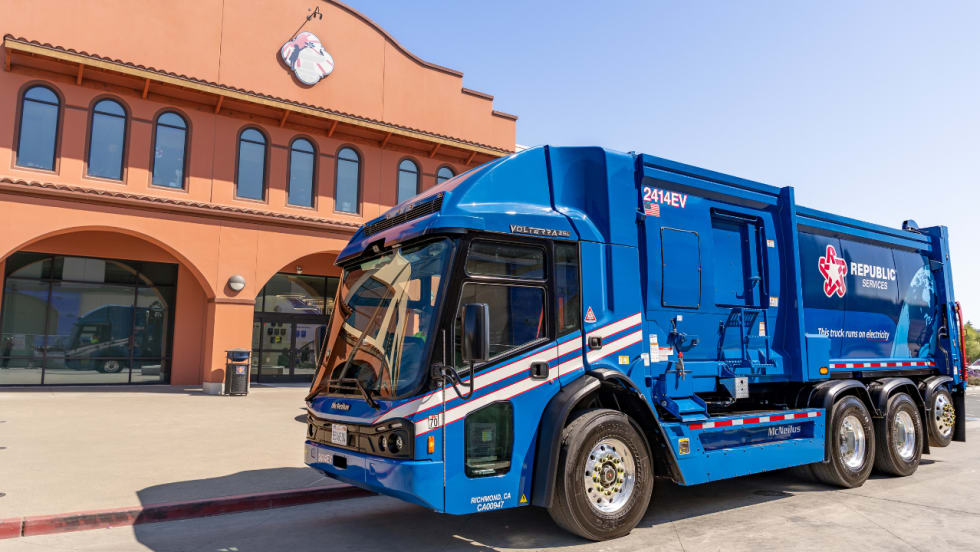
What Republic Services Learned Moving Electric Trucks Beyond the Pilot
With 250 electric refuse trucks now in service, Republic Services is learning that scaling a new powertrain depends as much on routes, drivers, technicians, and daily operations as it does on the truck itself.
Read More →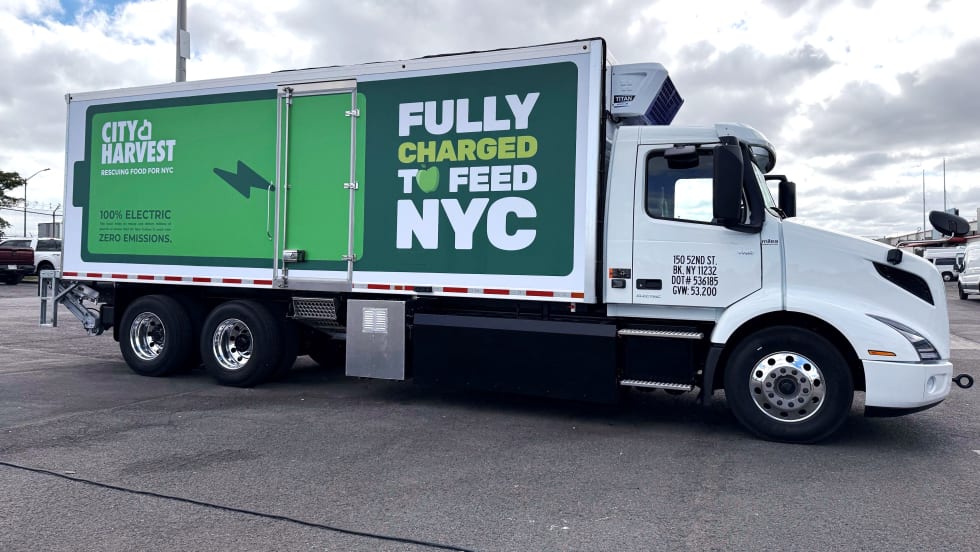
City Harvest Begins Using Volvo VNR Electric Trucks to Rescue Food Across New York City
Volvo Trucks North America and the Bronx Is Breathing project team handed over three new Volvo VNR Electric trucks to City Harvest, which will use the trucks to rescue and deliver food throughout the Bronx and across all five boroughs of New York.
Read More →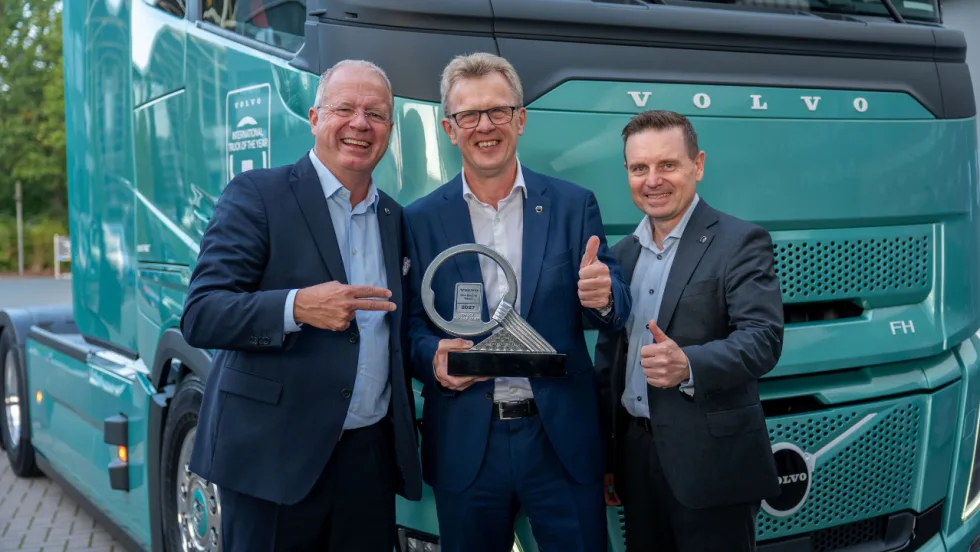
Volvo Trucks Wins International Truck of the Year 2027 for its Global Electric Range
Volvo Trucks' global heavy-duty electric range has been named International Truck of the Year 2027. Since 2019, more than 7,000 electric Volvo trucks have driven more than 310 million miles worldwide.
Read More →


Fleet Forward Conference Introduces One-Day Passes for 2026
New one-day registration gives fleet professionals the flexibility to attend Tuesday, Wednesday, or Thursday, with passes available for $199 through Sept. 18.
Read More →
CALSTART Rebrands as Catalyst Mobility, Will Combine with Forth in 2027
CALSTART has rebranded as Catalyst Mobility and will combine with Forth at the start of 2027. The new organization said it is poised to become one of the world's largest, strongest, and most impactful clean transportation nonprofits.
Read More →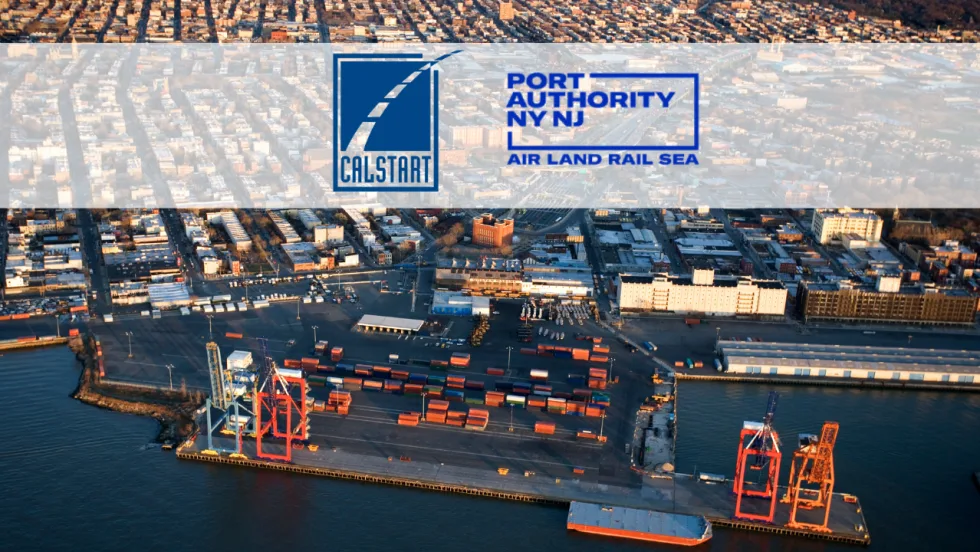
Electric Truck and Charging Programs to Boost Sustainability at NY & NJ Ports
Together, the Port Authority of New York and New Jersey and CALSTART will electrify drayage and terminal operations serving the East Coast’s busiest container port. A pair of incentive programs totaling $45 million has launched to accelerate adoption of zero-emission drayage trucks and terminal tractors.
Read More →
The Smart Way to Build a Mixed-Energy Fleet Isn’t About Picking a Side
Mixed-energy fleets aren’t about picking a winning fuel. Sarah Booth of WEX explains how vehicle data, duty cycles, charging strategy, and real-world costs can help fleets choose the right energy source for each job.
Read More →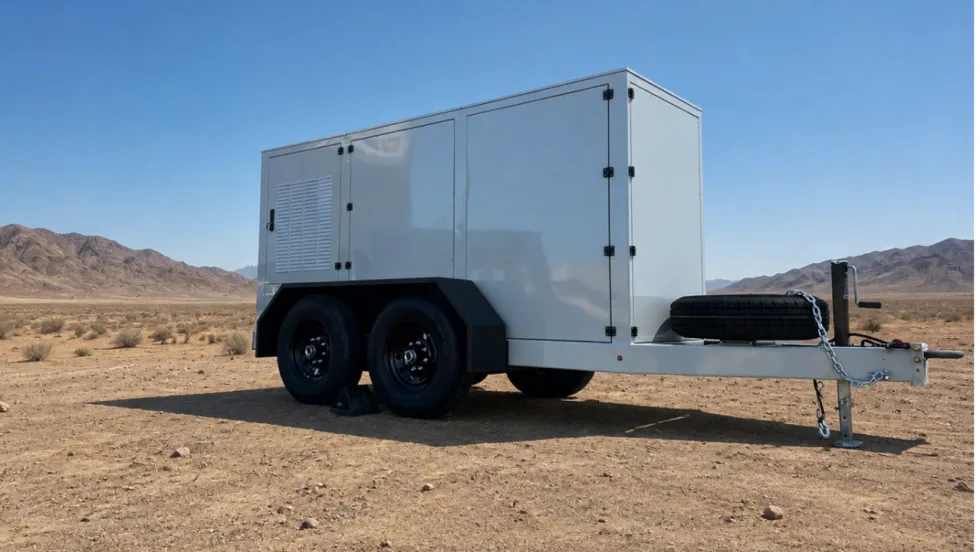
Xos Hub Surpasses One Gigawatt-Hour of Energy Delivered in the Field
A single Xos Hub has surpassed one gigawatt-hour of energy across more than 33,600 charging sessions in the field, demonstrating performance that supports Xos' expansion across new products and markets.
Read More →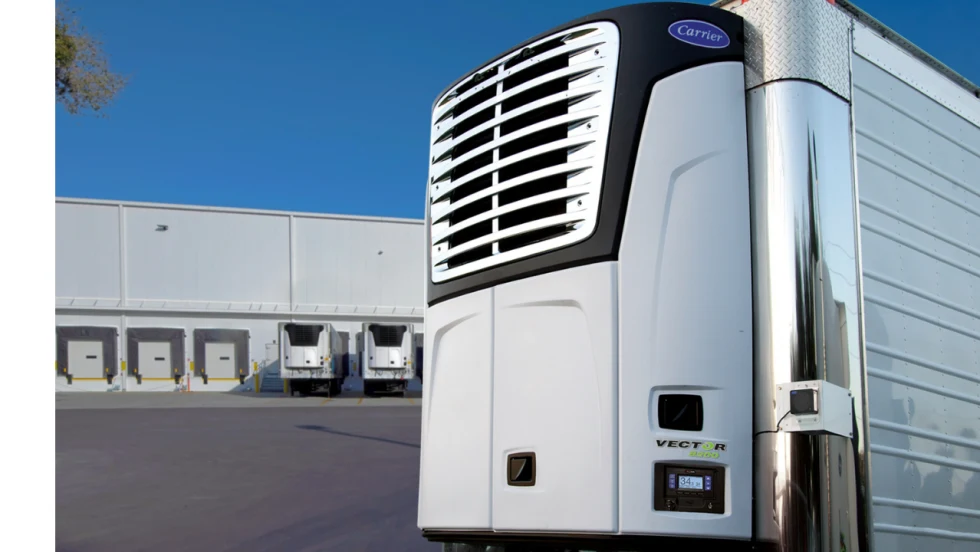
Carrier Transicold Launches All-Electric Vector 8200 TRU for Diesel-Free On-Site Cold Storage
Carrier Transicold’s first engineless multi-temperature TRU helps fresh- and frozen-food fleets add supplemental cold storage capacity during seasonal peaks.
Read More →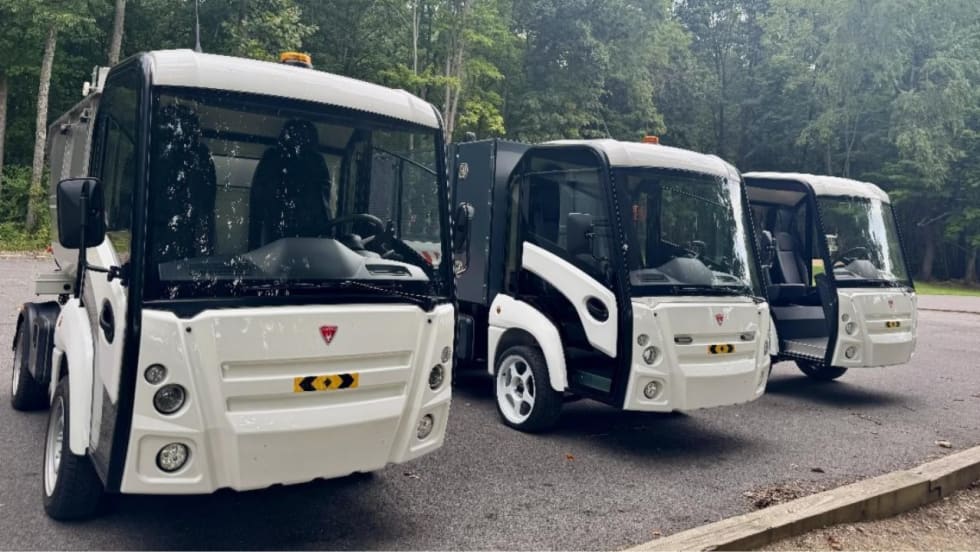
Narro Trucks Introduces Electric Utility Vehicle
Narro Trucks officially launched its operations on Aug. 20 and hosted a ride and drive to showcase its electric truck, which will be produced in Virginia.
Read More →