




Driver Tips: Stay Safe in Your Work Truck in Summer
Beating the Heat: Advancements in Thermal Management for Commercial EVs
With their larger carrying capacity, higher torque demands, and longer operating periods, commercial vehicles place greater stress on battery packs and power electronics. Effective thermal management technology can help.
by Gina Bonini, Modine
August 25, 2023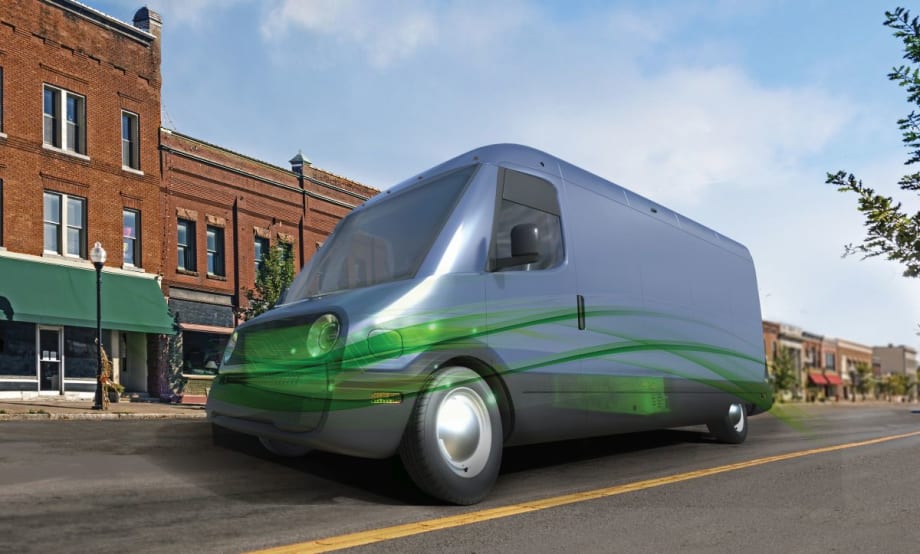
Extreme temperatures, be it freezing cold or scorching heat, pose efficiency challenges for both ICE and EV systems. A well-designed thermal management system can rapidly and efficiently warm components to their ideal operating temperatures in frigid conditions.
Photo: Modine
5 min to read
The transportation industry is shifting significantly from internal combustion engine (ICE) vehicles to electric propulsion. This transition has put manufacturers of commercial and specialty vehicles in a position to develop and launch their electric vehicle (EV) platforms. However, adapting EV technology for commercial vehicles poses unique engineering challenges where simply scaling up from passenger vehicles is insufficient to meet commercial vehicles' demanding duty cycles and load requirements.
To address these challenges, manufacturers must invest in advanced, purpose-built technologies supporting commercial vehicles.
One area that requires careful attention is the thermal management of electric vehicle systems. With their larger carrying capacity, higher torque demands, and longer operating periods, commercial vehicles place greater stress on battery packs and power electronics. Effective thermal management technology becomes crucial to ensure all-electric commercial vehicles' longevity, performance, and safety.
Temperature extremes can significantly degrade performance and battery life, as evidenced by the experience of leaving a smartphone in the sun. Since lithium-ion batteries used in modern EVs are essentially larger versions of those found in personal electronics, it is important to address questions about the impact of temperature on efficiency, range, and reliability.
As record-breaking heat hits coast to coast, fleet operators need to understand how commercial EVs perform in higher temperatures than their ICE counterparts.
Fortunately, thermal management technology for motor vehicle applications is based on well-established science and manufacturing practices. While it may not be the most obvious innovation, effective thermal management is critical in advancing EV transportation. By successfully managing heat rejection, manufacturers can optimize the performance and longevity of commercial EVs, enhancing their appeal and practicality for fleet operators.
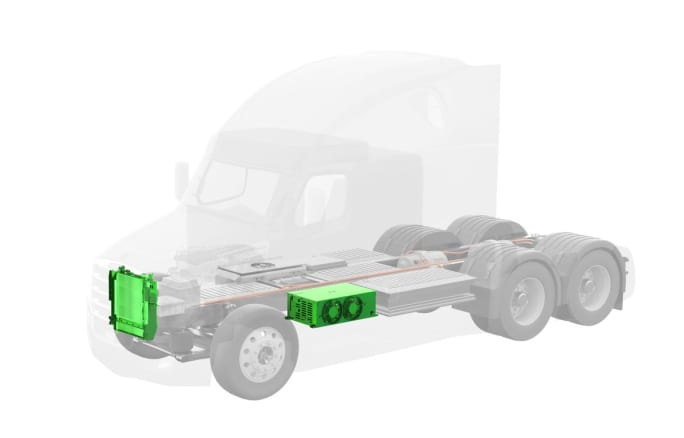
The primary heat loads in EVs come from the battery pack, including charging and discharging and power electronics like traction motors, inverters, converters, and onboard chargers.
Photo: Modine
Emerging Technologies: Advancing Thermal Management in the EV Era
The evolution of thermal management technology has come a long way since the age of internal combustion engines (ICE). Over a century of innovation has paved the way for state-of-the-art heat removal systems that effectively regulate temperature in the most challenging environments.
In the realm of EVs, the latest advancements in thermal management encompass:
Integrated refrigeration and heating circuits.
Thermal sensor networks.
Sophisticated control algorithms.
These cutting-edge technologies enable precise temperature control for EV components, ensuring optimal performance even in severe conditions.
The primary objective of thermal management systems in both ICE and electric commercial vehicles is to maintain powertrain components within their optimal temperature ranges. Operating outside these ranges can lead to various issues, from diminished performance and reduced lifespan to outright component failure.
Extreme temperatures, from freezing cold or scorching heat, pose efficiency challenges for both ICE and EV systems. A well-designed thermal management system can rapidly and efficiently warm components to their ideal operating temperatures in frigid conditions.
Conversely, the system must effectively dissipate waste heat into the environment during hot weather to prevent component damage and maintain optimal temperatures.
The primary heat loads in EVs come from the battery pack, including charging and discharging and power electronics like traction motors, inverters, converters, and onboard chargers. One notable advantage of electric powertrains is their inherent efficiency, resulting in significantly lower heat generation than internal combustion engines. This reduced heat production is a result of minimizing wasted energy conversion.
However, despite this advantage, precise thermal management remains crucial due to the specific temperature requirements of EV components. For instance, most EV power electronics function optimally within a range of 30° to 145°C, while lithium-ion battery packs demand an even narrower temperature range of 25° to 35°C. Meeting these cooling requirements necessitates the implementation of advanced thermal management systems.
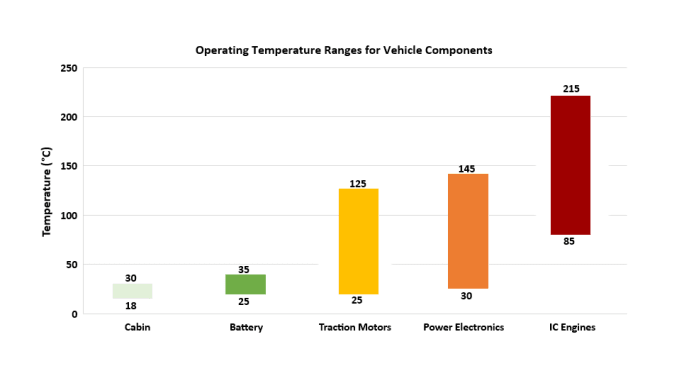
With their larger carrying capacity, higher torque demands, and longer operating periods, commercial vehicles place greater stress on battery packs and power electronics.
Photo: Modine
Maximizing Efficiency to Beat the Heat
Like humans, electrons face efficiency challenges during the scorching heat of summer. Elevated temperatures can impact battery systems, accelerating chemical reactions and leading to faster battery pack discharge. Prolonged exposure to high temperatures can cause degradation in battery cells, resulting in capacity and power loss.
For example, heavy-duty earth movers require robust, purpose-built thermal management systems integrated into their chassis designs to manage heat removal during intense workloads effectively.
A comprehensive thermal management system for commercial EVs leverages active and passive cooling loops and heating loops for colder weather conditions to optimize performance. The passive cooling loop comes into play when the ambient temperature is lower than the battery packs.
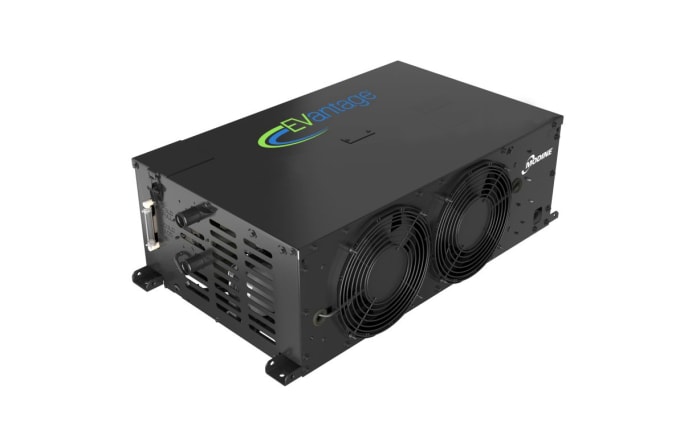
The primary objective of thermal management systems in both ICE and electric commercial vehicles is to maintain powertrain components within their optimal temperature ranges.
Photo: Modine
The system uses an array of fans to enhance airflow through the radiator and expels heat from the coolant loop. This passive cooling method consumes less power, making the battery thermal management system (BTMS) more efficient and potentially improving vehicle range. In some cases, EV power electronics may only require passive cooling, relying on ambient air with enhanced airflow from fans for component cooling.
However, the BTMS employs the active cooling loop during the summer months. This configuration transfers heat from the battery pack coolant to the BTMS refrigerant via a chiller. The refrigeration circuit incorporates a compressor for cooling and consumes approximately twice the power during operation compared to passive cooling.
High-duty cycle applications, rugged environments, and heavy-duty commercial EVs require integrating both active and passive cooling methods. These systems seamlessly switch between cooling loops, maintaining an optimal balance between power consumption and vehicle performance, safety, and component longevity.
With the advancements and sophistication of cooling technology, concerns regarding battery and EV systems' temperature are becoming a thing of the past. Further optimization of thermal management holds the potential for reduced costs and carbon footprints, providing additional benefits for commercial vehicle electrification.
As fleet operators transition to electric vehicles, they can do so confidently, knowing that thermal management technology will effectively handle the most demanding operating environments and ensure the longevity of their EV workhorses.
Subscribe to Our Newsletter
More Green Fleet

Fleet Forward Conference Introduces One-Day Passes for 2026
New one-day registration gives fleet professionals the flexibility to attend Tuesday, Wednesday, or Thursday, with passes available for $199 through Sept. 18.
Read More →
CALSTART Rebrands as Catalyst Mobility, Will Combine with Forth in 2027
CALSTART has rebranded as Catalyst Mobility and will combine with Forth at the start of 2027. The new organization said it is poised to become one of the world's largest, strongest, and most impactful clean transportation nonprofits.
Read More →
Electric Truck and Charging Programs to Boost Sustainability at NY & NJ Ports
Together, the Port Authority of New York and New Jersey and CALSTART will electrify drayage and terminal operations serving the East Coast’s busiest container port. A pair of incentive programs totaling $45 million has launched to accelerate adoption of zero-emission drayage trucks and terminal tractors.
Read More →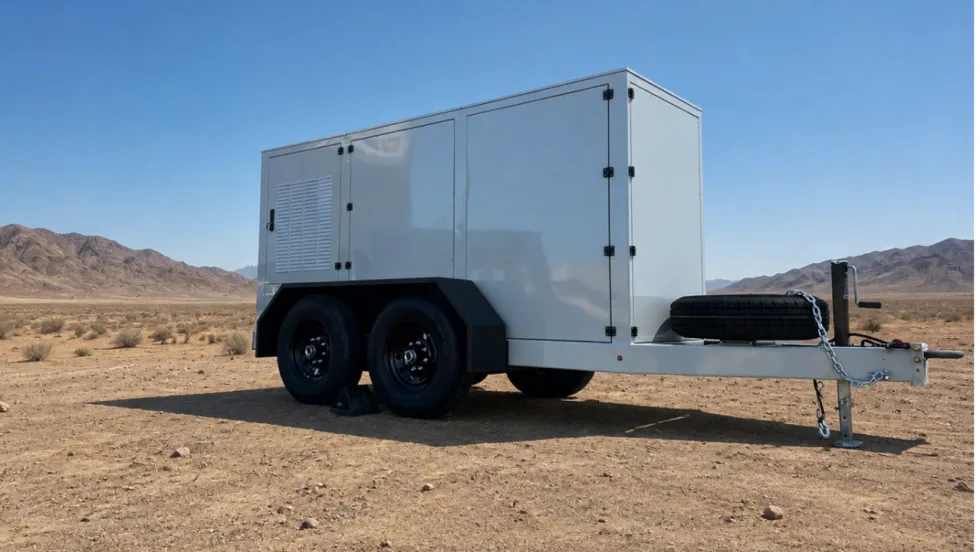
Xos Hub Surpasses One Gigawatt-Hour of Energy Delivered in the Field
A single Xos Hub has surpassed one gigawatt-hour of energy across more than 33,600 charging sessions in the field, demonstrating performance that supports Xos' expansion across new products and markets.
Read More →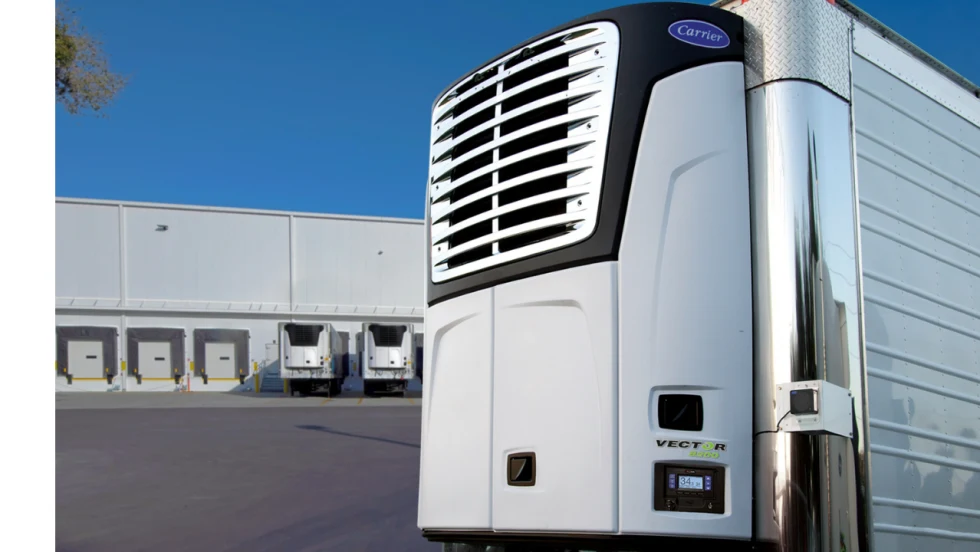
Carrier Transicold Launches All-Electric Vector 8200 TRU for Diesel-Free On-Site Cold Storage
Carrier Transicold’s first engineless multi-temperature TRU helps fresh- and frozen-food fleets add supplemental cold storage capacity during seasonal peaks.
Read More →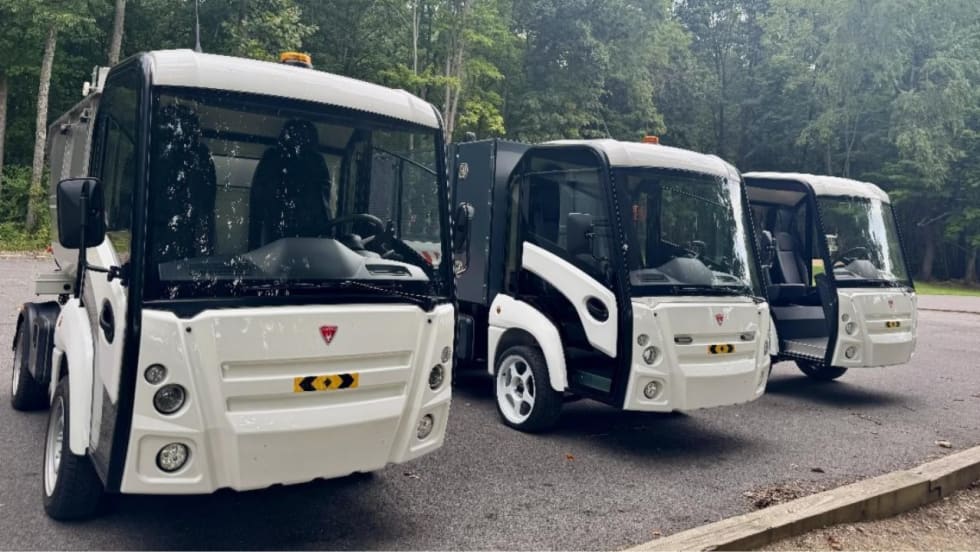
Narro Trucks Introduces Electric Utility Vehicle
Narro Trucks officially launched its operations on Aug. 20 and hosted a ride and drive to showcase its electric truck, which will be produced in Virginia.
Read More →
Samsung SDI Takes Full Control of GM Battery JV as Indiana Plant Pivots to Energy Storage
Samsung SDI is taking full control of its Indiana battery plant with GM, marking a major shift from the EV-focused joint venture Charged Fleet first covered in 2023.
Read More →
NWSA Taps CALSTART to Administer Zero-Emission Drayage Assistance Program
CALSTART will provide free technical assistance services to drayage fleets serving the Ports of Seattle and Tacoma and looking to transition to cleaner technologies and help decarbonize freight hubs.
Read More →
EV Fleet Reality Check: What Operators Wish They Knew Before Electrifying Their Work Vans
Electric work truck upfits bring new compatibility questions. Learn how parts availability, OEM guidance, power demands, and route planning can affect fleet performance.
Read More →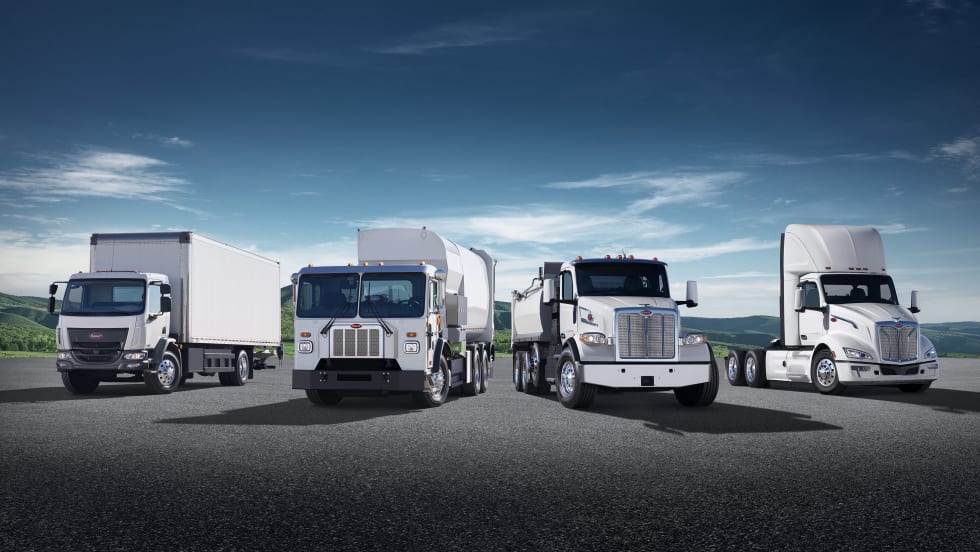
Peterbilt Expands Sourcewell Partnership with Electric Vehicle Lineup
Peterbilt Motors Company’s cooperative purchasing agreement with Sourcewell and its Canadian partner, Canoe Procurement Group, now includes including Peterbilt's battery-electric vehicle lineup.
Read More →