



FACT:
In 1963, scientist John Senders pioneered distracted driving studies, determining how much time a driver had to spend looking at the roads to drive efficiently.
 MENU
 SEARCH
Accident management is challenging, and with the growing adoption of smartphones and in-vehicle technology, one way to make a big difference is by changing driver behavior.
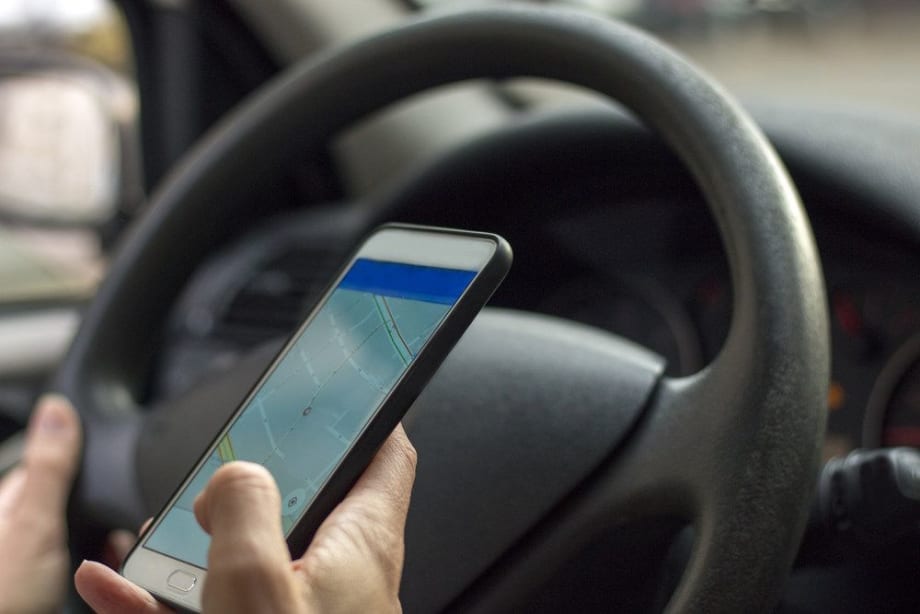
Auto insurers such as Amerisure, Cincinnati Insurance, Good2Go, and United Fire Group have been at the forefront of the insurance movement to tackle distracted driving by offering the LifeSaver program to policyholders.
Photo: Good2Go Insurance
Distracted driving is one of the leading causes of vehicle collision frequency. The three top causes of vehicle accidents, according to the National Safety Council (NSC), are alcohol (30.8%), speeding (30%), and distracted driving (26%).
“Insurers are saying distracted driving is more like 40%-50% of these collisions,” noted Ted Chen, co-founder of LifeSaver Mobile.
Here are a few more stats: there are 500,000 injuries caused by distracted driving annually and 3,600 deaths annually (which translates to 10 people per day).
Distracted driving, according to Chen, isn’t merely looking at your phone. There are three types of distractions while driving:
Cognitive: your mind is not thinking about driving.
Visual: your eyes are off the road.
Manual: your hand or hands are off the steering wheel.
Texting while driving involves all three distraction types.
“Commercial drivers drive for a living," Chen explained. "They are racking up four- to five-times more miles than your average driver. No driver is immune from the allure of the phone and staying connected with their friends and family. 20% of all commercial vehicles are involved in a collision annually."
Compounding the problem: Americans love to talk on their phones. According to OECD communications, Americans averaged 356 minutes per month in outgoing voice traffic.
The adoption of smartphone technology is steadily increasing year-over-year and is expected to continue.
LifeSaver Mobile is a unique fleet safety solution in that it is software-only.
“We take a proactive approach to change driver behavior (effective real-time intervention versus the high effort necessary for coaching), and we focus on one of the leading causes of vehicle collisions: phone distraction,” Chen said.
One of the top ways to reduce distracted driving incidents in fleet, according to Chen, is through a strong safety policy and the technology to enforce the policy.
“For example, our LifeSaver app helps monitor cell phone use while a dashcam can help monitor manual distractions such as eating or taking your hands off the wheel,” Chen said.
Driver education is one of the pillars of a strong safety program.
“Driver education is one of the five segments of fleet safety solutions that are commonly used (safety policies, online training, motor vehicle record monitoring, telematics, and dashcams). Every fleet should be taking a portfolio approach to fleet safety. Driver education needs to be consistent and tailored to each driver. Online options seem to be the best approach,” Chen said.
Gamification, or creating some system of scoring and rewarding drivers for safe driving, is still a popular way to reduce distracted driving incidents. And, LifeSaver Mobile can be leveraged for driver scoring purposes.
“Scoring drivers is a common theme with most fleet safety solutions. This is how you can objectively measure how they are doing and whether they are improving. Rewards programs can be a good way to incentivize good scores,” Chen added.
Additionally, fleet safety policies must address the issue of distracted driving and cell-phone use.
“Fleet policies on distracted driving can vary depending on the company, the vertical, and the state legislation for where they are domiciled. It’s important to find a solution you can customize to enforce the policy your company has chosen to adopt,” Chen said.
Insurance providers are taking note of this epidemic, too. According to Progressive Insurance, data shows a direct correlation between distraction and loss.
Auto insurers such as Amerisure, Cincinnati Insurance, Good2Go, and United Fire Group have been at the forefront of the insurance movement to tackle distracted driving by offering the LifeSaver program to policyholders.
The average cost of a light-duty, non-fatal crash, according to the Federal Motor Carrier Safety Administration (FMCSA), is $65,000. The average cost of a collision for a medium- or heavy-duty truck with a fatality is $7.2 million.
“We have found great success in partnering with insurance carriers and brokers to help educate fleets that there is a new category of fleet safety solutions that can help with phone distraction. Some insurance partners are paying for all or a portion of the cost of our solution to encourage their policyholders to use our program,” he added.
One final word from Chen on the issue of personal phones:
“If you are issuing corporate phones or asking your employees to use their phones for work purposes, the company needs to enforce the corporate policy on these phones at all costs,” he recommended. “Employees often carry a second phone in the vehicle, but it is challenging to mandate an enforcement program on these phones because you don’t have much leverage.”
Don’t let the possibility of an unmanageable second phone sidetrack your efforts.
“Our insurance partners would agree that a responsible safety professional should take the approach of enforcing its corporate policy on the phones in the company’s control even if there remains some exposure from the presence of a second phone in the vehicle,” Chen concluded.
Discover how daylight saving time impacts work truck fleets and get essential tips for fleet managers and drivers to navigate the "fall back" transition.
Read More →
Truck traffic doesn’t take the same Halloween break as other drivers. What fleet managers should know about timing, neighborhood stops, and braking data.
Read More →
This video features a reminder from the Connecticut Department of Transportation (DOT) and the Connecticut Police Chiefs Association, urging drivers to prioritize safety this Halloween.
Read More →
Sometimes, it is not in a fleet’s best interests to have a vehicle at a given GVWR. Changing the GVWR to a special value can be done, but the process is complicated.
Read More →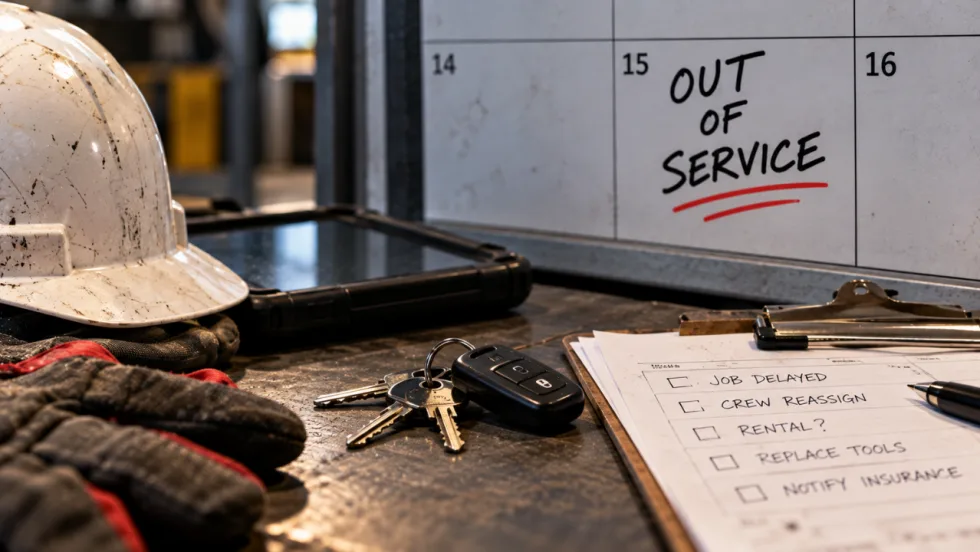
A stolen work truck can take more than a vehicle off the road. From tools and access cards to crew downtime, here’s how fleets can prepare for theft before it disrupts the entire workday.
Read More →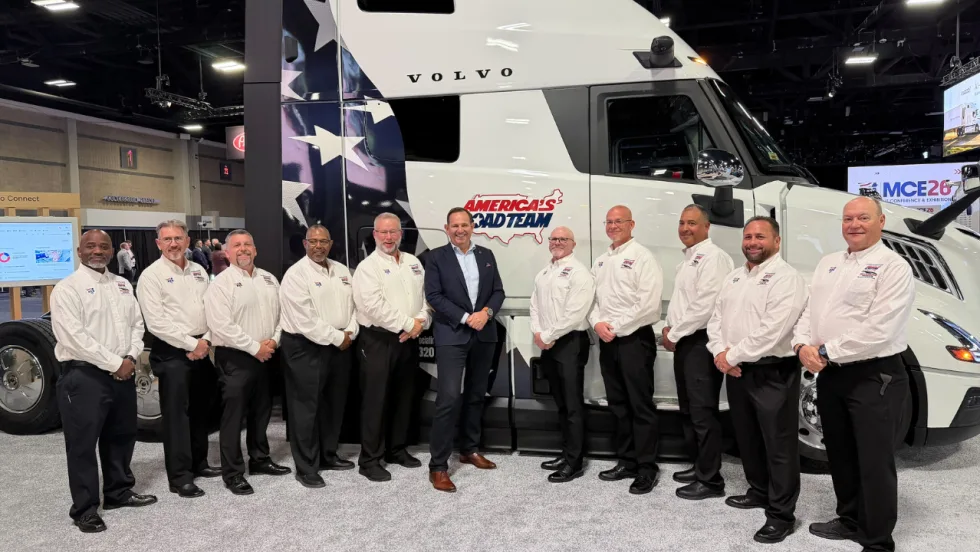
Volvo Trucks North America will serve as the exclusive sponsor of the American Trucking Associations' America's Road Team, marking 25 years of Volvo sponsorship. The group of professional drivers promotes safety and the industry as they travel the country.
Read More →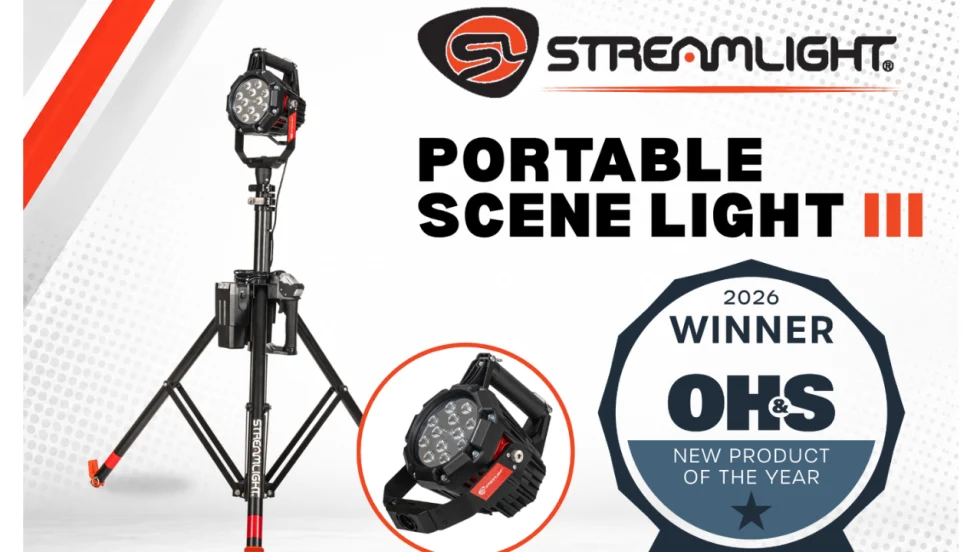
Streamlight’s Portable Scene Light III (PSL III) won the 2026 Occupational Health & Safety (OH&S) New Product of the Year Award in the Lighting category.
Read More →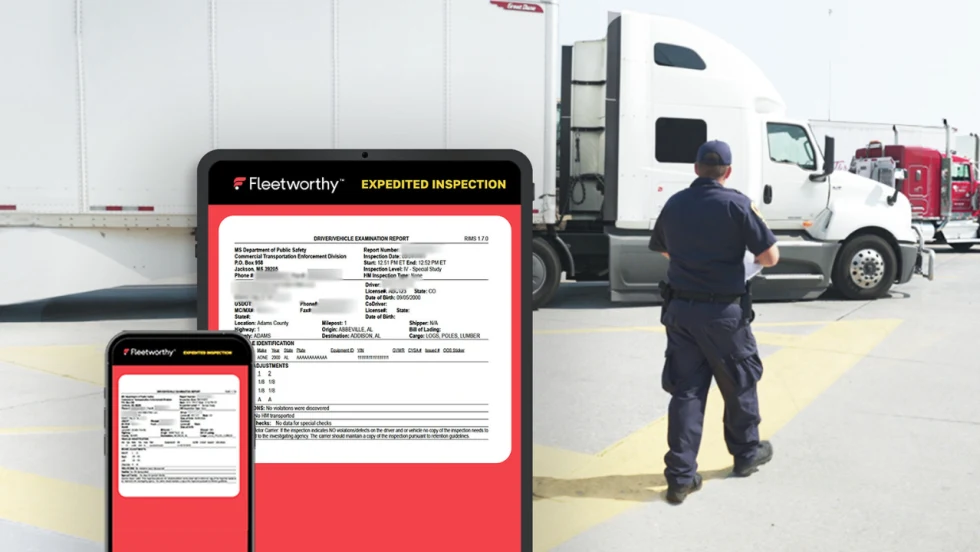
Following its industry-first launch in Nevada, Fleetworthy’s automated inspection technology is now live in California, Michigan, Vermont, and Maine.
Read More →
Crossing state lines in a lighter work truck? J.J. Keller's Kathy Close explains when IRP registration, trip permits, and towing rules come into play.
Read More →
A survey found that nearly one in every 10 passenger vehicles has at least one bald tire. What's more, 27% -- more than one in four -- of vehicles are driven with one or more severely under-inflated tires.
Read More →

