




8 Myths About GPS Vehicle Tracking
Objections to implementing GPS systems are based on myths concerning their value, ease of use, cost, and function. These assumptions have been countered by real-world experience.

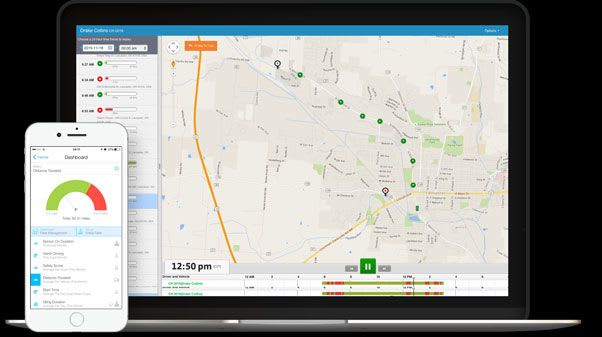
GPS tracking systems can go far beyondsimply monitoring driver behavior.
Photo: Verizon Connect.
The common objections to implementing GPS tracking capabilities in a fleet are all based on reasonable assumptions — but, the actual experience users have had with this technology tells a much different, and more encouraging, story.
Each “myth” listed here is followed by a response based on actual user experience, drawing from data that Navtrak*, a GPS services provider, and independent third-party research collected.
*Editor's note: Since this article was originally published, Navtrak has since been merged and acquired and is now under the Verizon Connect umbrella.
MYTH 1: GPS tracking is 'Big Brother'
GPS tracking is not about monitoring employees’ every move. It’s about reducing operating costs and inefficiencies in the field. GPS tracking systems have proven to reduce fuel and maintenance costs, increase routing and dispatching efficiency, provide safety and security for drivers, and increase response speed and accuracy to customer questions.
MYTH 2: Drivers will quit if we get GPS tracking
Experience with thousands of customers contradicts this belief. In fact, once field employees gain experience with GPS tracking, they depend on it for routing information, roadside assistance, verification of work performed on time, etc. In many cases, GPS tracking eliminates time-consuming paperwork and provides additional security for both drivers and cargo while on the road.
“Our guys have adapted very well to the system. We didn’t have anybody leave, and now the drivers are starting to realize the benefits of the system for them,” said Clay Phillips, president, Ross & Witmer HVAC, Charlotte, N.C.
MYTH 3: GPS systems are complicated to install and use
Most fleet GPS tracking systems comprise the same basic components: a GPS receiver installed in each vehicle and a user interface that organizes and displays gathered information. Both installation and use of these systems are simple.
A reputable, experienced GPS tracking vendor works with fleet managers to:
Implement the fleet management solution as seamlessly as possible.
Interpret system data and apply it to improve operational efficiencies.
Provide knowledgeable, accessible technical and sales support to cover service issues.
MYTH 4: GPS tracking is unnecessary.
Though useful as communication tools, cell phones/handhelds cannot provide information useful to fleet managers: real-time vehicle location, engine status, history of stops and stop times, and other valuable metrics, such as mileage, fuel consumption, or speeding patterns. Cell phones and handhelds can be turned off easily, not carried in the vehicle, dropped/damaged, etc. Even when cell phones are functioning correctly, they track people rather than mobile assets.
“With handheld GPS cell phones, we were unable to track vehicles. We had some instances where employees would just simply turn the phones off. If the phone is turned off, you can’t track the trucks. The system becomes totally ineffective,” said John Boucher, founder & owner, Boucher Real Estate Co., Woonsocket, R.I.
MYTH 5: All GPS tracking systems are essentially equal.
“If you can tell me where all my vehicles are at any moment and can give me information about their daily activities, that’s good enough for me.” That demand sounds reasonable enough on the surface, but the business-enhancing potential of GPS systems for fleet management goes well beyond tracking dots on a map. Most GPS tracking service users realize the full impact of the gathered information only after regular use.
Many providers simply set up basic GPS tracking capabilities, but don’t commit to helping customers leverage this powerful technology to transform the way they do business. When evaluating GPS tracking providers, determine how much interest each has shown in learning about the customer’s business and specific requirements and goals.
This myth does contain an element of truth, however. Technology is not the most important criterion in choosing a GPS tracking service provider. Experienced users know the relationship with the provider over the course of the service contract is where value truly lies.
“We started using the technology about five years ago, but quickly became unhappy with the system we had purchased. Once we had bought it, we had to maintain everything. It became clear that we needed a more capable and sophisticated GPS partner,” said John Doyle, director of technology & communications, Alure Home Improvements, Inc., Plainview, N.Y.
MYTH 6: A GPS tracking system is just another product.
GPS tracking should not be viewed as a product. Rather, it is a service to which a fleet subscribes — a service that delivers information a fleet manager lacks the means to collect, but helps increase the company’s overall productivity and profitability.
All GPS tracking vendors ask customers to sign a service agreement, typically for three to four years. So the question is which vendor does the fleet manager trust to help manage the company’s mobile assets for the next several years? Service is the crucial factor when it comes to effective GPS fleet tracking.
MYTH 7: My company can’t afford a GPS tracking system.
Cost is an understandable concern. GPS tracking systems typically require an investment in hardware for each vehicle and a monthly fee for data and wireless services. However, these systems identified inefficiencies and practices in the field that already cost companies hundreds, or even thousands of dollars every month: excess overtime, inefficient routing, side trips, excess engine idling, reckless driving, etc.
The cost of these inefficiencies often exceeds the monthly investment required for a GPS tracking service. Most fleets achieve a return on investment within the first few months of using the system, due to savings in overtime costs, fuel expenditures, lower insurance premiums, reduced vehicle maintenance, and more.
MYTH 8: GPS tracking is an unproven technology.
GPS technology itself (the ability to locate and track objects at any time and in real-time using satellites and wireless communications) has been used effectively for decades. The core technology is now prevalent throughout the consumer market with such popular brands as Garmin and TomTom.
In commercial applications, GPS systems’ effectiveness in increasing productivity and reducing operational costs has been well-documented by reputable third-party sources.
Originally posted on Automotive Fleet
More Technology
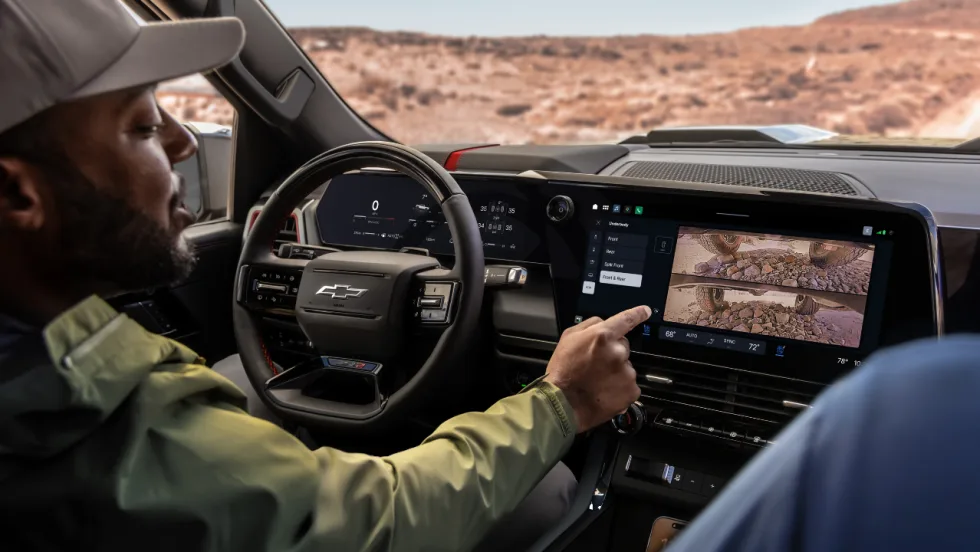
GM Brings New Truck Focused Interface to 2027 Silverado and Sierra
GM's new pickup interface puts trailering data, camera views, vehicle controls, and smartphone integration closer to the driver in the 2027 Silverado and Sierra.
Read More →
Samsara Driver Perks Expands Rewards Beyond the Long Haul Driver
Samsara’s new driver rewards program was built with a broader professional driver in mind, including employees who split their day between driving, job sites, service calls, and other work.
Read More →
AI Service Advisor Aims to Cut Fleet Repair Downtime
Fleetio said its AI Service Advisor can help fleets cut repair downtime by an average of 2.5 hours per repair while reducing manual maintenance work.
Read More →
Verra Mobility Launches AI-Driven Title & Registration Solution
Verra Mobility has launched a new AI-driven Title & Registration platform to help fleets move vehicles from acquisition to the road the same day while reducing compliance risk.
Read More →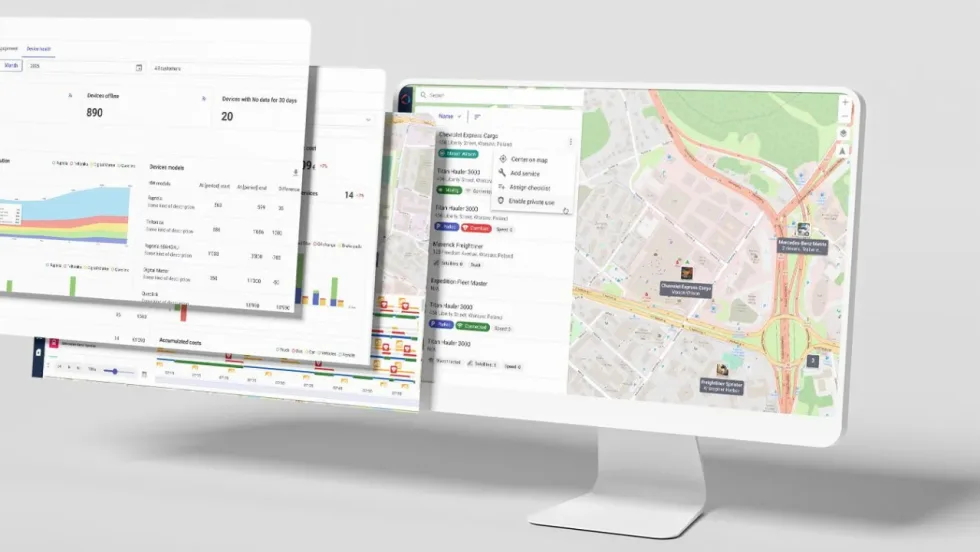
Wialon Unlocks OEM Data to Give Fleet Owners Data Ownership & Operational Clarity
Wialon has introduced hardware-free OEM integration as the EU Data Act accelerates the shift in vehicle data access across the fleet industry in many countries.
Read More →
Teletrac Navman Promotes New CEO from Within
Teletrac Navman’s next CEO, Ricardo Buranello, has served as the company’s chief financial and operating officer. He brings deep financial and operational expertise, a strong strategic orientation, and an intimate knowledge of the business to his new role.
Read More →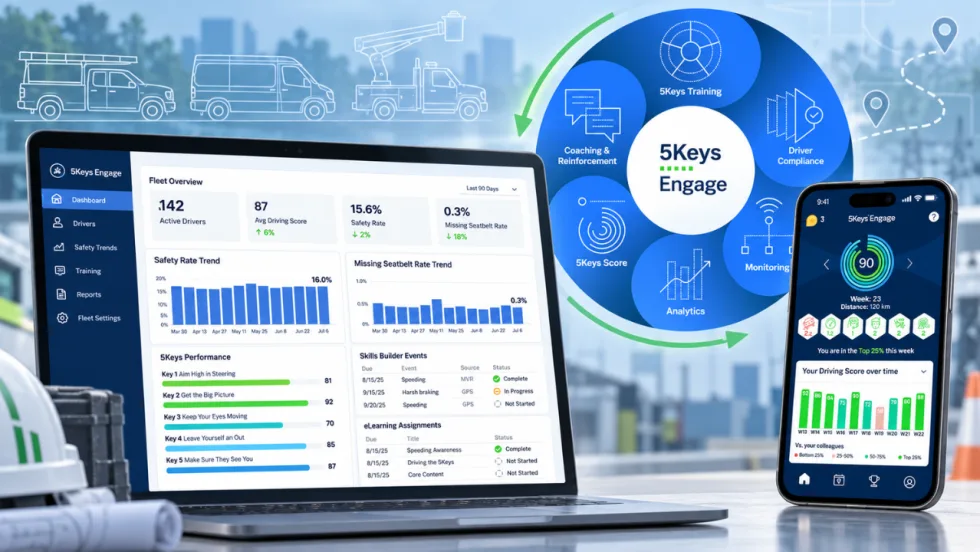
Smith System Wants Work Truck Fleets to Look Beyond the Driver Alert
Smith System’s new Driver Risk Management program is built to help mixed work truck fleets turn telematics alerts and observations into specific behaviors, coaching actions, and measurable follow-up.
Read More →
Ford Pro Software Updates: August 26
Check out the latest Ford Pro software updates, including Google Maps integration, Remote Vehicle Alarm integration, Motor Pool for easier management of shared pool vehicles, and more.
Read More →
Where AI Is Actually Saving Fleet Managers Time
AI is moving past the buzzword stage and into the daily fleet workflow. Fleetio’s Brianna Perry Lang breaks down where fleets are seeing real time savings, from maintenance and data entry to repair decisions, safety, and compliance
Read More →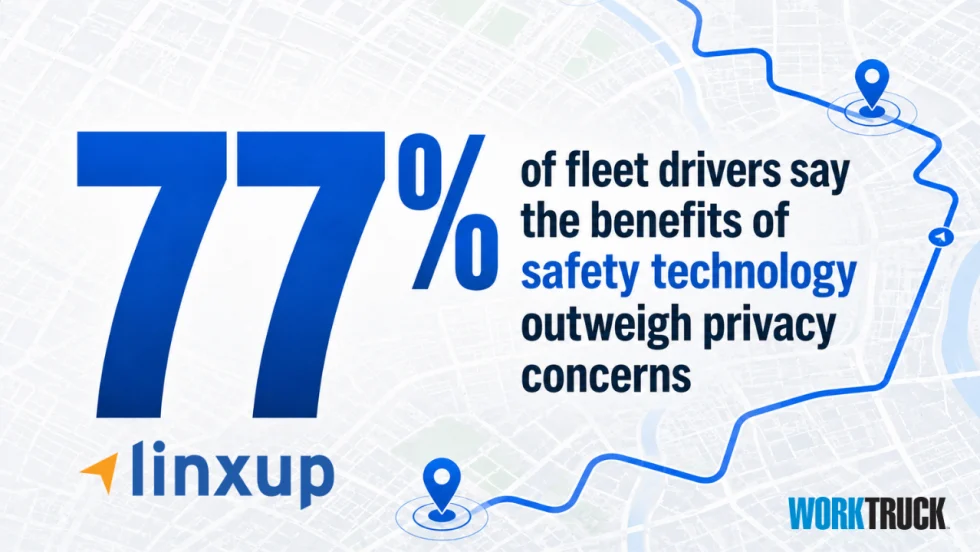
Are Work Truck Drivers Warming Up to Dash Cams and GPS Tracking?
A new survey finds field-service drivers may be more comfortable with dash cams and GPS tracking than fleet managers think, especially when the technology helps protect them after a crash.
Read More →