




7 Features Every Routing Solution Should Include in 2020
Seeing clearly is an appropriate job description for those in charge of managing and dispatching their fleet, as well as those behind the wheel of a utility truck. So, how do you know which solution is the best fit?
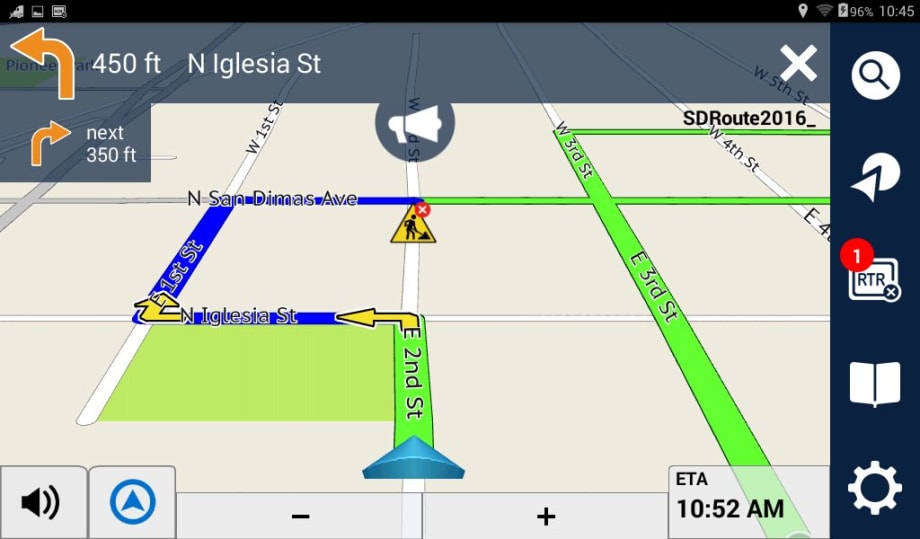
Not only are digital maps more efficient and accurate, they can help reduce fleet accidents and make training easier.
Photo: Magellan
Welcome to the year 2020, sometimes referred to by pundits as the Year of Perfect Vision. Seeing clearly is an appropriate job description for those in charge of managing and dispatching their fleet, as well as those behind the wheel of a utility truck. So, how do you know which solution is the best fit?
Look for these seven features:
1. Digital Maps
Your seasoned drivers might know their routes like the back of their hand, but what happens if they retire or call in sick or are reassigned to a different division? Plus, accidents can happen when drivers are forced to turn on their dome light, unfold a map, and try to read road directions, especially when it’s dark out or under white-out conditions. You can easily avoid such risks by replacing your old paper maps and handwritten or typewritten directions with digital maps.
Benefit: Not only are digital maps more efficient and accurate, they can help reduce fleet accidents and make training easier.
2. Dynamic Map Editing.
Transportation Departments regularly make street improvements, often resulting in sudden or unexpected road closures. Additionally, road and weather conditions constantly change. It’s critical, then, to empower your dispatchers and drivers with a map editing capability, one that enables them to report and share real-time changes to a route.
Benefit: A routing solution for today’s roads should give you the capability to both create and edit maps, enabling you to keep your drivers current on any changes to their route.
3. Voice-Aided Directions
Although their route might appear on a visual display, during adverse weather conditions, such as a white-out or furious rainstorm, drivers are not always able to see street signs. In such situations, you’ll want a system with audio capability that can alert the driver where and how to turn. For example, if a manhole cover is blocked by snow, a voice could tell the driver exactly when to raise the plow to avoid damaging the cover.
Benefit: Voice commands can reassure drivers in stressful environments, minimize risk and reduce public money spent on accidents.
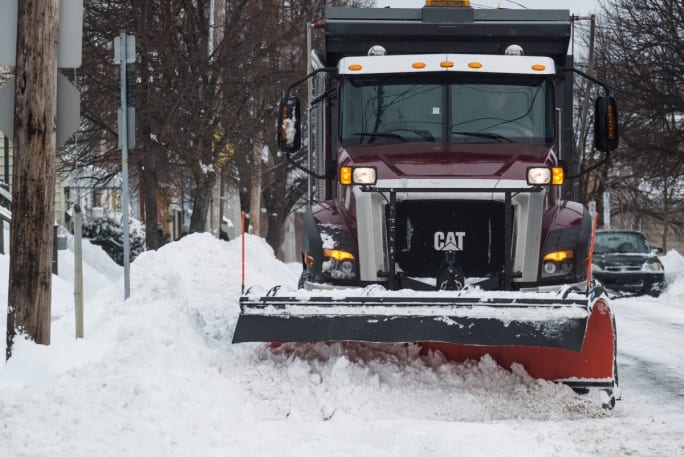
By knowing in advance whether a vehicle can fit, you reduce changes of an accident and can keep your drivers on schedule.
Photo: Magellan
4. Return to Route Capability
Make sure the solution you select is specifically designed for municipal and short-haul fleets while emphasizing route execution. A best-practices routing solution, for example, would ensure that a driver always completes a designated route in the right order, never missing a stop. If a driver misses a stop, however, the routing solution should immediately navigate the driver back to the deviated point for completion.
Benefit: A solution that ensures stops or streets are not missed saves fuel while meeting the public’s expectation of the municipal services their taxes support.
5. Dynamic Road Obstacle Alerts
Cities have separate agencies undertaking their own projects on any given day, and sometimes one agency doesn’t inform the other of what it is doing. As a result, it’s not unusual for a driver to come across a street that’s unexpectedly closed. Additionally, double-parked cars, accidents and emergency vehicles can force a driver to take a detour. You’ll want to choose a routing solution that enables drivers in the field to easily note and share information in real time about any obstructions on their route.
Benefit: Ensuring drivers are not surprised on their route results in more efficient routes, saving time and fuel.
6. Truck Size and Measurements
What happens when a vehicle is too big for a street or alley? Often, the driver will have to back up on a street that is packed with cars while visibility is low, increasing the chances of an accident. The answer, of course, is to not travel down those too-narrow spaces at all. To avoid such accidents, look for a routing solution that enables you to enter each truck’s measurements in their system. The system, in turn, will tell your drivers which paths are too tight for their vehicle.
Benefit: By knowing in advance whether a vehicle can fit, you reduce changes of an accident and can keep your drivers on schedule.
7. Advanced GPS.
Every routing solution on the market relies on GPS technology. That’s a given. But did you know not all GPS systems are equal? GPS signals can be obscured or disrupted in what’s known as urban canyons, streets surrounded by tall buildings in close proximity to each other. A minimum of three satellites are required to determine a position but in urban canyon environments it is easy to drop a satellite link and lose a connection. Your preferred routing solution should deliver high accuracy GPS connections even in urban canyons.
Benefit: Even in the densest cities, an advanced GPS solution means you’ll never lose your connection, giving your drivers faster and more accurate navigation data.
Finding the right telematics solution can reduce fleet accidents, make drivers more efficient, better manage fuel consumption and ultimately save your city money. Now that’s perfect vision.
About the Author: Ted Lee is the Head of Business Development and Innovation for Magellan GPS, a provider of innovative GPS navigation devices since 1986, offering products in multiple categories including auto, RV, outdoor, mobile, fleet, and auto OEM. He can be reached at tlee@magellangps.com.
More Technology & AI
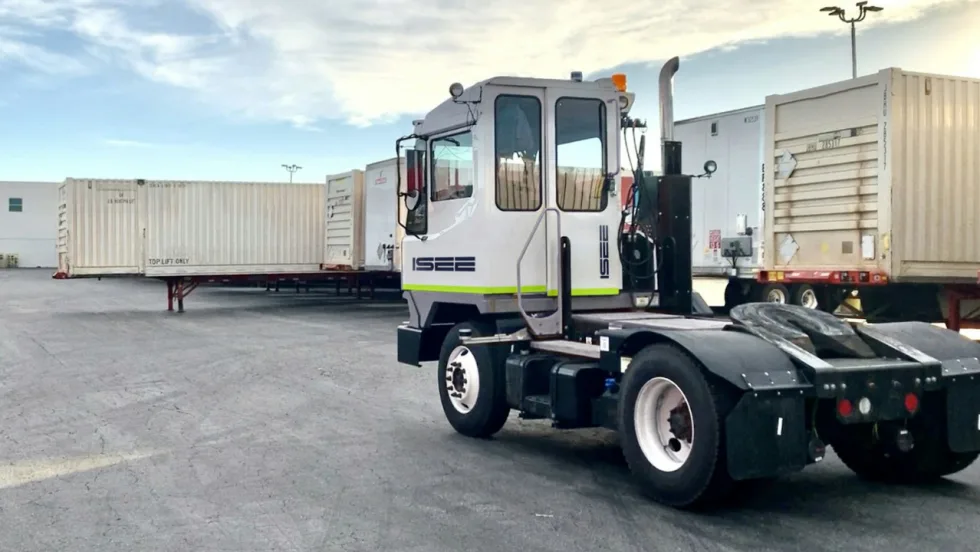
Holman and ISEE Partner to Expand Autonomous Yard Truck Operations
The partnership combines Holman's fleet management and upfitting capabilities with ISEE's autonomous driving technology to help businesses deploy and manage driverless yard trucks.
Read More →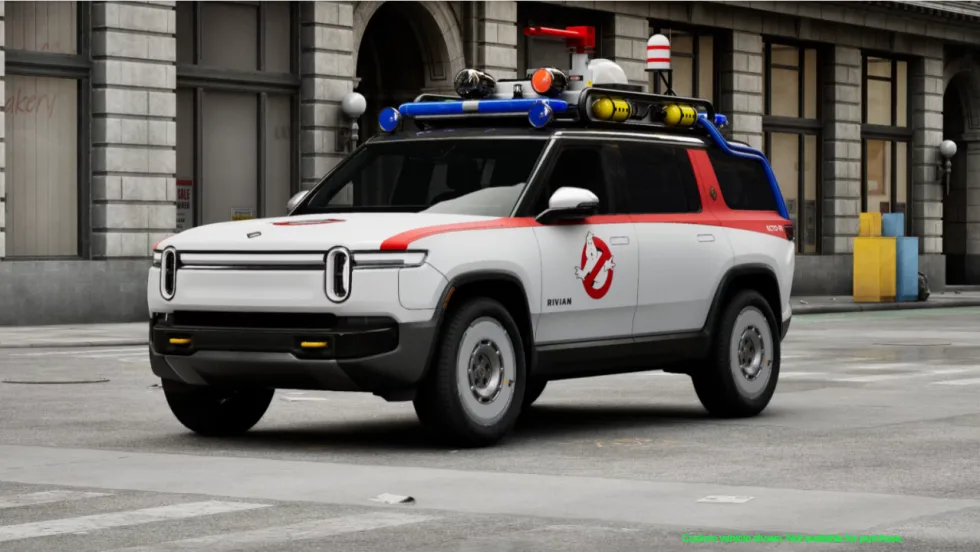
Who You Gonna Call? Rivian Turns Electric Vehicles Into Ghostbusters Rides
Rivian teams up with Sony Pictures for a Ghostbusters-inspired Halloween software update, complete with custom sounds, lighting effects, and a special Ecto-R1.
Read More →
The Second Trip and What Missing Tools Really Cost a Service Business
For service fleets, missing tools and equipment can lead to second trips, lost technician time, higher operating costs, and delayed jobs. Equipment tracking can help HVAC, plumbing, electrical, landscaping, and other service businesses improve visibility and reduce downtime.
Read More →From Our Partners
Basic Tracking vs Next Generation Fleet Technology
Sponsored by AT&T Business
5 Facts Every Fleet Manager Should Know About Embedded Telematics
Sponsored by Stellantis/Mobilisights
How AI Video Telematics Boosts Driver Safety and Helps to Avoid Unnecessary Costs
Sponsored by Verizon Connect
Charting the 8 Bottom-Line Benefits of Workforce Optimization
Sponsored by Verizon Connect

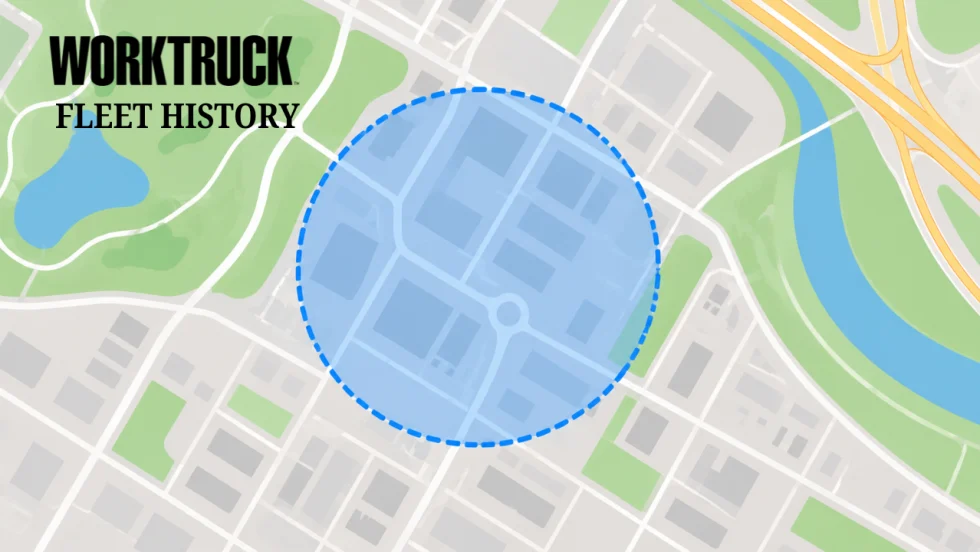
GeoFencing Adds to Your Truck Security Arsenal
Geofencing is a familiar fleet tool today, but its early adoption marked a major shift in vehicle tracking, route monitoring, and the debate over employee privacy.
Read More →
Geotab Data Shows Regional Trucking Growing Faster as Last Mile Routes Get Denser
Geotab's first U.S. supply chain report finds stable long-haul activity, stronger regional freight movement, tighter hub-and-spoke utilization, and more last-mile trips on shorter routes.
Read More →
When Fleet Technology Helps and When It Just Adds Complexity
New technology can help fleets work smarter, but only if it solves the right problem. Lauren Fletcher talks with AP Fleet’s Alex Coveney about innovation, AI, data, and knowing when a new solution is actually worth adopting.
Read More →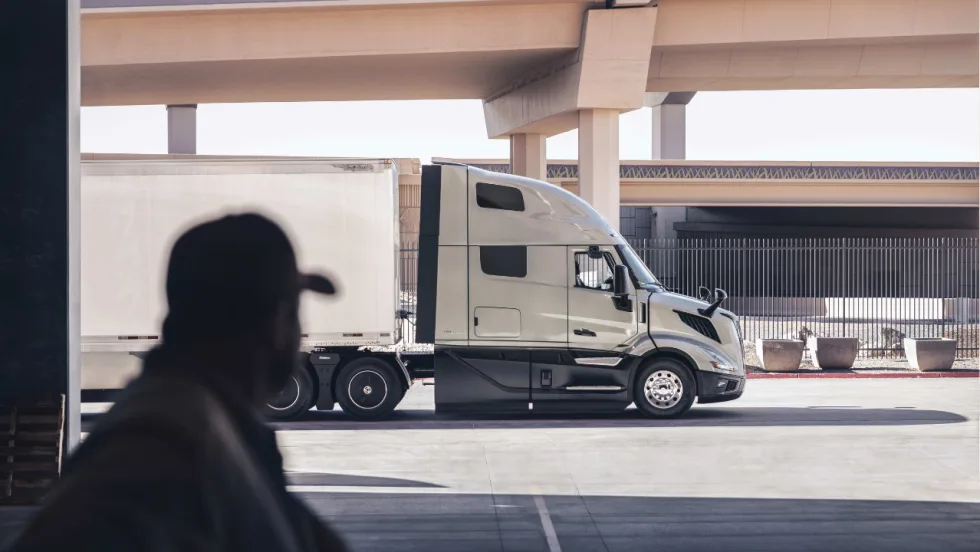
Volvo Trucks’ 'Lock and Leave' Software Updates Go Live Across North America
Unattended over-the-air software updates are now available in Volvo trucks across the U.S. and Canada. The new capability lets trucks stay current with the latest software without interrupting operations or requiring a dealership visit.
Read More →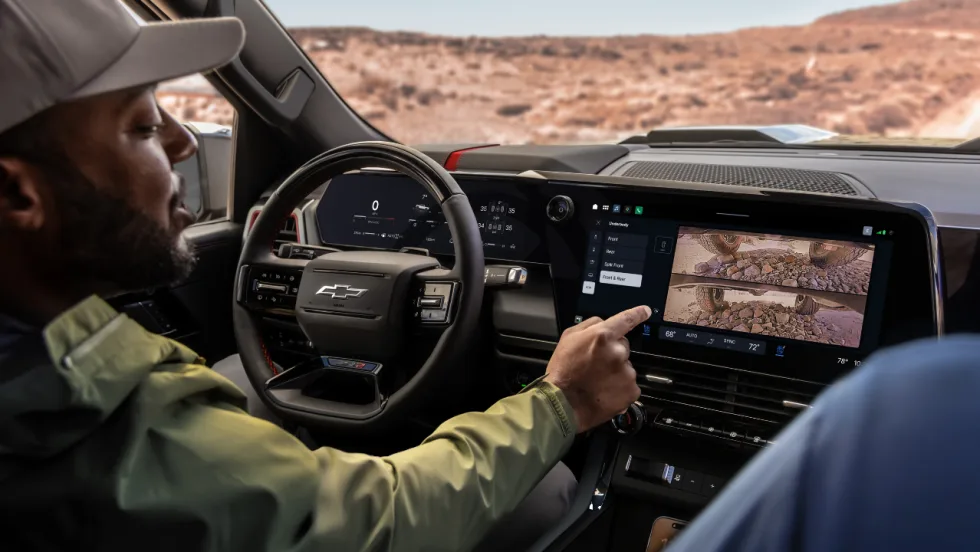
GM Brings New Truck Focused Interface to 2027 Silverado and Sierra
GM's new pickup interface puts trailering data, camera views, vehicle controls, and smartphone integration closer to the driver in the 2027 Silverado and Sierra.
Read More →
Samsara Driver Perks Expands Rewards Beyond the Long Haul Driver
Samsara’s new driver rewards program was built with a broader professional driver in mind, including employees who split their day between driving, job sites, service calls, and other work.
Read More →
AI Service Advisor Aims to Cut Fleet Repair Downtime
Fleetio said its AI Service Advisor can help fleets cut repair downtime by an average of 2.5 hours per repair while reducing manual maintenance work.
Read More →