





Want More? Top 14 Benefits of Telematics Benefits Beyond Tracking
6 Least Used Benefits of Telematics
Even though telematics offers more than just a “dot on the map tracking solution,” there are still several forgotten benefits that could help save your fleet money and become far more efficient.
July 8, 2021
A properly deployed telematics solution becomes the foundation for running a data-driven business.
Photo: Gettyimages.com/Tetiana Lazunova
4 min to read
Today’s savvy and technically adept vocational truck fleet managers have wide-ranging needs and expectations of what they do with telematics solutions.
From not utilizing cross-location performance to the benefits gamification can provide, there are several aspects of telematics that aren't used as often as they could be.
1. Cross-Location Performance
One underutilized benefit of telematics is the ability to get data on differences between portions of the fleet.
“Comparing how one location performs versus another can provide actionable insights into how to get more value out of the fleet. Often, when customers are having issues, and we get involved helping them, they are surprised at how different the performance is across different sites,” said Carl Breczinski, product manager for Controls and Digital Solutions at Thermo King.
2. Identifying Trends
An advanced fleet tracking solution provides insights in a dashboard format that make it easy to recognize short and long-term trends.
“The dashboards give fleet managers a comprehensive overview of fleet performance, including key performance indicator (KPI) trends, payroll costs, fuel consumption, asset utilization, and safety metrics. Reports allow our customers to view daily vehicle locations, reward safe driving behaviors, and monitor fuel consumption and the health of the truck. A combination of reports and dashboards can help take the guesswork out of what’s going on with vehicles, drivers, and jobs, helping fleet managers and other company leaders make informed decisions,” said Kevin Aries, global lead, Product Success for Verizon Connect.
3. Complete Driver Details
The basics may tell you where your drivers are, but do you know if they are compliant with regulations?
“Many fleets don’t fully understand the details of their driver’s hours of service (HOS), where there are gaps, and how to see the optimum performance. There are great time management opportunities that come from using HOS data to check capacity and maximize performance,” said Doug Schrier, senior VP of strategy for Transflo.
4. Connecting Your Data
Most commercial vehicles these days run telematics devices. The data provided by these devices is important.
“What’s less common is connecting telematics data within multiple areas of a business. Devices collect a lot of information, but that information is not often connected in meaningful ways,” said Chris Orban, vice president of data science for Trimble. “We encourage using telematics to bridge the gap between operations, safety, and the driver experience, to name a few. Devices can be used as a hub for communication, data gathering, and taking action on that data.”
5. Gamification
What matters to a fleet depends on their end goal for integrating a telematics platform.
“It is essential that when choosing a telematics partner, you understand the capabilities of the solution and how they fit your fleet’s needs. For example, while a fleet may adopt a telematics solution for reasons relating to safety, that same solution may also help them improve their efficiencies through better route management or increase productivity through driver gamification. Still, they may not be aware of these capabilities or how to implement them. The sky’s the limit when it comes to fleet management and telematics; it is essential to choose the right partner that can help grow and evolve with your fleet and expand as needed,” said Steven Berube, senior business development manager for Geotab.
6. Ignoring Reporting Functions
There is a lot of data that comes from a telematics solution. With that data comes an abundance of available reporting.
“An underutilized benefit of telematics is taking advantage of reporting functions. These solutions track a significant amount of data regarding a vehicle’s movements, fuel consumption, and driver behavior that can be applied to improve areas such as routing optimization and driver safety. Understanding the full application of telematics reporting allows fleets to create a positive impact for their customers through the improvement of their day-to-day operations,” said Jason Walton, product marketing manager for Omnitracs.
The Bottom Line
A properly deployed telematics solution becomes the foundation for running a data-driven business.
“Fleets are just now beginning to see these new ways of operating with cloud-based and fully integrated platforms. We’re excited by the feedback we’ve been getting and will continue to partner with our customers to help usher them into this next wave of connected fleet management,” said Neel Sheth, director of product management at Samsara.
Subscribe to Our Newsletter
More Technology & AI
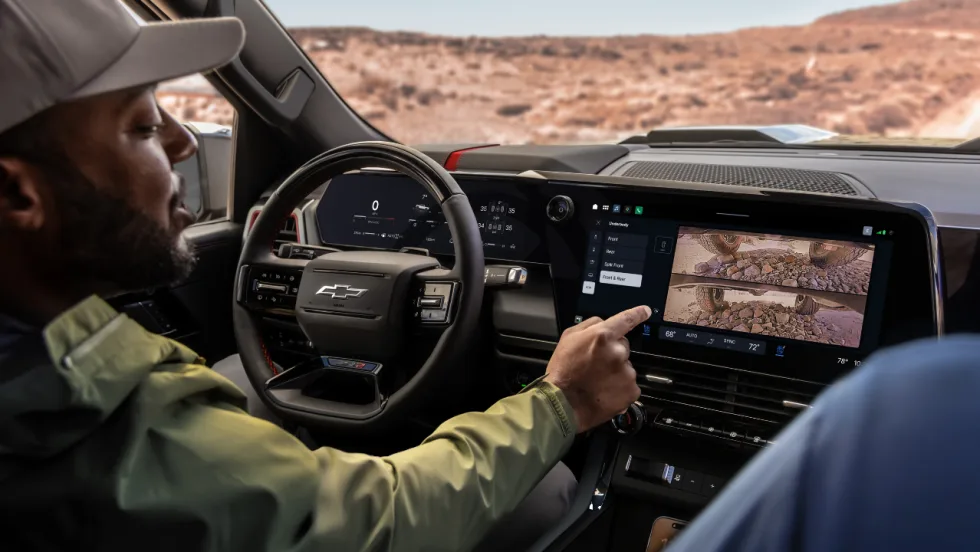
GM Brings New Truck Focused Interface to 2027 Silverado and Sierra
GM's new pickup interface puts trailering data, camera views, vehicle controls, and smartphone integration closer to the driver in the 2027 Silverado and Sierra.
Read More →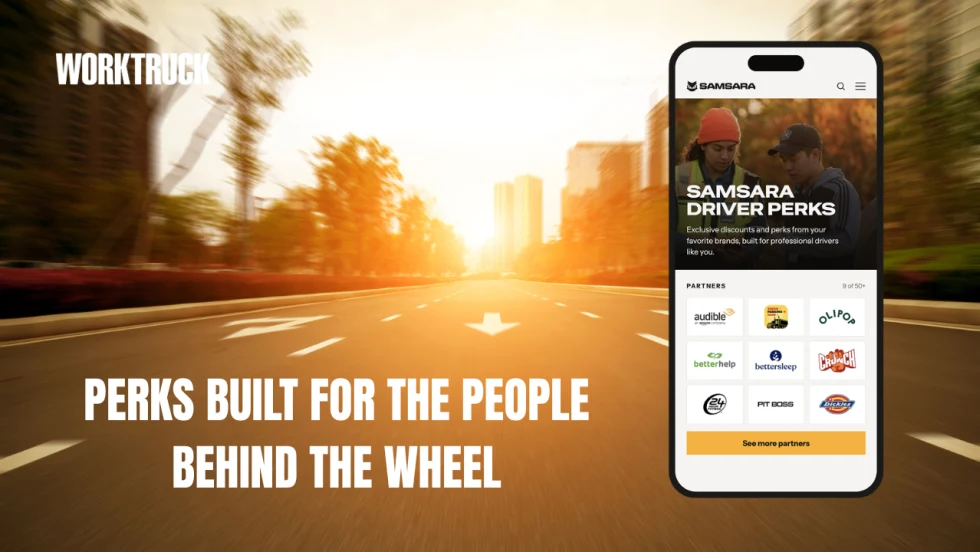
Samsara Driver Perks Expands Rewards Beyond the Long Haul Driver
Samsara’s new driver rewards program was built with a broader professional driver in mind, including employees who split their day between driving, job sites, service calls, and other work.
Read More →
AI Service Advisor Aims to Cut Fleet Repair Downtime
Fleetio said its AI Service Advisor can help fleets cut repair downtime by an average of 2.5 hours per repair while reducing manual maintenance work.
Read More →From Our Partners


Verra Mobility Launches AI-Driven Title & Registration Solution
Verra Mobility has launched a new AI-driven Title & Registration platform to help fleets move vehicles from acquisition to the road the same day while reducing compliance risk.
Read More →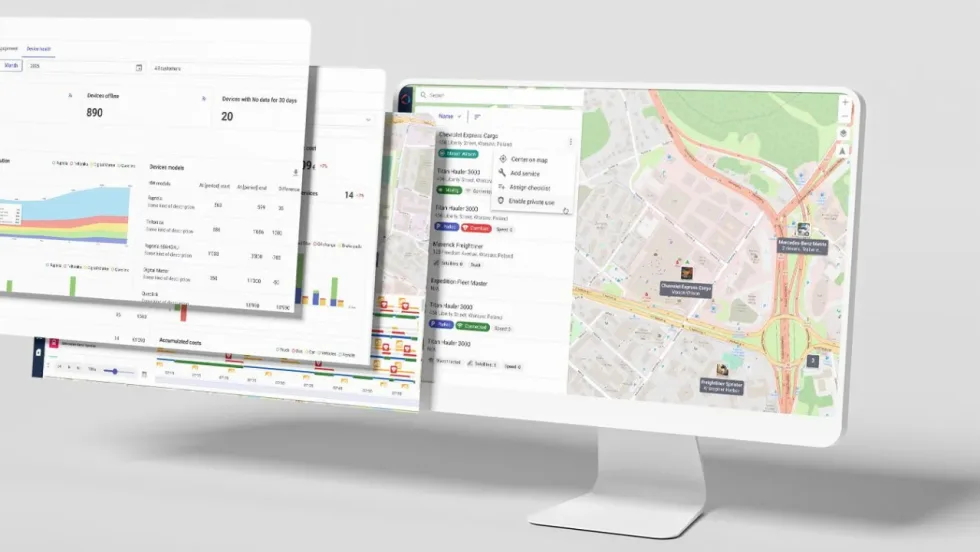
Wialon Unlocks OEM Data to Give Fleet Owners Data Ownership & Operational Clarity
Wialon has introduced hardware-free OEM integration as the EU Data Act accelerates the shift in vehicle data access across the fleet industry in many countries.
Read More →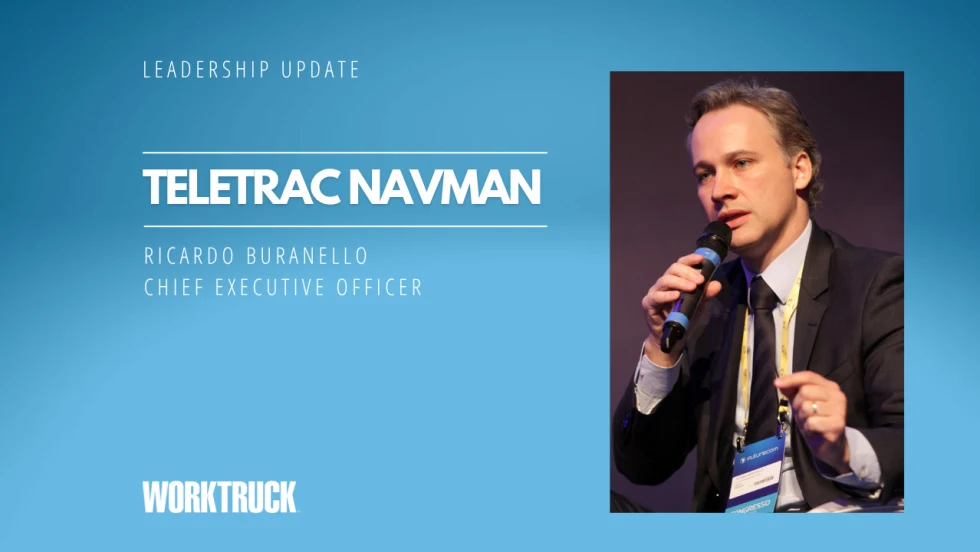
Teletrac Navman Promotes New CEO from Within
Teletrac Navman’s next CEO, Ricardo Buranello, has served as the company’s chief financial and operating officer. He brings deep financial and operational expertise, a strong strategic orientation, and an intimate knowledge of the business to his new role.
Read More →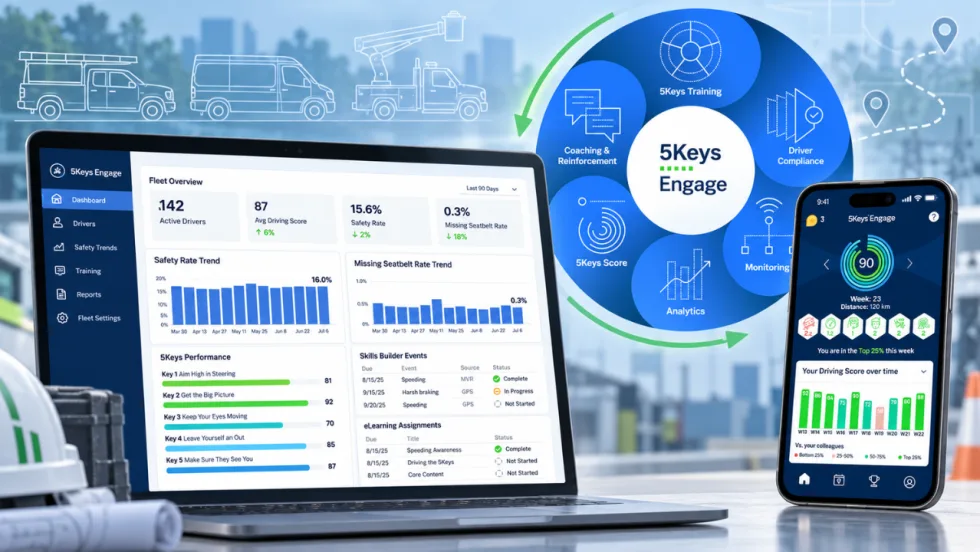
Smith System Wants Work Truck Fleets to Look Beyond the Driver Alert
Smith System’s new Driver Risk Management program is built to help mixed work truck fleets turn telematics alerts and observations into specific behaviors, coaching actions, and measurable follow-up.
Read More →
Ford Pro Software Updates: August 26
Check out the latest Ford Pro software updates, including Google Maps integration, Remote Vehicle Alarm integration, Motor Pool for easier management of shared pool vehicles, and more.
Read More →
Where AI Is Actually Saving Fleet Managers Time
AI is moving past the buzzword stage and into the daily fleet workflow. Fleetio’s Brianna Perry Lang breaks down where fleets are seeing real time savings, from maintenance and data entry to repair decisions, safety, and compliance
Read More →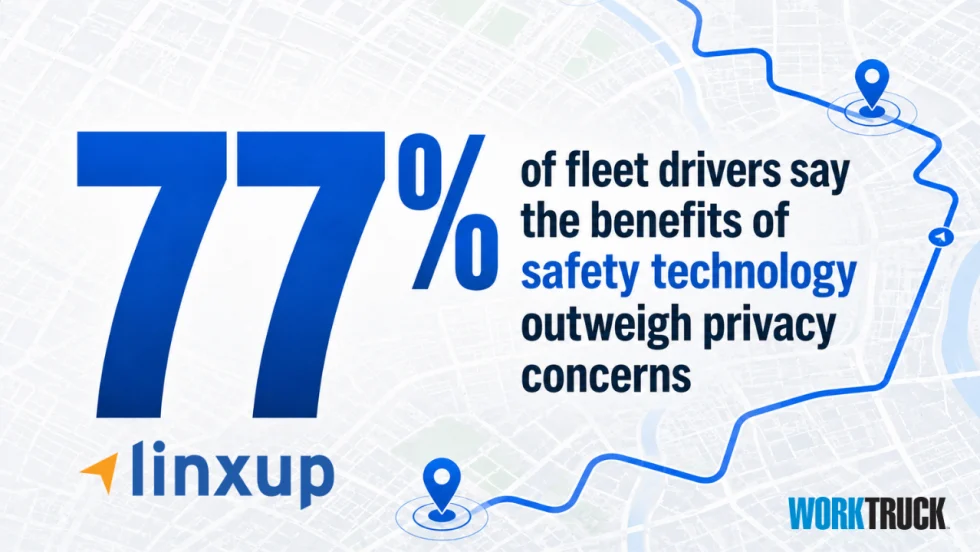
Are Work Truck Drivers Warming Up to Dash Cams and GPS Tracking?
A new survey finds field-service drivers may be more comfortable with dash cams and GPS tracking than fleet managers think, especially when the technology helps protect them after a crash.
Read More →