




What is an RFP? According to the most generally accepted definition, a request for proposal, or RFP, is a document that solicits a proposal. This proposale is often made through a bidding process to potential suppliers, by an agency or company interested in procurement of a commodity, service, or valuable asset.
5 Tips: Make the Most of Your Fleet Management Tech RFP
Do you understand requests for proposals (RFPs), truly? Do you know your top priorities or the timeline of the process? These tips will help.
by Kevin Aries, Verizon Connect
April 11, 2023
A request for proposal, or RFP, is important for businesses to ensure you get what you need.
Photo: Work Truck/Canva
3 min to read
Fleet managers have many reasons to seek a telematics or fleet management solution. It could be to improve productivity, increase driver safety, or reduce operating costs.
For most companies, a small series of engagements with a solution’s Sales Team to ask questions, see a demo and confirm pricing provides all the information needed.
For larger companies with unique or custom requirements, it’s critical that a request for proposal (RFP) clearly documents your key business priorities while, in return, getting a thorough set of responses tailored to your needs.
Here are five ways to make your next telematics RFP a resounding success from start to finish:
Step 1: Start with a Conversation
Fleet management software doesn’t always require a customized approach to address specific telematics and operational intelligence needs.
Factors such as the fleet size, the number of drivers, and specific integration or custom API requirements are essential to beginning a successful search, but this doesn’t necessarily mean an RFP is required.
Discussing these many variables at the beginning of your process is important to determine the best path for engaging around your specific needs.
Step 2: Determine your Top Priorities
If an RFP is required, it’s important not to try and solve every issue or, conversely, go too broad in your requirements.
Whether you’re focused on improving driver safety, saving money on operational costs, or better serving your end customers, decide what those are before you start your RFP draft. Then, document your requirements and KPIs to get there.
You should expect your solution provider to quickly align to your KPIs which shows their understanding of your business and is a sign of a potential strategic partnership.
Step 3: Understand the Timeline
The length of the RFP process will be determined by your own team and its ability to come together.
Including your fleet manager, IT team, operations lead, finance lead, and any other people on your team closest to your fleet operations is recommended. All process members must offer their understanding and perspective to make this work.
Having all stakeholders at the table from the start streamlines the process and promotes synergy regarding the goals and KPIs that need to be established.
Your RFP process timeline is impacted by many variables, including your own team and its ability to come together.
Photo: Work Truck/Canva
Step 4: Avoid Common RFP Mistakes
If you cannot determine your ROI at the conclusion of your RFP engagements, something is amiss, and you should discuss this with the provider you choose.
A smarter approach is to be clear about the ROI you expect and be open to starting small by solving key business problems and expanding to more solution areas over time.
Another common mistake: not outlining your key technical requirements. Think about your billing, dispatch, fuel management, and other systems you may need to integrate with, as well as existing vehicle technology like embedded safety systems that must work in parallel with your new solution.
Giving the solution provider a full 360-degree view of your technology and operations is critical to determining the opportunities for additional value.
Step 5: Reap the Benefits of Technology
Fleet management technology is evolving fast with developments such as smarter sensors, more intuitive software, and artificial intelligence (AI). These advancements make the availability of near real-time and historical data greater than ever.
To provide fleet managers with more insight into dangerous events and in-cab coaching to alert drivers in real-time of high-risk driving behaviors, Verizon Connect has unveiled an advanced Artificial Intelligence (AI) dashcam to enable real-time detection of potentially dangerous driving events and to boost driver safety.
Typically, these solutions are just the beginning. Work closely with a solution’s Sales Team to understand the recent evolution of their technology and use it to indicate where they’re likely to innovate in the future.
Given that the cost of switching providers can be high, RFPs aren’t meant to identify short-term partners – you’re beginning the journey of identifying a strategic partnership to last for years to come.
Subscribe to Our Newsletter
More Technology
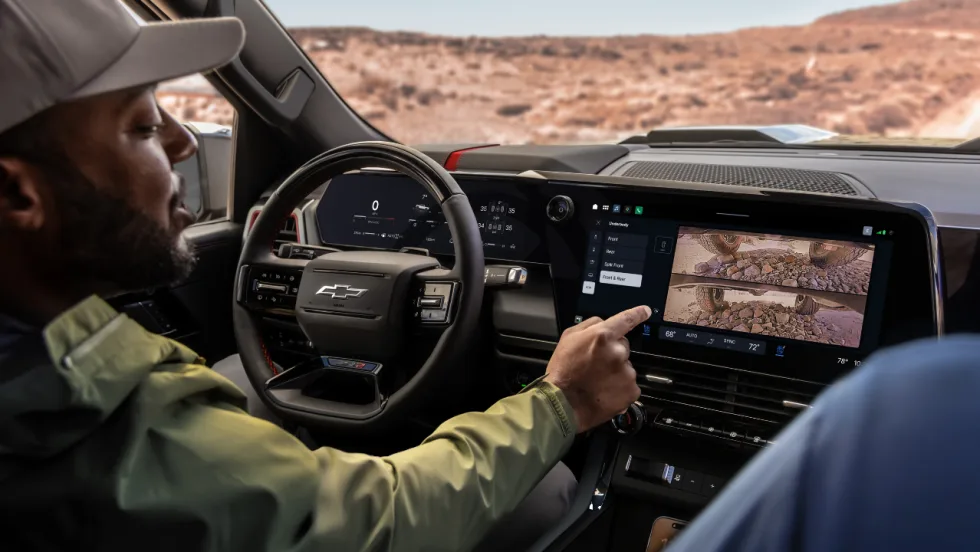
GM Brings New Truck Focused Interface to 2027 Silverado and Sierra
GM's new pickup interface puts trailering data, camera views, vehicle controls, and smartphone integration closer to the driver in the 2027 Silverado and Sierra.
Read More →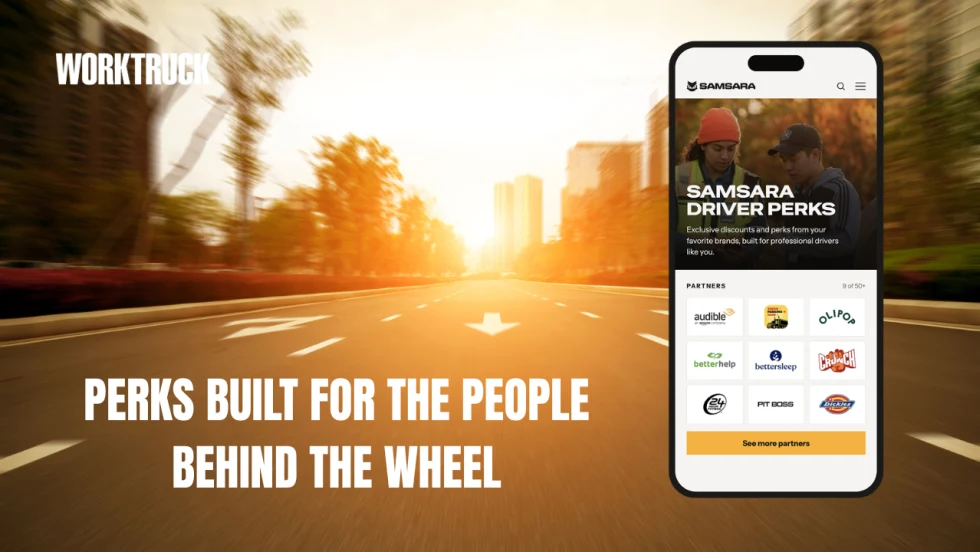
Samsara Driver Perks Expands Rewards Beyond the Long Haul Driver
Samsara’s new driver rewards program was built with a broader professional driver in mind, including employees who split their day between driving, job sites, service calls, and other work.
Read More →
AI Service Advisor Aims to Cut Fleet Repair Downtime
Fleetio said its AI Service Advisor can help fleets cut repair downtime by an average of 2.5 hours per repair while reducing manual maintenance work.
Read More →
Verra Mobility Launches AI-Driven Title & Registration Solution
Verra Mobility has launched a new AI-driven Title & Registration platform to help fleets move vehicles from acquisition to the road the same day while reducing compliance risk.
Read More →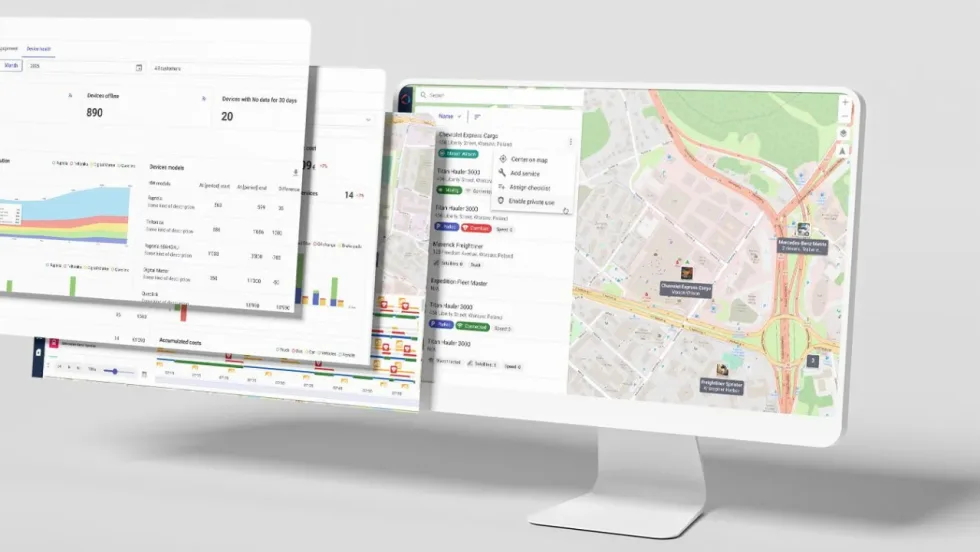
Wialon Unlocks OEM Data to Give Fleet Owners Data Ownership & Operational Clarity
Wialon has introduced hardware-free OEM integration as the EU Data Act accelerates the shift in vehicle data access across the fleet industry in many countries.
Read More →
Teletrac Navman Promotes New CEO from Within
Teletrac Navman’s next CEO, Ricardo Buranello, has served as the company’s chief financial and operating officer. He brings deep financial and operational expertise, a strong strategic orientation, and an intimate knowledge of the business to his new role.
Read More →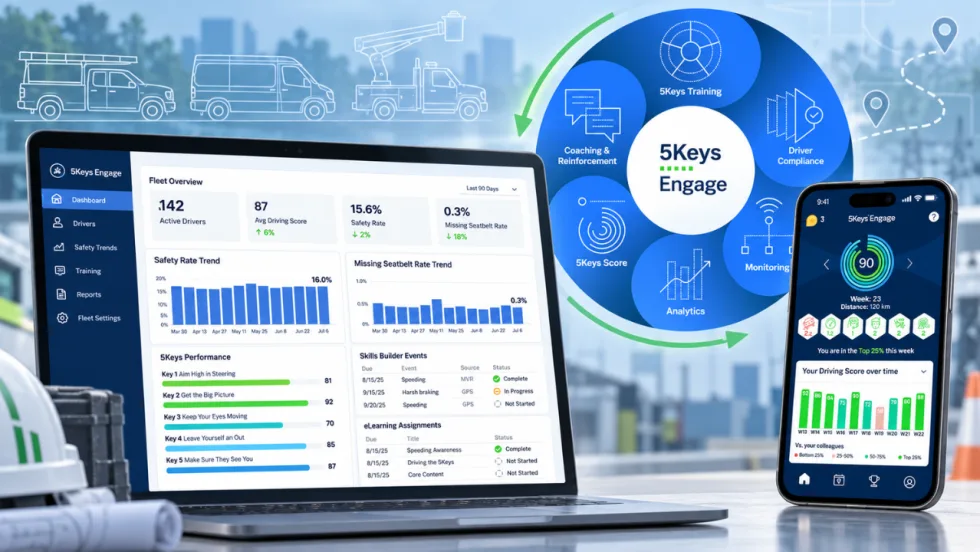
Smith System Wants Work Truck Fleets to Look Beyond the Driver Alert
Smith System’s new Driver Risk Management program is built to help mixed work truck fleets turn telematics alerts and observations into specific behaviors, coaching actions, and measurable follow-up.
Read More →
Ford Pro Software Updates: August 26
Check out the latest Ford Pro software updates, including Google Maps integration, Remote Vehicle Alarm integration, Motor Pool for easier management of shared pool vehicles, and more.
Read More →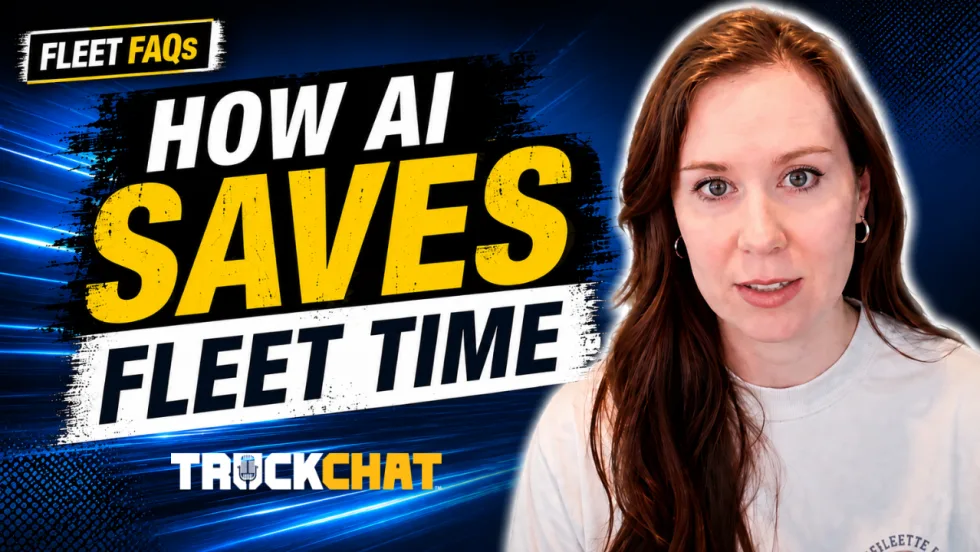
Where AI Is Actually Saving Fleet Managers Time
AI is moving past the buzzword stage and into the daily fleet workflow. Fleetio’s Brianna Perry Lang breaks down where fleets are seeing real time savings, from maintenance and data entry to repair decisions, safety, and compliance
Read More →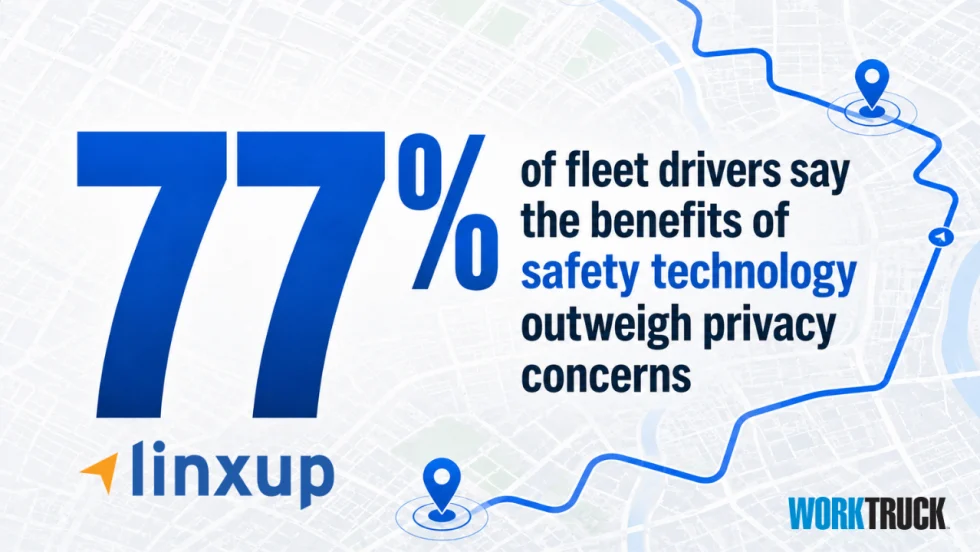
Are Work Truck Drivers Warming Up to Dash Cams and GPS Tracking?
A new survey finds field-service drivers may be more comfortable with dash cams and GPS tracking than fleet managers think, especially when the technology helps protect them after a crash.
Read More →