




Learn More: 5 Ways to Boost Driver Engagement for Lower Turnover and Better Safety
3 Ways Video Is Transforming Telematics in 2021
The game-changing technology provides the fleet manager with never-before-seen insights into why they are seeing poor driving performance and collisions.
by Jonathan Bates, MiX Telematics
May 18, 2021
Machine vision allows for the detection, alerting, and reporting of risky driving behavior – for example, mobile phone use, driver fatigue, distraction, not wearing a seat belt, lane departure without signaling, tailgating, and imminent forward collision.
Photo: Canva
4 min to read
According to Frost & Sullivan, the market for video telematics will grow by 22.2 percent from 2020-2025, to 3.2M subscribers. Video telematics can reduce collisions by 60 percent, and can reduce collision costs by 75 percent. Visual evidence collected by in-cab cameras is also a powerful tool for insurance claims and driver safety training. These are just some of the reasons why fleets of all sizes are implementing video in droves.
In-cab video has become an expectation for fleets who are looking at telematics solutions, and machine vision technology is on the cusp of moving beyond the early adopter stage. We believe that by 2023, machine vision-enabled in-cab video will be a telematics standard.
Machine vision allows for the detection, alerting, and reporting of risky driving behavior – for example, mobile phone use, driver fatigue, distraction, not wearing a seat belt, lane departure without signaling, tailgating, and imminent forward collision.
This game-changing technology provides the fleet manager with never-before-seen insights into why they are seeing poor driving performance and collisions.
Poor driving performance and collisions significantly contribute to higher operating costs (fuel and maintenance), lower fleet availability, higher risk exposure and lower customer satisfaction.
How Video is Transforming Telematics Today
With that said, here are three ways video with machine vision capability is transforming telematics right now.
1. Real-time, In-Cab Coaching
In recent years, the way fleets use video has changed dramatically. Initially, fleets only had the capability to capture video recordings when driving performance events – like speeding and braking – were triggered. There were no live feeds. Managers would review the recordings much later, and use them for driver safety scorecards and coaching. Some systems could alert drivers with a generic warning like a beep in the cab to alert them to a potential danger. The alerts were non-specific, but better than nothing. Virtually no fleets had the technology, staff or ability to monitor live video feeds for all their vehicles.
Recently, however, machine vision technology has entered the market, and now drivers can be alerted in real-time to their risky behaviors such as mobile phone use and tailgating, etc. This immediate refocusing of the drivers attention will help drivers adjust their control of the vehicle to prevent an unsafe situation from rapidly escalating into a collision.
In addition, drivers know that this information is available for their managers in real-time, which will typically result in a safety-focused conversation.
The addition of video telematics, with machine vision, to the existing vehicle telematics capability provides the most impact when it comes to managing driver performance in-cab.
2. After-the-Fact CoachingUsing Video Evidence
Nearly every fleet performs periodic coaching for drivers at an office or other central location – this type of coaching has been proven to bring about sustained improvements in safe driver behavior. Now, many are incorporating video recordings to showcase best practices or to coach drivers on better alternatives for handling certain situations.
With video, it’s simple for driver coaches to show cause and effect:
A driver, distracted by her phone screen, subsequently rear-ends another vehicle.
A driver taking a curve too fast oversteps the lane boundary and sideswipes another vehicle.
A driver not fully focused on the road ahead, is cut off by a car changing into his lane too quickly, and subsequently fails to react correctly and jackknifes a vehicle.
Coaches can then instruct drivers on how to avoid each of these situations the next time around, using video to point out specific behaviors to change. Monitoring alone isn’t enough to permanently change behavior. But monitoring + coaching is.
3. Reducing the Coaching Burden on Managers & Business Owners
A fleet with 1,000 vehicles will have 1,000 cameras. At an average of 15 safety events per vehicle per day, that’s 15,000 potential video segments to watch every day. Clearly that volume would be overwhelming for fleet managers. New machine-vision based systems can do the heavy lifting of screening those videos, automatically flagging those drivers who need correcting/coaching, and then measuring drivers’ progress after.
Some telematics features fleets should look for in this regard include a workflow-based approach that leads both driver and coach through the process, and automatic classification of events. These are crucial to make sure that managers aren’t overwhelmed with the amount of video they have to review.
This is especially important for small-to-medium businesses (SMBs), where company owners fulfill multiple operational roles and don’t have time to get into the coaching details with every individual driver. Technology can lift the burden off owners while still enabling the outcomes of safer and more fuel-efficient driving.
Many fleets have told us that just the presence of the camera in the cab solves half the problem. Knowing that their driving is being monitored causes many drivers to pay more attention and drive more safely. Just putting cameras in the cabs, even if they aren’t monitored right away, has an immediate positive effect on safety. But for lasting benefits, fleets need to monitor video on a regular basis and reinforce the investment in technology through proactive driver coaching.
About the Author: Jonathan Bates is Executive Vice President of MiX Telematics. This article was authored and edited according to WT editorial standards and style to provide useful information to our readers. Opinions expressed may not reflect that of WT.
Subscribe to Our Newsletter
More Technology
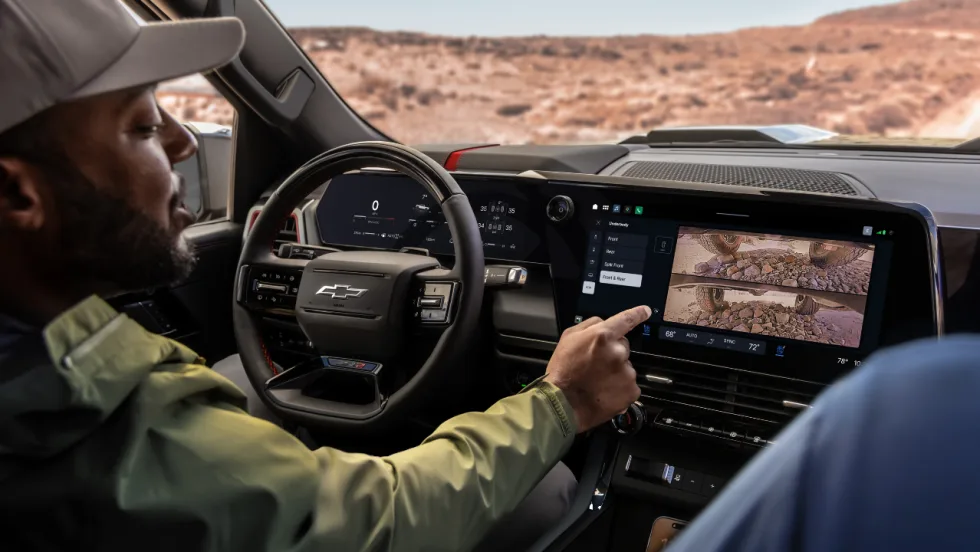
GM Brings New Truck Focused Interface to 2027 Silverado and Sierra
GM's new pickup interface puts trailering data, camera views, vehicle controls, and smartphone integration closer to the driver in the 2027 Silverado and Sierra.
Read More →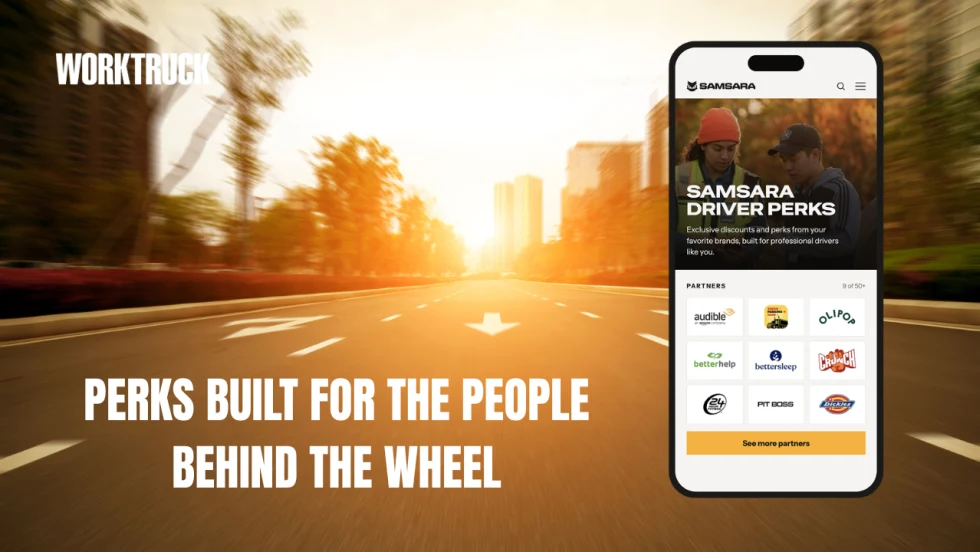
Samsara Driver Perks Expands Rewards Beyond the Long Haul Driver
Samsara’s new driver rewards program was built with a broader professional driver in mind, including employees who split their day between driving, job sites, service calls, and other work.
Read More →
AI Service Advisor Aims to Cut Fleet Repair Downtime
Fleetio said its AI Service Advisor can help fleets cut repair downtime by an average of 2.5 hours per repair while reducing manual maintenance work.
Read More →
Verra Mobility Launches AI-Driven Title & Registration Solution
Verra Mobility has launched a new AI-driven Title & Registration platform to help fleets move vehicles from acquisition to the road the same day while reducing compliance risk.
Read More →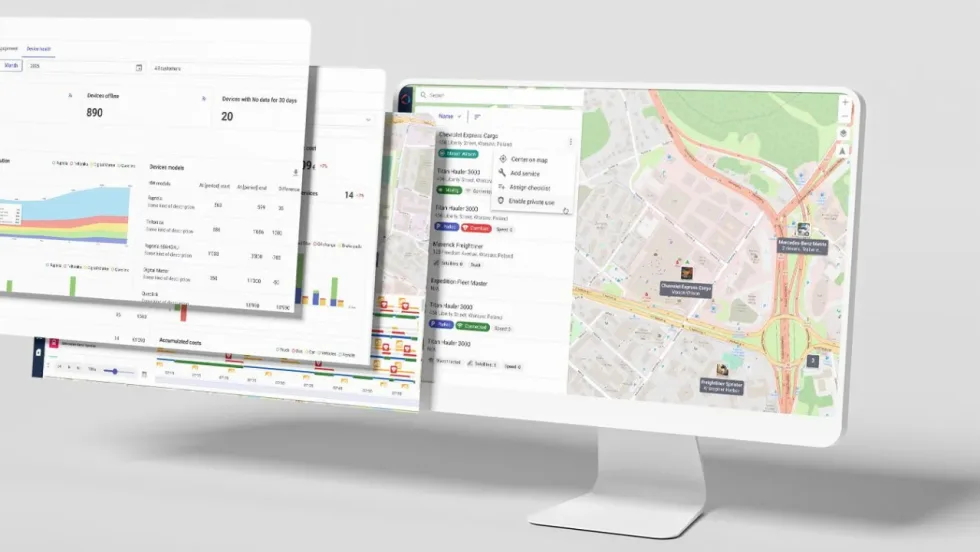
Wialon Unlocks OEM Data to Give Fleet Owners Data Ownership & Operational Clarity
Wialon has introduced hardware-free OEM integration as the EU Data Act accelerates the shift in vehicle data access across the fleet industry in many countries.
Read More →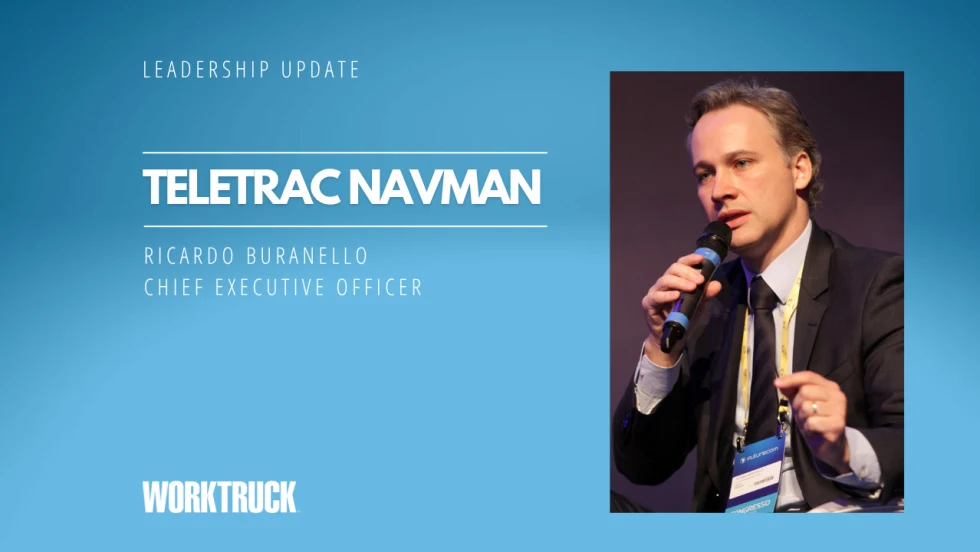
Teletrac Navman Promotes New CEO from Within
Teletrac Navman’s next CEO, Ricardo Buranello, has served as the company’s chief financial and operating officer. He brings deep financial and operational expertise, a strong strategic orientation, and an intimate knowledge of the business to his new role.
Read More →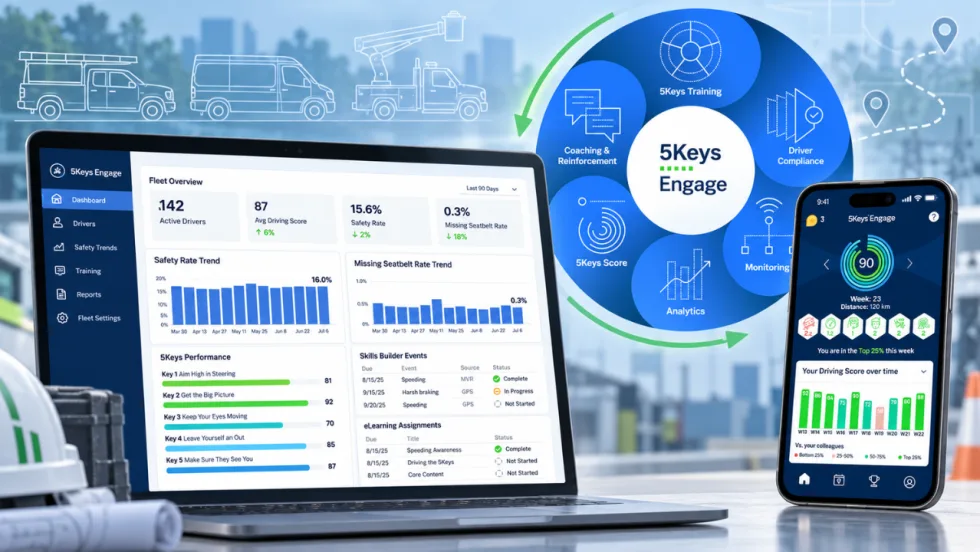
Smith System Wants Work Truck Fleets to Look Beyond the Driver Alert
Smith System’s new Driver Risk Management program is built to help mixed work truck fleets turn telematics alerts and observations into specific behaviors, coaching actions, and measurable follow-up.
Read More →
Ford Pro Software Updates: August 26
Check out the latest Ford Pro software updates, including Google Maps integration, Remote Vehicle Alarm integration, Motor Pool for easier management of shared pool vehicles, and more.
Read More →
Where AI Is Actually Saving Fleet Managers Time
AI is moving past the buzzword stage and into the daily fleet workflow. Fleetio’s Brianna Perry Lang breaks down where fleets are seeing real time savings, from maintenance and data entry to repair decisions, safety, and compliance
Read More →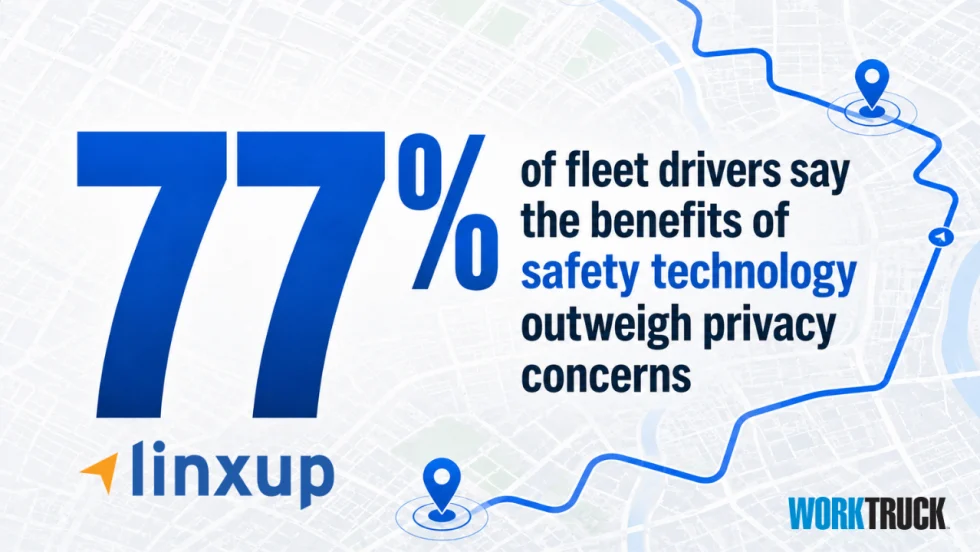
Are Work Truck Drivers Warming Up to Dash Cams and GPS Tracking?
A new survey finds field-service drivers may be more comfortable with dash cams and GPS tracking than fleet managers think, especially when the technology helps protect them after a crash.
Read More →