




Related: Telematics in Mixed Truck Fleets: Equipment and Reporting
3 Unexpected Ways Fleet Tracking Will Improve Sales Performance
Robust fleet tracking solutions provide countless features that add useful insight to help optimize sales performance. Three ways that you might not expect it to help are shared.
by Tom Erdman, president, Azuga Fleet
September 28, 2016
Image courtesy of Azuga
3 min to read
When I talk about using a fleet tracking solution with sales executives, a typical first reaction often goes like this: "I don't need to track my team. If they’re not selling, it'll show in the numbers." And, the statement is undoubtedly right. As a former sales leader myself, I never lacked for indicators of whether a member of my team was working smartly—creating a 45–60 day pipeline, knowing their quota gap and showing a plan to close the deal, having a crisp opening and asking smart probing questions.
However, using fleet tracking to help capture more information about actual sales execution is different than managing individuals’ performance. Sure, you can see where your representatives are and where they’ve been. For new sellers and those who aren’t performing as well as they should be, this full visibility can help you out-compete companies who are selling from the couch instead of your prospects’ locations. Robust fleet tracking solutions provide countless features that add useful insight to help optimize sales performance. These are three that you might not expect:
1. Territory Alignment
Unless you have a problem seller, you probably have little interest in constantly reviewing everyone's location in real time. But when location information is analyzed over time and you’re able to see how people actually move and travel, you can see concentrations in activity, and, conversely, underserved parts of the map. You can also easily spot overlap and visualize how realignment may benefit your ability to hit numbers.
2. Expense Management
Regardless of how well sales are performing, there aren’t too many sales executives who haven’t had the talk about controlling T&E from the CEO or CFO. To prevent these talks, a fleet tracking solution can help in many ways. First, proper territory alignment should bring efficiencies to market coverage, which results in less mileage. We’ve seen businesses save thousands of dollars in fuel by eliminating crisscrossing route patterns and territory overlap. Second, fleet tracking makes it easy for your sellers to tag trips in their vehicles as “business” or “personal,” and you’re going to have easy access to information to show that stops are at customer addresses for trips tagged as “business.” Third, in running large sales teams, I often find there to be an inverse relationship between sales performance and mileage expense — sellers use mileage reimbursement to augment low commissions. A fully integrated solution like this eliminates opportunities for underperformers to augment employees’ incomes through excessive mileage reimbursements.
3. Key Account Focus
For sellers that handle key accounts, being able to see the level of sales support and attention accounts receive is essential to managing performance. This visibility also helps you stay on top of the situation to make sure you don't get blind-sided to unseen (and unreported) gaps between your team and your most valuable customers.
A fleet tracking solution is an important tool for sales management. Not only will it give sales executives a powerful method to manage and improve sales numbers, but it will also give confidence to the rest of your executive team that you have the systems in place to effectively monitor and manage the sales force.
About the Author
Thomas Erdman is the president of the Fleet Division at Azuga Fleet. With more than 30 years of experience in the wireless and fleet telematics industries, Erdman oversees Azuga’s global sales, marketing, customer satisfaction, and operations.
Subscribe to Our Newsletter
More Technology
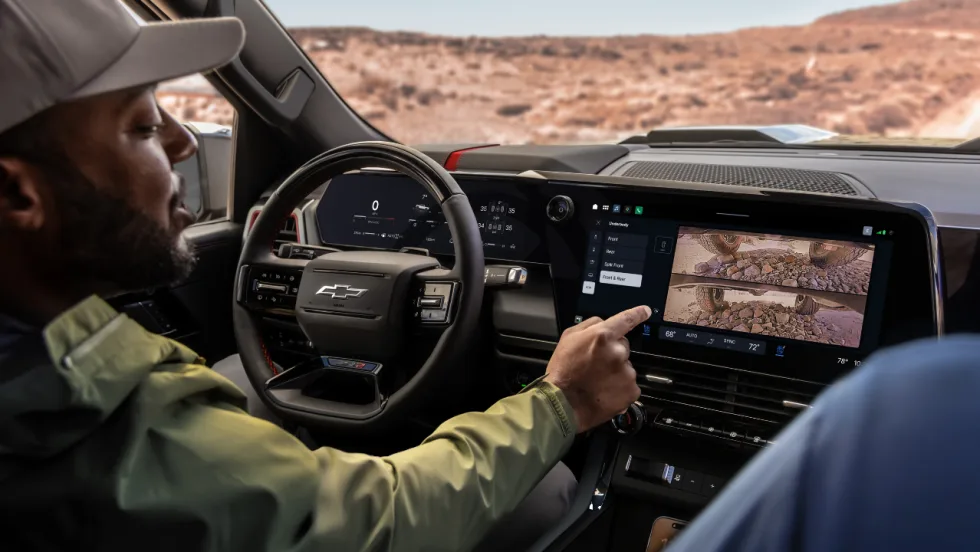
GM Brings New Truck Focused Interface to 2027 Silverado and Sierra
GM's new pickup interface puts trailering data, camera views, vehicle controls, and smartphone integration closer to the driver in the 2027 Silverado and Sierra.
Read More →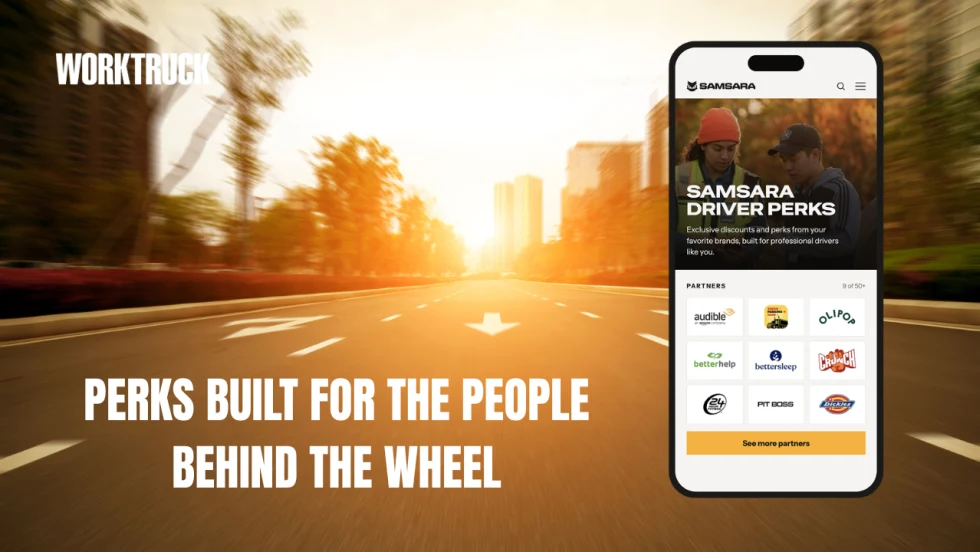
Samsara Driver Perks Expands Rewards Beyond the Long Haul Driver
Samsara’s new driver rewards program was built with a broader professional driver in mind, including employees who split their day between driving, job sites, service calls, and other work.
Read More →
AI Service Advisor Aims to Cut Fleet Repair Downtime
Fleetio said its AI Service Advisor can help fleets cut repair downtime by an average of 2.5 hours per repair while reducing manual maintenance work.
Read More →
Verra Mobility Launches AI-Driven Title & Registration Solution
Verra Mobility has launched a new AI-driven Title & Registration platform to help fleets move vehicles from acquisition to the road the same day while reducing compliance risk.
Read More →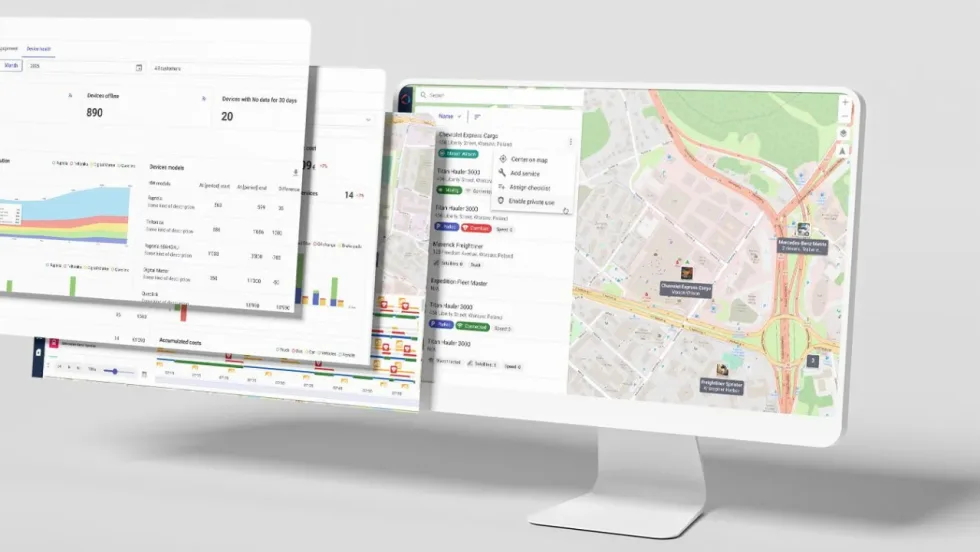
Wialon Unlocks OEM Data to Give Fleet Owners Data Ownership & Operational Clarity
Wialon has introduced hardware-free OEM integration as the EU Data Act accelerates the shift in vehicle data access across the fleet industry in many countries.
Read More →
Teletrac Navman Promotes New CEO from Within
Teletrac Navman’s next CEO, Ricardo Buranello, has served as the company’s chief financial and operating officer. He brings deep financial and operational expertise, a strong strategic orientation, and an intimate knowledge of the business to his new role.
Read More →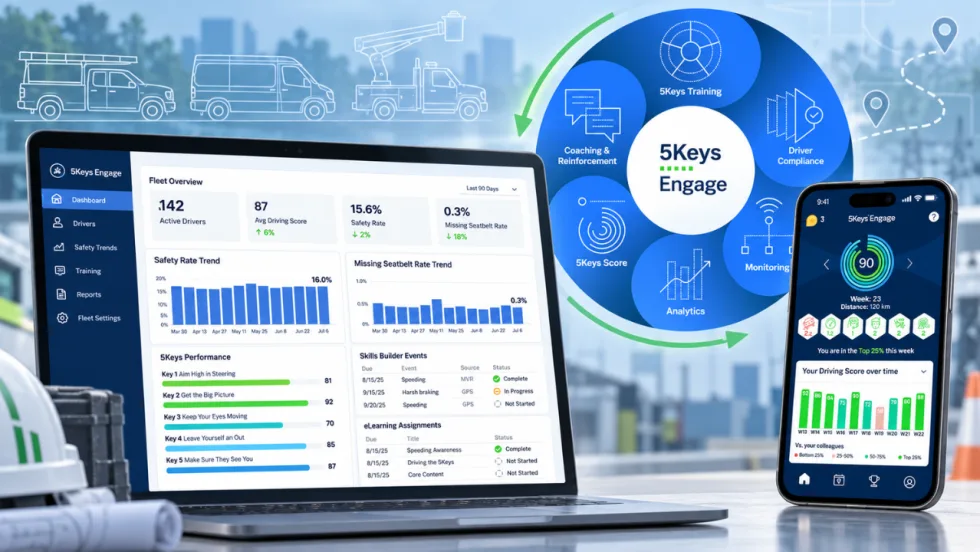
Smith System Wants Work Truck Fleets to Look Beyond the Driver Alert
Smith System’s new Driver Risk Management program is built to help mixed work truck fleets turn telematics alerts and observations into specific behaviors, coaching actions, and measurable follow-up.
Read More →
Ford Pro Software Updates: August 26
Check out the latest Ford Pro software updates, including Google Maps integration, Remote Vehicle Alarm integration, Motor Pool for easier management of shared pool vehicles, and more.
Read More →
Where AI Is Actually Saving Fleet Managers Time
AI is moving past the buzzword stage and into the daily fleet workflow. Fleetio’s Brianna Perry Lang breaks down where fleets are seeing real time savings, from maintenance and data entry to repair decisions, safety, and compliance
Read More →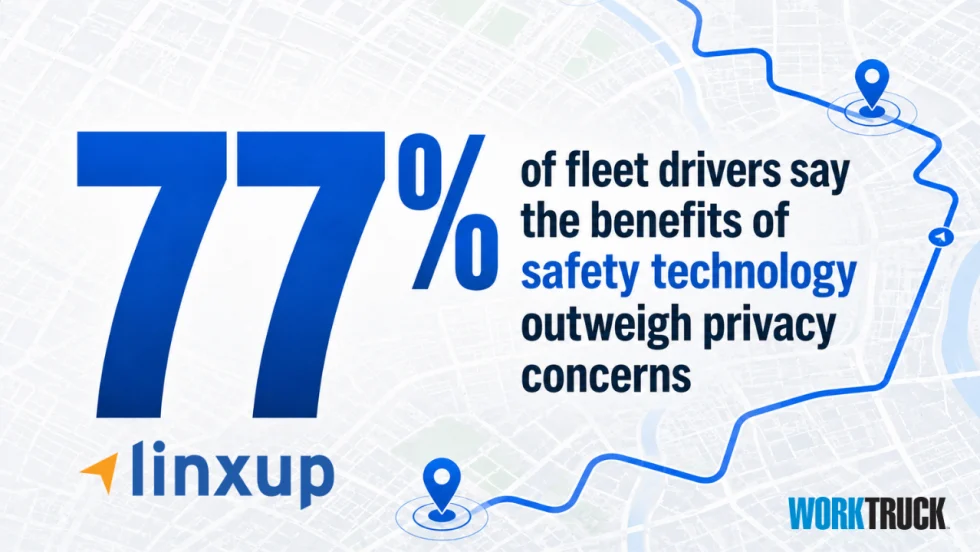
Are Work Truck Drivers Warming Up to Dash Cams and GPS Tracking?
A new survey finds field-service drivers may be more comfortable with dash cams and GPS tracking than fleet managers think, especially when the technology helps protect them after a crash.
Read More →