




11 Things You Don't Know About Fleet Routing Efficiencies
Routing is more than just finding the fastest route to your end destination. Efficient routing also considers additional variables including load size, truck size, and route conditions.

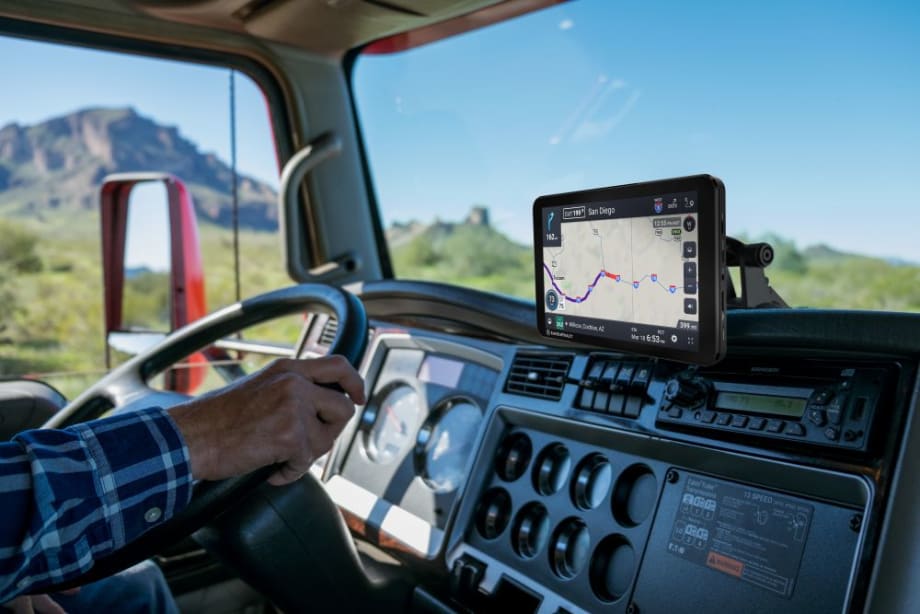
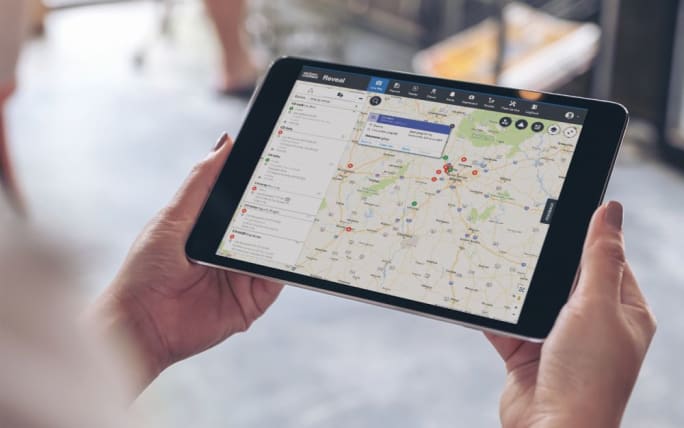
The more information a system can be provided upfront, the more efficient routing will be from the very beginning.
Photo: Rand McNally
Finding routing efficiencies can do a lot of good for trucking and delivery fleets. Improved routing can help reduce miles driven, maximize hours of service, improve order accuracy, speed up delivery times, increase productivity, reduce wear and tear on vehicles, improve driver satisfaction, reduce fuel spend, and even increase customer satisfaction — just to name a few benefits.
Given all of the benefits, it’s no wonder fleets will want to do everything they can to increase routing efficiencies. Even if you’ve trained a keen eye on routing for years, there may still be opportunities to improve.
These 11 lesser-known routing facts are here to help you find them:
1. Route Optimization Software Does More than Find the Shortest Route
While it’s true that route optimization software can find the shortest route between two points, it can also take several other variables about your network and daily operations into consideration, including the following:
Number of vehicles.
Number of customer stops.
Territories covered.
Required driver skills.
Last-mile delivery details.
Time windows.
Flexible start times.
Size of the load.
Size of the truck.
Volume availability.
Route conditions like intersections, turns, left-hand turns, traffic, weather, and roadway conditions.
“Using routing software is key,” said Scott Talaga, manager of Transportation Network Planning at McLane Grocery. “Getting your customers on a map and understanding where you can consolidate and remove unneeded miles starts with visual analysis, and routing software does that.”
McLane partnered with Trimble MAPS to implement Appian, a fleet routing and scheduling solution that allows customers to optimize flexibility among its fleet better.
“We have been able to use the optimization engines, within Direct Route, to sequence and schedule our delivery routes. Load balancing within the daily schedules allows for fleet reductions and increased utilization,” said Daniel James, director of Logistics and Transportation at McLane Foodservice. “Using the Direct Route to link multiple dispatches, for a single vehicle, into a daily schedule has increased routes per fixed assets. Optimizing domicile operations and shuttle operations has enabled McLane to increase the number of routes per fixed asset.”
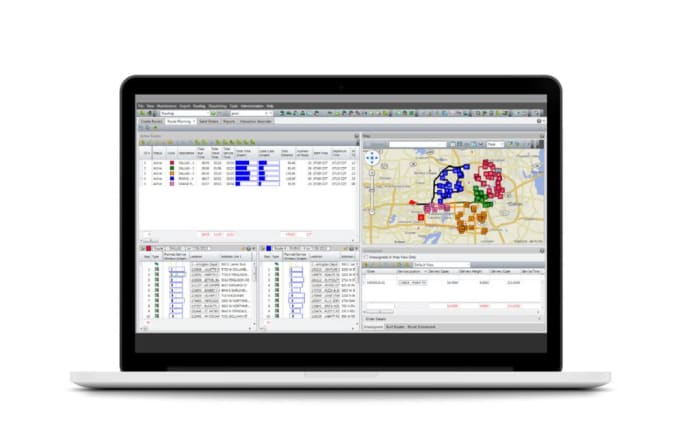
Ensuring accurate data is entered on first use and from there after will ensure decisions are being made based on
current information.
Photo: Omnitracs
2. Routing Optimization Is Only as Good as the Data You Feed It
Route optimization software can factor in all sorts of variables to determine the best route. But if you don’t give it much to work within the way of data, its ability to maximize routing efficiencies will be limited. When it comes to routing software, more data equals more efficiencies.
“When using navigation devices or cloud-based routing in the back office, the more information provided upfront will help make routing more efficient,” said Kendra Ensor, VP of marketing for Rand McNally. “For example, include specifics about the truck, trailer, and load type as well as preferences for fuel stops, multi-stop trips, and more. The algorithms used by the router will then be able to find efficiencies.”
Chris Chappelear, senior product marketing specialist at Omnitracs, said entering data isn’t something fleets should only do when they adopt routing software.
“Fleets should enter as much detailed information as they have available into routing efficiency software to create the most optimal routes. It’s also important to never become complacent,” he said. “Fleet managers must always be on the lookout for ways to improve their processes.”
Brian Larwig, director of strategy for Trimble MAPS, said data is the piece of the puzzle that reveals the complete picture of routing capabilities.
“Good data is the key to producing efficient routes. Reliable, accurate, and timely data being consumed by a solid routing solution will get your operation the gains it has been missing,” he said.
3.Data Isn’t the Only Input that Can Improve Routing
Data is certainly critical to route optimization software, but gathering stakeholder input can lead to route efficiencies, too.
“Good data is a must; accurate addresses, delivery windows, and delivery volume make all the difference,” said Talaga of McLane Grocery. “But maintaining an open line of communication with the fleet managers, drivers, and customers allows the routing analyst to apply those learnings to finetune aspects of the routing software to fit business needs.”
Talaga said that, even if the software determines one route is the best, fleets must take that input seriously if the stakeholders don’t agree.
“Listen to the group that is executing. If it’s a consensus from the operations team and also the driver that something cannot be done, a different method must be applied,” he said. “Don’t get frustrated; this happens. Do listen, collect data, and come up with an effective solution that is not necessarily the best option on paper.”
Larwig of Trimble MAPS agreed, noting that collaboration is key.
“Ensure all stakeholders can visualize and understand the optimizations being performed and why,” he added.
4. It’s Important to Play in the Sandbox
Just because routing software can output what it’s determined is the ideal route doesn’t mean fleet managers or routing analysts don’t have any control.
Kevin Aries, global product success lead at Verizon Connect, said there’s value in playing around.
“We recommend considering the benefits of having a sandbox environment to determine the best ROI based on ‘what if’ scenarios,” he said. “This gives organizations the benefit of testing the effect of adding or removing shifts, drivers, vehicles, etc., before implementing.”
Talaga agreed that trying different approaches and keeping an open mind can lead to routing efficiencies fleets might not have discovered otherwise.
“Even if you do have a method that is working, utilize the routing system to run different scenarios to get yourslf out of one-way thinking,” he said. “Even if that test doesn’t 100% work, learnings can be achieved from the parts that do.”
5. You Should Consider Opening Up Delivery Windows
Another way to find efficiencies is not to accept every variable as set in stone. For instance, James of McLane Foodservice and Talaga of McLane Grocery reconsidered delivery windows and warehouse schedules, which opened up additional routing possibilities.
“The customer delivery windows are a constant struggle. You have to be willing to challenge the windows that the DC creates, that are preferences rather than real constraints,” James said. “We have worked with our distribution centers and our customers to open delivery windows. By removing the individual store restrictions on delivery times, we have been able to increase efficiencies and reduce miles driven.”
Talaga said reconsidering the existing schedule constraints has had a positive ripple effect.
“Routing is not just routing; it can dictate the warehouse schedule. Or a routing scenario may be impossible due to warehouse constraints. A balance must be achieved,” he said. “A recent example that comes to mind involves a distribution center on a set loading schedule. Moving 80 deliveries (not a lot) to a later shift on Friday opened up an additional delivery pattern that smoothed out the entire week.”
James characterizes his winning equation as such: “Routing optimization is a function of delivery windows, DOT hours, vehicle capacity, drive time and unloading speeds,” he said. “If you are able to find ways within your business to remove delivery window restrictions, increase delivery speeds and utilize more of your vehicle capacity you will find the efficiencies that you are looking for.”
Routing efficiency can vary between trucks in the same region due to size and it’s important to keep that in mind.
Photo: Wireless Links
6. Sometimes Your Route Is Only as Good as the Communication with Your Driver
Let’s say you’ve found the very best route for a driver’s day. Great. But then when the driver gets on the road, things go sideways – weather hits, traffic backs up, or you get an unexpected customer request. That’s when the plan has to change on the fly. If you can’t communicate that quickly to the driver, your efficiency gains go out the door.
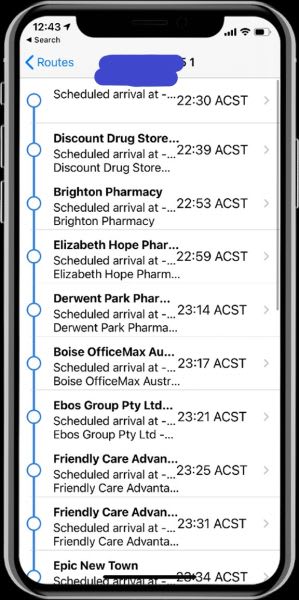
“When it comes to route performance, more fleets are starting to emphasize empowering drivers with tools to execute against plans,” said Sean McGee, senior director, product management at Samsara. “That’s why driver apps and real-time data are more important than ever. A well-designed app gives drivers the right information at the right time; this helps reduce back-and-forth between the driver and dispatch, helping both parties save time.”
Drivers should also be able to use their app to see upcoming routes, navigate to their next stop, and be notified when making stops out of sequence.
“By empowering drivers to execute routes, fleets can have confidence in route performance and save time for everyone. We’ve seen fleets that take advantage of this have a meaningful impact on their overall fleet efficiency and bottom line,” McGee added.
7. Truck Size Matters
Routing efficiencies can vary between truck types due to their size, so it’s important to factor that data into the equation.
“Not all routes are designed for all trucks and vehicles. Vans and pickup trucks are smaller than medium-duty trucks and can drive through smaller alleyways and streets. Some streets don’t allow for larger trucks to drive during specific hours of the day or night, so all this needs to be taken into consideration when planning out the route,” said Morgan Minster, marketing manager at Wireless Links. “Adding this information to the route planning software will assist in creating the optimal route for each truck/vehicle within the fleet, so a medium-duty truck won’t end up driving a narrow alley.”
In addition to the size of the vehicle itself, Steven Berube, sr. business development manager for Geotab, said routing software could factor in other truck restrictions as well that allow fleets further to customize a route to the specific truck or van.
“There is no one size fits all approach when it comes to routing efficiently,” he said. “By utilizing a fleet-specific routing program, drivers can ensure that their routing program is taking into consideration any restrictions the vehicle may have, such as weight and load limits, and provide drivers with confidence that they are taking the most efficient and practical route.”
Ensor said legal and safety considerations can also be addressed with routing software.
“Routing efficiencies can vary dramatically among different truck types. That’s why it’s important to provide the key details about the truck, trailer, load when setting up navigation,” she said. “For example, over-the-road, long-haul class 8 trucks generally travel on STAA-authorized highways, and it can be difficult to find legal streets when off major roadways. On the other hand, a pickup truck can be routed on pretty much any road. A truck carrying HazMat materials needs to be routed differently from one hauling frozen food, for example.”
Truck size can also affect the route’s goal, which in turn impacts how it is optimized.
“For local delivery companies (typically light-duty vehicles), adding more stops per shift is usually their top priority while long haul service providers (typically medium-to-heavy duty vehicles) tend to focus more heavily on reducing mileage to save on fuel,” Aries said. “It’s very important for companies with heavy-duty or HazMat vehicles to plan ahead and provide their drivers with accurate, truck-legal turn-by-turn directions that avoid roads with physical and legal restrictions based on vehicle size or items being transported.”

Using a comprehensive and open platform helps access a full end-to-end solution with an ecosystem of partners and open APIs.
Photo: Geotab
8. Integration Matters, Too
One set of data is helpful. Two data sets are better. But when you can layer multiple data sets on top of each other, that’s when new efficiencies reveal themselves. For that reason, integrating your route optimization software with the other platforms you use can be a game-changer.
“When it comes to routing efficiencies, users should avoid systems that are ‘closed,’ meaning they are not open to sharing data with other systems,” Berube advised. “An end-to-end platform that accurately measures data and allows for further analytics and automation of the combined dataset is what every telematics platform should strive for. By adopting a comprehensive and open platform, like Geotab, users can access a full end-to-end solution with an ecosystem of partners and open APIs that allow users to integrate with other data sources and receive access to greater data insights. Access to greater insights can help users to make more informed decisions, which can positively impact not only their fleet, but all aspects of their business as well.”
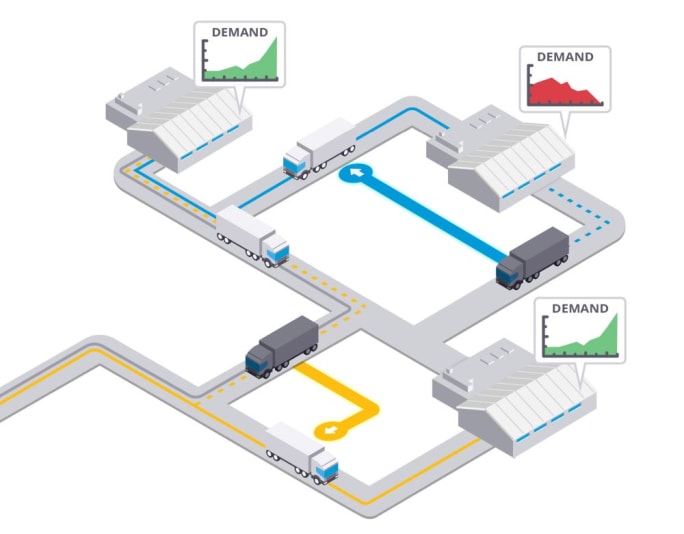
A fleet routing solution can provide flexibility depending on changes in customer demands.
Photo: Trimble Maps
9. Route Efficiencies Can Help Retain Drivers
Driver shortages are a reality. Finding routing efficiencies can help.
“We have discovered a routing methodology adapted by many of our divisions to retain drivers. ‘Long weekends’ using the routing software we can create loads and schedules that allow the drivers a longer stretch of time off for relaxation, recovery, and family time. These are very frequently durations of 72 hours or more,” Talaga said. “Driver retention is one of the most important aspects of a successful fleet.”
10. Vehicle Capacity Shouldn’t Be Overlooked
Finding the most efficient route is certainly a win, but if you’re sending out trucks or vans that are only carrying half their capacity, you’ll be making too many trips to begin with.
“Having efficient routes is important, but many fleets forget to consider optimizing vehicle capacity as part of improving their overall efficiency,” Chappelear said. “Trucks shouldn’t be going out only half full and instead should ensure around 80% capacity before leaving their depot. This helps drivers make more deliveries without needing to reload during a typical day.”
Planning their routes ahead is important to many fleets, especially those with heavy-duty or HazMat units.
Photo: Verizon Connect
11. Efficient Routing Benefits All Parties Involved
The benefits most people think of mind when it comes to efficient routing are likely miles saved and reduced fuel spend. But McGee says benefits abound for all involved.
“Efficient routes means that fleets can do more with less,” McGee said. “For drivers, this could mean less time spent in traffic and more time spent making deliveries. For managers, routing efficiencies could deliver tremendous savings in terms of reduced wear and tear on vehicles, savings in driver payroll, lower fuel spend, and improved customer service (via better on-time performance). By keeping costs low, fleets can pass savings onto customers, which in turn helps them win and keep business.”
More Technology & AI

When Fleet Technology Helps and When It Just Adds Complexity
New technology can help fleets work smarter, but only if it solves the right problem. Lauren Fletcher talks with AP Fleet’s Alex Coveney about innovation, AI, data, and knowing when a new solution is actually worth adopting.
Read More →
Volvo Trucks’ 'Lock and Leave' Software Updates Go Live Across North America
Unattended over-the-air software updates are now available in Volvo trucks across the U.S. and Canada. The new capability lets trucks stay current with the latest software without interrupting operations or requiring a dealership visit.
Read More →
GM Brings New Truck Focused Interface to 2027 Silverado and Sierra
GM's new pickup interface puts trailering data, camera views, vehicle controls, and smartphone integration closer to the driver in the 2027 Silverado and Sierra.
Read More →From Our Partners


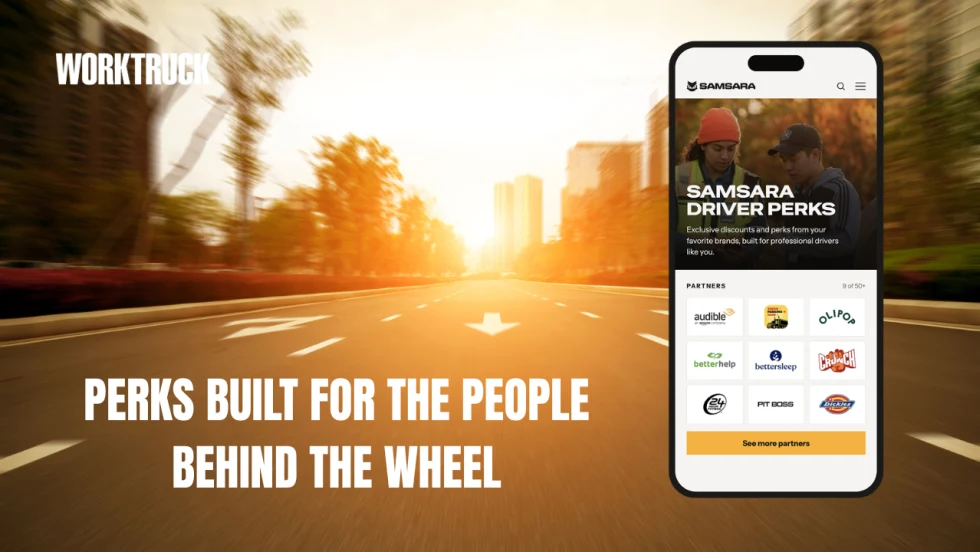
Samsara Driver Perks Expands Rewards Beyond the Long Haul Driver
Samsara’s new driver rewards program was built with a broader professional driver in mind, including employees who split their day between driving, job sites, service calls, and other work.
Read More →
AI Service Advisor Aims to Cut Fleet Repair Downtime
Fleetio said its AI Service Advisor can help fleets cut repair downtime by an average of 2.5 hours per repair while reducing manual maintenance work.
Read More →
Verra Mobility Launches AI-Driven Title & Registration Solution
Verra Mobility has launched a new AI-driven Title & Registration platform to help fleets move vehicles from acquisition to the road the same day while reducing compliance risk.
Read More →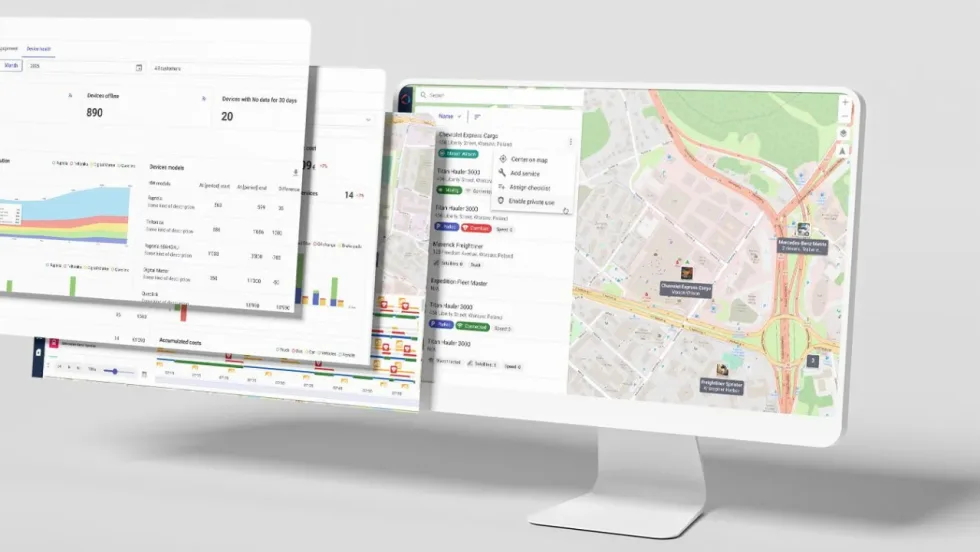
Wialon Unlocks OEM Data to Give Fleet Owners Data Ownership & Operational Clarity
Wialon has introduced hardware-free OEM integration as the EU Data Act accelerates the shift in vehicle data access across the fleet industry in many countries.
Read More →
Teletrac Navman Promotes New CEO from Within
Teletrac Navman’s next CEO, Ricardo Buranello, has served as the company’s chief financial and operating officer. He brings deep financial and operational expertise, a strong strategic orientation, and an intimate knowledge of the business to his new role.
Read More →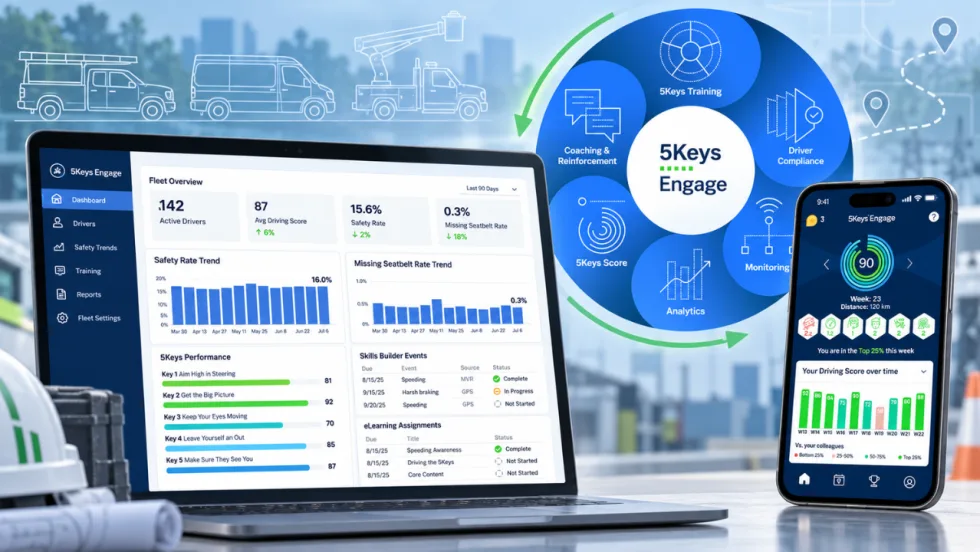
Smith System Wants Work Truck Fleets to Look Beyond the Driver Alert
Smith System’s new Driver Risk Management program is built to help mixed work truck fleets turn telematics alerts and observations into specific behaviors, coaching actions, and measurable follow-up.
Read More →
Ford Pro Software Updates: August 26
Check out the latest Ford Pro software updates, including Google Maps integration, Remote Vehicle Alarm integration, Motor Pool for easier management of shared pool vehicles, and more.
Read More →