




Top 3 Variables That Impact Telematics Pricing
Are you looking for a low-cost, high-value telematics solution? Find out what the top three impacts to telematics pricing are and what to consider when researching providers.


Getty/gustavofrazao
As you research telematics providers, it's essential to keep one thing in mind - you get what you pay for in a solution.
It's not the number that matters; it's the value that comes along with that number. Low-cost solutions may save you on upfront costs, but will most likely not be able to scale with your business and provide basic features and solutions. More robust solutions may cost more, but they have the flexibility to scale with your company and offer more value.
While many variables can impact telematics pricing, there are a few that factor in more than the rest.
Telematics Pricing Breakdown
The top three variables that impact telematics pricing are:
1. Feature requirements.
2. Purchasing vs. Renting Telematics Equipment.
3. Professional vs. Self-Installation of Telematics Devices.
1. Understanding Your Feature Requirements
The business challenges you need to solve determines what features you will require out of a telematics solution, and in turn, how much it will cost. If you need visibility into your fleet operations, are you looking for a simple dots-on-a-map solution? If your drivers are receiving speeding tickets or getting involved in crashes, do you only need to monitor speed, or are in-cab/dash cameras a part of that solution as well?
Answering these types of questions will help create a more accurate checklist of features and requirements. Approaching a telematics provider with a clear vision of the challenges you face will paint a better picture of the types of features and the overall solution you need and how much it will cost.
2. Purchasing vs. Renting Telematics Equipment
3. Professional vs. Self-Installation of Telematics Devices
The crux of determining the success of a telematics solution is the installation of the hardware. If it's not done right, it can cause a host of frustrating issues down the road (literally and figuratively) that usually leads to buyer's remorse and loss of trust in telematics in general.
There are two options to install telematics hardware - professional or self-installations. Some providers charge for professional installation while others include it as a part of their offer. If they include it in their proposal, this could mean their monthly service is higher than other options.
The cost of professional installations depends on many variables, including:
Location (and if there are multiple locations).
Number of vehicles.
Type of equipment - GPS tracking device, in-cab/dash cameras, temperature sensors, electronic logging devices (ELDs), etc.
All these factors add cost to a professional installation. There are still costs associated with self-installing telematics hardware even though you are not paying a professional upfront to do it. There is an investment of working hours it takes for your people to complete them, as well as the amount of non-productive downtime your vehicles will accrue.
Much like deciding whether to purchase or rent the equipment, there's no right answer how to perform installations. It's crucial to understand all the associated costs to make the best decision.
{incontentformtoken}
What Telematics Will Cost You
Understanding your business challenges to know what features you require, what your pricing options are, and how you will install telematics equipment are considerations to keep top of mind when choosing a potential provider. Fill out this form to speak with telematics experts who can help implement a solution into your business today.
Originally posted on Automotive Fleet
More Technology & AI
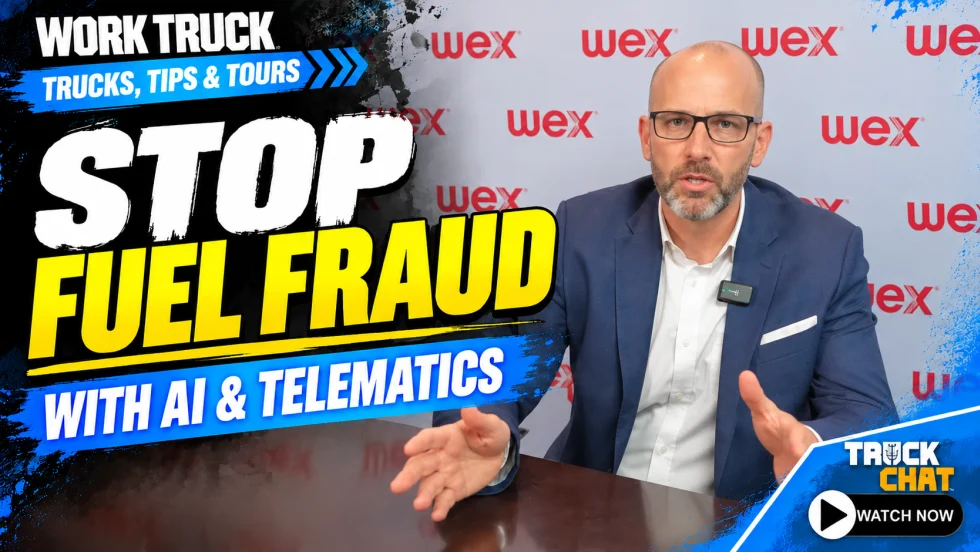
How Fleets Can Use Technology to Fight Fuel Fraud
Fuel fraud and theft remain significant challenges for commercial fleets, whether the problem involves third-party fraud or driver misuse. In this video, David Abraham of WEX explains how SecureFuel uses vehicle geolocation, telematics, transaction information, and AI to help fleet managers identify suspicious fuel purchases and make more informed decisions.
Read More →
Can AI Agents Help Small Work Truck Fleets Do More With Less?
Motive's new AI Agents automate fleet safety, maintenance, compliance, and dispatch tasks. Here's how they work for smaller fleets, what managers control, and what early users are seeing.
Read More →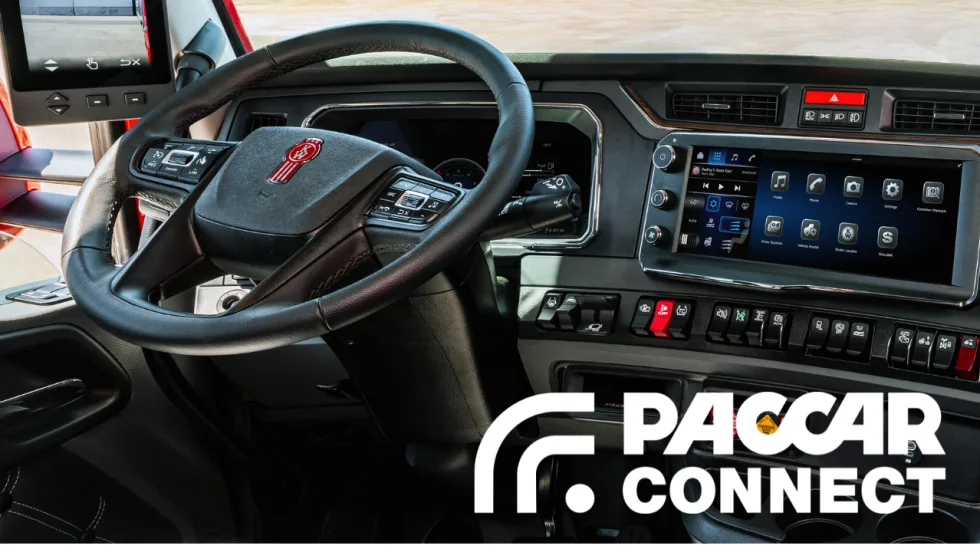
Paccar Launches Paccar Connect for Peterbilt and Kenworth Trucks
The new Paccar Connect offers touchscreen displays, telematics capabilities, and an expanding app ecosystem to boost productivity and streamline driver workflows.
Read More →From Our Partners
Basic Tracking vs Next Generation Fleet Technology
Sponsored by AT&T Business
5 Facts Every Fleet Manager Should Know About Embedded Telematics
Sponsored by Stellantis/Mobilisights
How AI Video Telematics Boosts Driver Safety and Helps to Avoid Unnecessary Costs
Sponsored by Verizon Connect
Charting the 8 Bottom-Line Benefits of Workforce Optimization
Sponsored by Verizon Connect

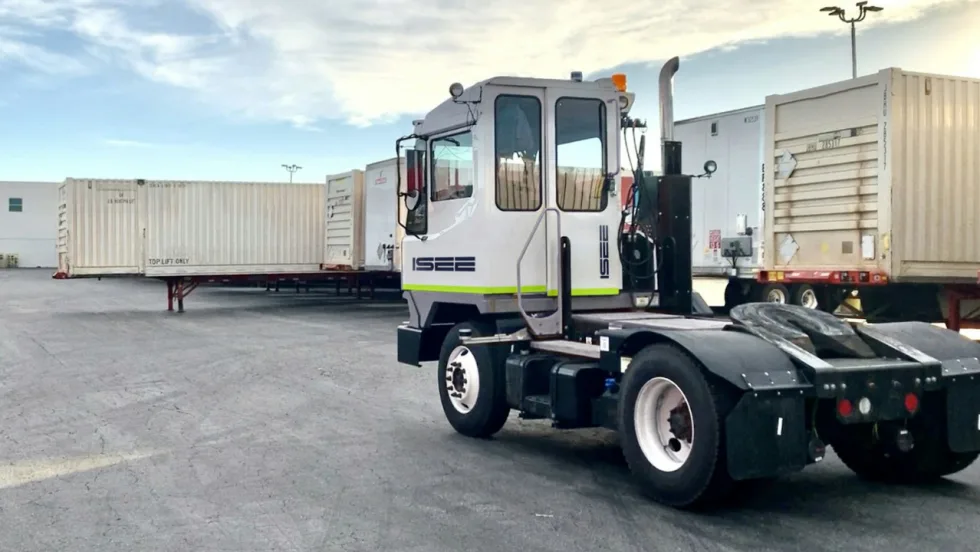
Holman and ISEE Partner to Expand Autonomous Yard Truck Operations
The partnership combines Holman's fleet management and upfitting capabilities with ISEE's autonomous driving technology to help businesses deploy and manage driverless yard trucks.
Read More →
Who You Gonna Call? Rivian Turns Electric Vehicles Into Ghostbusters Rides
Rivian teams up with Sony Pictures for a Ghostbusters-inspired Halloween software update, complete with custom sounds, lighting effects, and a special Ecto-R1.
Read More →
The Second Trip and What Missing Tools Really Cost a Service Business
For service fleets, missing tools and equipment can lead to second trips, lost technician time, higher operating costs, and delayed jobs. Equipment tracking can help HVAC, plumbing, electrical, landscaping, and other service businesses improve visibility and reduce downtime.
Read More →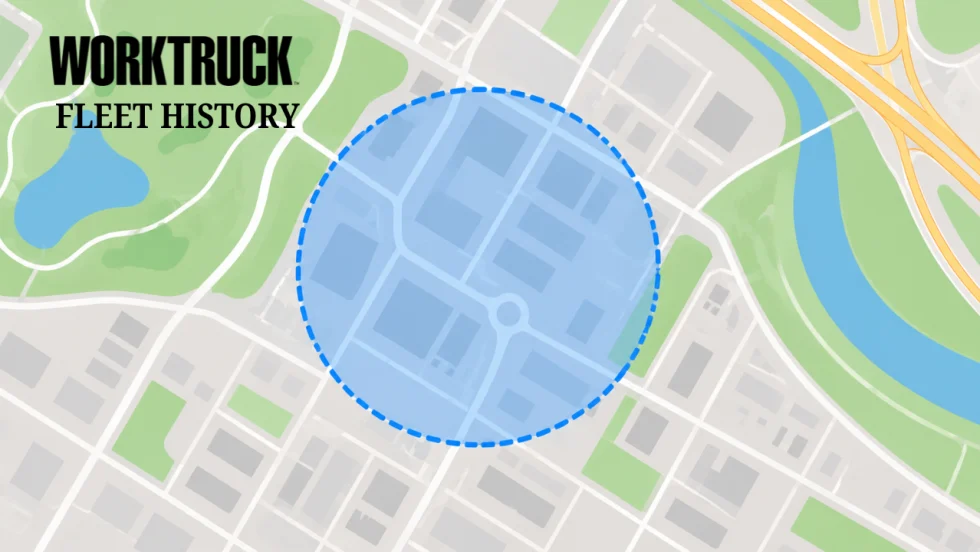
GeoFencing Adds to Your Truck Security Arsenal
Geofencing is a familiar fleet tool today, but its early adoption marked a major shift in vehicle tracking, route monitoring, and the debate over employee privacy.
Read More →
Geotab Data Shows Regional Trucking Growing Faster as Last Mile Routes Get Denser
Geotab's first U.S. supply chain report finds stable long-haul activity, stronger regional freight movement, tighter hub-and-spoke utilization, and more last-mile trips on shorter routes.
Read More →
When Fleet Technology Helps and When It Just Adds Complexity
New technology can help fleets work smarter, but only if it solves the right problem. Lauren Fletcher talks with AP Fleet’s Alex Coveney about innovation, AI, data, and knowing when a new solution is actually worth adopting.
Read More →
Volvo Trucks’ 'Lock and Leave' Software Updates Go Live Across North America
Unattended over-the-air software updates are now available in Volvo trucks across the U.S. and Canada. The new capability lets trucks stay current with the latest software without interrupting operations or requiring a dealership visit.
Read More →