




One Year Later: 2007 Diesel Emission Standards Implications for Fleet Operators
What are the considerations for your fleet today, when it comes to 2007 diesel emission standards?
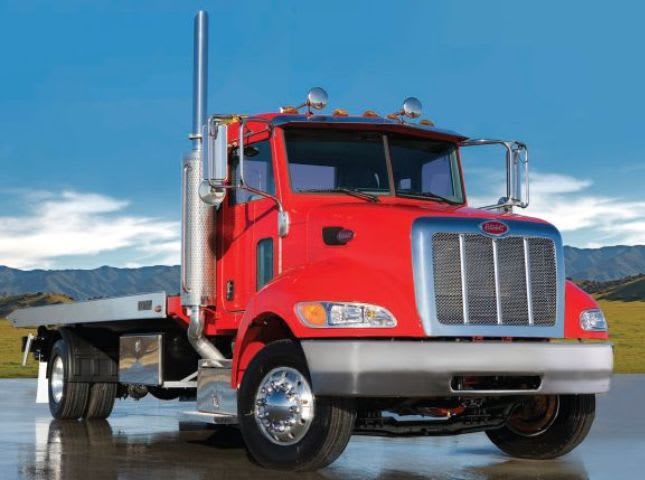
As with any new technology, there remain a number of unanswered questions. However, early indications from several fleets report vehicles with 2007 engines have run as well, if not better, than previous engines in terms of performance, fuel consumption, reliability, and maintenance.
Photo: Peterbilt
Since Jan. 1, 2007, the Environmental Protection Agency (EPA) has mandated that all diesel engines used in heavy-duty highway vehicles comply with more stringent emission standards.
Specifically, the EPA has defined "heavy-duty highway vehicles" as vehicles of gross vehicle weight ratings (GVWR) above 8,500 lbs. (above 14,000 lbs. in California). Personal transportation vehicles up to 10,000 lbs. — such as larger sport/utility vehicles and passenger vans — have been reclassified as "medium-duty passenger vehicles" and are not subject to the heavy-duty vehicle legislation. This report focuses on the implications of the 2007 requirements for heavy-duty highway vehicles.
The 2007 standards include a 50% reduction in the various nitrogen oxides (NOx) produced during combustion and a 90% reduction in particulate matter emissions compared to 2004 standards. The regulation requires on-vehicle monitoring of the performance of the engine’s emissions system. The industry standard, called Engine Manufacturer Diagnostics (EMD), will detect issues within the emissions control system and inform the driver with indicator lights on the dashboard.
Since engine changes alone cannot meet the new requirements, new "clean diesel" technologies include improved electronic control systems, ultra-low sulfur diesel (ULSD), exhaust aftertreatment such as catalytic converters and diesel particulate filters (DPF), enhanced exhaust gas recirculation (EGR), cooling system changes (due to higher heat loading), and fuel/air ratio changes.
The new diesel fuel formulation limits sulfur content in on-highway diesel fuel to 15 parts per million (ppm), down from 500 ppm. The EPA ordered that at least 80 percent of diesel fuel sold in the U.S. after Oct. 15, 2006 contain no more than 15 ppm of sulfur with a phased-in approach to 100-percent compliance by 2010.
ULSD has been introduced as a "technology enabler" to pave the way for advanced, sulfur-intolerant exhaust emission control technologies, such as DPFs, which are necessary to meet the 2007 emission standards.
DPFs have been in development for more than 15 years and are used to filter exhaust particulates. The combustible materials (soot) filtered from the exhaust require a regeneration cycle dependent upon idle time and engine usage. Properly configured engines and drivelines are important to enable exhaust systems to run hotter and thereby minimize regeneration cycles.
The average active regeneration cycle occurs once or twice daily, burning approximately one-half gallon of fuel to raise the DPF temperature to 1,100-1,300 degrees F for 20 minutes. At these temperatures, it is important for the DPF to be properly insulated, including exhaust pipe exit-temperature reduction technology to lower temperatures to acceptable levels.
The life of the DPF is substantially reduced if non-ULSD is used. Typically, DPFs need to be cleaned of noncombustible materials ("ash" that comes from the unburned detergents from engine oil) every 150,000 to 200,000 miles using an exchange program or "clean it on the truck" process estimated to cost between $150 and $400.
As with any new technology, there remain a number of unanswered questions. However, early indications from several fleets report vehicles with 2007 engines have run as well, if not better, than previous engines in terms of performance, fuel consumption, reliability, and maintenance.
Fleet Considerations
Acquisition cost increases of $5,000 to $13,000 per truck for the 2007 engine emissions (2008-MY), excluding possible incentives to help mitigate these increases.
ULSD will be formulated for backwards-compatibility for older models and has a reduced BTU content of 1% to 3%, decreasing fuel efficiency.
EPA Clean Air Act rules by 2010 call for the virtual elimination of NOx (about 85% reduction from the current 2007 allowable NOx levels).
Starting in 2010, diesel trucks may have to fill a supplementary tank with urea, an organic compound that significantly reduces NOx emissions when injected into the vehicle’s exhaust system.
New low-ash/reduced-sulfur engine oils are compatible with low-emissions solutions to minimize DPF service. Drain intervals may be affected by soot loading of the oil.
Crankcase vent filters require maintenance once per year.
The replacement cost of the DPF is estimated at $3,000 to $4,000, with DPF theft a real concern as approximately $1,800 in precious metals are contained within the filter.
The fragile ceramic DPF weighs about 100 to 120 pounds, and may be difficult for some to handle.
Heat loads may be 10% to 30% higher, potentially reducing the life of engine components such as fan belts and hoses.
Heavy-duty Class 8 trucks are expected to have a fuel economy decline of 0% to 1%, while medium-duty engines are reported to have a 0% to 4% improvement.
Larger diameter DPFs (15 to 22 inches) and exhaust temperature reduction technologies are located behind the cab or on the curbside frame rails requiring additional clearances and introducing potential interference issues.
Modifications to the exhaust piping will not be allowed before the location of the DPF.
This information is intended as a general overview only. For more information, please contact your OEM and engine manufacturers.
Source: Environmental Protection Agency’s Code of Federal Regulations 40CFR86, Subpart A (Control of Emissions from New and In-Use Highway Vehicles and Engines – General Provisions for Emission Regulations for 1977 and Later).
More Fuel

The Smart Way to Build a Mixed-Energy Fleet Isn’t About Picking a Side
Mixed-energy fleets aren’t about picking a winning fuel. Sarah Booth of WEX explains how vehicle data, duty cycles, charging strategy, and real-world costs can help fleets choose the right energy source for each job.
Read More →
Ignoring This Dashboard Warning Could Cost Your Fleet Thousands in Fuel
New research suggests neglected diesel aftertreatment systems could waste up to $30 in fuel per vehicle each day. Here's why vocational fleets should pay attention.
Read More →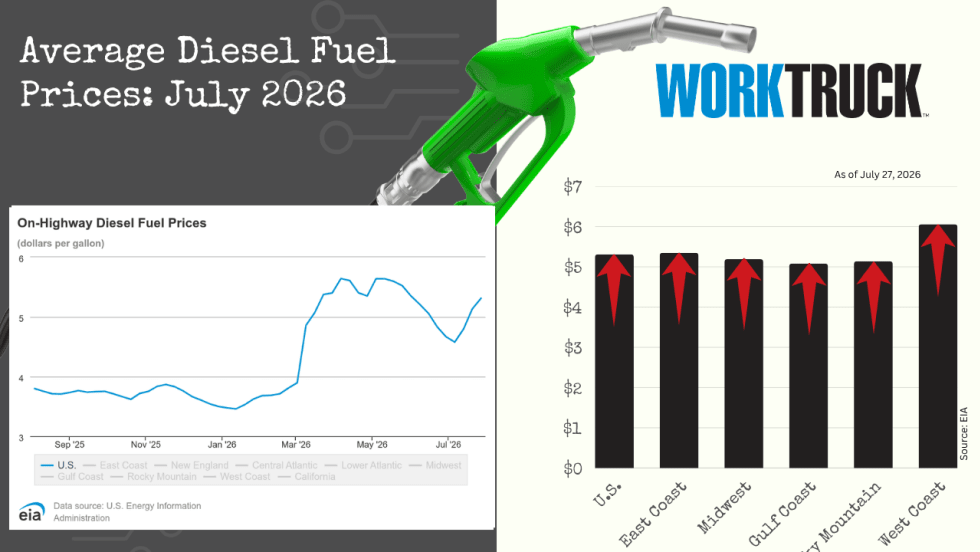
July Diesel Trends Update
The average price of a gallon of diesel increased again this week, and the EIA reported a new national average of $5.31 at the start of the week.
Read More →


WEX Brings Standard Fleet's Connected Vehicle Platform to Fleet Customers
This week’s product launch with Standard Fleet’s connected vehicle platform reflects WEX Venture Capital's strategy of turning startup innovation into customer solutions. Standard Fleet is now available to WEX fleet customers.
Read More →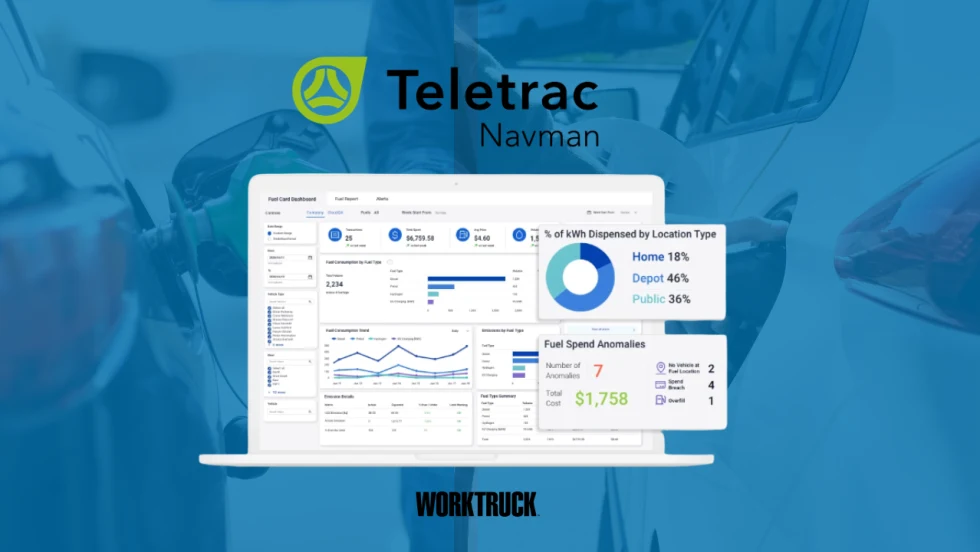
Teletrac Navman Adds Mixed-Energy Fleet Tools to TN360
The new Energy Hub combines fuel transactions, EV charging data, vehicle range, and energy costs in one dashboard for fleets operating multiple vehicle and energy types.
Read More →
WEX DriverDash adds CITGO, Expands Nationwide Access for Fleets
The DriverDash mobile payment app, by WEX, has been integrated into the CITGO merchant network, which means WEX has expanded its U.S. station footprint with the addition of approximately 4,000 CITGO locations.
Read More →
Mixed Energy Fleet Tips for Balancing EVs, Gas and Diesel Vehicles
Mixed energy fleets are becoming the new normal. Learn how fleet managers are balancing EVs, gas and diesel vehicles while controlling costs and planning for the future.
Read More →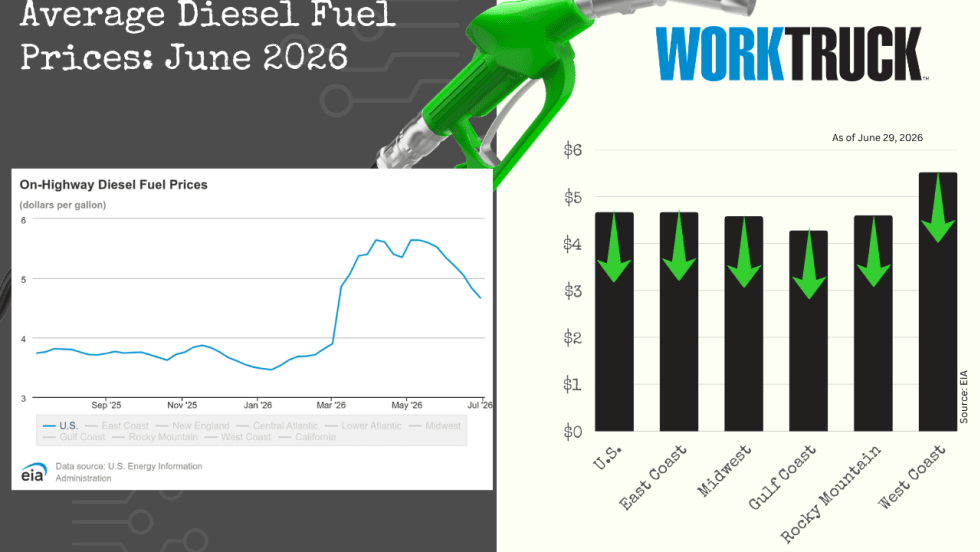
June Diesel Trends Update
The national average price of a gallon of diesel has dropped again, this week by more than 16 cents. All five regions reported lower average prices, ranging from almost 13 cents to more than 28 cents cheaper than a week ago.
Read More →
RoadFlex Launches RoadFlex Direct Open API Platform
RoadFlex Direct connects fuel cards, controls, and data to the telematics and fleet management systems fleets already run, from Geotab and Samsara to Fleetio and RTA, with no separate dashboard or double data entry.
Read More →
The Key to Fuel Efficiency Sits in the Cab
Learn how driver behavior, telematics, coaching, and fuel data can help fleets improve fuel efficiency, lower costs, and reduce emissions.
Read More →