




Related: 2015 Ford Expedition XL Large SUV
Lighter, More Powerful Ford Expedition Arrives for 2018
Ford's 2018 Expedition will enter its fourth generation with a more powerful V-6 engine, lighter-weight body and frame, and an array of technology upgrades such as onboard Wi-Fi, the SYNC 3 infotainment system, and more connectivity.
by Staff
February 7, 2017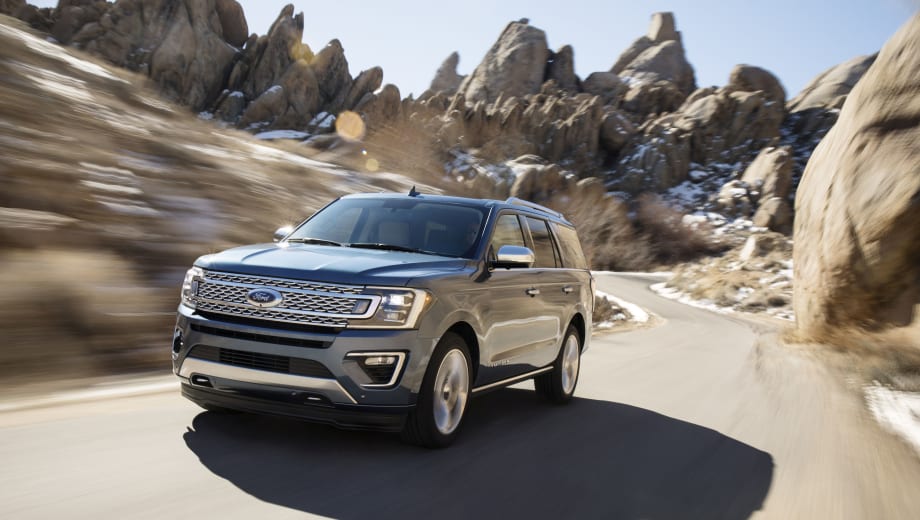
Photo of 2018 Expedition courtesy of Ford.
1 min to read
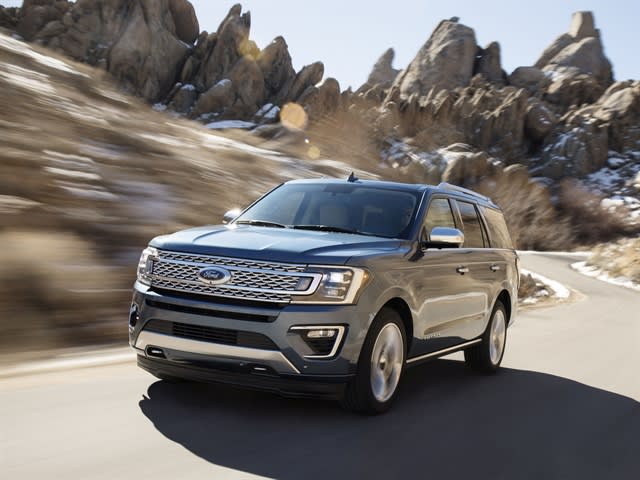
Photo of 2018 Expedition courtesy of Ford.
Ford's 2018 Expedition will enter its fourth generation with a more powerful V-6 engine, lighter-weight body and frame, and an array of technology upgrades such as onboard Wi-Fi, the SYNC 3 infotainment system, and more connectivity, Ford has announced.
Ford unveiled details about the 2018 Expedition ahead of the Chicago Auto Show, where the vehicle will make its debut. Ford showed the vehicle in Dallas with local firefighters and Dallas Cowboys football players.
Ford is remaking the Expedition with a high-strength aluminum-alloy body and redesigned high-strength steel frame, which will reduce weight by about 300 pounds.
A more powerful turbocharged 3.5L EcoBoost will replace the existing engine. Ford will pair it with a 10-speed automatic transmission.
Ford has added more than 40 driver-assist technologies, including enhanced active park assist, an available 360-degree camera view, lane-keeping aid, adaptive cruise control with stop-and-go, collision avoidance detection, and a blind spot monitor.
New interior technologies include wireless charging on the front center console, a Wi-Fi hotspot supporting up to 10 devices up to 50 feet away, a headrest-based rear entertainment system, SYNC 3 that supports Apple CarPlay and Android Auto, SYNC Connect with FordPass for remote connectivity, and advanced cargo management system.
Originally posted on Automotive Fleet
More Operations
Family Ties Inside the Fleet Families Building Careers Across Generations
Three fleet families share what it really takes to work together, learn across generations, and keep business from following them home.
Read More →
Shades of Fleet Call for Voices: Fleet's Hidden Heroes
Fleet’s hidden heroes are often the ones keeping everything moving behind the scenes. September’s Shades of Fleet is looking for dispatchers, coordinators, parts specialists, and other support pros to share their stories.
Read More →
Truck Centers, Inc. Celebrates National Truck Driver Appreciation Week with $1,000 Fuel Card Giveaways
During National Truck Driver Appreciation Week, Truck Centers, Inc. is offering customers a chance to fuel up for free. Customers at all Truck Centers locations can enter to win one of four $1,000 fuel cards from Sept. 14 - 18.
Read More →
Fleet Guides, AI Time-Savers, Truck Tariffs & Fuel Strategy Lead the News
This week’s Truck Chat Cheat Sheet covers new fleet vehicle guides, practical AI use cases, U.S.-Canada truck production, mixed-energy strategy, and more.
Read More →
What Fleet Employers Are Missing When Hiring Veterans
What if some of the strongest candidates for fleet are already out there, but their experience is written in a language our industry does not always recognize?
Read More →
Automotive Fleet Opens 2026 Personal Use Survey for Commercial Fleet Managers
Less than two weeks left! Commercial and corporate fleet managers are invited to share how their organizations handle company vehicle personal-use policies, charges, and driver eligibility.
Read More →
What Resilient Fleets Do Differently When Conditions Change
Fleet resilience is about more than reacting to disruption. Lauren Fletcher talks with AP Fleet’s Alex Coveney about flexibility, planning, scaling, and what helps fleets adapt when business conditions shift.
Read More →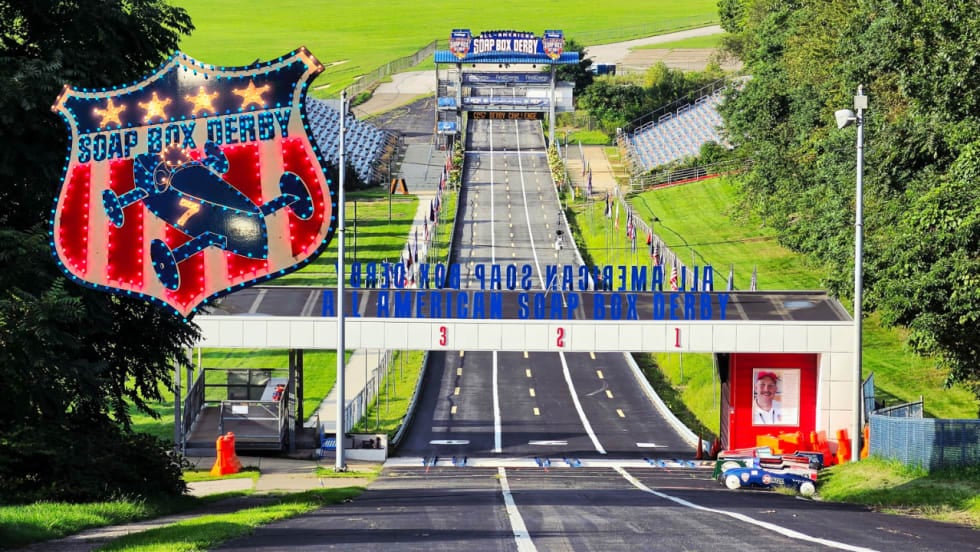
If We Want the Next Generation in Automotive, We Have to Give Them a Reason to Care
The automotive industry talks constantly about its workforce shortage. But before we can recruit the next generation, we may need to do a better job giving kids a reason to care about automotive in the first place.
Read More →
Ram ProMaster City Under $40K, Truck Tariffs, and AI Maintenance Lead the News
A sub-$40K commercial van, tariff questions, AI-powered maintenance, and a new EV production strategy headline this week’s Truck Chat Cheat Sheet.
Read More →
Bob Adamsky Shares the Fleet Lessons You Usually Learn the Hard Way
After more than 30 years in fleet, Arrow International’s Bob Adamsky has learned that the job is about far more than vehicles. He shares the lessons he wishes every fleet manager could learn a little earlier.
Read More →