



Getting Real About Retention, Training, and Accountability
A NAFA 2026 leadership session tackled one of fleet’s biggest challenges head-on, offering practical lessons on technician retention, training, accountability, and shop culture.

A NAFA 2026 session on fleet leadership explored how retention, training, accountability, and culture all shape shop performance and technician engagement.
Credit: Work Truck
At NAFA 2026, a session on building a stronger leadership playbook for fleet managers didn’t sugarcoat the industry's challenges.
Led by John Byron, Technical Fleet Maintenance Support, Fleetio; George Arrants, Vice President, ASE Education Foundation; and Liam Aghayev, COO, ITF Group, the discussion focused on what’s actually happening in shops today and what leaders need to do differently to keep teams engaged and performing.
From technician retention to training gaps to leadership accountability, the conversation leaned into real-world challenges rather than theory, offering practical insights fleet leaders can apply immediately.
Culture And Standards Are Not Optional
The foundation of any strong fleet operation starts with culture, but not in the abstract sense. The panel emphasized that culture is built through visible standards and consistent accountability. Expectations cannot shift depending on the day or the situation. High-performing teams know what excellence looks like because leadership defines it clearly and reinforces it consistently.
For fleet managers, that means setting the tone early and often. Not just defining standards, but modeling them.
Leadership by example came up repeatedly. When leaders hold themselves accountable, it becomes much easier to expect the same from their teams.
Coaching, Not Just Managing
One of the more practical shifts discussed was the need to move from managing to coaching.
Technicians, especially those early in their careers, are not just looking for direction. They are looking for development. That requires time, intention, and a willingness to meet people where they are.
It also means rethinking how mistakes are handled. Instead of defaulting to blame, leaders should ask better questions. Was the expectation clearly communicated? Was the process explained? Or is this simply someone approaching the work differently?
That mindset shift can change how teams learn and how quickly they improve.
Data Should Drive Decisions
KPIs and data-driven leadership were highlighted as essential tools, but only if they are used with purpose. Tracking performance is not about checking boxes. It is about identifying gaps, improving processes, and making informed decisions that support both the business and the team.
For fleet managers, this is where leadership becomes more strategic. Data provides the visibility needed to connect daily operations with long-term outcomes.
Retention Is A Leadership Issue
One of the most direct takeaways from the session centered on retention. When someone leaves, it is not just a staffing issue. It is a signal.
The idea shared was simple but pointed. When an employee quits, they are often choosing the unknown over staying where they are. That should prompt leaders to take a closer look at the environment they are creating.
The conversation also challenged a common industry narrative. The issue is not always a shortage of people. It is often a shortage of qualified, engaged, and supported individuals.
That distinction matters because it puts the focus back on leadership.
Training Needs More Precision
Training was another area where the panel pushed for change.
Broad, one-size-fits-all approaches are not effective. Instead, leaders should focus on targeted training that develops specific skills for specific roles.
In other words, less shotgun, more rifle.
The effectiveness of training also depends on who is delivering it. Even the best program can fall flat without the right instructor.
For fleet leaders, that means being intentional not just about what training is offered, but how it is executed.
Give Technicians What They Need To Succeed
The session also highlighted a disconnect many fleet managers will recognize. Technicians want to do the job right. But they need the right tools and equipment to make that happen.
Many have already invested in their own tools. When shops do not match that level of investment, it creates frustration and sends the wrong message about priorities.
Providing the right resources is not just an operational decision. It is also a retention strategy.
Mentorship Is A Long-Term Investment
Mentorship was positioned as a critical, but often underutilized, part of leadership. It is not a short-term effort. It is an ongoing investment in people and the organization's future.
For newer technicians, especially, having guidance, feedback, and support can make a significant difference in whether they stay and grow or start looking elsewhere.
Leadership Drives Outcomes
Another key takeaway centered on how work is assigned and managed. Supervisors play a major role in matching the right technician to the right job. When that alignment is off, it can lead to frustration, inefficiencies, and turnover.
Leaders were encouraged to look for patterns. If work is consistently coming back or issues keep surfacing, it may not be an individual problem. It may point to training gaps, process issues, or mismatched responsibilities.
Those are leadership challenges, not just operational ones.
Investing In Training Pays Off
The session closed with a familiar concern reframed: There is always hesitation around investing in training when there is a risk that employees may leave. But the alternative is often worse; an untrained employee may just stick around.
If organizations do not invest in training, they risk creating a workforce that stays but does not grow, improve, or contribute at a higher level.
For fleet managers, the takeaway was clear. Training is not just about retention. It is about building a stronger, more capable team.
Learn More: Finding Your Leadership Voice in Fleet
More Maintenance

How Faster Driver Reporting Can Keep Small Truck Problems Small
When minor damage, warning lights, or equipment issues are reported late, small problems can quickly become bigger maintenance headaches. Conversational AI can help shorten the path from what a driver notices in the field to the person who can act on it.
Read More →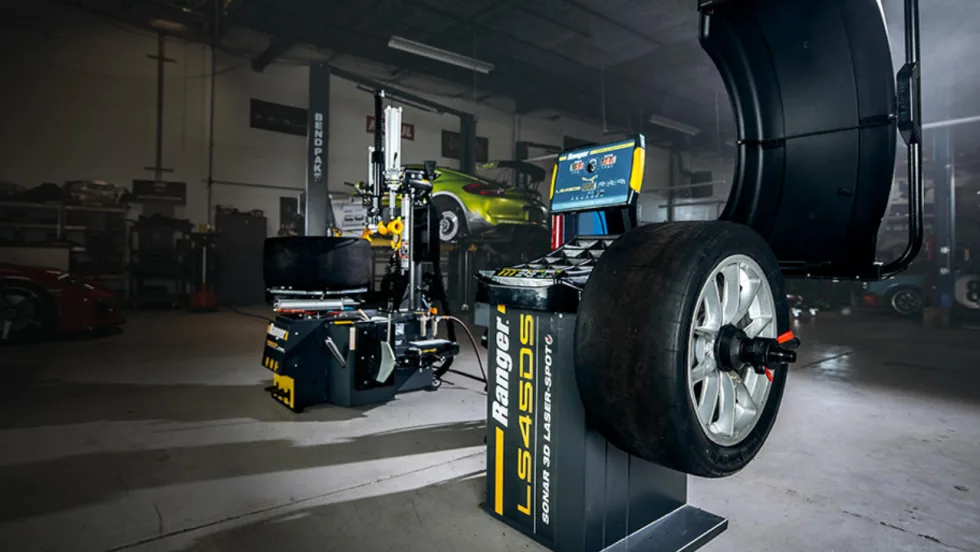
BendPak’s Ranger Wheel Service Equipment Achieves North American Safety Certification
BendPak’s full line of Ranger tire changers and wheel balancers has been ETL certified to UL and CSA standards to improve operator safety.
Read More →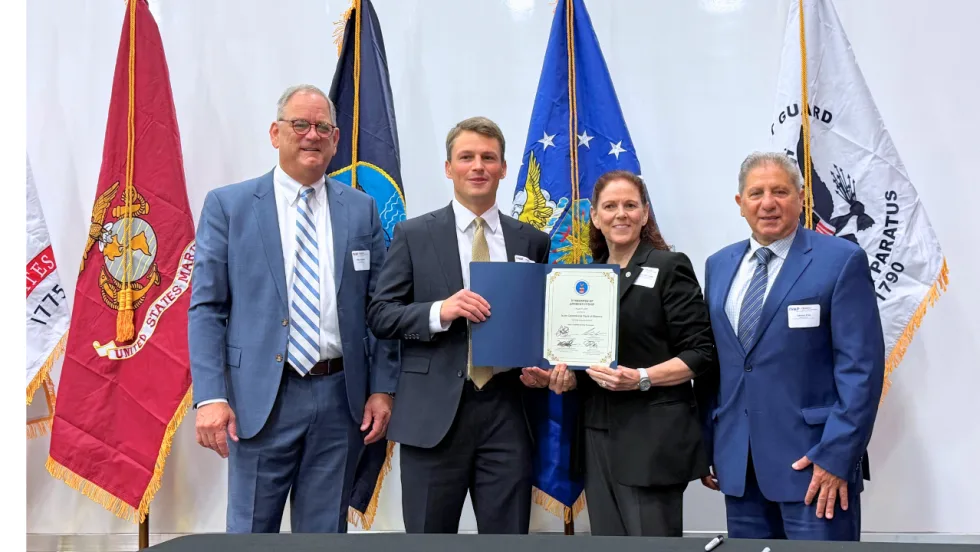
Isuzu & U.S. Department of Labor Celebrate Milestone for Veterans Apprenticeship Program
The Isuzu Veterans Apprenticeship Program (IVAP) signing ceremony highlighted Isuzu’s long-term commitment to veterans, Isuzu dealers, and the skilled workforce supporting its customers and the commercial transportation industry.
Read More →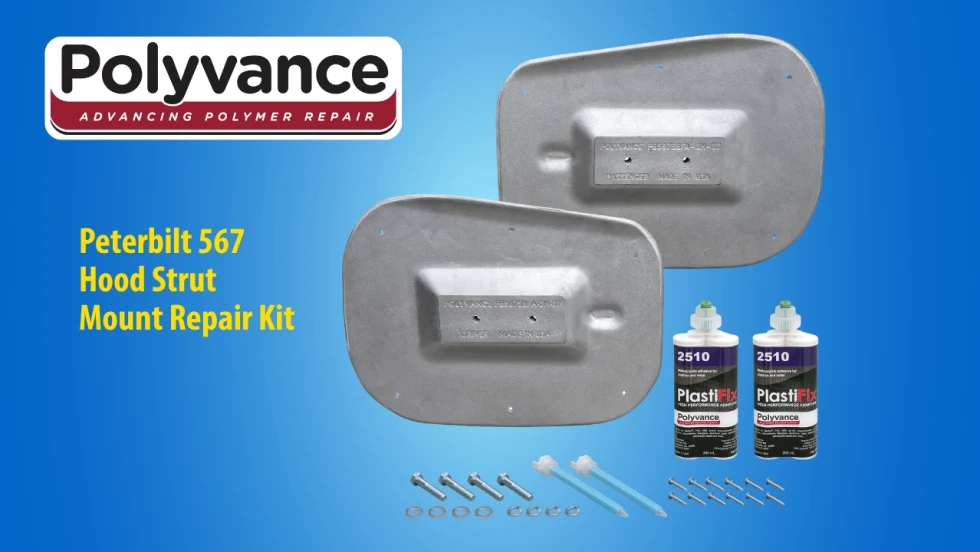
Polyvance Introduces New Peterbilt 567 Hood Strut Mount Repair Kit
Polyvance has launched a repair solution for Peterbilt 567 hood struts, helping truck owners and repair facilities avoid costly hood replacements.
Read More →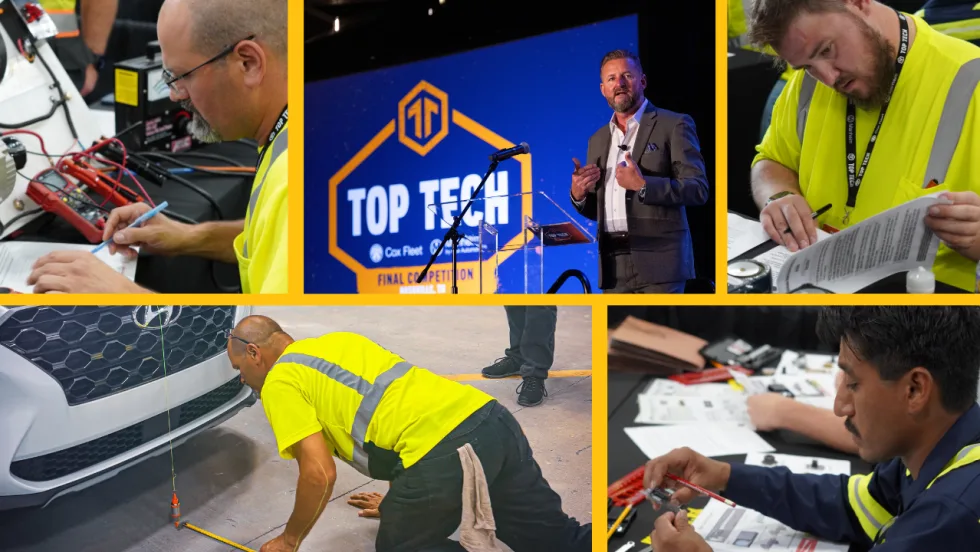
Cox Automotive Celebrates Technical Excellence at 2026 Top Tech Finals
The top technicians from Cox Fleet and Manheim tested their skills in Nashville, Tennessee, at Cox Automotive’s 2026 Top Tech Finals. The overall winners will advance to compete at the American Trucking Association’s TMC SuperTech competition.
Read More →
Grote Industries Appoints Vice President of North American Operations
Grote Industries has appointed Patrick Smith as vice president of North American operations as it celebrates 125 years of innovation and manufacturing excellence. He has more than 20 years of manufacturing leadership experience.
Read More →
Winter Fleet Prep: Expert Tips to Keep Vehicles Running Smoothly
Cold weather can expose weak batteries, tires, fuel systems, and maintenance gaps fast. Use this winter fleet checklist to prepare trucks and drivers before temperatures drop.
Read More →
Lubrizol CV1700 Heavy-Duty Engine Oil Additive Available Well Ahead of API CL-4 First License
Lubrizol CV1700, Lubrizol’s additive solution for the American Petroleum Institute’s (API’s) next heavy-duty diesel engine oil specification, is available now and enables high performance across a broad range of base oil stocks and viscosity grades.
Read More →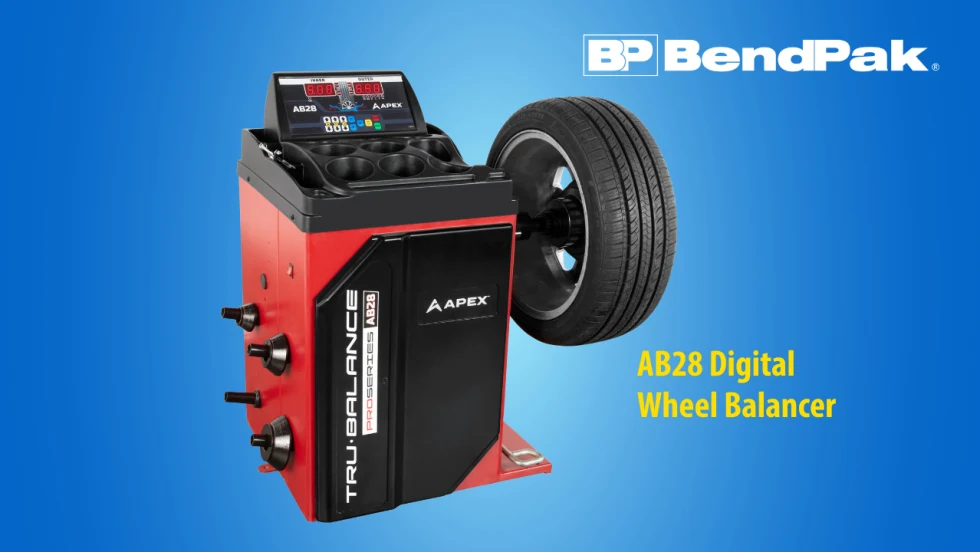
New APEX by BendPak AB28 Wheel Balancer Provides Accuracy & Fast Cycle Times
The APEX by BendPak AB28 digital wheel balancer is designed to support everything from passenger-vehicle and light-truck wheels to performance and specialty wheels.
Read More →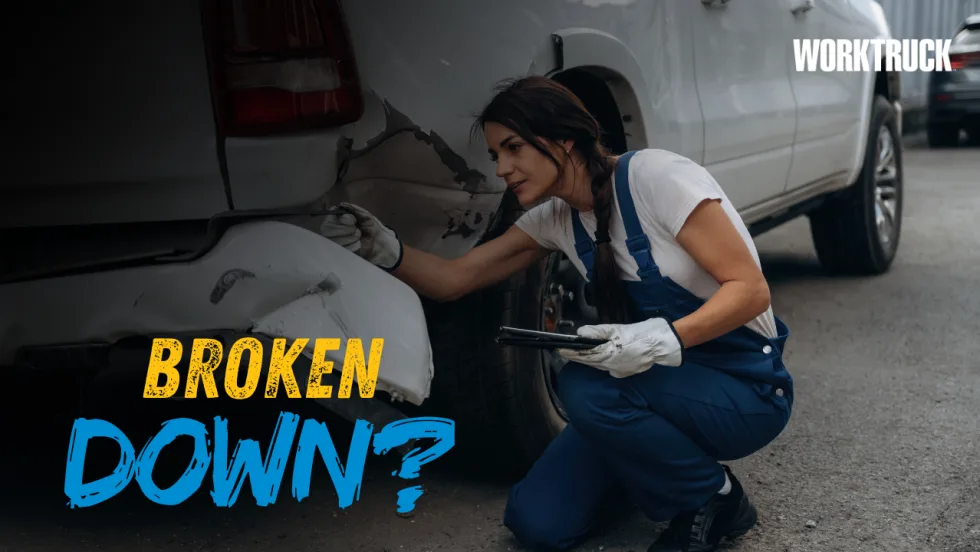
When a Work Truck Breaks Down, the Job Can Stop, Too
A work truck breakdown can stop more than the vehicle. Discover how payloads, jobsites, and specialty equipment change the roadside response.
Read More →