



Download the Full Report
The full 2026 State of Transportation Report includes deeper insights into sustainability progress, tariff impact, carrier partnership trends, and freight rate expectations for the year ahead.
 MENU
MENU SEARCH
Breakthrough’s 2026 report shows fleets leaning into AI freight optimization, flexible contracts, and sustainability as tariffs reshape transportation strategy.
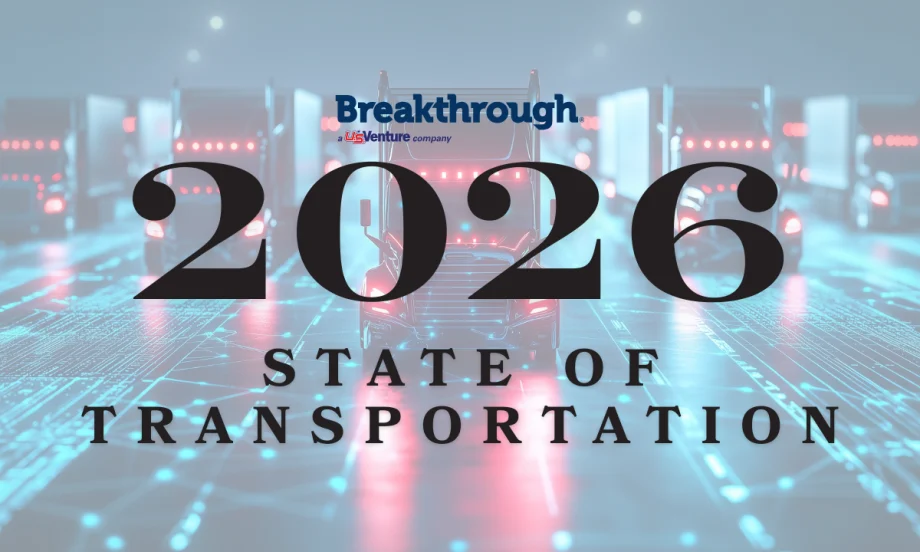
Breakthrough’s 2026 State of Transportation Report highlights how fleets are leaning into AI, flexible contracts, and sustainability to navigate tariff pressure and market volatility.
Credit: Work Truck
Transportation leaders are heading into 2026 with a sharper focus on resilience without abandoning sustainability goals.
According to Breakthrough’s newly released 2026 State of Transportation Report, shippers and carriers are adjusting strategy in response to tariff pressure, freight market volatility, and policy uncertainty. But instead of retreating, many are doubling down on long-term stability.
Here’s what stands out for work truck and commercial fleet operators:
Despite political and economic pressure, sustainability isn’t slowing down. This only reinforces what many fleets already know: emissions reduction strategies often align with fuel savings, network efficiency, and long-term cost stability.
58% of shippers report strong or exceptional progress toward sustainability goals in the past year.
69% expect to reduce transportation-related emissions in 2026.
AI is moving from buzzword to operational tool. The use of AI-powered freight optimization tools increased to 37%, up from 28% last year, according to the report. Transportation leaders are leaning on data-driven decision-making to avoid reacting to every short-term market swing.
At the same time, dependence on short-term market signals dropped to 37%, down from 50%, signaling a shift toward more disciplined planning.
Reliance on flexible contracts rose to 50% (up from 44%), as companies build adaptability into procurement and carrier relationships.
For fleets negotiating contracts in 2026, flexibility and risk-sharing structures are becoming part of the resilience playbook.
Policy uncertainty continues to shape transportation strategy.
62% of transportation leaders say tariffs are the top economic indicator they’re watching in 2026.
Nearly half expect tariff-related disruption this year.
Shippers anticipate higher contract rates, rising customs costs, and increased pass-through expenses from carriers.
One of the most important signals for fleet managers: carrier investment plans are splitting. For fleets prioritizing alternative energy or modernization, carrier selection may require closer scrutiny in 2026.
Many carriers are delaying fleet upgrades due to tariff-related cost pressures, potentially limiting shippers’ access to alternative fuel or EV-ready partners. However, more than one-third are accelerating investments, aiming to gain a competitive edge.
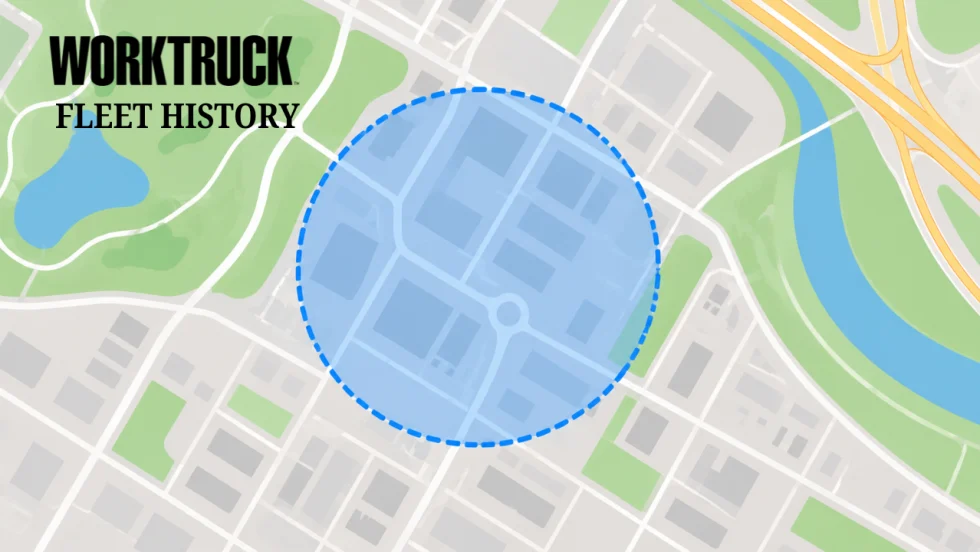
Geofencing is a familiar fleet tool today, but its early adoption marked a major shift in vehicle tracking, route monitoring, and the debate over employee privacy.
Read More →
Geotab's first U.S. supply chain report finds stable long-haul activity, stronger regional freight movement, tighter hub-and-spoke utilization, and more last-mile trips on shorter routes.
Read More →
New technology can help fleets work smarter, but only if it solves the right problem. Lauren Fletcher talks with AP Fleet’s Alex Coveney about innovation, AI, data, and knowing when a new solution is actually worth adopting.
Read More →Basic Tracking vs Next Generation Fleet Technology
Sponsored by AT&T Business
5 Facts Every Fleet Manager Should Know About Embedded Telematics
Sponsored by Stellantis/Mobilisights
How AI Video Telematics Boosts Driver Safety and Helps to Avoid Unnecessary Costs
Sponsored by Verizon Connect

Charting the 8 Bottom-Line Benefits of Workforce Optimization
Sponsored by Verizon Connect

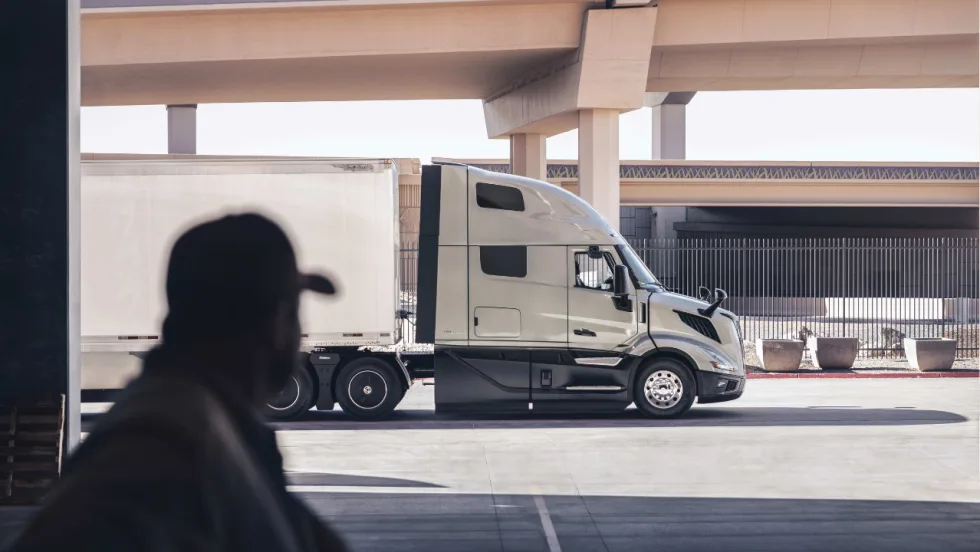
Unattended over-the-air software updates are now available in Volvo trucks across the U.S. and Canada. The new capability lets trucks stay current with the latest software without interrupting operations or requiring a dealership visit.
Read More →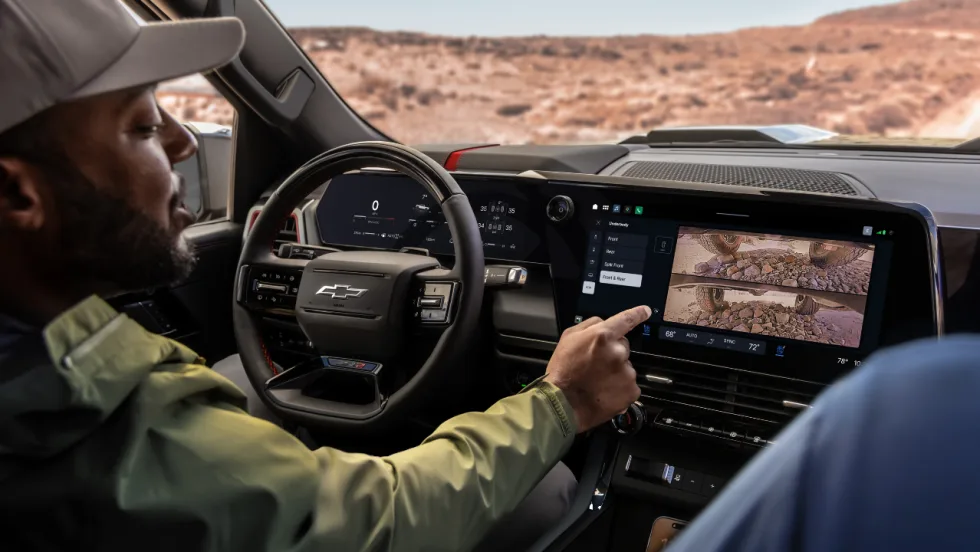
GM's new pickup interface puts trailering data, camera views, vehicle controls, and smartphone integration closer to the driver in the 2027 Silverado and Sierra.
Read More →
Samsara’s new driver rewards program was built with a broader professional driver in mind, including employees who split their day between driving, job sites, service calls, and other work.
Read More →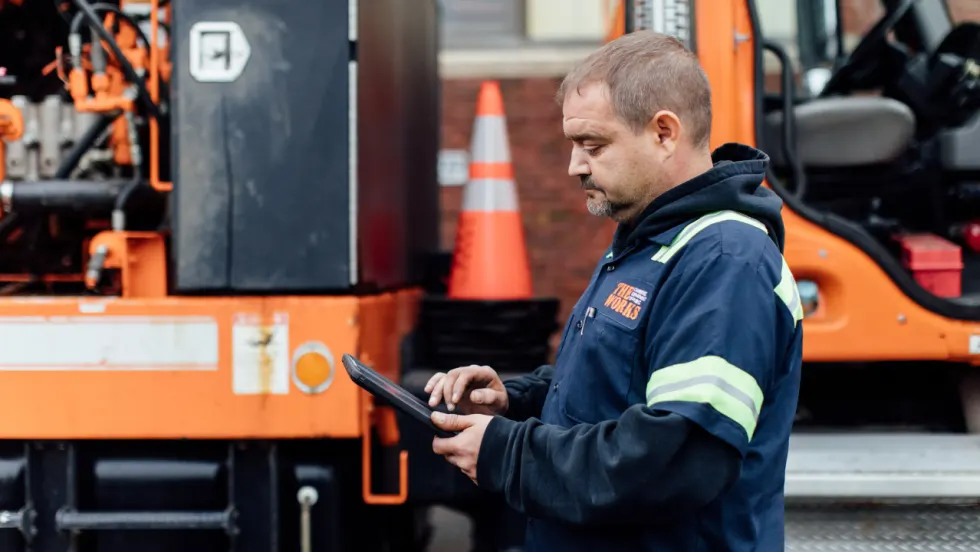
Fleetio said its AI Service Advisor can help fleets cut repair downtime by an average of 2.5 hours per repair while reducing manual maintenance work.
Read More →
Verra Mobility has launched a new AI-driven Title & Registration platform to help fleets move vehicles from acquisition to the road the same day while reducing compliance risk.
Read More →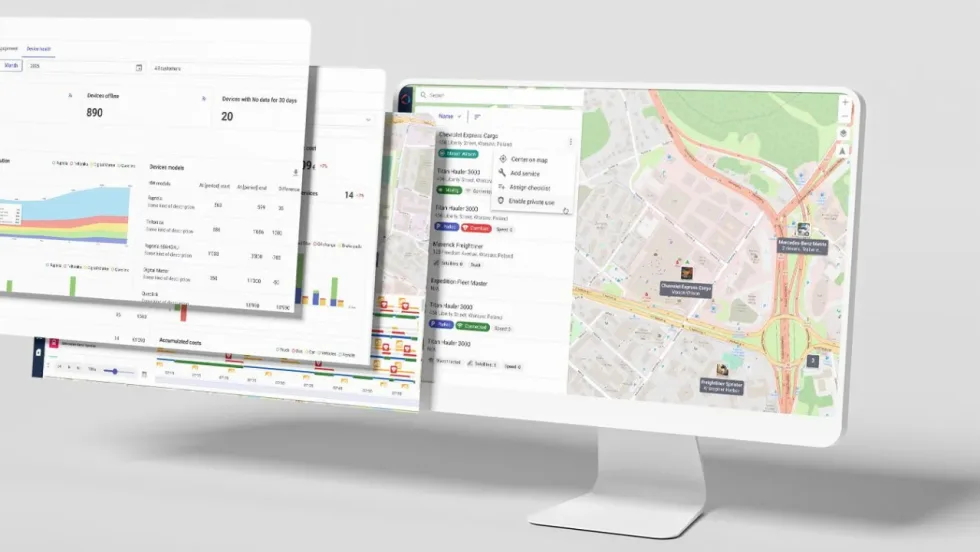
Wialon has introduced hardware-free OEM integration as the EU Data Act accelerates the shift in vehicle data access across the fleet industry in many countries.
Read More →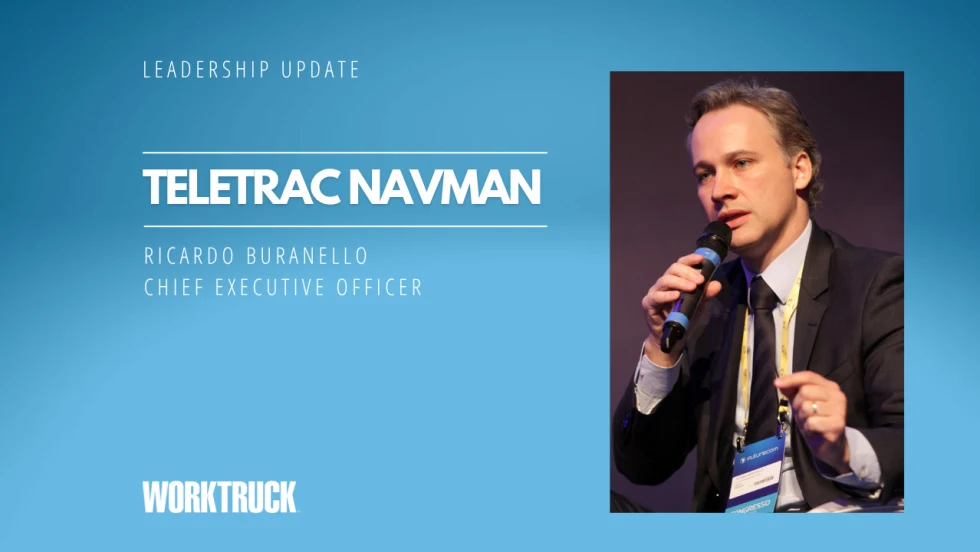
Teletrac Navman’s next CEO, Ricardo Buranello, has served as the company’s chief financial and operating officer. He brings deep financial and operational expertise, a strong strategic orientation, and an intimate knowledge of the business to his new role.
Read More →