




Continental Uses Vacuum Technology to Study Tire Wear Particles
Using vacuum technology to collect particles during tire testing, Continental is working to reduce tire wear, improve mileage, and contribute to improved sustainability.

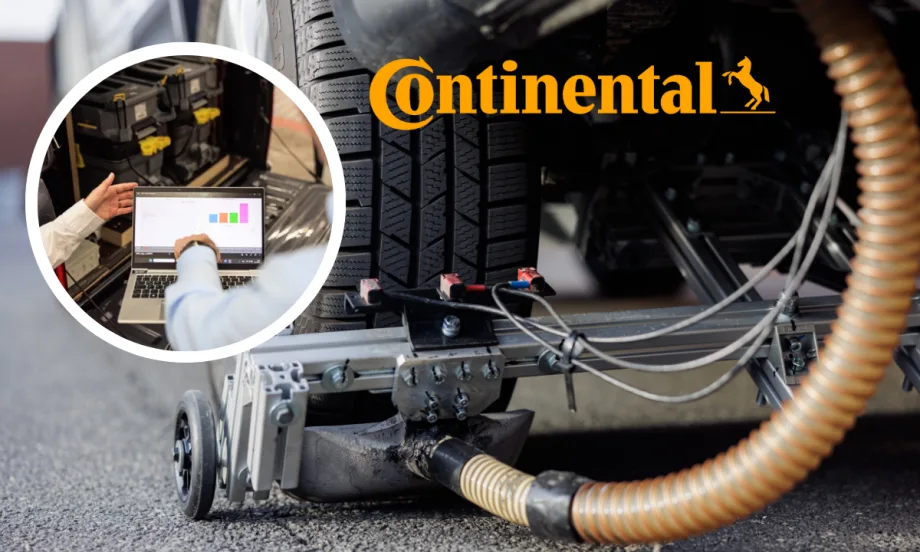
Continental Tire has used vacuum technology to collect particles during testing to study tire wear.
Photo: Continental Tire/Work Truck
Continental said it is advancing efforts to reduce tire wear through innovative technologies, cutting-edge research, and active participation in industry initiatives. The result: demonstrably lower environmental impact.
According to a recent ADAC analysis of 160 tested products, Continental reported its tires abrade 11% less material than the average competitor tire. A key driver of this progress is intensive research.
For example, Continental has partnered with the Technical University of Braunschweig to develop an innovative method for analyzing tire wear. This method uses a specially adapted vacuum device mounted behind a drive wheel, which, together with advanced particle sensors, enables the detection of even the finest airborne particles behind the wheels and at other points on the vehicle.
This measurement technique was developed as part of the recently completed research project OLRAP (Online Analysis of Airborne Tire Wear Particles at the Point of Origin and Differentiation from Other Sources). The insights gained feed directly into Continental’s tire development, enabling targeted improvements.
“Data on the quantity, size and structure of particles allows us to optimize tire designs and rubber compounds even more precisely – without compromising on safety or performance,” said Dr. Matthias Haufe, head of Material Development and Industrialization at Continental Tires. This not only advances our technology but also prepares our products for upcoming regulations like the Euro 7 standard, which will introduce limits on tire wear emissions in the EU starting in 2028.”
New Method for Analysis of Tire Wear
Funded by the Lower Saxony Ministry of Science and Culture, the OLRAP project provides valuable insights into the properties of tire wear. A specially equipped test vehicle, designed by Continental for real-world driving conditions, was used in the study.
The vehicle was fitted with a specialized vacuum device behind a driven wheel to collect particles as they were emitted. This allowed researchers to determine the origin of the particles, whether they came from the tires, road surface, or brakes.
Particle measurement instruments developed by TU Braunschweig were mounted at various points on the vehicle, including directly behind the wheels, to collect detailed, time-specific data. These measurements were correlated with factors such as driving dynamics, road surface conditions, and weather, an essential step toward scientifically accurate tire wear analysis.
Using a newly developed multi-sampler device, researchers were able to collect samples related to specific driving events. In the lab, they compared particles gathered during cornering versus straight-line driving.
“The highly complex experimental setup, with simultaneous measurements at different points on our test vehicle, generated vast amounts of data, helping us to better understand tire wear,” explained Dr. Benjamin Oelze, head of Tire Wear Testing Development at Continental Tires. “We identified clear correlations between particle concentration and speed profiles, as well as the impact of high longitudinal and lateral acceleration on tire wear.”
These findings could help optimize traffic flow and vehicle driving profiles to reduce emissions and improve environmental sustainability.
Researching Without Compromising on Safety or Performance
Continental has long been committed to research projects focused on tire wear.
The tire manufacturer co-chairs the Tire Industry Project (TIP), an initiative that studies the environmental impact of tires throughout their life cycle.
Continental was also the only tire manufacturer to take part in the RAU project (Tire Wear in the Environment), an initiative by the German Federal Ministry of Research. This project developed a filtration system capable of capturing up to 97% of solid particles beneath storm drains.
A tire’s primary function is to transfer vehicle forces and ensure sufficient grip on the road. This grip is achieved through friction, which inevitably leads to wear on both the tire and the road surface. A certain level of tire wear is unavoidable if safety-critical features – such as wet braking performance – are to remain uncompromised.
Studies show that driving style and road conditions influence tire wear up to three times more than tire design. While these factors are largely beyond the control of tire manufacturers, tire design is not, and that is where Continental focuses its efforts.
For example, Continental said its EcoContact 6 tire line generates 30% less wear per kilometer and delivers 20% more mileage compared with its predecessor, a measurable improvement in environmental sustainability.
More Maintenance
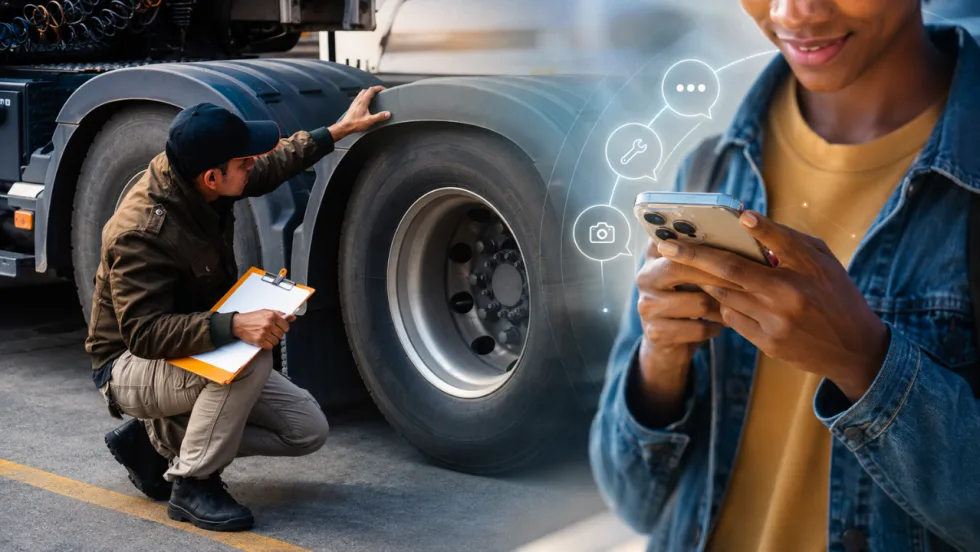
How Faster Driver Reporting Can Keep Small Truck Problems Small
When minor damage, warning lights, or equipment issues are reported late, small problems can quickly become bigger maintenance headaches. Conversational AI can help shorten the path from what a driver notices in the field to the person who can act on it.
Read More →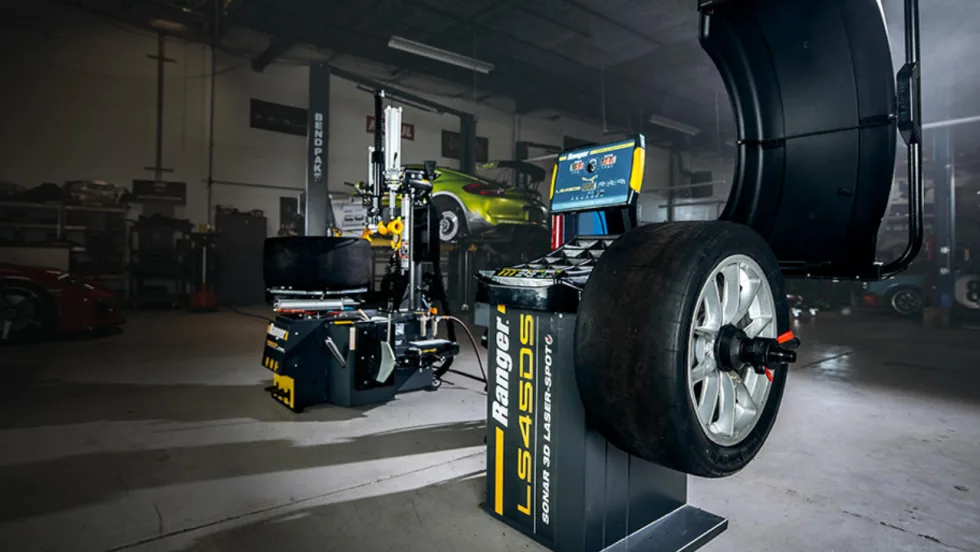
BendPak’s Ranger Wheel Service Equipment Achieves North American Safety Certification
BendPak’s full line of Ranger tire changers and wheel balancers has been ETL certified to UL and CSA standards to improve operator safety.
Read More →
Isuzu & U.S. Department of Labor Celebrate Milestone for Veterans Apprenticeship Program
The Isuzu Veterans Apprenticeship Program (IVAP) signing ceremony highlighted Isuzu’s long-term commitment to veterans, Isuzu dealers, and the skilled workforce supporting its customers and the commercial transportation industry.
Read More →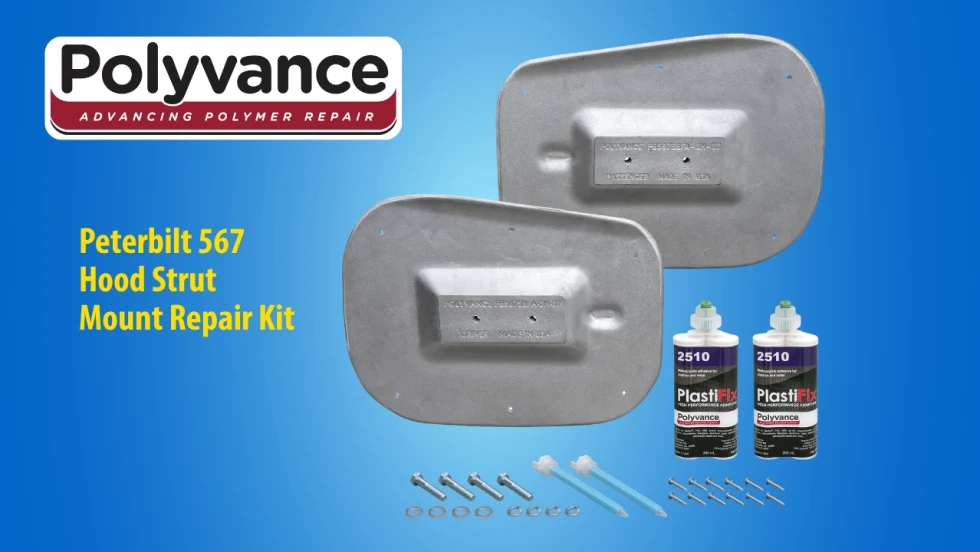
Polyvance Introduces New Peterbilt 567 Hood Strut Mount Repair Kit
Polyvance has launched a repair solution for Peterbilt 567 hood struts, helping truck owners and repair facilities avoid costly hood replacements.
Read More →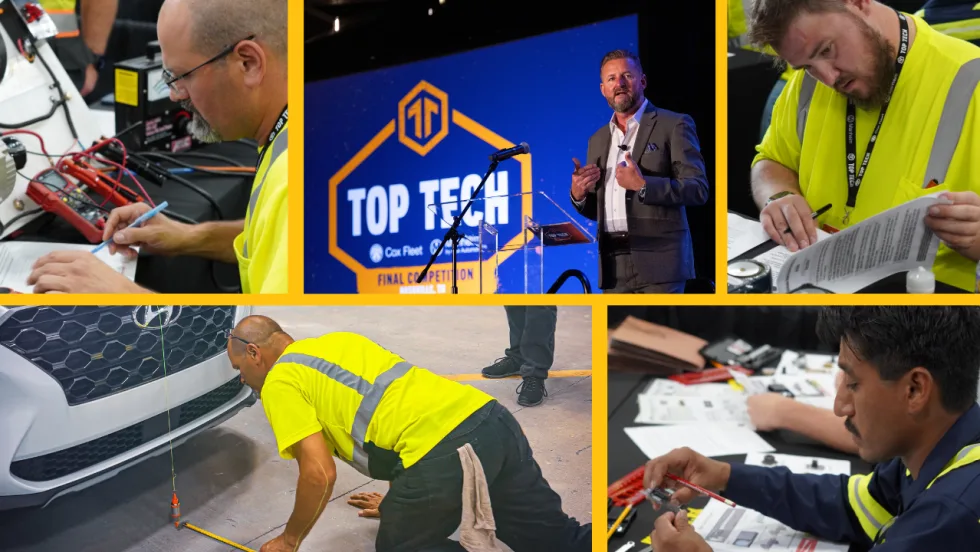
Cox Automotive Celebrates Technical Excellence at 2026 Top Tech Finals
The top technicians from Cox Fleet and Manheim tested their skills in Nashville, Tennessee, at Cox Automotive’s 2026 Top Tech Finals. The overall winners will advance to compete at the American Trucking Association’s TMC SuperTech competition.
Read More →
Grote Industries Appoints Vice President of North American Operations
Grote Industries has appointed Patrick Smith as vice president of North American operations as it celebrates 125 years of innovation and manufacturing excellence. He has more than 20 years of manufacturing leadership experience.
Read More →
Winter Fleet Prep: Expert Tips to Keep Vehicles Running Smoothly
Cold weather can expose weak batteries, tires, fuel systems, and maintenance gaps fast. Use this winter fleet checklist to prepare trucks and drivers before temperatures drop.
Read More →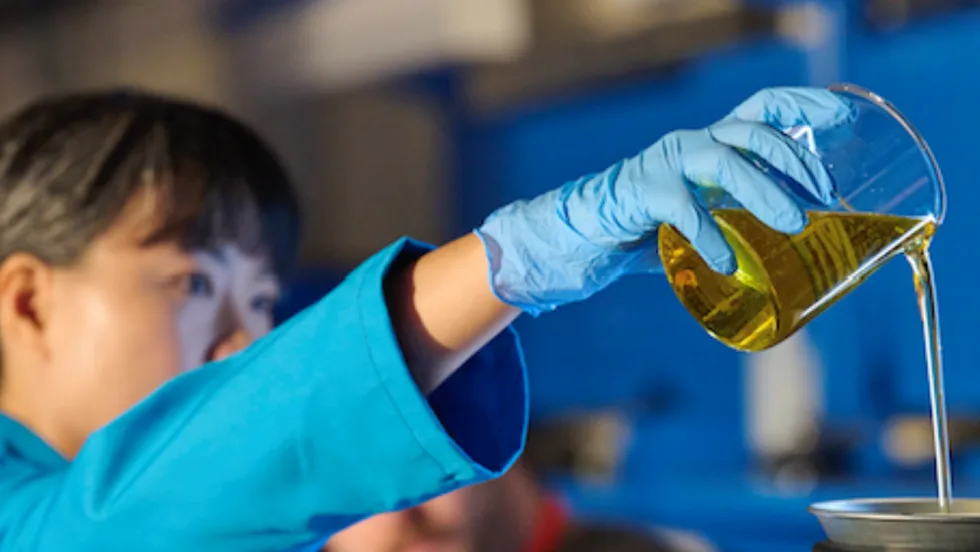
Lubrizol CV1700 Heavy-Duty Engine Oil Additive Available Well Ahead of API CL-4 First License
Lubrizol CV1700, Lubrizol’s additive solution for the American Petroleum Institute’s (API’s) next heavy-duty diesel engine oil specification, is available now and enables high performance across a broad range of base oil stocks and viscosity grades.
Read More →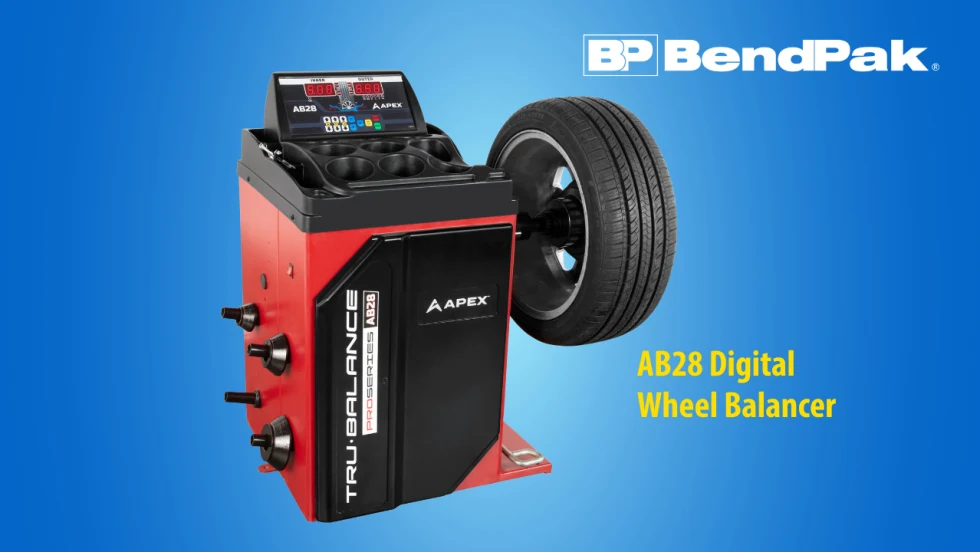
New APEX by BendPak AB28 Wheel Balancer Provides Accuracy & Fast Cycle Times
The APEX by BendPak AB28 digital wheel balancer is designed to support everything from passenger-vehicle and light-truck wheels to performance and specialty wheels.
Read More →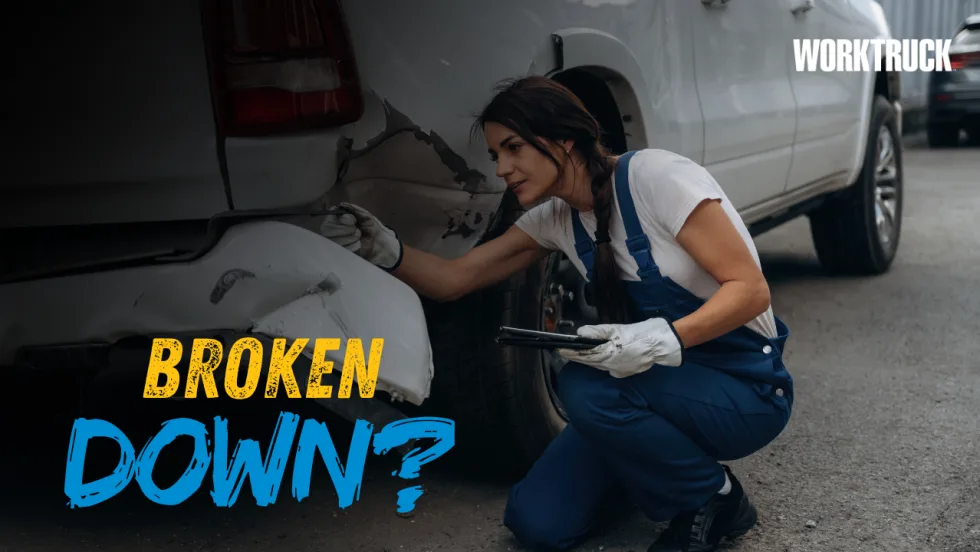
When a Work Truck Breaks Down, the Job Can Stop, Too
A work truck breakdown can stop more than the vehicle. Discover how payloads, jobsites, and specialty equipment change the roadside response.
Read More →