




How Fleets Can Maximize Tire Lifespan
Increasing tire longevity is driven from the top down, with encouragement and expectations flowing down to drivers. Ultimately, the key is getting drivers’ buy-in.

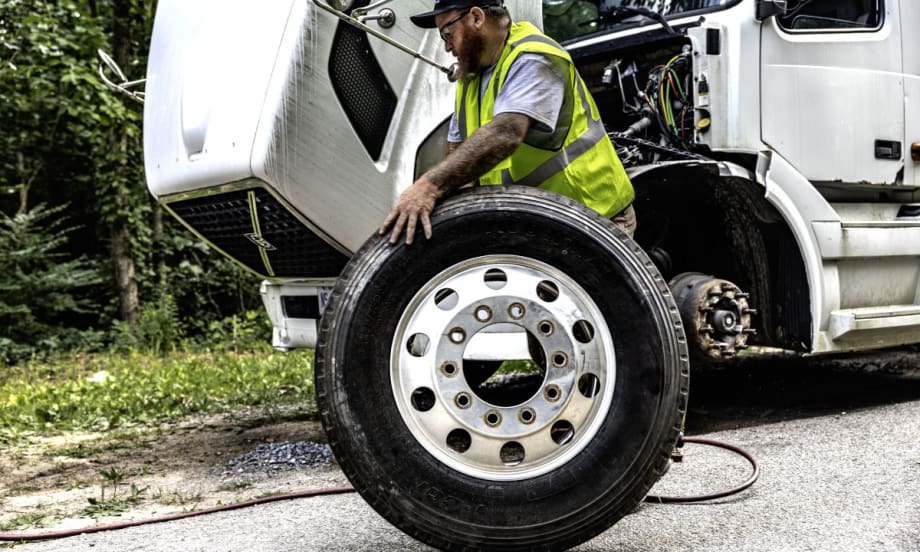
Drivers checking tires each day before hitting the road can often prevent roadside downtime due to tire problems. It is better to spot the problem early and replace the tire in a shop.
Photo: FleetNet America
Tires are a large expense for any fleet, so getting the most out of them and stretching their lifespan has financial benefits. But how can fleets extend tire lifespans? Ideally, by creating a culture throughout the organization, including the drivers.
Drivers are on the frontline of keeping tires healthy and ensuring longevity.
First, they should be the ones most familiar with the tires on their vehicle and should be able to spot common potential problems. They should also keep an eye on tire pressure and make sure the psi is where it should be.
Telematics and tire pressure monitoring systems are valuable assets, but not every work truck or delivery fleet has that capability. They do have drivers, though.
“Air pressure can be the savior or the devil of a tire,” said Brian Welke, senior national sales manager for FleetNet America, part of Cox Automotive.
“Obviously, the air pressure is where it starts from, maximizing not only your footprint but controlling the temperature and keeping that tire running cool. Cooler allows for the longevity of the tread, allows for more even tread wear, better contact patch for traction, better fuel economy,” he added.
Previously, Welke worked for 10 years with Michelin in the commercial trucking space, starting as a territory manager and then in services and solutions. Now he can draw on that base of tire knowledge when helping fleets he serves through FleetNet America.
“I was in healthcare for many years beforehand and got into tires, and never thought tires would be so exciting, as well as trucking,” he said.
Welke said the quest for tire longevity starts at the top and flows down through the company to the drivers, and they must understand proper inflation.
Underinflation’s Impact on Tire Lifespan
An underinflated tire, even running in a dual position, causes problems that can lead to premature wear and shortening of the tire's lifespan.
In the case of a dual tire, when one is underinflated, the other must take a lot more stress, which can fatigue the radial plies. The properly inflated tire will carry much more weight, more heat will build up, and fatigue in the casing will shorten tire life. Also, this can cause irregular wear and faster tread wear.
Underinflation of a steer tire also causes problems. Handling may be off, and irregular channel wear can develop. Welke points out that the tire will have to come off prematurely, likely being relegated to serving out its lifespan as a trailer tire.
“You have to pull it prematurely, then shave it down, put it in a trailer position, then it's gone. You invest a lot of money in good steer tires, now it's in a trailer,” he said.
Overinflation’s Impact on Tire Lifespan
While one tire pressure number is typically printed on the sidewall, that is not the best source to determine proper inflation. Think of that sidewall number as more of an upper-limit disclaimer or warning. It is not the proper psi for a tire.
“A lot of times, we see on the side of the tire psi 120 pounds. Well, you’ve missed the first three letters, which are max,” Welke said as he stressed drivers need to understand maximum tire pressure.
Tires are not one-size-fits-all, meaning even the same tire may have different inflation specs based on different vehicles or the vehicle's weight. Welke suggested relying on the tire pressure specified by the vehicle manufacturer and inflating the tires accordingly.
Drives should also understand when tires are inflated to the vehicle maker’s specs, that number will be for a cold tire.
Welke stressed that fleets need to ensure that their drivers know the proper inflation, again, not what is shown as the maximum psi on the sidewall. Tires will increase pressure and heat up once the vehicle hits the road, and that is where drivers need to allow enough pressure range not to exceed the maximum inflation.
Overinflation can cause excessive tire wear. An overinflated tire alters the tread’s contact patch, and Welke explained how that tread and contact area can even become dome-shaped.
“Now the middle part of the tread is wearing much faster than all the way across the crown to the shoulder. So, you have irregular wear there, fast wear in the middle,” Welke said.
Plus, an overinflated tire will not have as much flex in its casing because it's as tight and firm. That makes tires more susceptible to impact breaks that occur. Welke said that's going to bring a tire’s life to an end right away because an impact break is typically not repairable, and it's now a dead casing
Fleets More Commonly Struggle with Underinflation
Fleets tend to struggle more with underinflated tires than overinflated ones. Welke said this is often due to neglect and becomes more of a problem when weather changes cause tire pressures to fall when temperatures drop.
“Usually when we get our first frost, or thereabout, all sudden we get that little orange light on our car that our psi is low. Well, the same thing happens in trucks too.” Welke said. “So, it's always best practice to check air pressure because not everybody's got TPMS in their trucks or trailers.”
He said don't rely on air systems alone, because those can freeze.
However, as temperatures drop and drivers air up their tires, there is no point in becoming slack about overinflation; it can still happen whenever someone puts air into tires. He also cautions against overinflating in advance when a driver knows temperatures will be falling. That still is overinflation.
Pre-Trip Inspections, Even Non-CDL Drivers
While Class 8 tractor drivers must perform a pre-trip inspection on trucks and trailers, it would be wise for non-CDL drivers responsible for work trucks, delivery vans, and other smaller vehicles to do the same.
Welke has a friend who drives a roll-off for a waste fleet who has, through the years, shared stories about how drivers have jumped in their trucks without checking tires, driven away, and then 30 or 40 minutes later have called back to dispatch with a blown tire.
“Encouraging that pre-trip is huge,” Welke explained. “Sometimes, especially in work trucks, you're driving off-road, you're in different environments where you pick objects up in a tire. Even after you inspected it after you were done for the day, before you went home, everything looked good visually. You couldn't see that nail, or something embedded pretty good. Then the tire ends up losing pressure overnight.”
Situations like that overnight deflation example illustrate the importance of drivers examining every tire before they start the day. Times like that are unexpected, so, drivers should check tires daily.
Taking 30 minutes to change a tire at the start of the day is much better than sitting on the road for a couple of hours. That kind of downtime kills a driver's productivity for the day.
Checking Tires Visually
Well, what if drivers say they are too busy to use a gauge to check tire pressure every day? A driver might get by with just a visual inspection, which is far better than never checking tires before driving off to start the day.
“Visual inspection is really for seeing if there's chunking, scaling, something that's maybe not DOT compliant on the outside of the tire,” Welke said. “Visually, yes, you typically can see, specifically like a steer tire as the single tire, the tire’s pretty low by visual inspection.”
However, he said all tires—steer, dual, and trailer—should be visually inspected.
A driver should check to make sure nothing is wedged between the duals that could cause wear or damage. Also, drivers should make sure that nothing appears to have impacted into the crown of the tire that could cause wear down the road.
Welke points out that something impacted, but not puncturing a tire yet, can still shorten a tire’s lifespan.
“It may not be losing pressure today, but as you're going over and over, and over, and over again, it's impacting the crown of that tire, which is actually putting an indentation in it,” Welke explained. “When you decide to pull the tire off because of low tread depth, when it's buffed down, you can see where it's got that dimple in the casing. Sometimes it's repairable, and sometimes it's not.”
Retreadability can really lengthen a tire's lifespan, but as Welke just described, tires must be cared for along the way to be the best candidates for retreading.
Driver Behavior a Key Impact on Tires
While the first line of defense in preventing premature tire wear is a driver making sure the air pressure is correct and the tires are in good working order each day, how a driver handles a vehicle once it is on the road is also a major factor.
Hard braking and skids can shorten the lifespan of tires.
“That just takes big chunks of the life of the tire out. Hard braking is really tough. You have such an extreme load shift, especially if you're in a loaded vehicle. Hard braking just puts so much stress on the tires,” he said.
Depending on the tread depth, it can have a huge impact on the actual tread blocks as well.
“Overly aggressive, hard braking, hard cornering, acceleration and just being too fast to stop and too fast to turn, never yields good longevity of tire wear,” Welke explained.
Hard cornering is also a culprit in shortening tire lifespans since it contributes to outside shoulder wear, especially in steer tires.
Once you start to get irregular tire wear, Welke cautioned, it spreads and accelerates over time much faster than having a normal contact patch.
Key Takeaways about Increasing Tire Longevity
Increasing tire longevity is driven from the top down, with encouragement and expectations flowing down to drivers. Ultimately, the key is getting drivers’ buy-in, pointed out Welke.
How can you promote healthy tire life down to drivers?
Welke said he has worked with some fleets that created driver bonuses based on reduced tire wear. That, in turn, makes for drivers that often also deliver better fuel economy and other important results.
“If you can have driver buy-in to where the performance of the tire yields success and they have some skin in the game, you can change the driver behavior, which in turn leads the driver to probably want to inspect tires more frequently in the mornings, take a look at them at the end of the day, to where they want to catch something to where they're not necessarily penalized,” Welke explained.
Catching a small tire issue before hitting the road is good because it prevents the roadside downtime later. It's a lot cheaper to replace or fix a tire in your shop than it is on the side of the road.
“So that's the key focus. Get that driver buy-in. It's almost like you create a culture of efficiency because tire wear, fuel efficiency, brake wear, and everything else will tie into that driver behavior,” Welke concluded.
The end result - drivers taking it easy on tires can help lead a fleet to what really matters, a lower cost-per-mile operating expense.
More Maintenance & Uptime
Hunter Engineering Enters Collaborates with Bosch for Remote Diagnostics Service Through ADASLink
Hunter Engineering’s collaboration with Bosch enables ADASLink to connect directly with Bosch diagnostic experts through an integrated remote support platform, allowing shops to service more vehicles.
Read More →
Mack Adds Chassis Coverage Options for Fleet Repair Costs
Mack Trucks introduced four system-specific chassis coverage plans, giving fleets more flexibility to manage repair costs for driveline, HVAC, electronics, safety systems, and other components.
Read More →
GM Launches ‘30 Under 30’ Program to Elevate Automotive Service Technicians and Inspire the Next Generation
The GM Automotive Service Technicians 30 Under 30 program honors GM service technicians under the age of 30 who demonstrate continuous technical training, exemplary customer service, mentorship, and leadership.
Read More →From Our Partners
How JASPER Keeps Fleets Moving and Profitable
Sponsored by Jasper Engines & Transmissions
Basic Tracking vs Next Generation Fleet Technology
Sponsored by AT&T Business
5 Facts Every Fleet Manager Should Know About Embedded Telematics
Sponsored by Stellantis/Mobilisights
How AI Video Telematics Boosts Driver Safety and Helps to Avoid Unnecessary Costs
Sponsored by Verizon Connect

Charting the 8 Bottom-Line Benefits of Workforce Optimization
Sponsored by Verizon Connect

Kooner Fleet Management Solutions Named Exclusive On-Site Fleet Maintenance Provider for Safe Truck Parking
A strategic partnership between Kooner Fleet Management Solutions and Safe Truck Parking brings mobile maintenance and 24/7 repair services directly to Safe Truck Parking locations, beginning in San Diego, California, with nationwide expansion planned.
Read More →
Building a Better Vehicle Replacement Model
Meter readings still matter, but engine hours, idle time, maintenance trends, and utilization can help fleets spot costly vehicles before the odometer does.
Read More →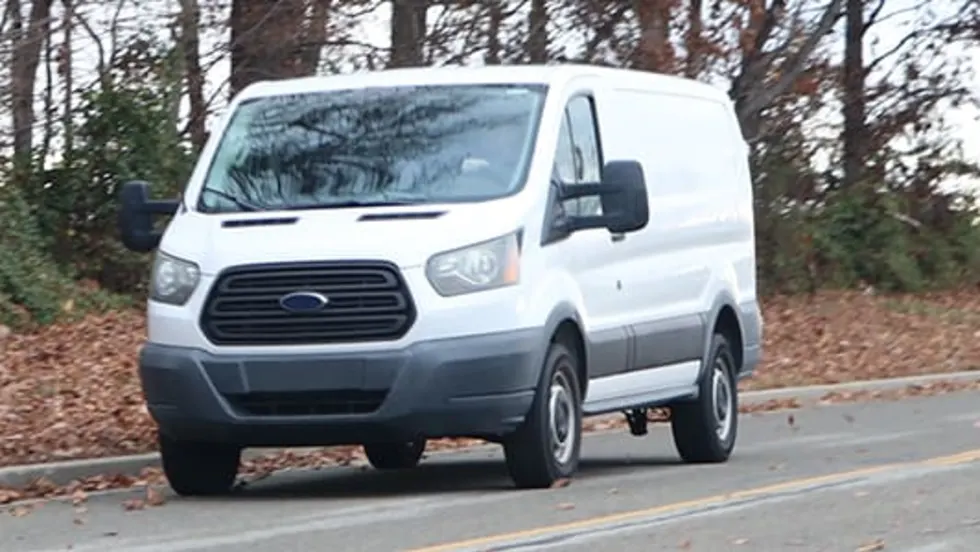
How JASPER Keeps Fleets Moving and Profitable
Every business decision within fleet management ultimately comes down to financial performance. Investing in dependable replacement powertrain components and responsive support can measurably impact the bottom line.
Read More →
Ryder Honors 2026 Top Technician at 25th Anniversary Skills Competition
Hosted in Nashville, Ryder’s 25th annual Top Technician Skills Competition honored the best technicians across the U.S. and Canada. Top Tech celebrates technician expertise while promoting growth, recognition, and camaraderie. Here are the winners.
Read More →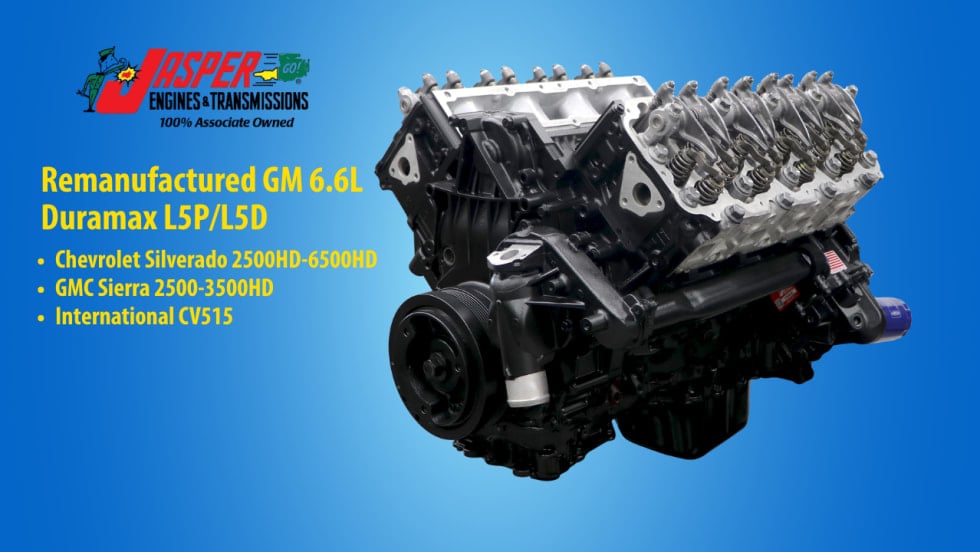
Jasper Offers GM 6.6L Duramax L5P/L5D Complete Format Diesel Engines
Jasper Engines & Transmissions now offers the remanufactured GM Duramax 6.6L L5P/L5D as a complete format engine for several General Motors and International 2017-2023 HD pickup trucks.
Read More →
Armor Equipment Strengthens Minnesota Service Capabilities with Acquisition of Dakota Truck
Armor Equipment has acquired Dakota Truck, a medium- and heavy-duty truck and trailer repair business based in Lakeville, Minnesota. The acquisition adds truck and trailer repair expertise, building on Armor’s expansion into the Upper Midwest.
Read More →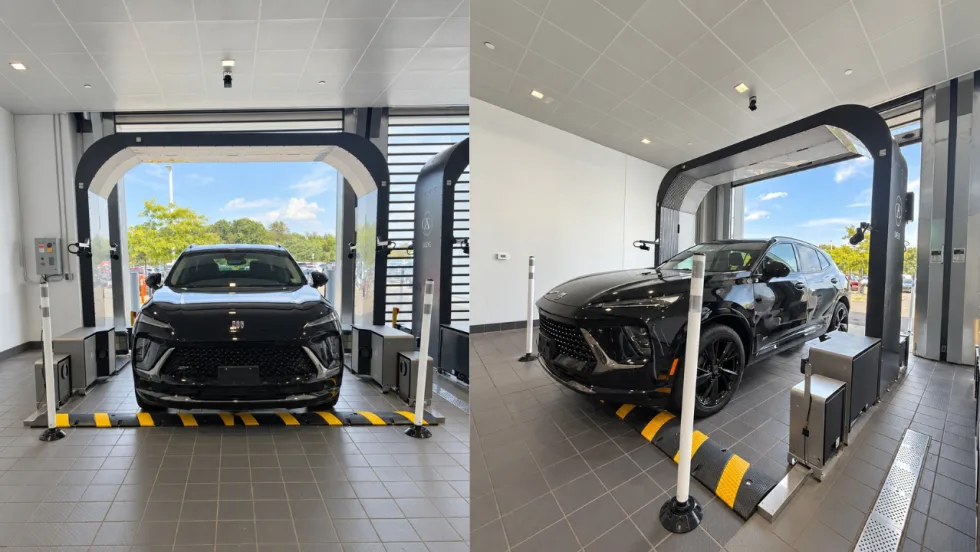
LaFontaine Partners With UVeye to Expand AI Vehicle Inspections in Michigan
LaFontaine is expanding UVeye AI vehicle inspections across Michigan, while UVeye tells Work Truck how the technology can support fleet maintenance and heavy-duty vehicle inspections.
Read More →