




Sustainability Trends for Commercial Collision Centers
Sustainability is a focus for modern commercial collision repair centers as environmental requirements, productivity, operational efficiency, and worker protection take center stage. Learn about the current trends.
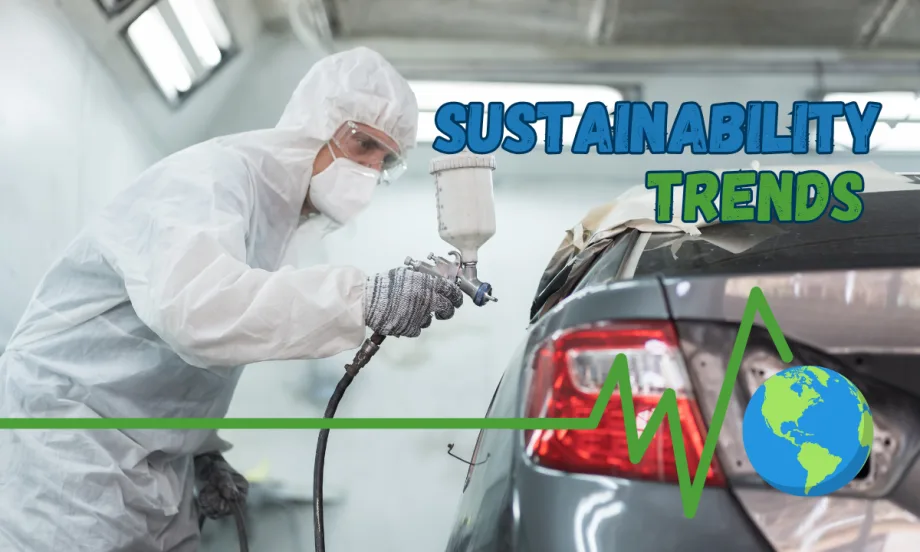
Commercial vehicle body shops that improve their environmental footprint can attract skilled workers and increase profitability.
Photo: Work Truck
Sustainability emerges as a key focus for commercial collision repair centers. Body shops face new expectations around environmental accountability, operational efficiency, and worker wellbeing as the industry grows from $12.43 billion in 2024 to an estimated $19.25 billion by 2031, according to industry reports.
Sustainability and productivity are closely linked in this evolving landscape. Shops that adapt can improve their environmental footprint, attract skilled workers and increase profitability.
Keep Pace with Environmental Standards
In the years ahead, commercial body shops will face increased expectations for environmental accountability. These requirements are not all driven by regulation.
Corporations with multinational operations adhering to ambitious sustainability goals set a high bar across regions and within their value chains. European regulations, for example, often lead the way with stringent environmental standards that many companies adopt globally to streamline compliance.
For North American body shops, regardless of local laws, there's an industry-wide trend toward greater transparency in emissions and environmental impact.
Let's address two primary factors that drive this trend.
First, the Science Based Targets Initiative (SBTi), a collaboration that helps companies and financial institutions set science-based targets to reduce greenhouse gas emissions, is gaining traction, with more than 9,000 companies committing to reduce their emissions.
The initiative develops standards, tools and guidance which allow companies to set scope 1, 2 and 3 greenhouse gas emissions reduction targets, in line with the goals of the Paris Agreement. As part of scope 3 downstream emissions reduction initiatives, paint manufacturers increasingly collaborate with customers to lower emissions through product innovations and process improvements.
Second, large corporations now acquire and operate more collision centers, shifting the industry toward consolidated ownership.
Public company investors demand stronger sustainability practices from these corporate-owned repair facilities. As part of larger corporate entities, body shops are more likely to be asked for emissions reporting and impact metrics as part of these companies' sustainability commitments. Whether mandated by regulation or corporate policy, body shops will increasingly be expected to meet new sustainability benchmarks to compete.
Another trend is the involvement of insurers. Many insurance companies, particularly in Europe, now demand emissions metrics as part of repair estimates. Body shops equipped to provide emissions data may gain a competitive edge in securing insurer-preferred contracts.
Boost Productivity and Manage Emissions
Sustainability is more than compliance—it’s an opportunity to drive efficiency.
Body shops can reduce their environmental footprint and realize cost savings by focusing on productivity. Take, for example, life cycle assessments (LCA), a method used to calculate the environmental impact of a product from the beginning of its life (material sourcing and production) to its end (application and disposal).
For body shops, understanding the full life cycle impact of their processes can help identify opportunities to reduce energy consumption, waste, and emission at every step. Body shops that minimize paint overspray or use energy-efficient curing methods can significantly cut costs and waste.
Innovative tools like digital color-matching systems can streamline processes, enhance material accuracy, and reduce paint waste. Collision centers that adopt these technologies have reported productivity boosts of more than 10%, demonstrating how sustainability and operational improvements go hand in hand.
Sustainability is more than just considering vehicle emissions. In North American body shops, there's an industry-wide trend toward less environmental impact.
Photo: PPG
Safer, More Efficient Workspaces to Attract Talent
Commercial body shops face ongoing shortages of skilled workers and compete with other sectors to attract and retain talent. The workplace environment can play a significant role in talent satisfaction and productivity. Low-volatile organic compounds (VOCs) or waterborne coatings, coupled with advanced air filtration systems, can create cleaner, safer environments for commercial body shops. These upgrades make shops more attractive to skilled technicians in a competitive labor market.
Invest in Tomorrow
The path to sustainability offers commercial collision centers a way to align with industry trends while driving profitability.
Practical steps like minimizing paint overspray, using energy-efficient curing methods and adopting advanced tools such as digital color-matching systems can help shops reduce operating costs while meeting sustainability goals. Commercial shops that invest in these changes can enhance operations and their work environment to position themselves for long-term resilience and growth.
Anurag Raj is PPG's Customer Sustainability Business Partner for the Refinish business. He leads and supports PPG's and its customers' sustainability targets. To learn more about how PPG helps clients make choices that align with their sustainability goals, visit here. For more on PPG refinish, see here.
More Maintenance & Uptime
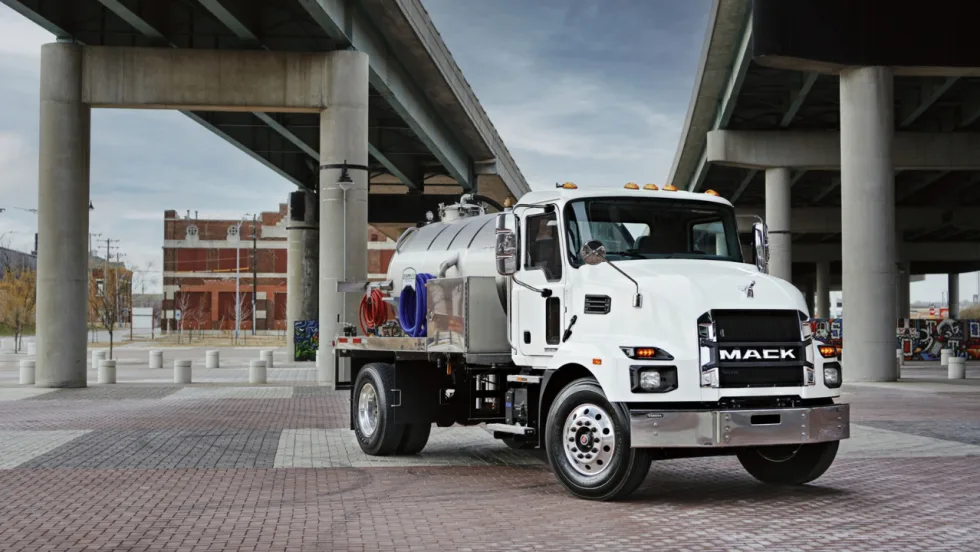
Mack Adds Chassis Coverage Options for Fleet Repair Costs
Mack Trucks introduced four system-specific chassis coverage plans, giving fleets more flexibility to manage repair costs for driveline, HVAC, electronics, safety systems, and other components.
Read More →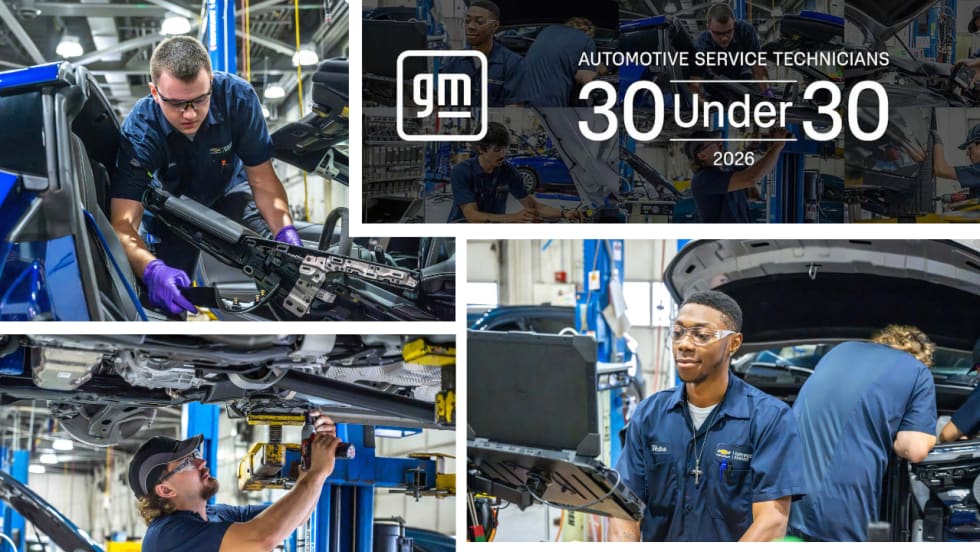
GM Launches ‘30 Under 30’ Program to Elevate Automotive Service Technicians and Inspire the Next Generation
The GM Automotive Service Technicians 30 Under 30 program honors GM service technicians under the age of 30 who demonstrate continuous technical training, exemplary customer service, mentorship, and leadership.
Read More →
Kooner Fleet Management Solutions Named Exclusive On-Site Fleet Maintenance Provider for Safe Truck Parking
A strategic partnership between Kooner Fleet Management Solutions and Safe Truck Parking brings mobile maintenance and 24/7 repair services directly to Safe Truck Parking locations, beginning in San Diego, California, with nationwide expansion planned.
Read More →From Our Partners
How JASPER Keeps Fleets Moving and Profitable
Sponsored by Jasper Engines & Transmissions

Basic Tracking vs Next Generation Fleet Technology
Sponsored by AT&T Business
5 Facts Every Fleet Manager Should Know About Embedded Telematics
Sponsored by Stellantis/Mobilisights
How AI Video Telematics Boosts Driver Safety and Helps to Avoid Unnecessary Costs
Sponsored by Verizon Connect
Charting the 8 Bottom-Line Benefits of Workforce Optimization
Sponsored by Verizon Connect

Building a Better Vehicle Replacement Model
Meter readings still matter, but engine hours, idle time, maintenance trends, and utilization can help fleets spot costly vehicles before the odometer does.
Read More →
How JASPER Keeps Fleets Moving and Profitable
Every business decision within fleet management ultimately comes down to financial performance. Investing in dependable replacement powertrain components and responsive support can measurably impact the bottom line.
Read More →
Ryder Honors 2026 Top Technician at 25th Anniversary Skills Competition
Hosted in Nashville, Ryder’s 25th annual Top Technician Skills Competition honored the best technicians across the U.S. and Canada. Top Tech celebrates technician expertise while promoting growth, recognition, and camaraderie. Here are the winners.
Read More →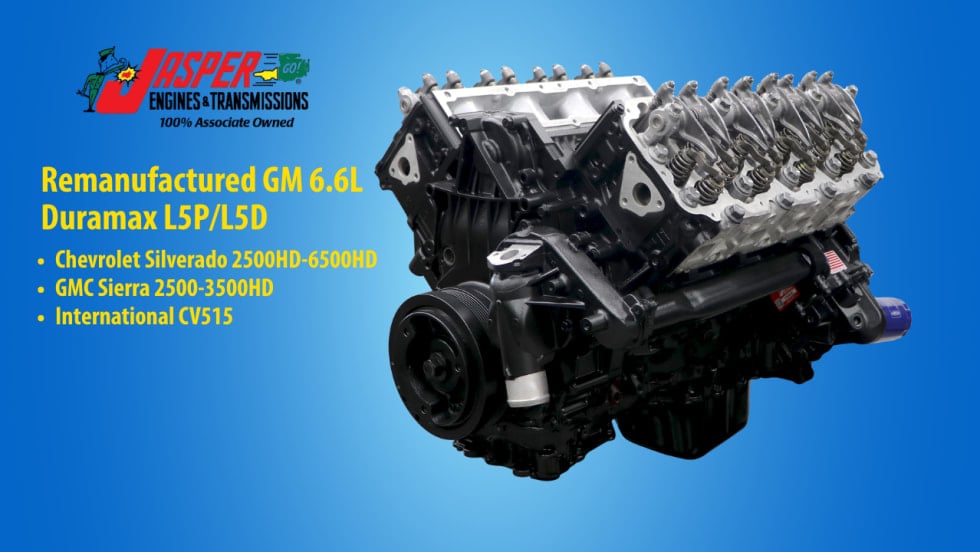
Jasper Offers GM 6.6L Duramax L5P/L5D Complete Format Diesel Engines
Jasper Engines & Transmissions now offers the remanufactured GM Duramax 6.6L L5P/L5D as a complete format engine for several General Motors and International 2017-2023 HD pickup trucks.
Read More →
Armor Equipment Strengthens Minnesota Service Capabilities with Acquisition of Dakota Truck
Armor Equipment has acquired Dakota Truck, a medium- and heavy-duty truck and trailer repair business based in Lakeville, Minnesota. The acquisition adds truck and trailer repair expertise, building on Armor’s expansion into the Upper Midwest.
Read More →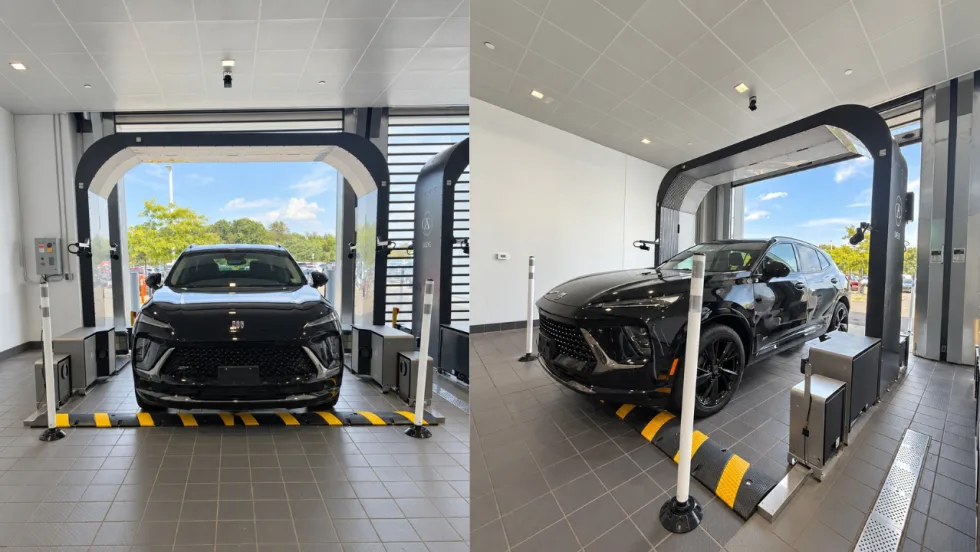
LaFontaine Partners With UVeye to Expand AI Vehicle Inspections in Michigan
LaFontaine is expanding UVeye AI vehicle inspections across Michigan, while UVeye tells Work Truck how the technology can support fleet maintenance and heavy-duty vehicle inspections.
Read More →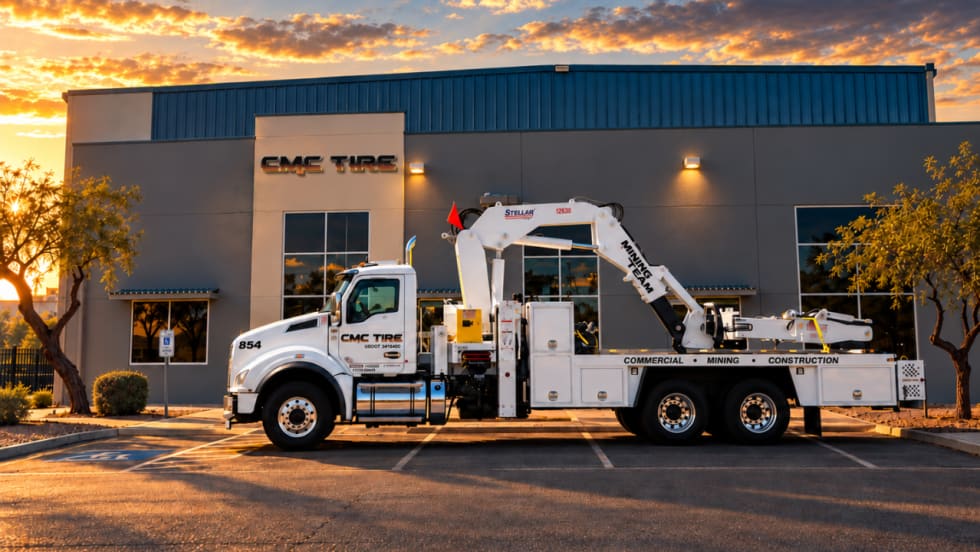
Les Schwab Expands Commercial Tire Footprint Into Arizona
Les Schwab Tires has expanded into Arizona with two commercial tire locations in Phoenix and Tucson, strengthening its fleet service footprint in the Southwest.
Read More →