



Ultium Cells to Upgrade Tennessee Plant for Low-Cost EV Battery Cell Production
Ultium Cells will upgrade its Spring Hill, Tennessee, manufacturing facility to scale production of low-cost lithium iron phosphate battery cells, with commercial production expected by late 2027.

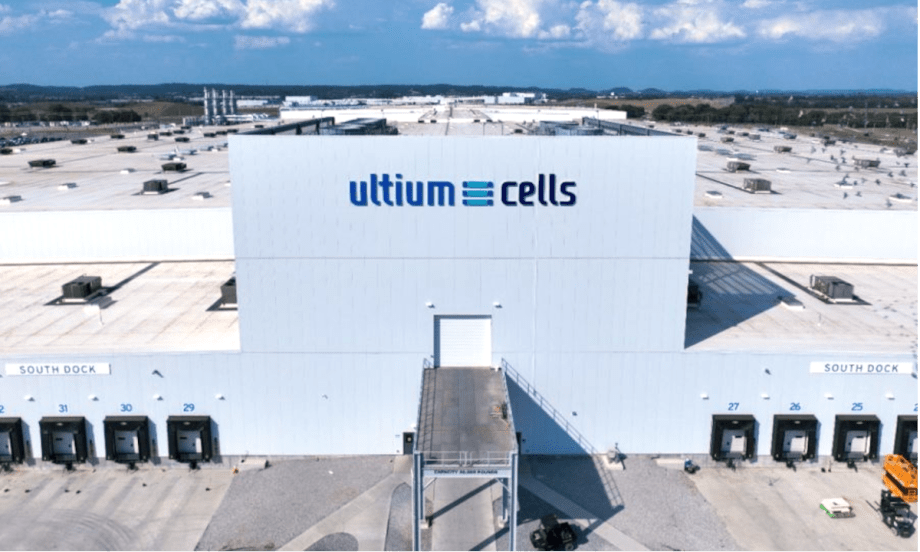
The Ultium Cells plant in Spring Hill, Tennessee, will add production of lithium iron phosphate (LFP) battery cells.
Photo: Ultium Cells
Ultium Cells will upgrade its Spring Hill, Tennessee, battery cell manufacturing facility to scale production of low-cost lithium iron phosphate battery cells, building on a $2.3 billion investment announced in 2021.
Conversion of battery cell lines at Spring Hill to produce LFP cells will begin later this year, with commercial production expected by late 2027.
Ultium Cells is a joint venture between General Motors and LG Energy Solution that mass-produces battery cells to advance the push for a zero-emissions, all-electric future. It provides battery cell capacity to support GM's North American electric vehicle assembly capacity, while supporting GM’s plans to supply other automotive companies and other industries, including rail, aerospace, heavy trucking, and marine customers.
“At GM, we’re innovating battery technology to deliver the best mix of range, performance, and affordability to our EV customers,” said Kurt Kelty, vice president of batteries, propulsion, and sustainability at GM. “This upgrade at Spring Hill will enable us to scale production of lower-cost LFP cell technologies in the U.S., complementing our high-nickel and future lithium manganese rich solutions and further diversifying our growing EV portfolio."
GM said its flexible EV platform has been architected to enable the quick integration of multiple cell chemistries and form factors.
The Ultium Cells plant in Warren, Ohio, will continue producing cells with nickel, cobalt, manganese, aluminum chemistry, which has been key to GM delivering a range of crossovers with more than 300 miles of range on a charge.
With LFP battery technology, GM is targeting significant battery pack cost savings compared to today’s high-nickel battery pack while increasing consumer EV choice.
“The upgrade reflects the continued strength of our partnership with General Motors and our shared commitment to advancing EV battery innovation,” said Wonjoon Suh, executive vice president and head of the Advanced Automotive Battery division at LG Energy Solution. “We will bring our extensive experience and expertise in U.S. manufacturing to the joint venture facility, further accelerating our efforts to deliver new chemistries and form factors that effectively capture the unmet needs in the EV market.”
The Spring Hill facility currently employs about 1,300 people. With the ability to manufacture battery cells in multiple cell chemistries, Spring Hill will help drive U.S. battery innovation, manufacturing, and consumer choice in the EV market.
“We are grateful for the continued partnership and support we've received from the State of Tennessee as we continue to advance our lead in EV battery cell manufacturing,” said Kee Eun, president and CEO of Ultium Cells. “This investment expands our capabilities beyond a single battery cell chemistry, allowing us to produce new chemistries alongside our existing cells. Expanding our product portfolio ensures Ultium Cells will remain at the forefront of battery cell innovation and sustain our commitment to be a stable, long-term employer for the communities we serve.”
More Green Fleet

Electric Truck and Charging Programs to Boost Sustainability at NY & NJ Ports
Together, the Port Authority of New York and New Jersey and CALSTART will electrify drayage and terminal operations serving the East Coast’s busiest container port. A pair of incentive programs totaling $45 million has launched to accelerate adoption of zero-emission drayage trucks and terminal tractors.
Read More →
Xos Hub Surpasses One Gigawatt-Hour of Energy Delivered in the Field
A single Xos Hub has surpassed one gigawatt-hour of energy across more than 33,600 charging sessions in the field, demonstrating performance that supports Xos' expansion across new products and markets.
Read More →
Carrier Transicold Launches All-Electric Vector 8200 TRU for Diesel-Free On-Site Cold Storage
Carrier Transicold’s first engineless multi-temperature TRU helps fresh- and frozen-food fleets add supplemental cold storage capacity during seasonal peaks.
Read More →
Narro Trucks Introduces Electric Utility Vehicle
Narro Trucks officially launched its operations on Aug. 20 and hosted a ride and drive to showcase its electric truck, which will be produced in Virginia.
Read More →
Samsung SDI Takes Full Control of GM Battery JV as Indiana Plant Pivots to Energy Storage
Samsung SDI is taking full control of its Indiana battery plant with GM, marking a major shift from the EV-focused joint venture Charged Fleet first covered in 2023.
Read More →
NWSA Taps CALSTART to Administer Zero-Emission Drayage Assistance Program
CALSTART will provide free technical assistance services to drayage fleets serving the Ports of Seattle and Tacoma and looking to transition to cleaner technologies and help decarbonize freight hubs.
Read More →
EV Fleet Reality Check: What Operators Wish They Knew Before Electrifying Their Work Vans
Electric work truck upfits bring new compatibility questions. Learn how parts availability, OEM guidance, power demands, and route planning can affect fleet performance.
Read More →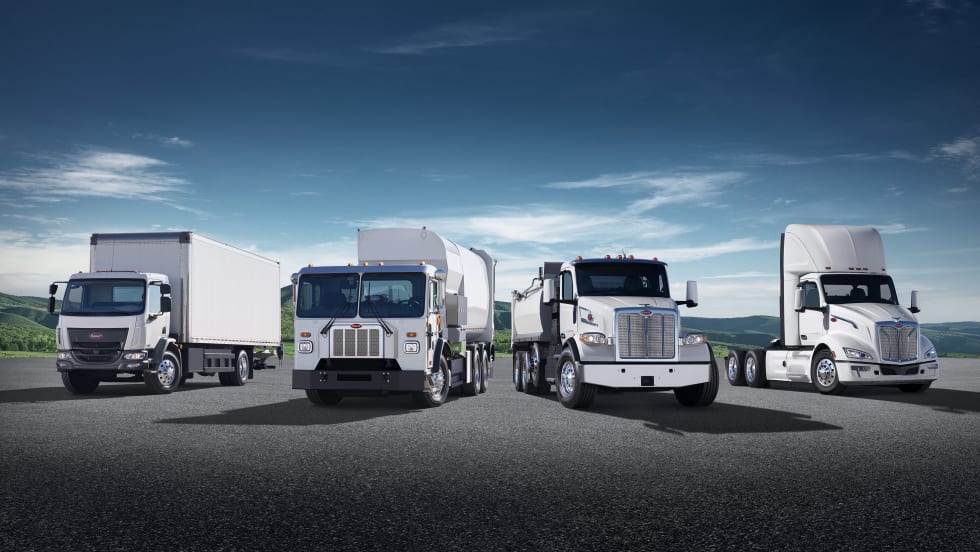
Peterbilt Expands Sourcewell Partnership with Electric Vehicle Lineup
Peterbilt Motors Company’s cooperative purchasing agreement with Sourcewell and its Canadian partner, Canoe Procurement Group, now includes including Peterbilt's battery-electric vehicle lineup.
Read More →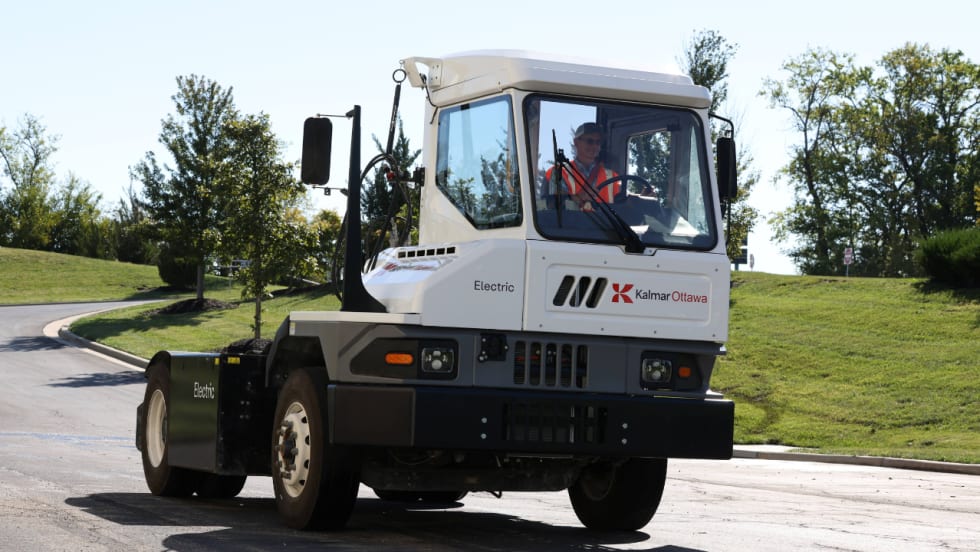
WTC Group Expands Sustainable Operations with Kalmar Ottawa T2 EV Fleet
Commercial adoption of the Kalmar Ottawa T2 EV terminal tractor continues to grow as customers add the zero-emission yard tractor to their fleets. WTC Group has placed an order for a Kalmar Ottawa T2 EV.
Read More →
Where Propane Autogas Fits in Today's Fleet Fuel Strategy
Learn more from PERC's Joel Stutheit, as he explains why propane autogas remains a practical alternative for fleets seeking to reduce emissions without sacrificing operational flexibility.
Read More →