




Legends of Fleet: Rick Longobart’s Insights on the Changing World of Fleet Management
Legends of Fleet: Larry Campbell on People, Planning, and the Power of Patience
One of fleet’s most respected leaders reflects on decades of change and shares his biggest lessons with the next generation of fleet managers.
April 22, 2025
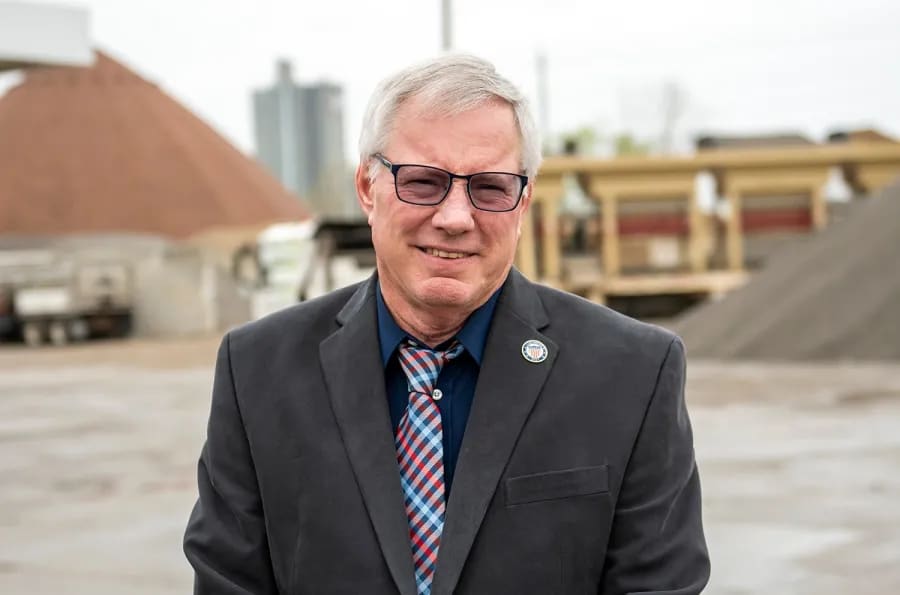
In his Legends of Fleet interview, Larry Campbell shares insights on building strong teams, leading with integrity, and planning for the future.
Photo: Larry Campbell
4 min to read
Larry Campbell has seen it all in fleet management — from punch cards and DOS to predictive analytics and cloud-based dashboards. But through every shift in technology and every challenge in operations, one message has remained clear.
“It’s the people. It’s those people on the floor,” Campbell said.
In this Legends of Fleet interview, Campbell reflects on a career defined by leadership, learning, and long-term thinking. He opens up about the hurdles he faced, the goals that took 20 years to accomplish, and why new fleet professionals shouldn’t try to go it alone.
From Punch Cards to Predictive AI
Fleet management has changed dramatically since Campbell first got started. When he entered the field, digital tools were virtually nonexistent.
“When I started, there was no such thing as fleet management software,” he said. “We had punch cards. I learned Lotus and DOS. And now, we’re tracking distracted driving and vehicle diagnostics from our phones.”
Over the years, Campbell witnessed a steady stream of changes — from fuel types and emissions standards to the introduction of hybrids, EVs, and modern telematics systems. The key, he said, is staying adaptable.
“It never stops. It’s always evolving,” he explained. “If you stop moving forward, you’re going to get left behind.”
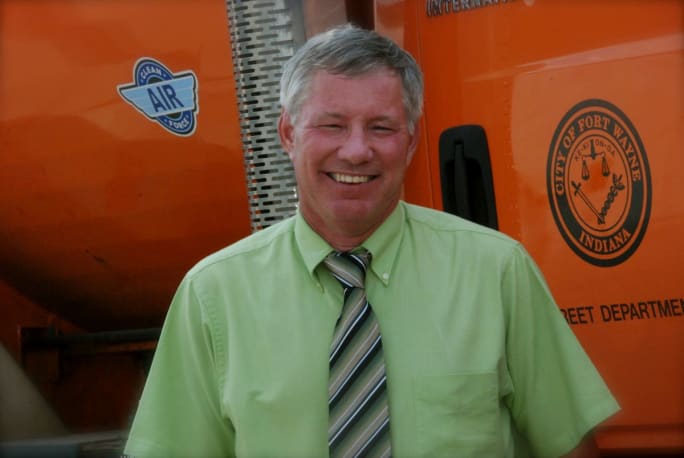
From punch cards to predictive analytics, Larry Campbell’s journey showcases how staying adaptable fuels long-term success in fleet operations
Photo: Larry Campbell
Building a Vision Takes Time
Campbell points to the decision to bring a previously outsourced city fleet operation back in-house as one of his proudest moments. It was a big undertaking that required proving to leadership that his department could not only do the job, but do it better.
“We showed the elected officials that we could hire the right people, do the work ourselves, and save money. And we did,” he said.
Another accomplishment that stands out was the construction of a new fleet facility—something that took two decades to achieve.
“That facility was one of the first goals I wrote down in 2003,” he said. “We got it done in 2023. It took 20 years, but we got there.”
Campbell emphasized the importance of putting ideas and plans on paper and reviewing them regularly. “I kept that plan going year after year,” he added. “When I retired, I looked back and saw how far we’d come.”
Advice for New Fleet Managers
For those just entering fleet leadership roles, Campbell shared several lessons drawn from real experience.
“Always think five to ten years out. You own that decision, so make sure it’ll hold up,” he advised.
He also emphasized the value of building strong relationships. “Know your elected officials, your controller’s office, and your people. Those connections matter when things go sideways.”
Campbell noted that being a fleet manager is not a clock-in, clock-out job. “There’s no shortcut to hard work. You have to read, network, and keep learning. It’s not an eight-hour-a-day job.”
Listening to employees and involving them in decision-making was another key theme. “Roll out your plans. Get their input. Listen. They might see things you don’t,” he said.
Perhaps most importantly, Campbell cautioned against trying to handle everything alone. “You’ll miss family time, you’ll burn out, and your people won’t grow,” he said. “Trust your team. Get to know them — not just on the job, but as people.”
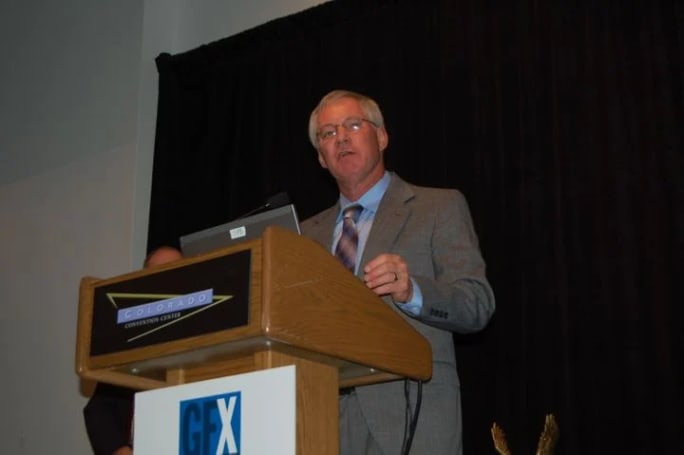
Fleet veteran Larry Campbell reflects on decades of change, leadership, and lessons learned in the evolving world of fleet management.
Photo: Larry Campbell
Leadership That Sticks
For Campbell, being a strong leader was about more than hitting KPIs—it was about showing up, listening, and leading by example.
“If you’re running two shifts, don’t disappear after first shift. Bring pizza, show up, get to know them. Second shift is just as important,” he shared.
He also stressed the importance of owning mistakes and showing accountability. “I’ve made bad calls. I’ve had to stand in front of my team and say, ‘You were right. I was wrong.’ And that honesty built more respect than pretending everything’s fine.”
Campbell encourages other leaders to stay grounded and ethical, even when things get tough. “Treat people the way you want to be treated. Talk to people the way you want to be talked to. Respect is earned, not given,” he said.
Looking Ahead in Fleet Management
While AI and predictive technology are changing how fleets are managed, Campbell believes core values still lead the way.
“Use your data to make smart decisions. But never lose your ethics. That’s your name. That’s what you’re remembered by,” he said.
He closed with a favorite saying that ties together his philosophy of long-term planning and meaningful action.
“Vision without action is a daydream,” Campbell said. “Action without vision is a nightmare. You need both to change your fleet for the better.”
Subscribe to Our Newsletter
More Operations

Automotive Fleet Opens 2026 Personal Use Survey for Commercial Fleet Managers
Less than two weeks left! Commercial and corporate fleet managers are invited to share how their organizations handle company vehicle personal-use policies, charges, and driver eligibility.
Read More →
What Resilient Fleets Do Differently When Conditions Change
Fleet resilience is about more than reacting to disruption. Lauren Fletcher talks with AP Fleet’s Alex Coveney about flexibility, planning, scaling, and what helps fleets adapt when business conditions shift.
Read More →
If We Want the Next Generation in Automotive, We Have to Give Them a Reason to Care
The automotive industry talks constantly about its workforce shortage. But before we can recruit the next generation, we may need to do a better job giving kids a reason to care about automotive in the first place.
Read More →
Ram ProMaster City Under $40K, Truck Tariffs, and AI Maintenance Lead the News
A sub-$40K commercial van, tariff questions, AI-powered maintenance, and a new EV production strategy headline this week’s Truck Chat Cheat Sheet.
Read More →
Bob Adamsky Shares the Fleet Lessons You Usually Learn the Hard Way
After more than 30 years in fleet, Arrow International’s Bob Adamsky has learned that the job is about far more than vehicles. He shares the lessons he wishes every fleet manager could learn a little earlier.
Read More →
Why Fleet Leaders Have to Keep Asking Why
What if the biggest fleet improvements start with one simple question? After decades managing budgets, policies, technology, teams, and some of the largest fleet operations in the business, Jeff Hurrell shares why fleet leaders should keep asking “why” before deciding what comes next.
Read More →
Drones, EV Reality, Truck Production & Smarter Fleet Operations Lead This Month
August’s biggest work truck stories go beyond the vehicle, from disaster-response drones and EV reality checks to truck production, roadside uptime, and smarter fleet operations.
Read More →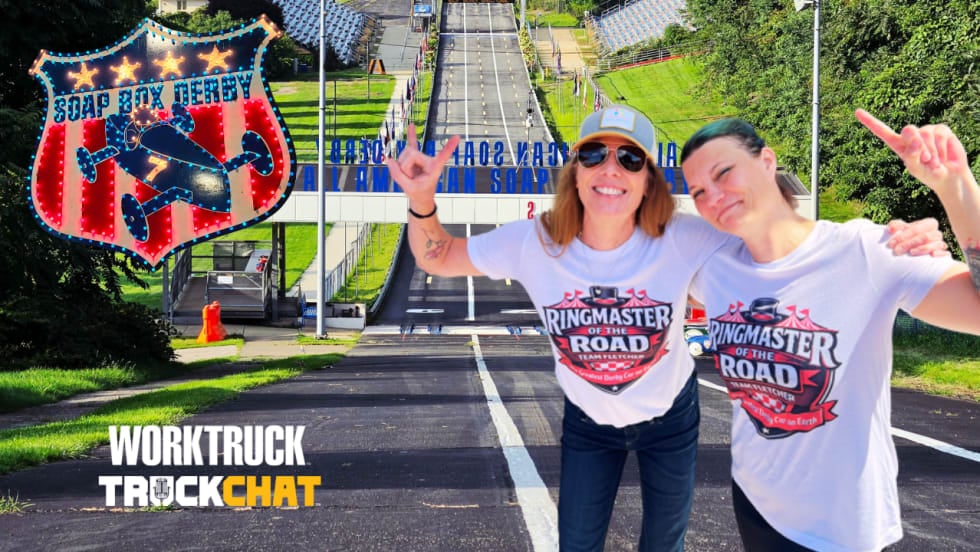
Team Fletcher Takes 2nd Overall at the Corporate Soap Box Derby
Team Fletcher came to Akron as a rookie and left with a win over Team Brown, a second-place overall finish, and $22,000 raised for The Hourglass Foundation. See how race day unfolded.
Read More →
Shades of Fleet Call for Voices: Fleet's Hidden Heroes
Fleet’s hidden heroes are often the ones keeping everything moving behind the scenes. September’s Shades of Fleet is looking for dispatchers, coordinators, parts specialists, and other support pros to share their stories.
Read More →
What is the WEX NAM Summit?
What makes the WEX NAM Summit different from other fleet industry events? It's a meeting of the minds that brings fleet and mobility leaders together to discuss emerging trends, AI, new solutions, best practices, and the future of the industry.
Read More →