





Driver Shortages or Fleet Retention Problems? Let’s Talk Solutions
Fleet Stress on the Rise: 68% of Drivers Say It Impacts Safety
68% of U.S. fleet professionals say driver stress affects performance, with rising accident risks and growing challenges in the transportation industry.
February 18, 2025

A new Geotab survey highlights how driver stress impacts fleet safety and performance, emphasizing the need for better driver support programs.
Photo: Work Truck
2 min to read
A new study released by Geotab Inc. highlights the need for increased support for commercial drivers to address growing concerns about their well-being and road safety.
As driver shortages persist, the study emphasizes that investing in comprehensive driver support systems is essential for improving job satisfaction, reducing turnover, and ensuring safer roads.
Driver Shortages and High Turnover Rates Pose Financial Challenges
High turnover rates lead to significant costs for recruiting and training new drivers. According to the National Academies of Sciences, Engineering, and Medicine, replacing a single driver can cost between $10,000 and $20,000. Additionally, the cost of trucking has reached an all-time high of $2.27 per mile, impacting carrier profitability and operational efficiency.
The Geotab study reveals the complex challenges commercial drivers face, many of which contribute to job dissatisfaction. A significant number of drivers report regularly exceeding the speed limit to meet job demands, while 60% say congestion has made their work more challenging.
Additionally, 76% of drivers observe others using mobile phones, highlighting risky road behaviors that add to driver stress and safety concerns.
Industry Leaders Emphasize the Need for Driver Support Systems
"Our research shows a direct and critical link between driver well-being and the overall performance of the transportation industry," said Vik Sridhar, product leader at Geotab. "The future of the transportation industry depends on a thriving workforce. Prioritizing driver support is a strategic necessity for carriers to attract and retain drivers, leading to better business outcomes and safer roads."
These findings underscore the importance of addressing structural challenges like an aging workforce, barriers to entry for new drivers, and lifestyle demands that don’t align with trucking. Poor driving results in thousands of fatalities annually.
According to the Federal Motor Carrier Safety Administration, the average cost of a large truck crash involving a fatality is $3.6 million. Proactive support for drivers can reduce accident risks and improve overall performance.
Investing in Driver Support Programs for a Safer Future
Geotab's research demonstrates the importance of investing in driver support programs, promoting stress management techniques, and fostering a culture of safety within the transportation industry. By taking these steps, companies can improve road safety and gain a competitive advantage in attracting and retaining drivers.
Research findings are available in The Ripple Effects of Driver Stress on Road Safety and the Bottom Line.
Methodology, data collection, and analysis conducted by Endeavor Business Intelligence (US) on behalf of Geotab. Data collected December 20, 2024, through January 10, 2025.
More Safety & Compliance
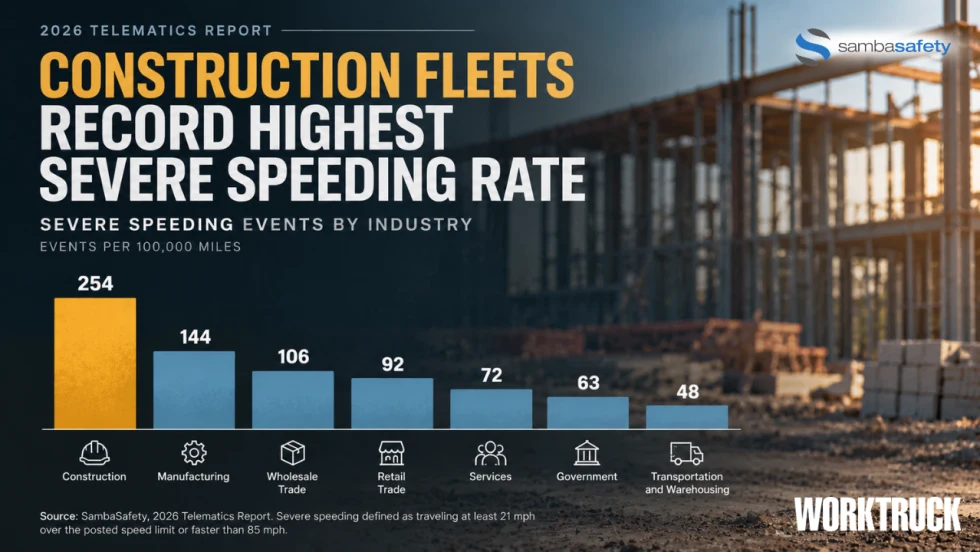
Construction Fleets Show Telematics Adoption Alone May Not Reduce Driving Risk
SambaSafety found construction fleets monitor roughly 92% of their vehicles but recorded the highest severe speeding rate among industries studied.
Read More →
Lytx Launches 360 Hub Kit for Expanded Fleet Camera Visibility
Lytx’s new AI-ready gateway and HD auxiliary camera ecosystem, the Lytx 360 Hub Kit, extends visibility across side, rear, cargo, and blind-zone views to help fleets see more and respond faster.
Read More →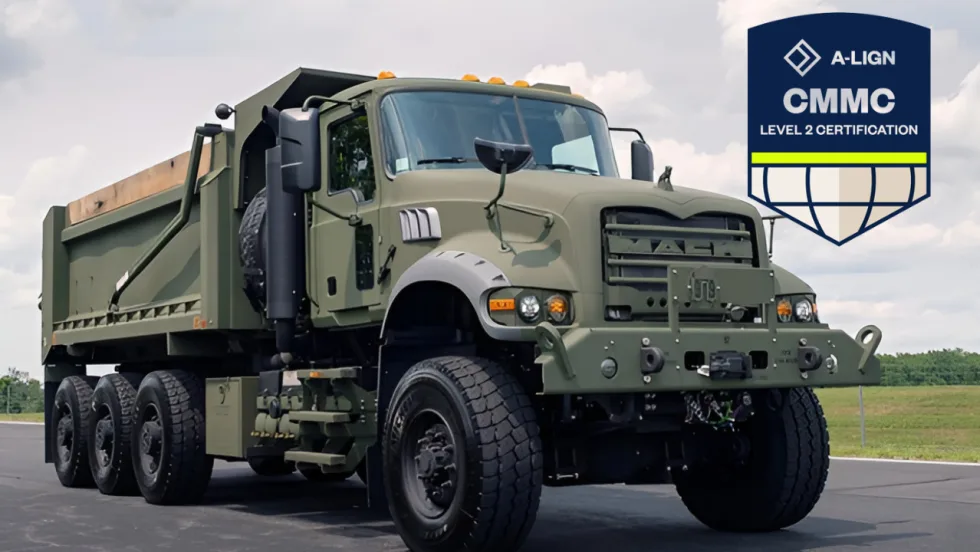
Mack Defense Achieves Cybersecurity Maturity Model Certification Level 2
After an assessment conducted by an authorized Certified Third-Party Assessment Organization (C3PAO), Mack Defense has achieved Cybersecurity Maturity Model Certification (CMMC) Level 2.
Read More →From Our Partners



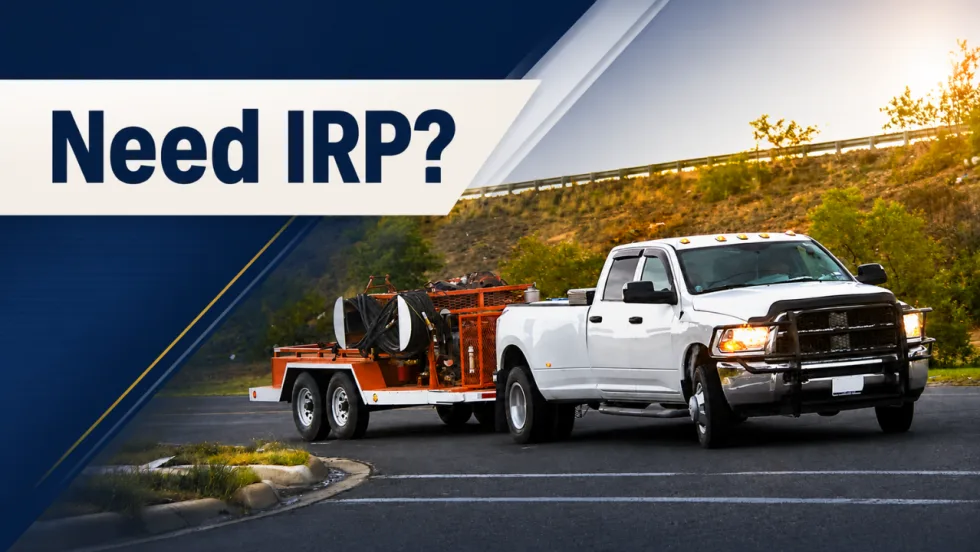
When Work Trucks Under 26,001 Pounds Need IRP Registration
Think trucks under 26,001 pounds are automatically in the clear when it comes to IRP? Not always. Learn where lighter vehicles can still run into trip permit, apportioned registration, and IFTA compliance requirements when crossing state or provincial lines.
Read More →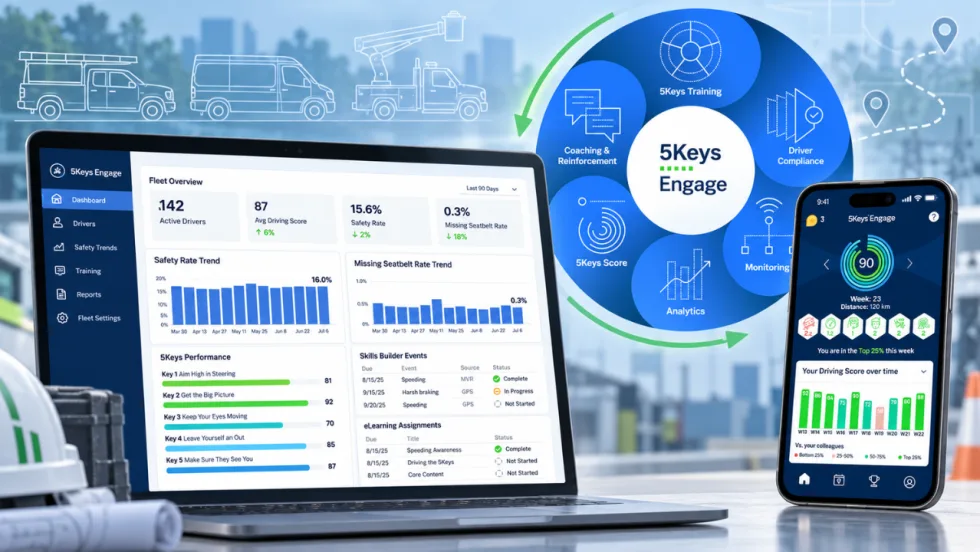
Smith System Wants Work Truck Fleets to Look Beyond the Driver Alert
Smith System’s new Driver Risk Management program is built to help mixed work truck fleets turn telematics alerts and observations into specific behaviors, coaching actions, and measurable follow-up.
Read More →
Volvo Trucks Releases New Safety Recommendations for Traveling with Pets
One of the most important recommendations for professional drivers traveling with pets is to ensure pets are properly restrained while the truck is moving. Other tips are available in the new guide from Volvo Trucks North America and Center for Pet Safety.
Read More →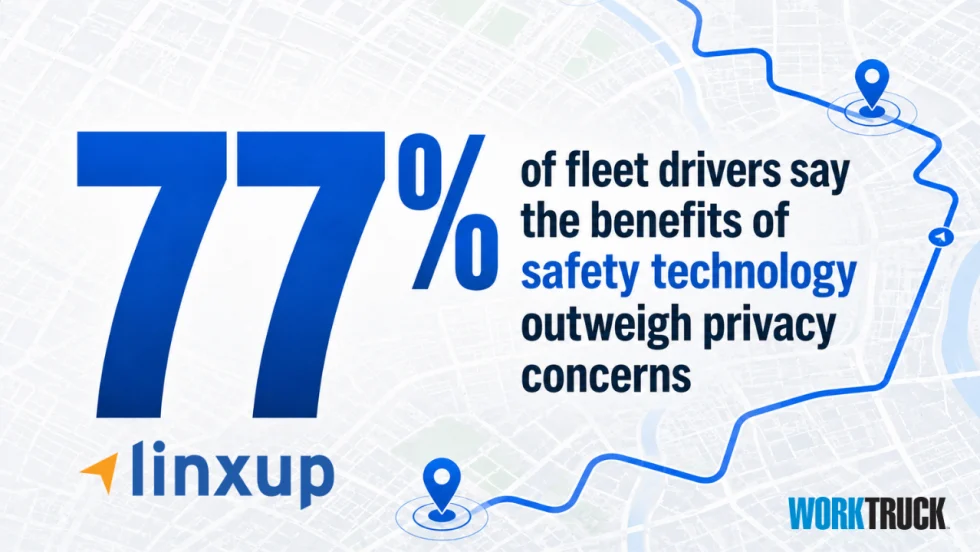
Are Work Truck Drivers Warming Up to Dash Cams and GPS Tracking?
A new survey finds field-service drivers may be more comfortable with dash cams and GPS tracking than fleet managers think, especially when the technology helps protect them after a crash.
Read More →
Recalls You Need to Know About in August 2026
If you have Altec, Chrysler, Ford, Heil, General Motors, International, Mack Trucks, Paccar, Rivian, Royal Truck, Toyota, US Truck Body, or Volvo Trucks vehicles in your fleet, you should check these important recalls issued by the National Highway Safety Administration.
Read More →
API Issues Refueling Safety Guidelines
The American Petroleum Institute offers a list of safe vehicle refueling guidelines, including ways to avoid potential problems with static electricity discharges in fall, winter, and early spring.
Read More →
Winter Fleet Prep: Expert Tips to Keep Vehicles Running Smoothly
Cold weather can expose weak batteries, tires, fuel systems, and maintenance gaps fast. Use this winter fleet checklist to prepare trucks and drivers before temperatures drop.
Read More →