





MoveEV Introduces Fleet Electric Vehicle Home Charging Saving Calculator
MoveEV Unveils Stipend vs. True Cost Calculator for Home EV Charging
MoveEV’s new Stipend vs. True Charging Cost Calculator helps fleet managers uncover hidden costs, eliminate tax waste, and ensure fair, compliant reimbursements. See how much your work truck fleet could save!
January 21, 2025

MoveEV's new Stipend vs. True Charging Cost Calculator gives fleet managers a clear view of the true cost of at-home EV charging, helping eliminate unnecessary spending and legal risks
Photo: MoveEV
2 min to read
MoveEV, a provider of at-home charging reimbursements for corporate and government EV fleets, has launched its new Stipend vs. True Charging Cost Calculator, a tool designed to help fleet managers understand the hidden costs of their home charging reimbursement program and unlock significant savings.
When organizations send electric fleet vehicles home to charge, they often offer employees a monthly stipend to cover the cost of home electricity, which leads to substantial over-compensation and economic waste. This occurs because stipend payments are taxed as income, which means that as much as 37.5% of the reimbursement budget could be diverted to federal and FICA taxes alone.
The result is an inefficient program that can drain a work truck fleet manager’s budget without providing real value to employees. By entering basic information, such as average monthly stipend amounts, annual mileage, vehicle efficiency, and local utility rates, MoveEV’s new “true-cost” calculator generates a customized report that identifies potential savings, tax waste, and miscompensation.
The new calculator empowers commercial fleet managers to move away from inefficient stipend programs and transition to a true cost reimbursement model that ensures fair compensation for employees while maintaining compliance with legal requirements.
“It is bad practice for organizations to provide employees with a stipend for at-home charging.’” said David Lewis, Founder & CEO of MoveEV. “If you have a fleet of 50 drivers, offering a stipend of $150 a month easily equates to spending $30,000 a year just on federal taxes alone, and corporations are likely overpaying for the electricity on top of that. Switching to a ‘true cost’ reimbursement model can save companies $60,000 annually.”
Under-compensation is also a serious issue. If a stipend is too low or doesn’t accurately reflect the true cost of home charging, companies risk exposing themselves to potential legal liability. Under laws like CA2802, employers are required to fully reimburse employees for any necessary expenses incurred in the course of performing their job duties, which includes the costs of using personal electricity for charging company-owned fleet vehicles and work trucks.
Failing to properly reimburse employees can result in employee dissatisfaction and legal claims, which could lead to costly consequences for the employer.
“Employee dissatisfaction due to undercompensation isn’t just a morale issue; it can lead to legal risks as well,” Lewis added. “Running an inaccurate and more expensive program t makes no sense.”
MoveEV’s new Stipend vs. True Cost Calculator offers work truck fleet managers a straightforward way to compare stipend vs. true cost calculations to make informed decisions.
More Green Fleet

Fleet Forward Conference Introduces One-Day Passes for 2026
New one-day registration gives fleet professionals the flexibility to attend Tuesday, Wednesday, or Thursday, with passes available for $199 through Sept. 18.
Read More →
CALSTART Rebrands as Catalyst Mobility, Will Combine with Forth in 2027
CALSTART has rebranded as Catalyst Mobility and will combine with Forth at the start of 2027. The new organization said it is poised to become one of the world's largest, strongest, and most impactful clean transportation nonprofits.
Read More →
Electric Truck and Charging Programs to Boost Sustainability at NY & NJ Ports
Together, the Port Authority of New York and New Jersey and CALSTART will electrify drayage and terminal operations serving the East Coast’s busiest container port. A pair of incentive programs totaling $45 million has launched to accelerate adoption of zero-emission drayage trucks and terminal tractors.
Read More →

The Smart Way to Build a Mixed-Energy Fleet Isn’t About Picking a Side
Mixed-energy fleets aren’t about picking a winning fuel. Sarah Booth of WEX explains how vehicle data, duty cycles, charging strategy, and real-world costs can help fleets choose the right energy source for each job.
Read More →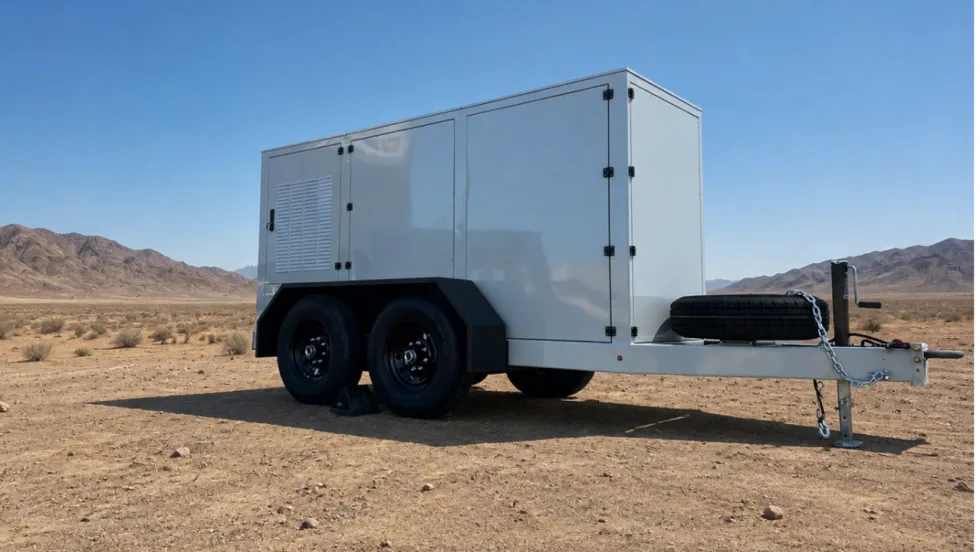
Xos Hub Surpasses One Gigawatt-Hour of Energy Delivered in the Field
A single Xos Hub has surpassed one gigawatt-hour of energy across more than 33,600 charging sessions in the field, demonstrating performance that supports Xos' expansion across new products and markets.
Read More →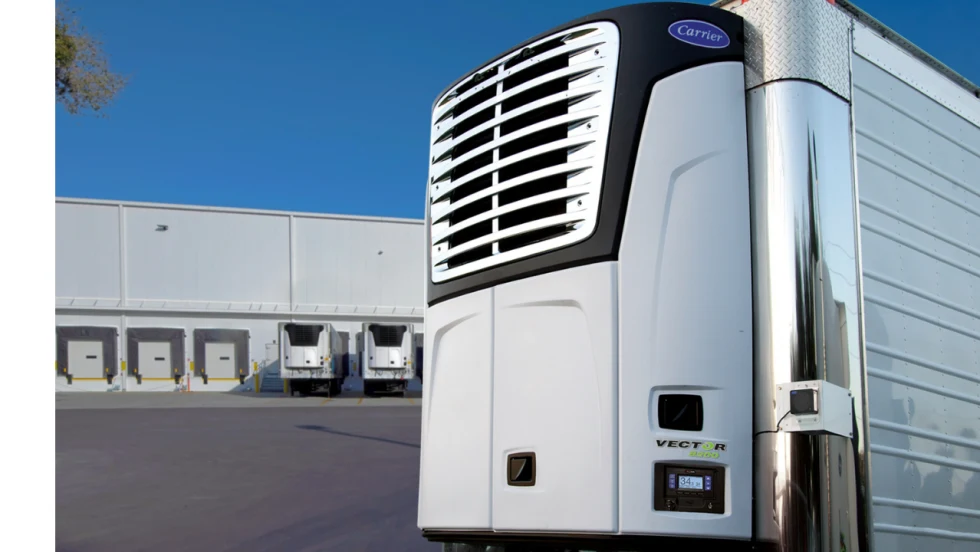
Carrier Transicold Launches All-Electric Vector 8200 TRU for Diesel-Free On-Site Cold Storage
Carrier Transicold’s first engineless multi-temperature TRU helps fresh- and frozen-food fleets add supplemental cold storage capacity during seasonal peaks.
Read More →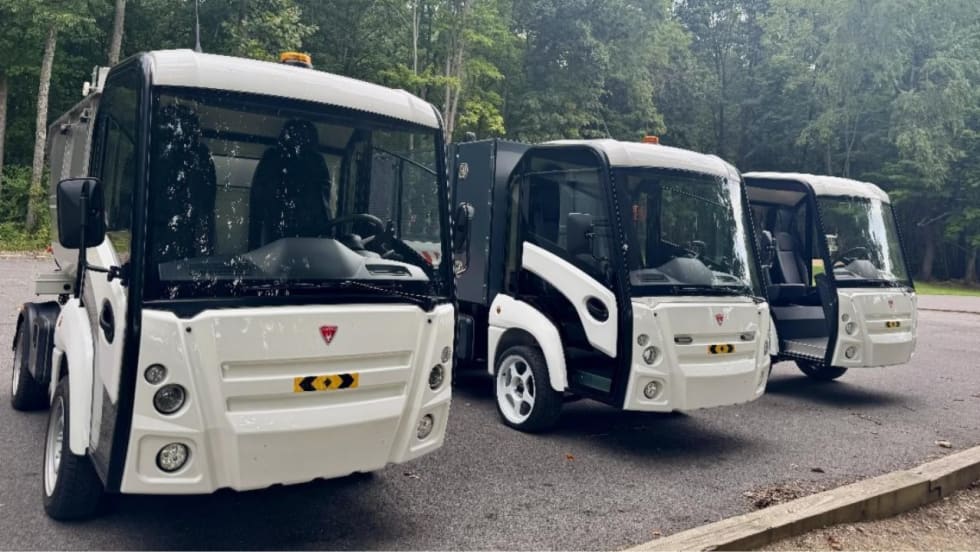
Narro Trucks Introduces Electric Utility Vehicle
Narro Trucks officially launched its operations on Aug. 20 and hosted a ride and drive to showcase its electric truck, which will be produced in Virginia.
Read More →
Samsung SDI Takes Full Control of GM Battery JV as Indiana Plant Pivots to Energy Storage
Samsung SDI is taking full control of its Indiana battery plant with GM, marking a major shift from the EV-focused joint venture Charged Fleet first covered in 2023.
Read More →
NWSA Taps CALSTART to Administer Zero-Emission Drayage Assistance Program
CALSTART will provide free technical assistance services to drayage fleets serving the Ports of Seattle and Tacoma and looking to transition to cleaner technologies and help decarbonize freight hubs.
Read More →
EV Fleet Reality Check: What Operators Wish They Knew Before Electrifying Their Work Vans
Electric work truck upfits bring new compatibility questions. Learn how parts availability, OEM guidance, power demands, and route planning can affect fleet performance.
Read More →