




Debunking 7 Common Winter Driving Myths
Seven dangerous misconceptions for navigating harsh winter weather can increase risk for drivers. Holman debunks those myths and provides several tips.


Some habits people rely on in cold weather just simply are not wise practices.
Photo: Holman/Work Truck illustration
Holman, a global automotive services leader, offers a closer look at seven persistent seasonal driving myths in an effort to help keep drivers safe as they navigate hazardous winter weather conditions.
According to FEMA, winter weather contributes to more than 540,000 accidents in the U.S. each year. Whether it is snow, ice, or freezing temperatures, the season presents several challenges that can compromise safety, and some common misconceptions for dealing with these conditions can actually increase risk for drivers.
“Safely navigating the challenging conditions that come with harsh winter weather demands additional awareness not only while you’re behind the wheel but also before you even hit the road,” said Frank Carbone, Holman’s president of retail automotive. “Our hope is that by setting the record straight on these well-known myths, everyone is able to safely enjoy this festive time of year with family and friends.”
The seven dangerous misconceptions for winter driving include:
1. All-wheel drive makes you invincible on snow and ice.
While all-wheel drive (AWD) provides better traction during acceleration, it does not improve braking or steering on slick surfaces. Don’t let all-wheel drive give you false confidence. Always slow down and drive carefully on snow and ice.
2. Winter tires aren’t necessary if you have all-season tires.
All-season tires are versatile enough to handle most conditions, but they do not perform as well as winter tires in severe weather conditions. Winter tires are specifically designed to give you the traction you need on slick, icy roads. If you frequently drive in these conditions, consider investing in winter tires.
3. You should underinflate tires for better traction.
The myth is that slightly softer tires increase the contact area with the road, theoretically improving traction. However, driving in the snow and ice requires proper inflation to help tires dig into the snow and grip icy surfaces.
4. Road salt and sand eliminates all risk.
Salt and sand help to melt ice and snow while also improving traction but in extreme conditions, they can lose effectiveness quickly. Always drive cautiously even when roads appear clear; you never know where snow or ice may be lurking.
5. Cruise control is safe in winter conditions.
Winter roads demand a hands-on approach to driving, and using cruise control can significantly increase the risk of losing control. By manually controlling your speed on slick roads, you can quickly adjust to sudden changes in conditions and reduce the risk of skidding.
6. Hot water can quickly defrost your windshield.
While pouring hot water on your frozen windshield may seem like a quick fix when you’re in a rush, the extreme temperature change can cause it to crack. Instead, always use an ice scraper or your car’s defroster.
7. Warm up your car for several minutes before driving.
In the past, older engines needed time to adjust to the cold. Today, modern vehicles are designed to warm up quickly, requiring minimal idling before hitting the road.
For additional information and resources on preparing for winter driving hazards, visit Holman’s website.
More Safety & Compliance

Tips for Driving Safely on Halloween Night
This video features a reminder from the Connecticut Department of Transportation (DOT) and the Connecticut Police Chiefs Association, urging drivers to prioritize safety this Halloween.
Read More →
Re-rating Gross Vehicle Weight Ratings (GVWR): Why and How it's Done
Sometimes, it is not in a fleet’s best interests to have a vehicle at a given GVWR. Changing the GVWR to a special value can be done, but the process is complicated.
Read More →
When a Work Truck Gets Stolen, the Real Loss Is Time
A stolen work truck can take more than a vehicle off the road. From tools and access cards to crew downtime, here’s how fleets can prepare for theft before it disrupts the entire workday.
Read More →From Our Partners



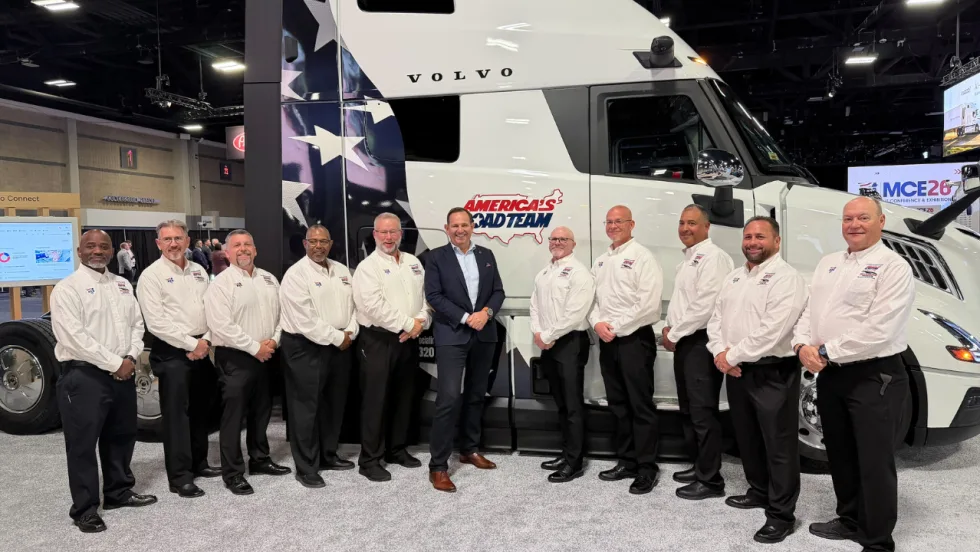
Volvo Trucks Marks 25 Years as Exclusive Sponsor of America's Road Team
Volvo Trucks North America will serve as the exclusive sponsor of the American Trucking Associations' America's Road Team, marking 25 years of Volvo sponsorship. The group of professional drivers promotes safety and the industry as they travel the country.
Read More →
Streamlight’s High-Output Scene Light Recognized with Occupational Safety Award
Streamlight’s Portable Scene Light III (PSL III) won the 2026 Occupational Health & Safety (OH&S) New Product of the Year Award in the Lighting category.
Read More →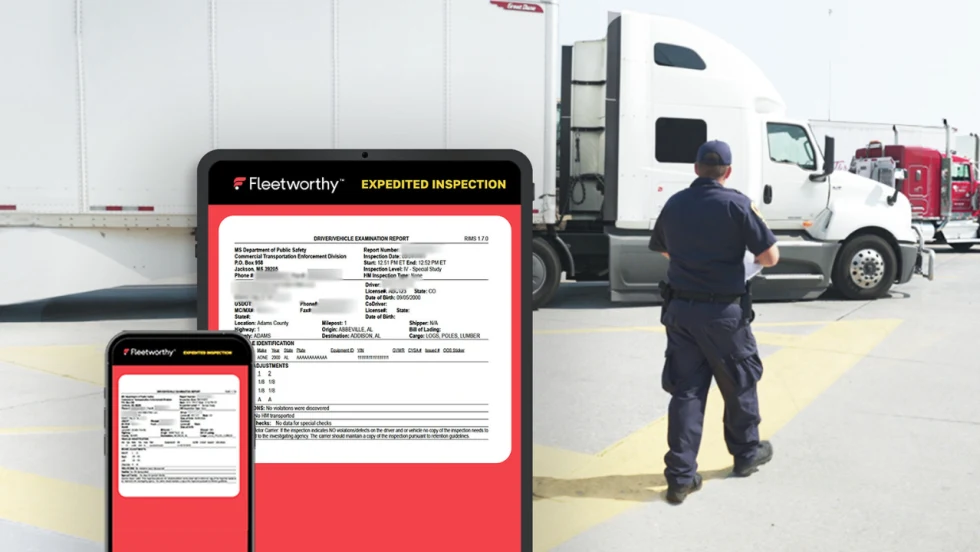
Fleetworthy Expands Expedited Inspection to 5 States
Following its industry-first launch in Nevada, Fleetworthy’s automated inspection technology is now live in California, Michigan, Vermont, and Maine.
Read More →
Crossing State Lines in a Light-Duty Work Truck? Check These Rules First
Crossing state lines in a lighter work truck? J.J. Keller's Kathy Close explains when IRP registration, trip permits, and towing rules come into play.
Read More →
Simple Tire Checks That Help Keep Your Business Fleet Moving
A survey found that nearly one in every 10 passenger vehicles has at least one bald tire. What's more, 27% -- more than one in four -- of vehicles are driven with one or more severely under-inflated tires.
Read More →
GeoFencing Adds to Your Truck Security Arsenal
Geofencing is a familiar fleet tool today, but its early adoption marked a major shift in vehicle tracking, route monitoring, and the debate over employee privacy.
Read More →
Recalls You Need to Know About in October 2026
In October 2026, what recalls might impact your fleet? Work Truck has the answers in this comprehensive overview of recent NHTSA recalls.
Read More →