




Busting Tire Myths with Goodyear: Winter vs. All-Season
Winter is coming—are your tires ready? Goodyear experts bust common myths about all-season and winter tires to help you stay safe in any weather.
November 14, 2024

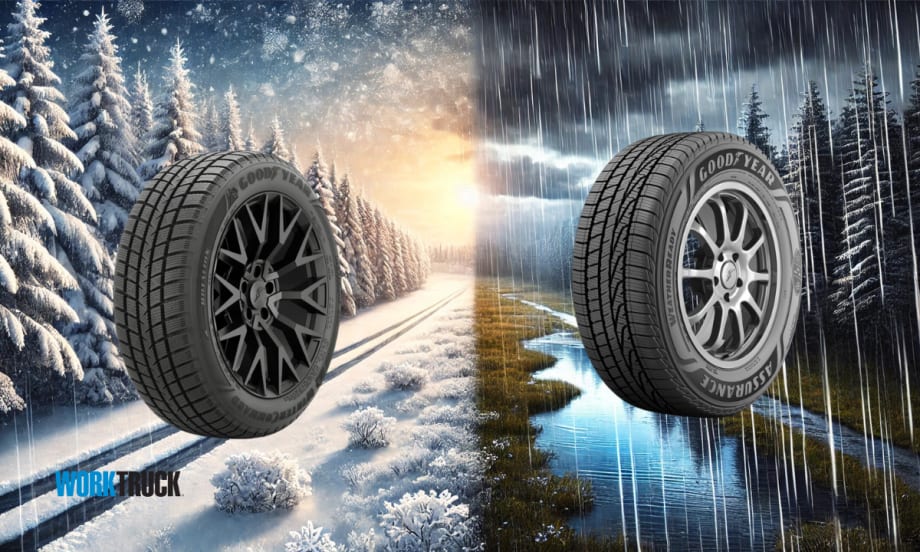
Snow or rain? Choosing the right tires for your climate can make all the difference. See how Goodyear clears up common winter tire myths and tips for safety.
Photo: Goodyear | Work Truck. This uses an AI-generated image. Refer to our Terms of Use.
3 min to read
As winter weather looms, many commercial fleets and work truck drivers are prepping their vehicles for slick, snowy roads. But when it comes to tires, myths and misconceptions often leave drivers spinning their wheels.
To help all drivers confidently gear up for winter, Goodyear’s tire experts are tackling the most common myths about all-season and winter tires, and why choosing the right ones could make all the difference for your fleet's safety and peace of mind.
Here’s what Goodyear wants drivers to know:
Myth 1: All-Season and Winter Tires Are Essentially the Same
Truth: While all-season tires like Goodyear’s Assurance WeatherReady 2 offer solid performance across various weather conditions, winter tires, such as the WinterCommand, are purpose-built for harsh winter environments. Their softer rubber and deeper treads deliver superior grip on snow and ice, ensuring safety in the toughest conditions.
Myth 2: One Tire Works Just as Well in All Weather
Truth: Winter tires provide unmatched traction and safety on icy roads, but their softer tread rubber can wear quickly on dry pavement.
For regions with mild winters, all-season tires are often a better fit, combining durability with multi-season versatility. Swapping out winter tires in warmer months is essential for maintaining optimal handling and tread life.
Myth 3: Tires Should Be Replaced Every Few Years
Truth: Goodyear recommends replacing any tire that has been in service for six years or more, even if it looks fine. That said, all-season tires generally last longer than seasonal tires, offering more mileage between replacements.
Myth 4: Flat Tires Are the Only Warning Sign
Truth: Tires have other telltale signs of wear, including:
Tread Wear Bars: When these bars are flush with the tread, it’s time for a replacement.
Uneven Wear Patterns: Misalignment or mechanical issues may show as uneven tread wear.
Sidewall Damage: Bulges or blisters can lead to tire failure and should be checked immediately.
Low Tire Pressure: Severely underinflated tires need professional inspection.
Myth 5: Stick with the Original Tires Your Car Came With
Truth: Your driving conditions should guide your fleet's tire choice. Goodyear offers a variety of options tailored to different needs, from all-season performance to specialized electric vehicle tires:
Assurance WeatherReady 2: Adaptable tread for severe snow and all-season performance.
Assurance All-Season: Engineered for wet, dry, and snowy traction.
ElectricDrive 2: Optimized for EV drivers, offering enhanced grip and responsiveness.
Stay Safe This Winter
Goodyear’s experts emphasize that choosing the right tires for your climate and driving habits can keep fleet drivers safer and more confident on the road. Whether you’re drivers are tackling snow-covered streets or sticking to all-season versatility, understanding your options can make all the difference.
Stay ahead of winter! Explore expert tips, tire myths, and must-know advice to keep your fleet moving safely through the season. Don’t get caught unprepared—read more now!
More Safety & Compliance

GeoFencing Adds to Your Truck Security Arsenal
Geofencing is a familiar fleet tool today, but its early adoption marked a major shift in vehicle tracking, route monitoring, and the debate over employee privacy.
Read More →
Recalls You Need to Know About in October 2026
In October 2026, what recalls might impact your fleet? Work Truck has the answers in this comprehensive overview of recent NHTSA recalls.
Read More →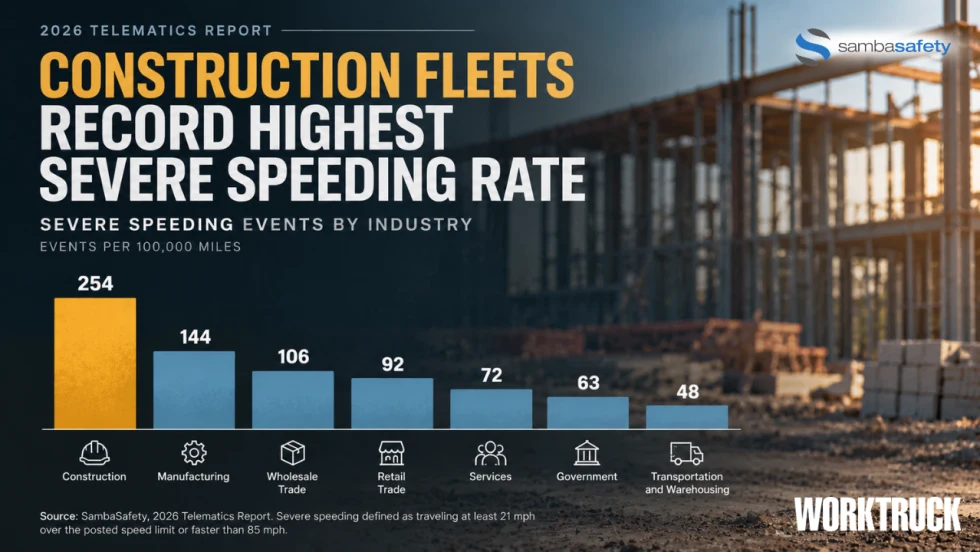
Construction Fleets Show Telematics Adoption Alone May Not Reduce Driving Risk
SambaSafety found construction fleets monitor roughly 92% of their vehicles but recorded the highest severe speeding rate among industries studied.
Read More →From Our Partners




Lytx Launches 360 Hub Kit for Expanded Fleet Camera Visibility
Lytx’s new AI-ready gateway and HD auxiliary camera ecosystem, the Lytx 360 Hub Kit, extends visibility across side, rear, cargo, and blind-zone views to help fleets see more and respond faster.
Read More →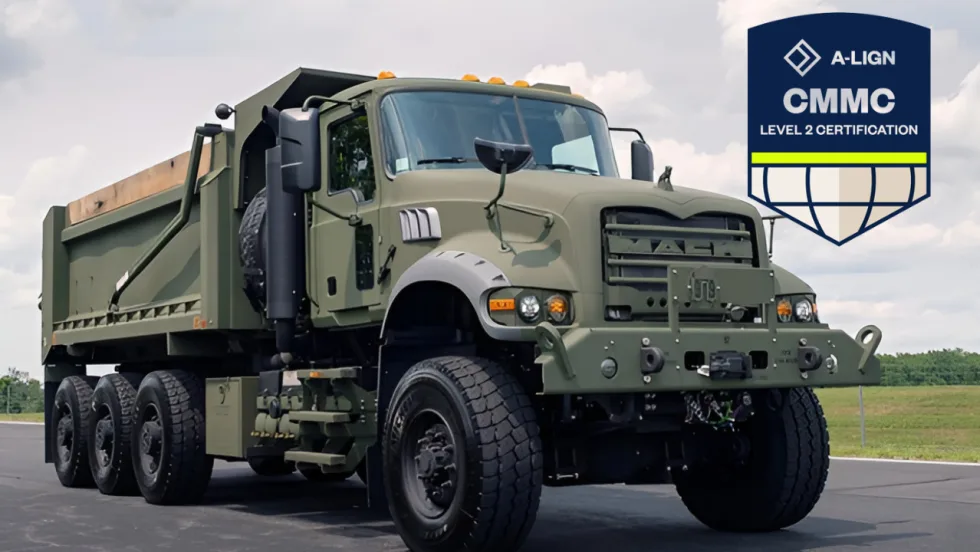
Mack Defense Achieves Cybersecurity Maturity Model Certification Level 2
After an assessment conducted by an authorized Certified Third-Party Assessment Organization (C3PAO), Mack Defense has achieved Cybersecurity Maturity Model Certification (CMMC) Level 2.
Read More →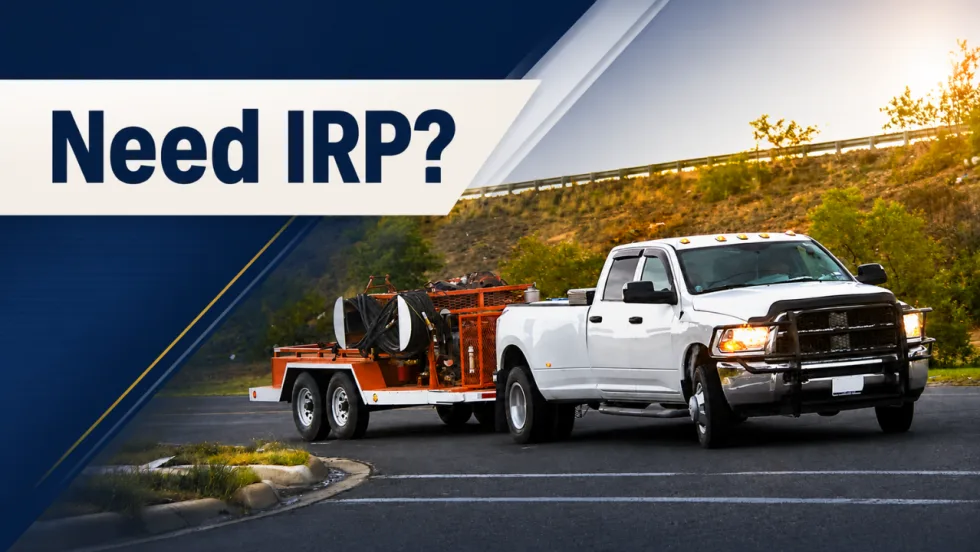
When Work Trucks Under 26,001 Pounds Need IRP Registration
Think trucks under 26,001 pounds are automatically in the clear when it comes to IRP? Not always. Learn where lighter vehicles can still run into trip permit, apportioned registration, and IFTA compliance requirements when crossing state or provincial lines.
Read More →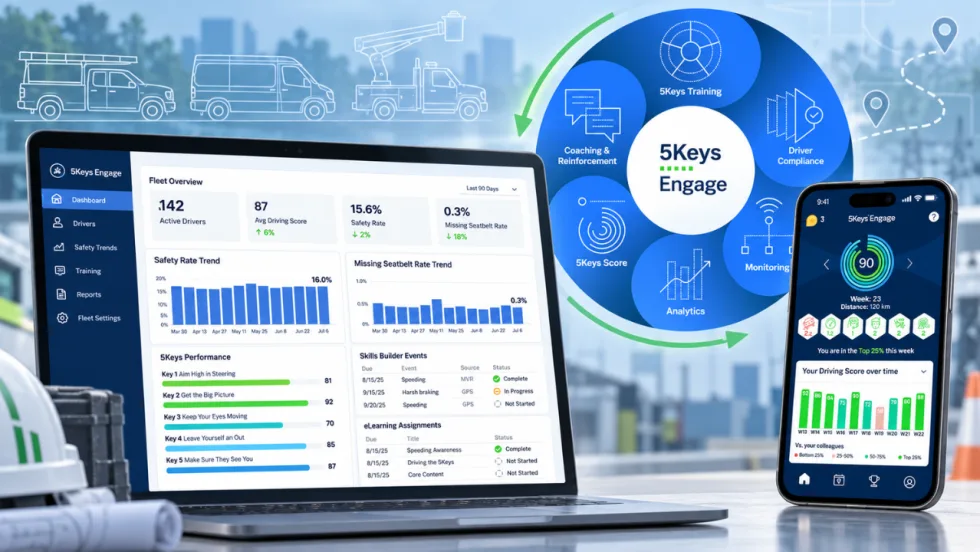
Smith System Wants Work Truck Fleets to Look Beyond the Driver Alert
Smith System’s new Driver Risk Management program is built to help mixed work truck fleets turn telematics alerts and observations into specific behaviors, coaching actions, and measurable follow-up.
Read More →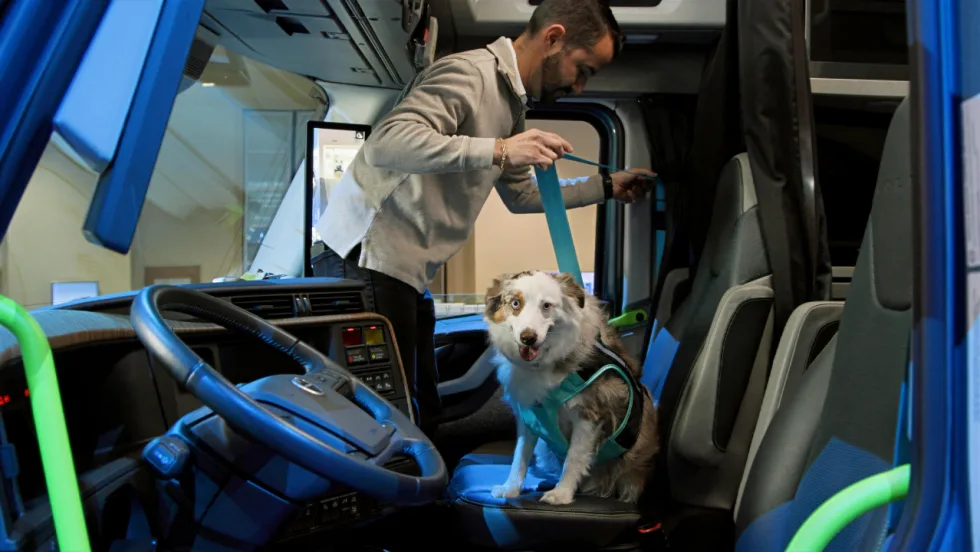
Volvo Trucks Releases New Safety Recommendations for Traveling with Pets
One of the most important recommendations for professional drivers traveling with pets is to ensure pets are properly restrained while the truck is moving. Other tips are available in the new guide from Volvo Trucks North America and Center for Pet Safety.
Read More →
Are Work Truck Drivers Warming Up to Dash Cams and GPS Tracking?
A new survey finds field-service drivers may be more comfortable with dash cams and GPS tracking than fleet managers think, especially when the technology helps protect them after a crash.
Read More →
Recalls You Need to Know About in September 2026
If you have Altec, Chrysler, Ford, Heil, General Motors, International, Mack Trucks, Paccar, Rivian, Royal Truck, Toyota, US Truck Body, or Volvo Trucks vehicles in your fleet, you should check these important recalls issued by the National Highway Safety Administration.
Read More →