




Is Road Rage Hurting Your Fleet’s Safety Goals?
Discover key road rage insights and learn how fleet managers can address driver frustrations, bad habits, and safety risks to improve fleet performance.
December 5, 2024

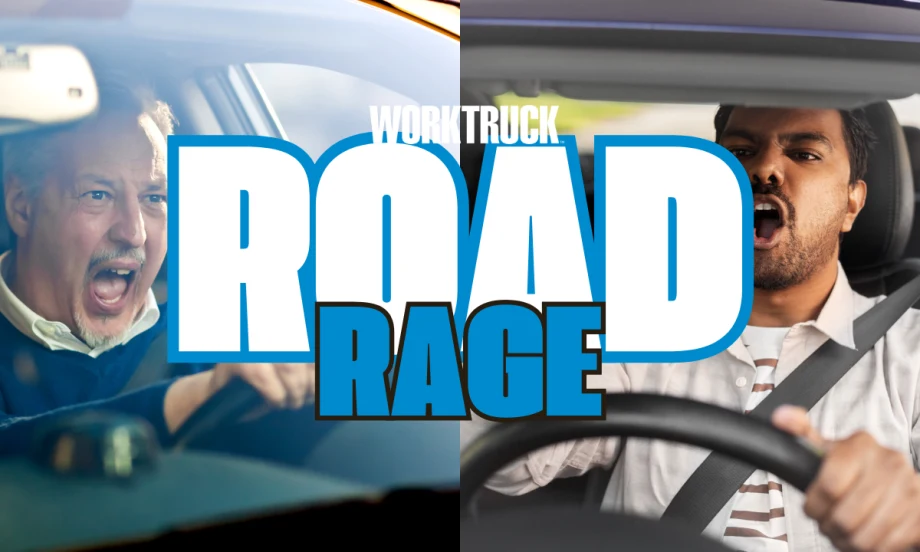
Road safety starts with awareness: Understanding driver habits and frustrations can help fleet managers create safer roads for everyone.
Photo: Work Truck
3 min to read
Road rage is a growing concern for fleet managers, with a new survey by Compare the Market AU revealing that nearly 60% of Americans have experienced road rage in some capacity.
Whether as direct victims (18.5%), witnesses (37.5%), or perpetrators (16.9%), road rage incidents are not only common but also pose a significant safety risk on the road.
For commercial fleet managers, understanding these behaviors and proactively addressing them with drivers can be key to improving fleet safety and reducing liability risks.
Are Your Drivers Guilty of These Road Safety Risks?
Generational Trends: Younger drivers, particularly Gen Z and Millennials, are more likely to encounter road rage compared to Gen X and Baby Boomers. This data suggests a need for targeted driver training and awareness programs, especially for fleets with younger drivers.
Most Frustrating Behaviors: Drivers cited tailgating (63.5%), being cut off in traffic (62.5%), and witnessing phone use behind the wheel (56.3%) as the top frustrations. Emphasizing courteous and defensive driving practices can help mitigate these frustrations.
Self-Reported Bad Habits: While most respondents believe they are safe drivers, 39.3% admitted to engaging in potentially dangerous behaviors such as not giving way (13.6%) and using mobile phones while driving (13%). Addressing these habits through regular driver check-ins and education is crucial.
The Decline of Road Civility: The simple "thank you" wave is on the decline, with 27% of Americans either forgetting or choosing not to use it. Encouraging civility among drivers can contribute to a less hostile driving environment.
Why Does Road Rage Matter to Fleets?
Beyond the immediate safety risks, road rage and aggressive driving can have long-term consequences for fleets, including increased insurance premiums and potential liability.
According to Adrian Taylor, Executive General Manager of General Insurance at Compare the Market, reckless driving behaviors can directly impact a driver’s insurance costs and claim outcomes.
“Car insurance companies use all the data they can to assess risk,” Taylor explains. “If a driver’s record shows incidents of road rage or dangerous driving, it can lead to higher premiums or even declined coverage. For fleets, this means higher operating costs and increased financial exposure in the event of an incident.”
Actionable Steps Work Truck Fleet Managers Can Take Today
Prioritize Defensive Driving Training: Reinforce the importance of staying calm, avoiding aggressive behavior, and using courtesy on the road.
Leverage Technology: Equip vehicles with telematics to monitor driving behaviors like tailgating, speeding, and sudden lane changes. Use the data to coach drivers.
Encourage Communication: Promote open conversations about road safety frustrations during team meetings and address these issues through policies and practices.
Set the Standard: Lead by example with a fleet-wide focus on respectful and defensive driving. Reward drivers who consistently demonstrate safe practices.
By tackling road rage and improving driver habits, fleet managers can not only enhance safety but also reduce costs and create a more positive working environment for their teams.
For more insights and the full survey findings, visit Compare the Market’s Road Rage Report.
More Safety & Compliance

Tips for Driving Safely on Halloween Night
This video features a reminder from the Connecticut Department of Transportation (DOT) and the Connecticut Police Chiefs Association, urging drivers to prioritize safety this Halloween.
Read More →
Re-rating Gross Vehicle Weight Ratings (GVWR): Why and How it's Done
Sometimes, it is not in a fleet’s best interests to have a vehicle at a given GVWR. Changing the GVWR to a special value can be done, but the process is complicated.
Read More →
When a Work Truck Gets Stolen, the Real Loss Is Time
A stolen work truck can take more than a vehicle off the road. From tools and access cards to crew downtime, here’s how fleets can prepare for theft before it disrupts the entire workday.
Read More →From Our Partners



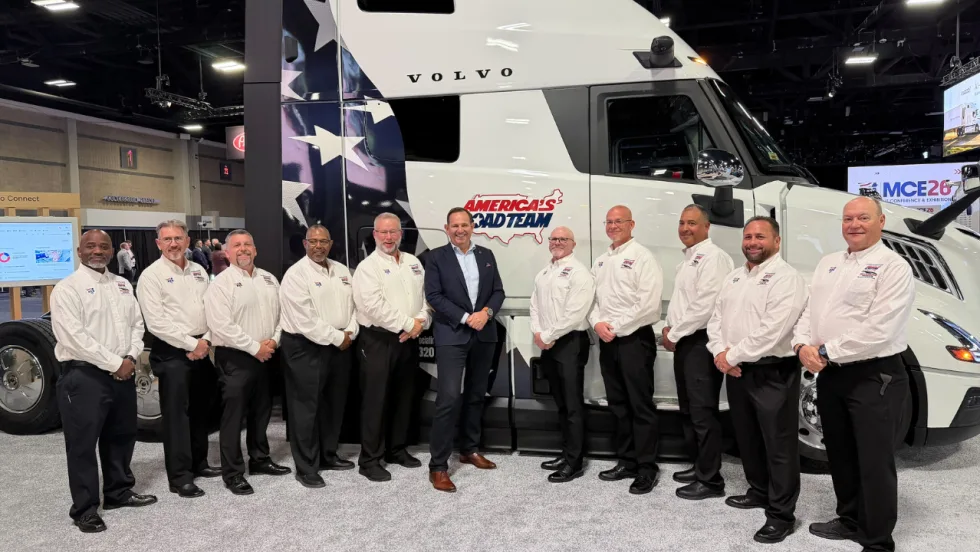
Volvo Trucks Marks 25 Years as Exclusive Sponsor of America's Road Team
Volvo Trucks North America will serve as the exclusive sponsor of the American Trucking Associations' America's Road Team, marking 25 years of Volvo sponsorship. The group of professional drivers promotes safety and the industry as they travel the country.
Read More →
Streamlight’s High-Output Scene Light Recognized with Occupational Safety Award
Streamlight’s Portable Scene Light III (PSL III) won the 2026 Occupational Health & Safety (OH&S) New Product of the Year Award in the Lighting category.
Read More →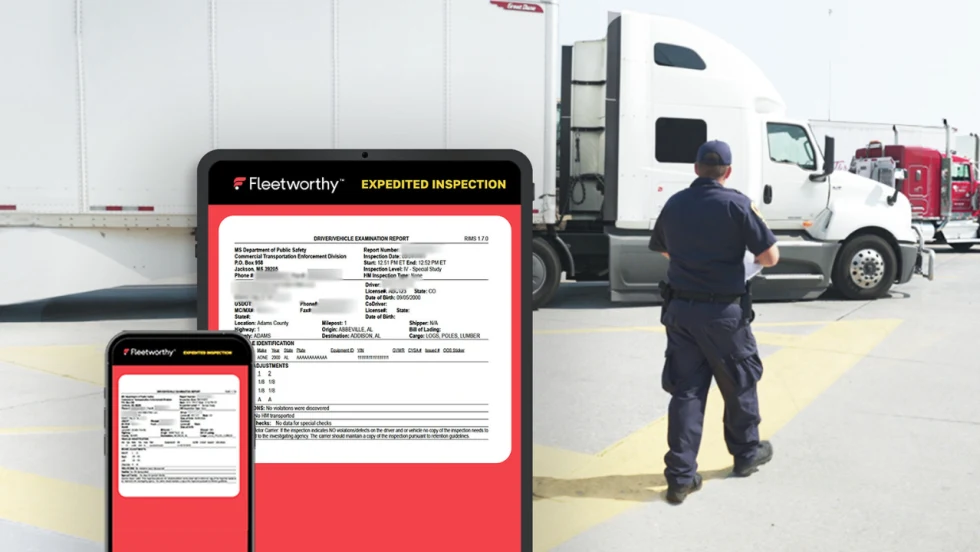
Fleetworthy Expands Expedited Inspection to 5 States
Following its industry-first launch in Nevada, Fleetworthy’s automated inspection technology is now live in California, Michigan, Vermont, and Maine.
Read More →
Crossing State Lines in a Light-Duty Work Truck? Check These Rules First
Crossing state lines in a lighter work truck? J.J. Keller's Kathy Close explains when IRP registration, trip permits, and towing rules come into play.
Read More →
Simple Tire Checks That Help Keep Your Business Fleet Moving
A survey found that nearly one in every 10 passenger vehicles has at least one bald tire. What's more, 27% -- more than one in four -- of vehicles are driven with one or more severely under-inflated tires.
Read More →
GeoFencing Adds to Your Truck Security Arsenal
Geofencing is a familiar fleet tool today, but its early adoption marked a major shift in vehicle tracking, route monitoring, and the debate over employee privacy.
Read More →
Recalls You Need to Know About in October 2026
In October 2026, what recalls might impact your fleet? Work Truck has the answers in this comprehensive overview of recent NHTSA recalls.
Read More →