



Using Wind Turbines for Reefer and Auxiliary Power
Green Road Energy has expanded the availability of its turbine auxiliary generator into European markets while also partnering with a European sustainable refrigeration manufacturer to bring its products to US markets.


Green Road Energy’s turbine auxiliary generator can fit on a truck or trailer and use wind power to generate electricity to power auxiliary devices, even refrigeration units.
Photo: Green Road Energy
Green Road Energy has teamed up with UK/Sweden sustainable refrigeration manufacturer Hultsteins to bring each company’s carbon- and cost-saving transport solutions to both sides of the Atlantic. One specializes in using a wind turbine to power refrigeration, and the other has a hydraulic drive generator to produce energy.
Based in Lakeland, Florida, Green Road Energy is a designer and producer of energy preservation systems that harness wind, solar power, and vehicle-generated energy to provide low-cost clean electricity for auxiliary systems on trucks and trailers.
The company said its TAG (turbine auxiliary generator) system is fast becoming popular with fleet operators in the US. Mounted to the trailer chassis and using simple wind turbine technology, the system bypasses the alternator and engine to generate electricity for liftgates, refrigeration units, lighting, and auxiliary batteries. It can be mounted on trailers and box trucks.
Road Energy said while the vehicle is in motion the TAG system significantly reduces diesel fuel consumption and emissions as it constantly generates renewable wind energy and displaces carbon-intensive power sources.
Trailer Refrigeration – Without the Diesel
Designed specifically to bypass the diesel engine on all conventional trailer refrigeration units, Hultsteins’ Ecogen2 is a slim-fit hydraulic drive generator that plugs into any make of diesel/electric TRU to supply a constant 400-volt, 3-phase electrical power, even at idle.
Connected to the tractor’s PTO, Ecogen2 draws power directly from the tractor engine. The energy produced powers the trailer’s refrigeration unit on electric standby during transit, all the while, reducing CO2 by around 90%, DPM by 90%, and NOx by around 400%.
Reynolds Logistics, a UK - national food service provider, is now in its third year with Hultsteins and has recently placed a third order for Ecogen2. The company is fitting its first Green Road Energy TAG systems to test on its temperature-controlled rigid units.
Green Road Energy Now Ecogen2 US Distributor
Green Road Energy is now the official distributor of Ecogen2 in America, offering fleet operators what the company called a powerful solution to enhance efficiency and reduce environmental impact.
“I had the opportunity to see the Ecogen2 in action and was thoroughly impressed by its innovative approach to sustainable refrigeration,” said Brian Arnold, Green Road Energy’s chief technical officer, following a recent visit to Hultsteins in England. “Recognizing its potential to transform the transportation industry, I was motivated to bring this cutting-edge technology to the United States.”
Graham Usher, Hultsteins’ UK managing director, said Ecogen is widely used in Europe and the TAG system is quickly making a name for itself in the US.
“Now, with this new alliance, operators on both sides of the water can benefit from these innovative, non-polluting and affordable alternatives to diesel power,” Usher said.
More Green Fleet
Schneider Electric Simplifies Commercial EV Charging with New Charge Pro for the U.S.
Schneider Electric’s updated Charge Pro Level 2 chargers deliver reliable, flexible charging for multi-unit dwellings, fleets and workplaces, as well as public and destination charging locations such as hotels and retail centers.
Read More →
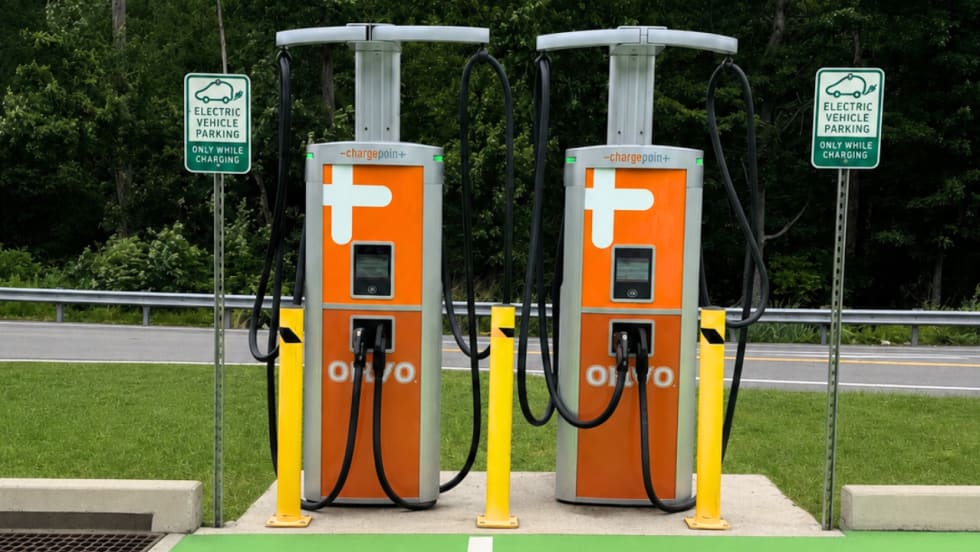
ChargePoint and Onvo Expand Highway Fast Charging Across the Northeastern U.S.
ChargePoint is working with Onvo, a locally owned travel plaza brand headquartered in Pennsylvania, to install ultra-fast EV charging stations at locations in the Northeastern U.S.
Read More →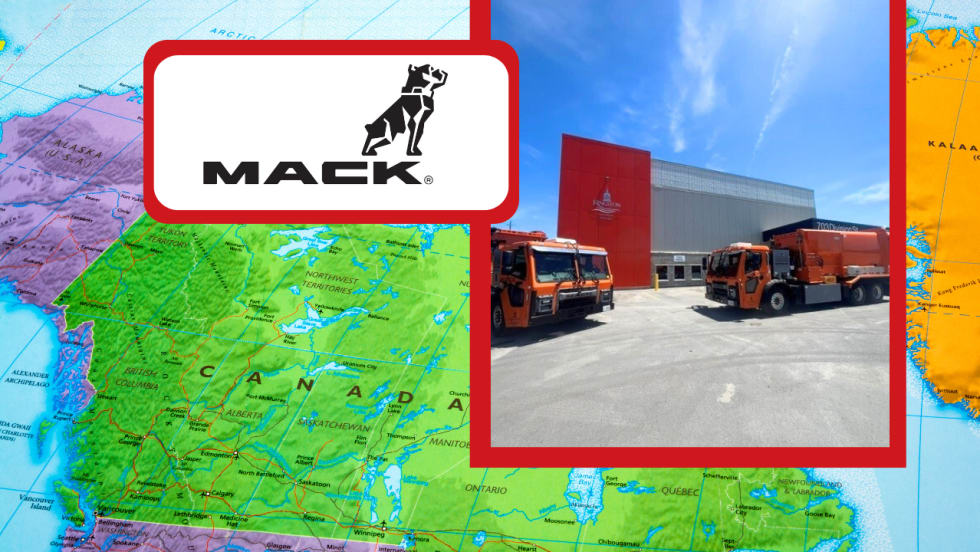
The City of Kingston Celebrates Purchase of 2 Mack LR Electric Refuse Trucks
The City of Kingston, Ontario, Canada, a municipality with a vision of being “Canada’s Most Sustainable City,” recently showcased two Mack LR Electric refuse trucks following their successful deployment in 2025.
Read More →
Fuel Management's Next Evolution Centers on Connected Fleet Technology
Learn how fleets are integrating fueling, telematics, tank monitoring, EV charging, and data systems to improve efficiency and visibility.
Read More →
Landi Technologies Achieves CARB Certification of Ford 7.3L RNG/CNG Platform
Landi Technologies has gained CARB certification of its Ford 7.3L Renewable Natural Gas (RNG) and Compressed Natural Gas (CNG) platform for the Ford E-450, F-450/550/600, F-650/750, and F-53/59 platforms.
Read More →
Turning Connected Vehicle Data Into Decisions That Matter
Fleet leaders have more data than ever, but turning that data into clear, actionable decisions remains a challenge. This white paper shows how leading organizations are using connected vehicle data to improve safety, reduce costs, and optimize fleet performance. Learn how to turn insight into action across your fleet.
Read More →
Are You Tracking Your Fleet's True Total Cost of Ownership?
Bobit Business Media surveyed 190 fleet professionals and found that while most fleets are tracking costs, fragmented systems and data gaps are keeping true TCO visibility out of reach. With rising pressure to control spend in an increasingly volatile environment, the gap between what fleets think they know and what the data actually shows is wider than you might expect. See how your peers are managing costs today and where the industry still has room to improve.
Read More →
Epic Charging Acquires Bluedot Technologies
Epic Charging has acquired Bluedot Technologies, expanding EV fleet charging access to more than 80% of U.S. public charging networks.
Read More →
CALSTART Adds 64 New Sites and Features to Its Medium- and Heavy-Duty Zero-Emission Infrastructure Map
CALSTART’s interactive National Medium- and Heavy-Duty Zero-Emission Infrastructure Map now locates approximately 1,500 ports at 162 total public, semi-public, and shared electric vehicle (EV) charging and hydrogen refueling facilities for Class 2b-8 trucks.
Read More →