





Tolls + Technology: Bestpass Integrates with Geotab
Route & Optimize Your Fleet with Geotab
Fleet managers can now isolate the most efficient route based on data insights, including customer needs, like requested arrival windows, traffic data and available fleet resources.
February 15, 2024
By optimizing routes, this solution can increase the number of jobs completed each day, improve operational transparency, achieve up to 98% on-time arrivals, and reduce mileage by approximately 15 to 30%.
Phot:
2 min to read
Did you know that a driver with ten stops in one day has over three million possible routes?
Using Geotab’s Routing and Optimization solution, launched at Geotab Connect in Las Vegas, fleet managers can isolate the most efficient route based on data insights, including customer needs, like requested arrival windows, traffic data and available fleet resources, helping businesses control costs and improve customer service.
“Geotab’s Routing and Optimization tool is redefining how fleet managers tackle their day-to-day operations to drive efficiency and ultimately increase customer satisfaction,” said Sabina Martin, VP of Product Management at Geotab. “Utilizing Geotab's data intelligence, our latest technology ensures that the right resources are dispatched to the right locations at optimal times. With greater efficiency from the solution, we believe businesses could save millions of dollars annually.”
The Routing and Optimization Solution is designed to help businesses overcome cost and efficiency challenges. By optimizing routes, this solution can increase the number of jobs completed each day, improve operational transparency, achieve up to 98% on-time arrivals, and reduce mileage by approximately 15 to 30%. This, in turn, can help businesses reduce fuel costs.
For fleets with electric vehicles (EVs), driving more efficient routes can help preserve range, simplifying the use and management of an electric fleet.
The routing and optimization solution is designed to be scalable, enabling customers to leverage the tool for a growing number of use cases. Today, the solution has various modules to meet the unique needs of different fleet segments.
Fleets can utilize route optimization, which mathematically weighs business priorities when routing, considering:
Continuity of care.
Timelines.
Distance traveled.
For longer trips, the long-range planning application aids in minimizing driving time and the territory planning application enables users to visualize their service areas and manage resource allocation to prevent route overlap. Additionally, the appointment application enhances scheduling capabilities, offering more accurate appointment arrival windows.
And, to make operations more efficient, the solution comes with dispatch and real-time notifications. This improves visibility and communication, and allows for quick optimization of task reassignments. Additionally, a status interface is included to enable direct communication between customers and frontline agents, ensuring that service expectations are met accurately.
More Technology & AI
Fleet Downtime, Truck Theft, and Electric Growth Lead This Month
Where is your fleet losing time? This Truck Chat recap connects repair delays, theft risks, storm planning, and lessons from scaling electric trucks.
Read More →
HCSS Partners with Verizon Connect to Deliver Fleet Intelligence for Construction Fleets
HCSS has integrated with Verizon Connect to provide near real-time fleet insights so contractors can spend less time tracking assets and more time keeping projects on schedule.
Read More →
How Fleets Can Use Technology to Fight Fuel Fraud
Fuel fraud and theft remain significant challenges for commercial fleets, whether the problem involves third-party fraud or driver misuse. In this video, David Abraham of WEX explains how SecureFuel uses vehicle geolocation, telematics, transaction information, and AI to help fleet managers identify suspicious fuel purchases and make more informed decisions.
Read More →From Our Partners
Basic Tracking vs Next Generation Fleet Technology
Sponsored by AT&T Business

5 Facts Every Fleet Manager Should Know About Embedded Telematics
Sponsored by Stellantis/Mobilisights

How AI Video Telematics Boosts Driver Safety and Helps to Avoid Unnecessary Costs
Sponsored by Verizon Connect

Charting the 8 Bottom-Line Benefits of Workforce Optimization
Sponsored by Verizon Connect

Can AI Agents Help Small Work Truck Fleets Do More With Less?
Motive's new AI Agents automate fleet safety, maintenance, compliance, and dispatch tasks. Here's how they work for smaller fleets, what managers control, and what early users are seeing.
Read More →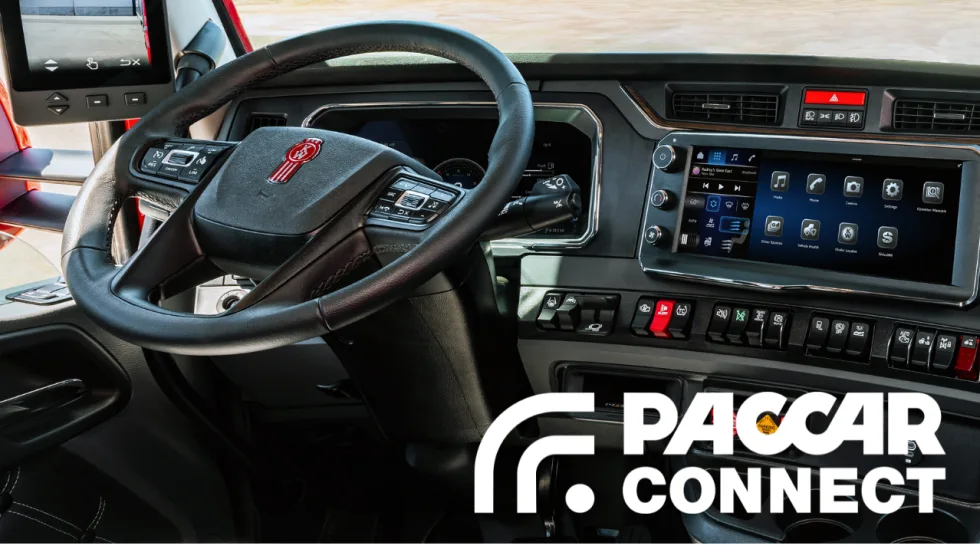
Paccar Launches Paccar Connect for Peterbilt and Kenworth Trucks
The new Paccar Connect offers touchscreen displays, telematics capabilities, and an expanding app ecosystem to boost productivity and streamline driver workflows.
Read More →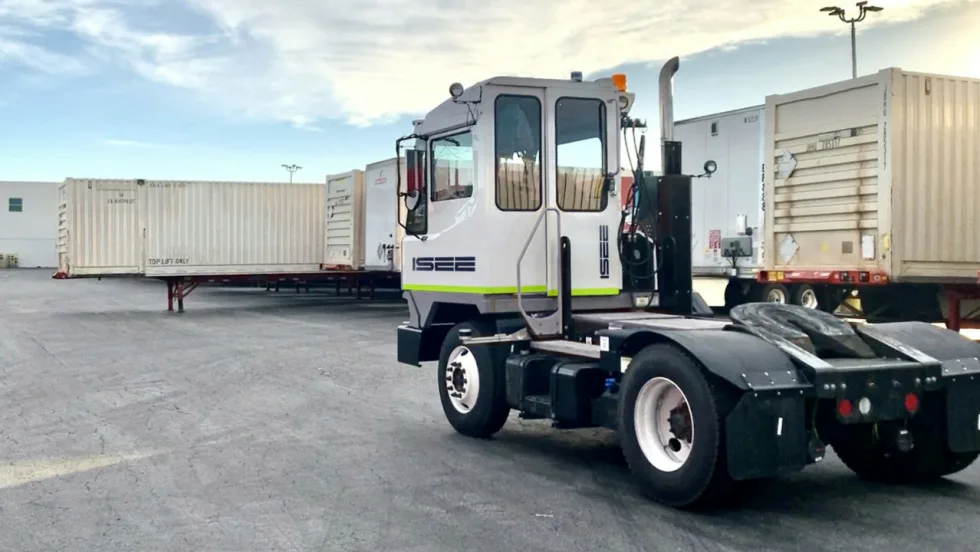
Holman and ISEE Partner to Expand Autonomous Yard Truck Operations
The partnership combines Holman's fleet management and upfitting capabilities with ISEE's autonomous driving technology to help businesses deploy and manage driverless yard trucks.
Read More →
Who You Gonna Call? Rivian Turns Electric Vehicles Into Ghostbusters Rides
Rivian teams up with Sony Pictures for a Ghostbusters-inspired Halloween software update, complete with custom sounds, lighting effects, and a special Ecto-R1.
Read More →
The Second Trip and What Missing Tools Really Cost a Service Business
For service fleets, missing tools and equipment can lead to second trips, lost technician time, higher operating costs, and delayed jobs. Equipment tracking can help HVAC, plumbing, electrical, landscaping, and other service businesses improve visibility and reduce downtime.
Read More →
GeoFencing Adds to Your Truck Security Arsenal
Geofencing is a familiar fleet tool today, but its early adoption marked a major shift in vehicle tracking, route monitoring, and the debate over employee privacy.
Read More →
Geotab Data Shows Regional Trucking Growing Faster as Last Mile Routes Get Denser
Geotab's first U.S. supply chain report finds stable long-haul activity, stronger regional freight movement, tighter hub-and-spoke utilization, and more last-mile trips on shorter routes.
Read More →