




Harnessing Telematics: A Deep Dive into Work Truck Fleet Management
Distracted and Defensive Driving: Strategies for Fleet Owners
Most crashes are caused by private passenger driver behavior. It's important to prepare your drivers for safety on the road in and in the vehicle.
by Cliff Johnson, Acuity Insurance
December 13, 2023
Technology continues to introduce new distractions to deal with. Defensive driving can be an important piece of a strategy to help combat distracted driving.
Photo: Work Truck
4 min to read
According to an American Trucking Associations report, most crashes are caused by private passenger driver behavior.
The task of driving requires keen multitasking skills — operating the fuel and brake pedals, observing your changing surroundings, responding to road signs, weather conditions, and more.
Factoring in common distractions like cellphones and GPS directions further increases the likelihood of error.
It’s more important than ever for commercial drivers to minimize their distractions and to receive training on defensive driving techniques and always leave themselves an “out” to protect themselves from other distracted drivers they will encounter.
With more than 35 years’ experience in transportation, both as a company driver and as owner and manager of my own regional trucking company, I’ve implemented successful programs to curb distracted driving; helping reduce the impact of these behaviors by teaching defensive driving.
Now at Acuity Insurance, I regularly provide our trucking and fleet customers with the support they need to achieve their goals, improve their safely, and optimize profits.
There is no shortage of distractions to contend with when driving. From classics like changing the radio, and looking at the scenery, to new, like GPS, sensors, and phones.
Technology continues to introduce new distractions to deal with. Defensive driving can be an important piece of a strategy to help combat distracted driving.
With most crashes being caused by the private passenger vehicle, not the truck, it’s important to know what you can control as the truck driver to reduce the chances of being in that situation. A distracted driving course can teach those foundational skills.
While a companywide focus on safe driving is paramount, there are other things that fleet owners can do to minimize distracted driving accidents and their impact.
Develop Comprehensive Policies to Help Build a Safer Fleet
Establishing and enforcing clear distracted driving policies is the foundation of a safer fleet. The policy should indicate that activities such as texting and using hand-held cellphones or similar devices are prohibited while driving, and failure to comply with the rule will result in disciplinary action.
Communicate these policies regularly and ensure drivers understand the consequences of noncompliance.
Enforce Policies Throughout the Year
Policies are meaningless without proper enforcement. Involve drivers by asking them to become ambassadors representing your fleet while on the road.
Demonstrate that company policies will be enforced. The old saying, “trust but verify” comes to mind. It’s important to trust your people but you should put the steps in place to check that they’re following your rules.
Invest in Efficient Training Programs
Provide regular training sessions that focus specifically on the dangers of distracted driving and ways to avoid it.
Interactive workshops and simulator exercises can help drivers understand the real impact of distractions on their ability to operate vehicles safely.
Additional periodic reminders can include sending information via paycheck stuffers and leaving information in vehicles. Acuity offers its customers free access to JJ Keller training materials, posters and in-cab adhesive decals reminding drivers of safe practices and company policies. Check with your insurance provider if they provide any resources.
Lean On New Fleet Technologies to Help Improve Safety
Install hands-free communication systems, GPS devices and other technologies that reduce the need for manual interaction with devices. Implementing telematics systems that monitor and report instances of distracted driving enable prompt intervention and corrective action.
Additionally, your fleet’s onboard communication systems should be locked while a vehicle is in motion. Most systems have the option to shut down devices when the vehicle is being used.
Encourage Rest And Breaks to all Drivers
Fatigue is a major contributor to distracted driving.
Promote a culture that prioritizes adequate rest and regular breaks for drivers. You can do this by setting realistic schedules, supplying adequate time for rest, educating on the dangers of fatigue, incentivizing compliance, and more.
Implement Incentive Programs
Recognize and reward drivers who consistently show safe driving habits. Incentive programs can motivate drivers to prioritize safety and discourage behaviors that contribute to distracted driving incidents.
Conduct Regular Vehicle Maintenance
Malfunctions and unexpected breakdowns can add to distractions and dangerous driving conditions.
Adhere to DOT regulations in maintaining commercial motor vehicle equipment minimizing the risk of distractions caused by vehicle-related issues.
Safety is an integral part of maximizing the productivity and profitability of your fleet. By teaching your drivers defensive driving techniques and having the right infrastructure and policies in place, you may have the ability to significantly mitigate risks commonly associated with distracted driving, which can result in a healthier, more profitable fleet.
Subscribe to Our Newsletter
More Safety

New York City Expands Safety Technologies Across Municipal Fleet
Mayor Zohran Mamdani’s Executive Order 19 requires added safety features on municipal vehicles and also calls for all existing city fleet trucks to be retrofitted with pedestrian alerts by June 30, 2029.
Read More →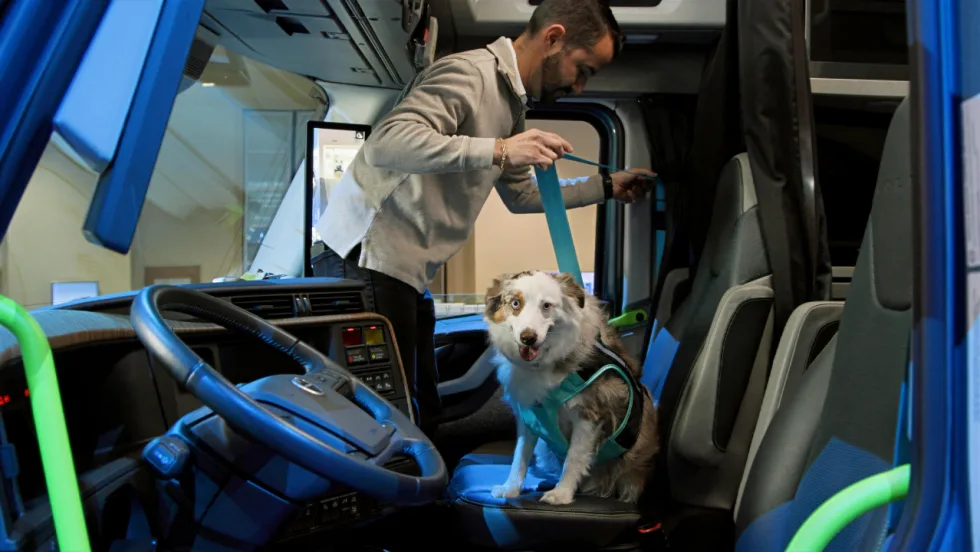
Volvo Trucks Releases New Safety Recommendations for Traveling with Pets
One of the most important recommendations for professional drivers traveling with pets is to ensure pets are properly restrained while the truck is moving. Other tips are available in the new guide from Volvo Trucks North America and Center for Pet Safety.
Read More →
API Issues Refueling Safety Guidelines
The American Petroleum Institute offers a list of safe vehicle refueling guidelines, including ways to avoid potential problems with static electricity discharges in fall, winter, and early spring.
Read More →
Winter Fleet Prep: Expert Tips to Keep Vehicles Running Smoothly
Cold weather can expose weak batteries, tires, fuel systems, and maintenance gaps fast. Use this winter fleet checklist to prepare trucks and drivers before temperatures drop.
Read More →
When a Work Truck Breaks Down, the Job Can Stop, Too
A work truck breakdown can stop more than the vehicle. Discover how payloads, jobsites, and specialty equipment change the roadside response.
Read More →
What Stronger Long-Term Fleet Service Partnerships Actually Require
Fleet service partnerships rarely fall apart all at once. Learn the three warning signs that trust is eroding and what fleets and providers can do before downtime, frustration, and lost revenue follow.
Read More →
Applause & TRUCE Software Partner to Improve Driver Safety Through AI-Powered Telematics & Employee Performance Management
Applause has integrated TRUCE driving metrics directly into its employee-first performance and safety platform that transforms mobile devices into AI-powered telematics.
Read More →
How Detroit Assurance with Active Brake Assist Works
Do you want to see what it is like to experience Detroit Assurance’s Active Brake Assist? In this video, Work Truck will put you in the cab to see how it all works and then hear more details from DTNA’s Mike Young.
Read More →
Get Left of Loss: A 5-Step Workplace Violence Prevention Framework for Fleet Operators
Violence risks do not stop at the driver’s door. Learn five practical steps fleets can take to spot threats early and protect workers before loss occurs.
Read More →
Sponsored•July 17, 2026
How Better Visibility Cut Speeding Violations by 48%
Fleet leaders don't need more data, they need clearer visibility into what the data is saying. This case study explores how one utility replaced speeding-event counts with a single metric — miles driven in violation — to strengthen safety and significantly reduce speeding violations.
Read More →