





Dig Deeper: 9 Innovative Uses for Telematics
Debunking Common Geofencing Misconceptions for Fleet Managers
As technology matures, misconceptions can creep in. Let's debunk these myths and enhance your geofencing knowledge.
September 26, 2023
Embracing geofencing with accurate information can lead to more informed decision-making and benefit the entire fleet operation.
Photo: Work Truck
2 min to read
Geofencing, often misunderstood as a simple tracking tool, is a prime example of an underutilized resource in the toolkit of fleet managers.
Unravel the geofencing misconceptions and learn how it can revolutionize your fleet operations.
Misconception 1: Geofencing is Only About Location Tracking
Geofencing is often misconstrued as a mere tracking tool. While it does monitor vehicle locations, it offers much more.
Geofencing enables fleet managers to set virtual boundaries, or "geofences," around specific areas. These boundaries trigger automated actions when a vehicle enters or exits them, providing various functionalities beyond location tracking.
Misconception 2: Geofencing is Complicated to Implement
Some fleet managers may be hesitant to adopt geofencing due to perceived complexity. However, modern geofencing solutions are user-friendly and easily integrated into fleet management systems.
Modern geofencing technology often comes with intuitive interfaces that allow managers to create geofences, define rules, and set up alerts with minimal effort.
Misconception 3: Geofencing is Only for Large Fleets
Another common misconception is that geofencing is suitable only for large fleets. Geofencing can benefit fleets of all sizes.
Small and medium-sized fleets can leverage geofencing to optimize routes, monitor driver behavior, and enhance security. It's a scalable solution that can be tailored to the specific needs of any fleet.
Misconception 4: Geofencing is an Invasion of Privacy
Privacy concerns often deter fleet managers from embracing geofencing. However, it's crucial to understand that geofencing can be implemented responsibly.
Fleet managers can use geofencing data solely for operational purposes, ensuring that the focus remains on improving efficiency and safety rather than invading drivers' privacy.
Misconception 5: Geofencing Is Expensive
While an initial investment is involved in implementing geofencing, it's essential to consider the long-term benefits. Geofencing can save significant costs by reducing fuel consumption, minimizing unauthorized vehicle use, and enhancing overall fleet productivity.
The return on investment often outweighs the initial costs.
Misconception 6: Geofencing Is a One-Size-Fits-All Solution
Geofencing can be customized to meet the unique needs of each fleet. It's not a rigid, one-size-fits-all solution.
Fleet managers can define geofences for specific areas, such as customer locations, depots, or high-risk zones. This customization ensures that geofencing aligns with the fleet's goals and operational requirements.
Keep Trucking Smarter
Geofencing is a valuable tool for modern commercial fleet managers, but it's essential to separate fact from fiction. By debunking these common misconceptions, fleet managers can better understand the true potential of geofencing in improving efficiency, safety, and overall fleet performance.
Embracing geofencing with accurate information can lead to more informed decision-making and benefit the entire fleet operation.
Subscribe to Our Newsletter
More Technology & AI
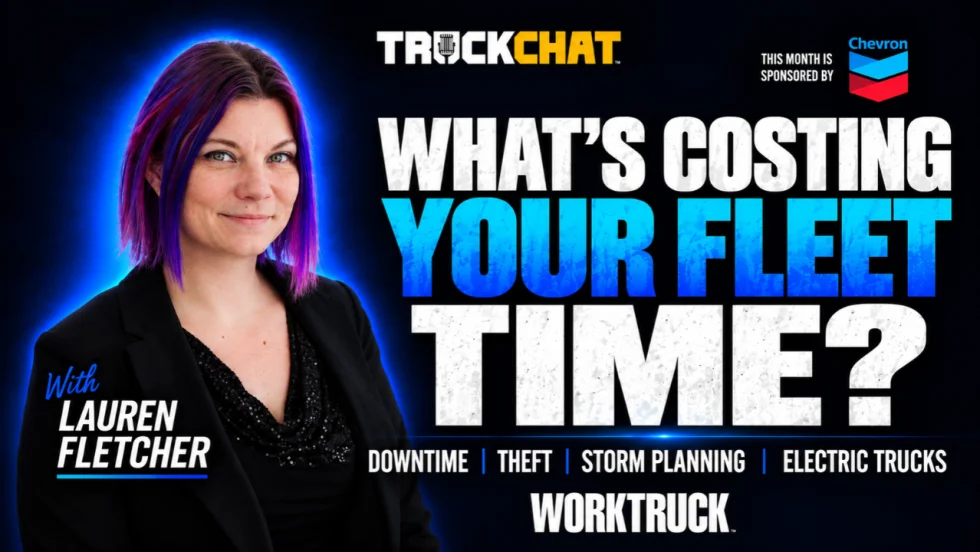
Fleet Downtime, Truck Theft, and Electric Growth Lead This Month
Where is your fleet losing time? This Truck Chat recap connects repair delays, theft risks, storm planning, and lessons from scaling electric trucks.
Read More →
HCSS Partners with Verizon Connect to Deliver Fleet Intelligence for Construction Fleets
HCSS has integrated with Verizon Connect to provide near real-time fleet insights so contractors can spend less time tracking assets and more time keeping projects on schedule.
Read More →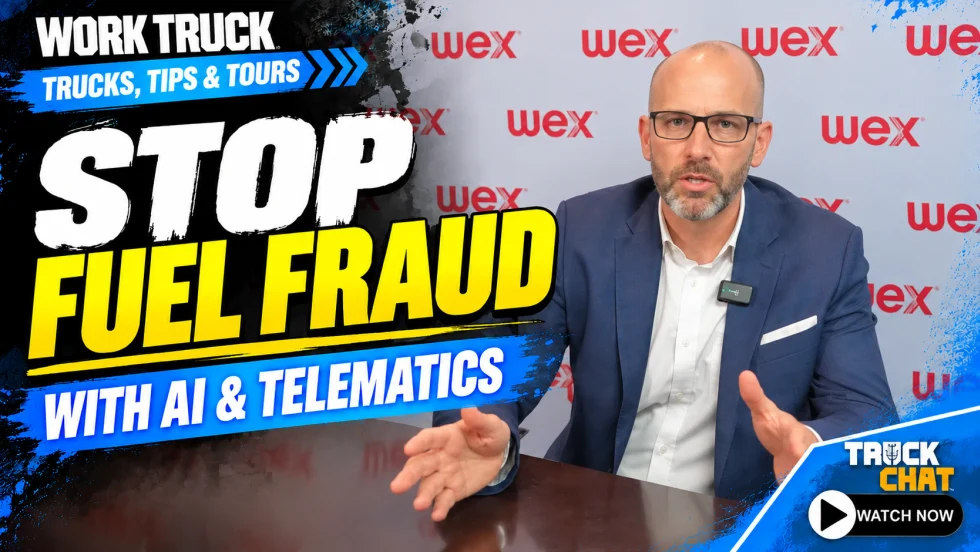
How Fleets Can Use Technology to Fight Fuel Fraud
Fuel fraud and theft remain significant challenges for commercial fleets, whether the problem involves third-party fraud or driver misuse. In this video, David Abraham of WEX explains how SecureFuel uses vehicle geolocation, telematics, transaction information, and AI to help fleet managers identify suspicious fuel purchases and make more informed decisions.
Read More →From Our Partners
Basic Tracking vs Next Generation Fleet Technology
Sponsored by AT&T Business

5 Facts Every Fleet Manager Should Know About Embedded Telematics
Sponsored by Stellantis/Mobilisights

How AI Video Telematics Boosts Driver Safety and Helps to Avoid Unnecessary Costs
Sponsored by Verizon Connect

Charting the 8 Bottom-Line Benefits of Workforce Optimization
Sponsored by Verizon Connect

Can AI Agents Help Small Work Truck Fleets Do More With Less?
Motive's new AI Agents automate fleet safety, maintenance, compliance, and dispatch tasks. Here's how they work for smaller fleets, what managers control, and what early users are seeing.
Read More →
Paccar Launches Paccar Connect for Peterbilt and Kenworth Trucks
The new Paccar Connect offers touchscreen displays, telematics capabilities, and an expanding app ecosystem to boost productivity and streamline driver workflows.
Read More →
Holman and ISEE Partner to Expand Autonomous Yard Truck Operations
The partnership combines Holman's fleet management and upfitting capabilities with ISEE's autonomous driving technology to help businesses deploy and manage driverless yard trucks.
Read More →
Who You Gonna Call? Rivian Turns Electric Vehicles Into Ghostbusters Rides
Rivian teams up with Sony Pictures for a Ghostbusters-inspired Halloween software update, complete with custom sounds, lighting effects, and a special Ecto-R1.
Read More →
The Second Trip and What Missing Tools Really Cost a Service Business
For service fleets, missing tools and equipment can lead to second trips, lost technician time, higher operating costs, and delayed jobs. Equipment tracking can help HVAC, plumbing, electrical, landscaping, and other service businesses improve visibility and reduce downtime.
Read More →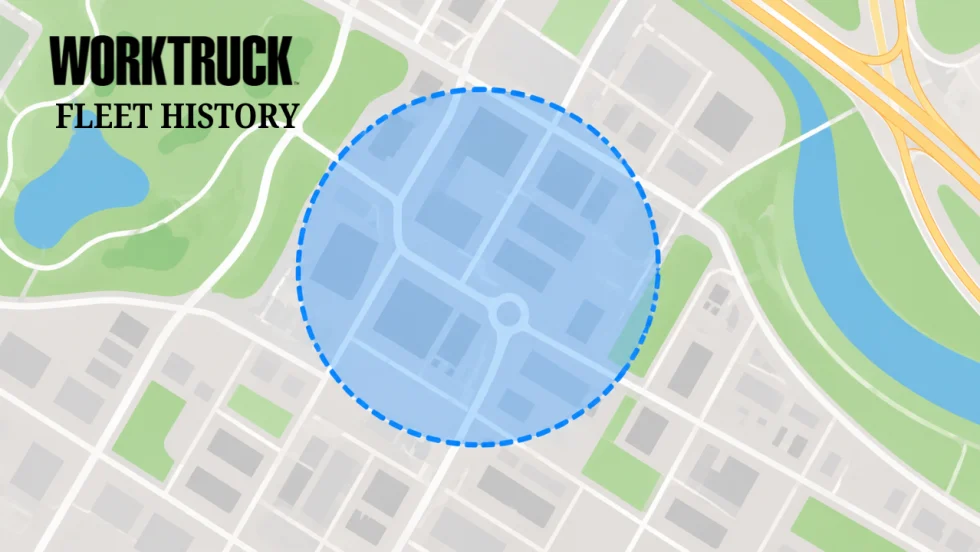
GeoFencing Adds to Your Truck Security Arsenal
Geofencing is a familiar fleet tool today, but its early adoption marked a major shift in vehicle tracking, route monitoring, and the debate over employee privacy.
Read More →
Geotab Data Shows Regional Trucking Growing Faster as Last Mile Routes Get Denser
Geotab's first U.S. supply chain report finds stable long-haul activity, stronger regional freight movement, tighter hub-and-spoke utilization, and more last-mile trips on shorter routes.
Read More →