




FMCSA Makes Exemption Permanent for Windshield-Mounted Cameras
FMCSA’s rule change amends the Federal Motor Carrier Safety Regulations to allow certain vehicle safety technology devices, such as cameras, to be mounted slightly lower.

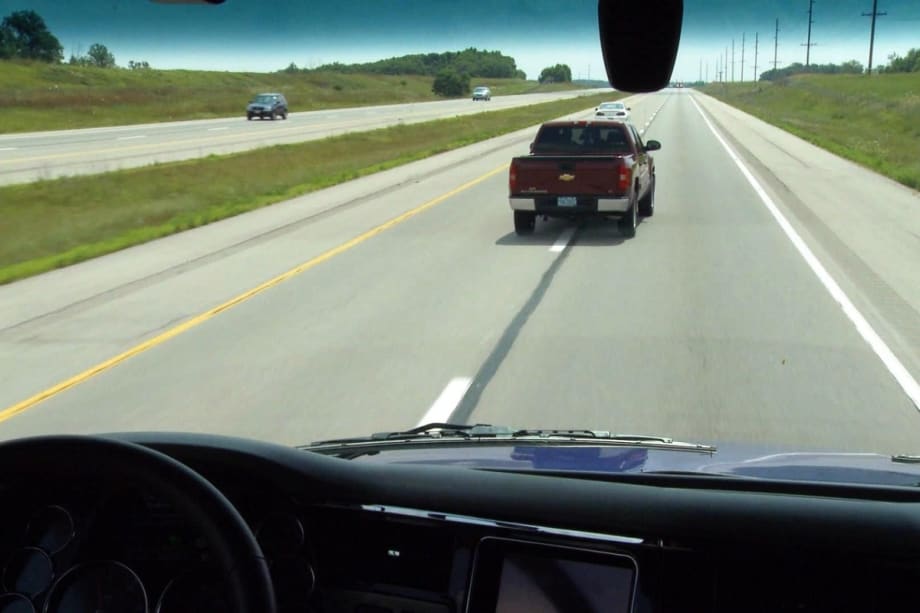
The amended rule also revises the definition of “vehicle safety technology” to add technologies that had been granted temporary exemptions previously.
Photo: FMSCA
Windshield-mounted video cameras will remain compliant with Federal Motor Carrier Safety Administration (FMCSA) rules for mounting placement, courtesy of an exemption the agency recently made permanent.
FMCSA’s rule change, published in March and effective May 6, 2022, amends the Federal Motor Carrier Safety Regulations to allow certain vehicle safety technology devices to be mounted slightly lower on the interior of commercial motor vehicle windshields than was previously permitted. The previous rule had required devices to be mounted not more than 4 inches below the upper edge of the area swept by the windshield wipers. FMCSA modified the rule to increase that distance to 8.5 inches, after granting temporary exemptions to numerous companies over the past several years. This final rule was a response to a rulemaking petition from Daimler Truck North America.
In addition, units must be mounted not more than 7 inches above the lower edge of the area swept by the wipers. Devices are still required to remain outside the driver’s sight lines to the road, highway signs, and signals. Devices such as antennas or transponders that are mounted at the top of a windshield must be located outside the area swept by the windshield wipers.
“This ruling marks another important step in the continuation of the commercial vehicle industry’s highway safety efforts,” said Fred Andersky, Bendix director of government and industry affairs. Previously, the video cameras for the Bendix Wingman Fusion collision mitigation technology, AutoVue Lane Departure Warning (LDW) System by Bendix CVS, and SafetyDirect by Bendix CVS were among the many brands that had been covered under a temporary exemption.
“The amendment will make it easier to implement advanced technologies that use multiple sensors — like Wingman Fusion — without fleets, drivers, and truck manufacturers having to worry about violating windshield clearance rules," Andersky said. "It updates the regulation in favor of technology — not only for driver assistance systems but also for more automated driving systems that take advantage of additional sensors.”
Safety Technology Definition Expanded
The amended rule also revises the definition of “vehicle safety technology” to add technologies that had been granted temporary exemptions previously.
The final rule made one change from the Notice of Proposed Rulemaking, removing ‘‘automatic emergency braking,’’ from the definition for vehicle safety technology. The Infrastructure Investment and Jobs Act, the agency explained, requires the National Highway Traffic SafetyAdministration to complete a rulemaking on AEB and FMCSA to complete a companion rulemaking. "AEB technology ultimately might or might not require placement within the swept area of the windshield wipers," so the agency decided it "would be premature to address AEB in this final rule. Additionally, the NPRM did not propose, and this final rule does not require, installation of these technologies."
Under the previous definitions, vehicle safety technology included a fleet-related incident management system, performance or behavior management system, speed management system, lane departure warning system, forward collision warning or mitigation system, active cruise control system, and transponders. Under the final rule, this definition will also include braking warning systems, braking assist systems, driver camera systems, attention assist warning, GPS, and traffic sign recognition. Vehicle safety technology includes systems and devices that contain cameras, lidar, radar, sensors, and/or video.
In its decision, the FMCSA noted it “believes that the rule has the potential to improve the safety of CMV operations," while offering time savings to motor carriers, suppliers, and the agency in not having to file for exemptions.
More Safety & Compliance
Fleetworthy Expands Expedited Inspection to 5 States
Following its industry-first launch in Nevada, Fleetworthy’s automated inspection technology is now live in California, Michigan, Vermont, and Maine.
Read More →
Crossing State Lines in a Light-Duty Work Truck? Check These Rules First
Crossing state lines in a lighter work truck? J.J. Keller's Kathy Close explains when IRP registration, trip permits, and towing rules come into play.
Read More →
GeoFencing Adds to Your Truck Security Arsenal
Geofencing is a familiar fleet tool today, but its early adoption marked a major shift in vehicle tracking, route monitoring, and the debate over employee privacy.
Read More →From Our Partners



Recalls You Need to Know About in October 2026
In October 2026, what recalls might impact your fleet? Work Truck has the answers in this comprehensive overview of recent NHTSA recalls.
Read More →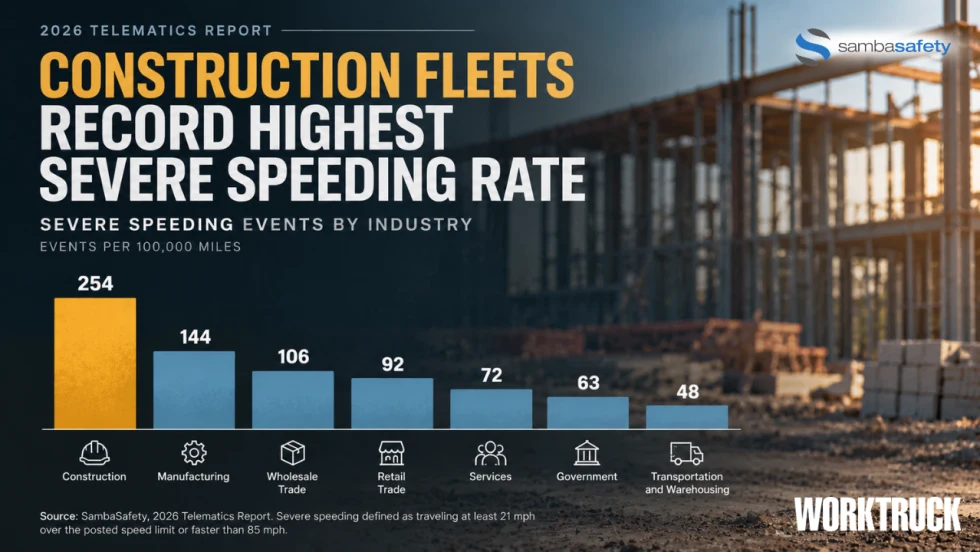
Construction Fleets Show Telematics Adoption Alone May Not Reduce Driving Risk
SambaSafety found construction fleets monitor roughly 92% of their vehicles but recorded the highest severe speeding rate among industries studied.
Read More →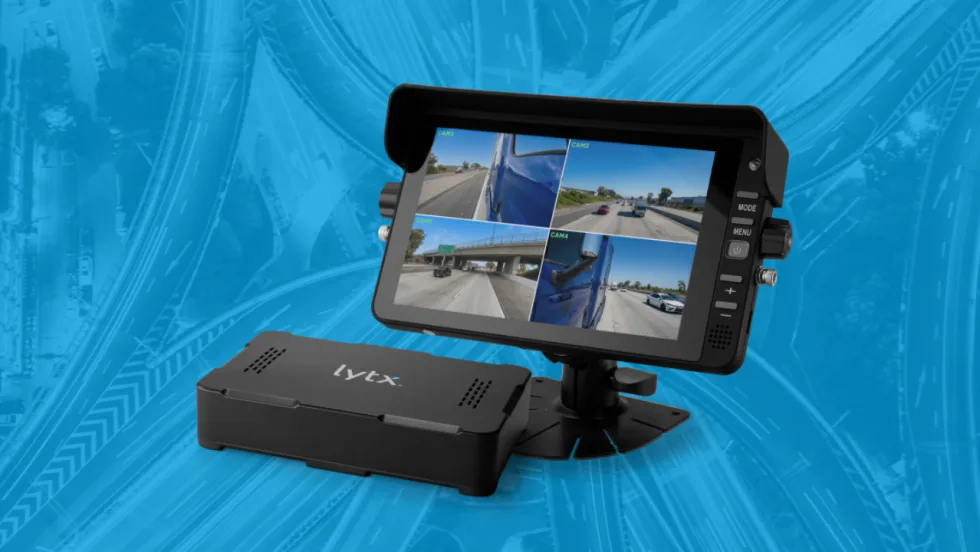
Lytx Launches 360 Hub Kit for Expanded Fleet Camera Visibility
Lytx’s new AI-ready gateway and HD auxiliary camera ecosystem, the Lytx 360 Hub Kit, extends visibility across side, rear, cargo, and blind-zone views to help fleets see more and respond faster.
Read More →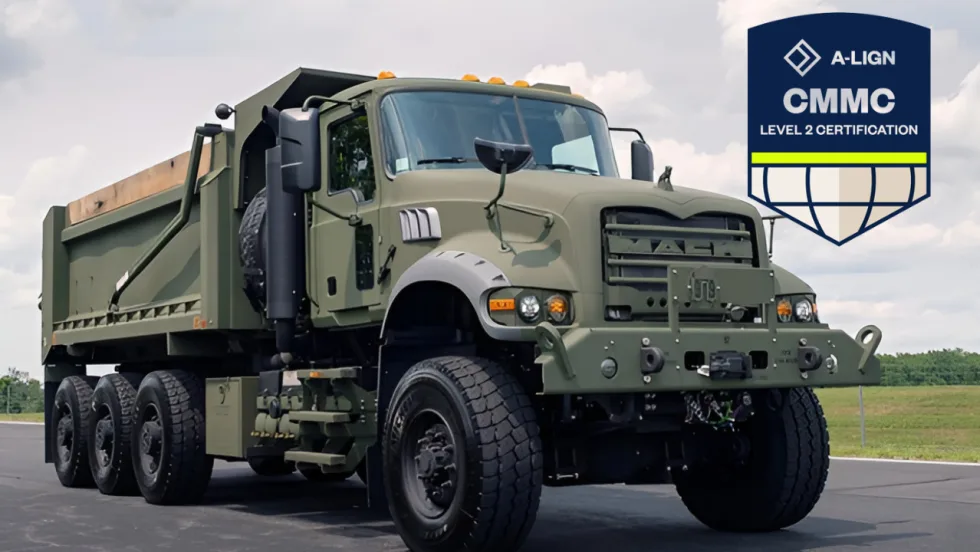
Mack Defense Achieves Cybersecurity Maturity Model Certification Level 2
After an assessment conducted by an authorized Certified Third-Party Assessment Organization (C3PAO), Mack Defense has achieved Cybersecurity Maturity Model Certification (CMMC) Level 2.
Read More →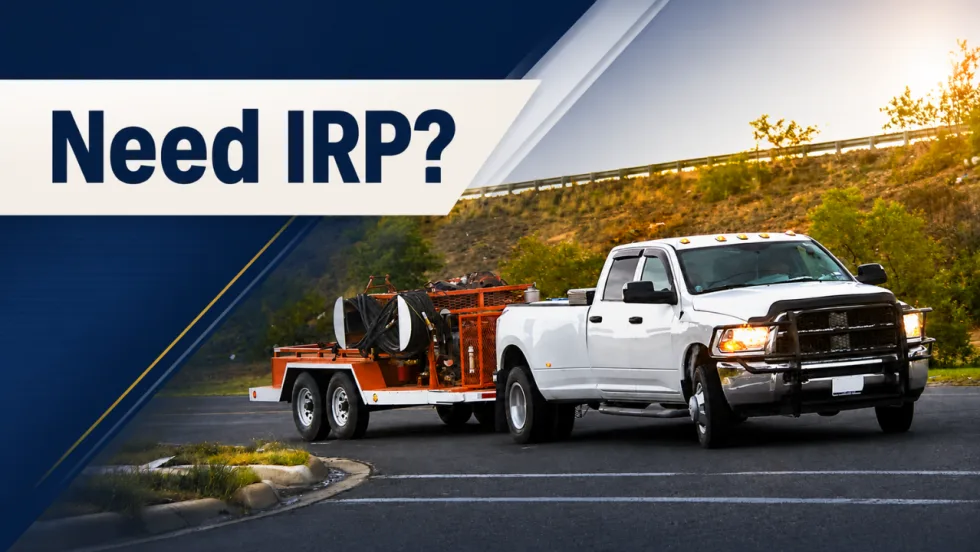
When Work Trucks Under 26,001 Pounds Need IRP Registration
Think trucks under 26,001 pounds are automatically in the clear when it comes to IRP? Not always. Learn where lighter vehicles can still run into trip permit, apportioned registration, and IFTA compliance requirements when crossing state or provincial lines.
Read More →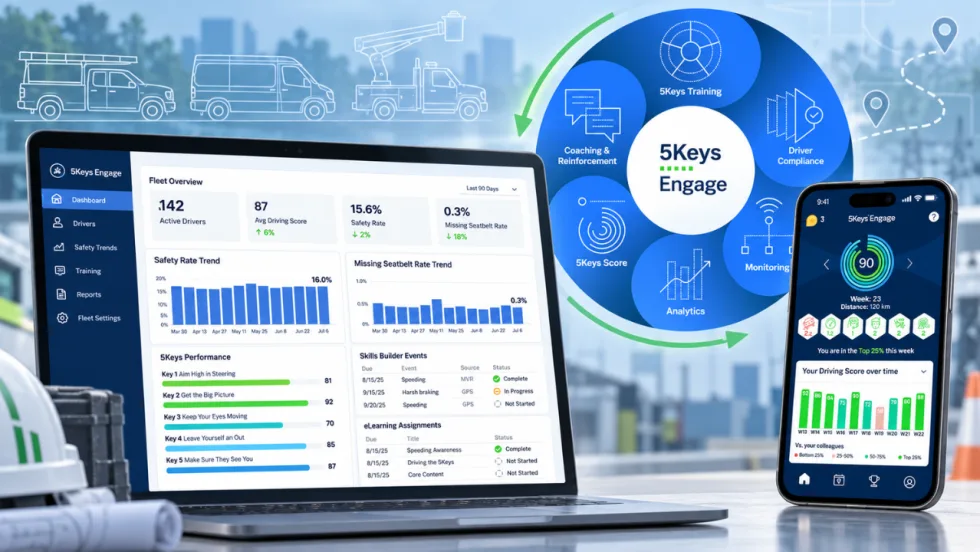
Smith System Wants Work Truck Fleets to Look Beyond the Driver Alert
Smith System’s new Driver Risk Management program is built to help mixed work truck fleets turn telematics alerts and observations into specific behaviors, coaching actions, and measurable follow-up.
Read More →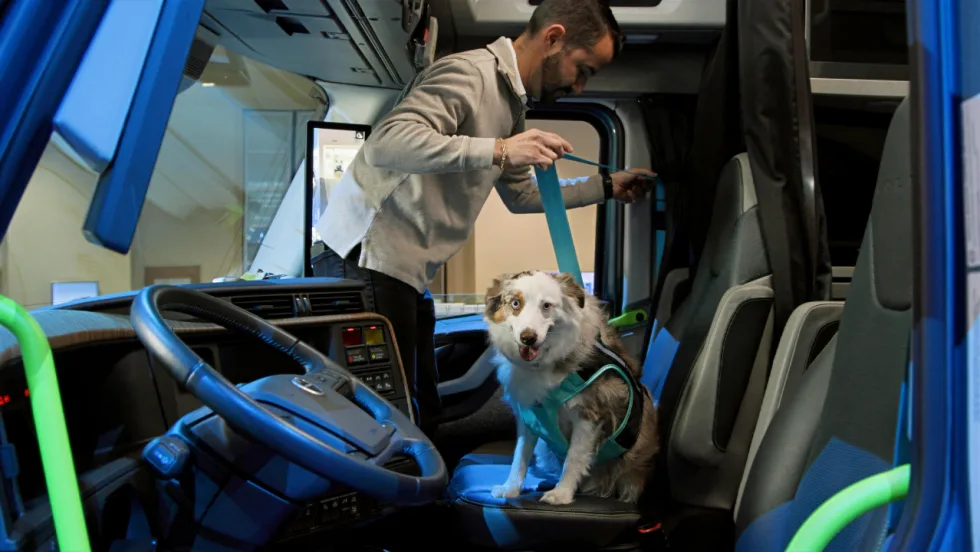
Volvo Trucks Releases New Safety Recommendations for Traveling with Pets
One of the most important recommendations for professional drivers traveling with pets is to ensure pets are properly restrained while the truck is moving. Other tips are available in the new guide from Volvo Trucks North America and Center for Pet Safety.
Read More →