




Learn More: Truck Purchasing Tips for Today's Fleet
Being Smart About Pandemic Truck Purchasing
Jim Hawthorne, director, national accounts and marketing for Bentley Truck Services, talked about developments he’s seen during COVID-19.

Lexi Tucker・Former Senior Editor

Jim Hawthorne, director, national accounts and marketing for Bentley Truck Services, talked about developments he’s seen during COVID-19.
Photo: Bentley Truck Services
2 min to read
Jim Hawthorne, director, national accounts and marketing for Bentley Truck Services, discussed some truck purchasing tips and trends he’s seen this past year with Work Truck Executive Editor Lauren Fletcher. Hawthorne has been with the company, which specializes in commercial truck sales, rental, leasing, and parts and service, for 12 years. His role includes handling larger fleets, from regional to national, as well as the overall branding and marketing of Bentley and its OEM partners.
Developing Unique Insight
Working with the national accounts gives Hawthorne a glimpse into a variety of different market segments and locations. This provides him with the ability to see different trends in spec’ing vehicles and gives him insight into what individual businesses need, and how they found what works for them.
Truck Purchasing Trends
With the dawn of the pandemic, the world saw a large influx in-home delivery and final-mile type businesses come into the work truck market, as well as an increase in medical product companies of all sorts increasing their fleet sizes.
“Before the pandemic started, we saw an increase in home delivery businesses pick up. However, due to the pandemic, we went from seeing only larger home delivery companies in that segment to now a small business like a local brewery delivering their own products to larger retail stores and everyone in the middle. Everyone found themselves trying to figure out how to keep selling their product to the consumers when they weren't out shopping for it,” he explained.
Hawthorne said he’s seen demand for everything from small vans to bigger trucks and even up to coast-to-coast tractors.
Avoiding Mistakes
Whether a fleet manager has one truck or 500, they’ve got their hands full with everything from compliance, safety, specs to driver retention and more. Hawthorne’s piece of advice for them is when it comes time to upgrade their fleet, they need to take the time to see what's changed in terms of what’s available on that vehicle to increase fleet safety because some of it may help reduce their workload, especially from a compliance and driver retention standpoint.
Subscribe to Our Newsletter
More Operations
Sponsored•October 14, 2026
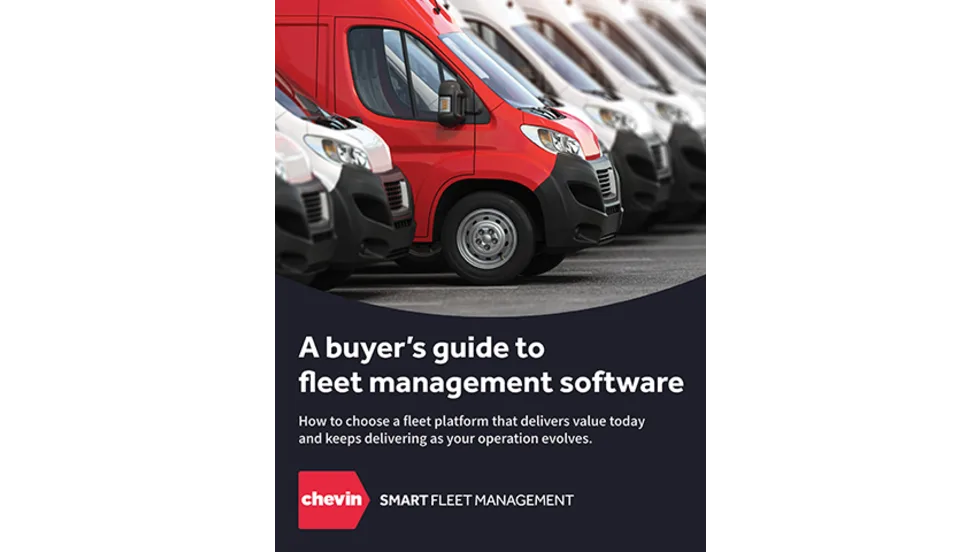
A buyer's guide to fleet management software in 2027
Buying fleet management software in 2027 means looking beyond features and price. As fleet operations, technology and expectations evolve, this guide explores what today’s fleet professionals should consider when choosing a system that can deliver value now and adapt to what comes next.
Read More →
How to Build a Lasting Fleet Career by Staying Curious and Connected
Tina Kourakos never planned on a career in fleet. More than 30 years later, she says curiosity, strong relationships, and a willingness to keep learning helped turn an unexpected assignment into a career spanning fleet management and OEM leadership.
Read More →
Think You Know Trucks? Take Our 19-Question Fleet Trivia Challenge
From chicken lights to diesel engines and trucking history, test your knowledge with 19 questions from the 2026 Work Truck Exchange and Heavy Duty Trucking Exchange.
Read More →From Our Partners
Basic Tracking vs Next Generation Fleet Technology
Sponsored by AT&T Business

5 Facts Every Fleet Manager Should Know About Embedded Telematics
Sponsored by Stellantis/Mobilisights
How AI Video Telematics Boosts Driver Safety and Helps to Avoid Unnecessary Costs
Sponsored by Verizon Connect

Charting the 8 Bottom-Line Benefits of Workforce Optimization
Sponsored by Verizon Connect

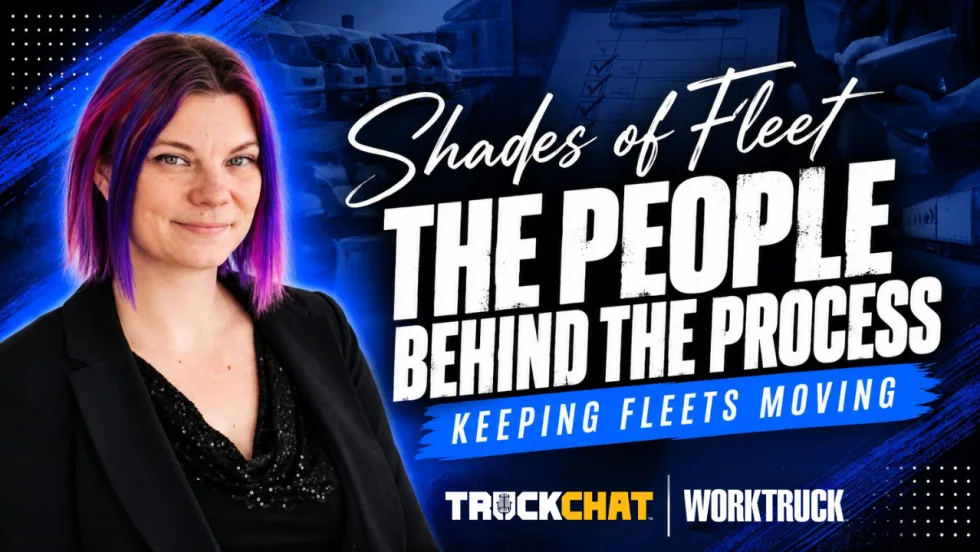
Where’s My Truck: Inside the Fleet Logistics Work Nobody Sees
Shades of Fleet video thumbnail featuring Lauren Fletcher beside the text “The People Behind the Process, Keeping Fleets Moving,” with fleet vehicles and logistics imagery in the background.
Read More →
Work Truck Seeks Fleet and Industry Insights on 2026 Trends and 2027 Forecasts
Work Truck is seeking insights from fleet leaders and industry partners on the trends that shaped 2026 and what commercial fleets should prepare for in 2027. Participate today!
Read More →
It's 10 p.m... Do You Know Who Has Access to Your Fleet?
Preventing cargo theft requires investment in technology, operational processes, and employee training. In an industry with tight margins, it can be difficult to justify investments whose value is measured by incidents that might never occur.
Read More →
GeoFencing Adds to Your Truck Security Arsenal
Geofencing is a familiar fleet tool today, but its early adoption marked a major shift in vehicle tracking, route monitoring, and the debate over employee privacy.
Read More →
Truckers’ Strike Rumors, New GM Engines, and Hidden Idling Costs Lead This Week’s News
Truckers’ strike rumors, GM’s new 2027 engines, hidden idling costs, racing lessons, IRP rules, and more headline this week’s Truck Chat Weekly Cheat Sheet.
Read More →
Shades of Fleet Wants to Hear From You About Building a Culture of Care
Fleet leaders, we want to hear from you. Share how empathy, trust, and creating space for people can strengthen your team, improve performance, and support retention.
Read More →
What Racing Can Teach Work Truck Fleets About the Work Nobody Sees
Race car driver and mechanical engineer Isaac Johnson shares practical lessons on preparation, relationships, setbacks, and building teams that perform when it counts.
Read More →