




Improving Driver Retention Practices During a Pandemic
The best practices, improvements, and lessons learned from the pandemic emphasize the focus fleet companies place on driver retention.


Fleet companies discuss how technology, culture, and feedback play a role into improving driver retention.
Photo: Gettyimages.com/DJELICS
The COVID-19 pandemic caused fleet companies to look in the mirror when it comes to driver retention.
Omnitracs, TrackFive, and Zonar discussed how they retained drivers in a time that provided several obstacles.
According to the American Trucking Associations (ATA), the annual average driver turnover rate for smaller truckload fleets was 69% in 2020, which is down from 72% in the previous year. In the National Private Truck Council’s annual benchmarking survey, respondents reported turnover falling to 15.8%, nearly three full percentage points down from 2019’s 18.5% turnover rate.
These best practices, improvements, and lessons learned from the pandemic emphasize the focus fleet companies place on driver retention.
What are the Best Practices?
Cyndi Brandt, VP of sales enablement & product marketing at Omnitracs, highlights the impact of technology on driver retention.
“Drivers have moved past the need for an ELD and adding that tech to the cab now has escalated the desire for more,” Brandt said. “Most companies today are also asking drivers to do more at each customer stop they make; however, we cannot expect drivers to remember and manage five to 10 specific tasks per stop/shipper and be accurate. Drivers want to do the job right the first time and use technology that guides them to remain detailed.”
Omnitracs offers secure solutions to maximize safety and efficiency for the transportation and logistics industry.
“As the world continues to change and more distractions are prevalent on the road, professional drivers want to know the companies they drive for will stand by them,” Brandt said. “80% of accidents are caused by passenger vehicles, yet professional drivers are often ‘blamed’ — warranted or not.”
Oliver Feakins, president at TrackFive, emphasizes culture for TrackFive’s driver retention.
“A focus on company culture is huge and often overlooked by most trucking companies who believe financial rewards are all the drivers care about,” Feakins said. “Creating a thriving internal culture and being able to tell that story in your online recruiting not only helps you hire drivers but keep them as well.”
TrackFive was founded in 2007, and provides platforms to connect employers with talent.
Meanwhile, Fred Fakkema, VP of compliance at Zonar, said vehicle maintenance is another practice to keep in mind.
“Drivers want to operate vehicles that are in top running condition and take pride in their day‐to‐day duties,” Fakkema said. “While not every fleet can afford to have the latest truck makes and models stocked at all times, they can have their drivers be a critical part of ensuring the vehicles they drive are reliable and safe to operate. When drivers buy in on vehicle maintenance, they get a further sense of pride for the fleet they work for.”
Zonar provides complete technology solutions for smart fleet management.
Improvements Over the Years
Technology has played a larger role in driver retention over the years, and Brandt recognizes how to adjust to this development.
“These devices can now do more than ever and have come a long way from the original Java-based phones and terminals that had very basic functionality,” Brandt said. “B2C interactions push B2B interactions. As all of us become more familiar with the capabilities of mobile devices, it pushes us to examine how we can use them in the business world. This has pushed workflow applications to the forefront as well as convenience apps.”
One way to improve driver retention is gathering feedback, according to Feakins.
“Those companies that are taking culture and retention seriously have implemented a series of feedback loops to help gain insight into their progress,” Feakins said. “On top of tracking retention rates, they are also using surveys, digital tools, driver recognition platforms, and other means to keep their drivers committed.”
Reward programs can be used to improve driver retention, too.
“In recent years, more fleets engage drivers through high performer reward programs,” Fakkema said. “While a traditional, reactive approach to managing driver performance puts underperforming drivers in the spotlight, implementing a fleet gamification program sets you up to recognize and reward top performers. Not everyone responds to the same motivation, but everyone wants to be rewarded for a job well done.”

Learning from the COVID-19 pandemic will be an ongoing process for fleet companies.
Photo: Randy Tarampi/Unsplash
COVID-19 Challenges
The COVID-19 pandemic presented challenges for driver retention. Brandt said the companies that worked together were able to overcome the obstacles.
“Driver retention was highest among the companies that planned, adapted, and communicated,” Brandt said. “These are companies that took the time to add time to stops to prepare for putting on PPE and following safety protocols, in addition to proactively sharing information regarding the protocols of individual customers. The driver shortage also shrank to some degree during the pandemic, but we’ll likely see it increase again in the future.”
Meanwhile, the TrackFive job board saw a 100% increase in trucking companies looking to hire on the platform, according to Feakins. Drivers engaged with posts 300% more but applied 30% less on the job board.
“COVID-19 has been a game- changer for the trucking industry,” Feakins said. “Companies were laid off in droves during the pandemic, and towards the end of the year pent-up demand surged and trucking companies were left critically short-staffed and in a mad dash. We believe with all the opportunities available to drivers right now they are taking their time and being selective in what they take. It’s the ultimate window shopping.”
Post-Pandemic Driver Retention
Brandt said Omnitracs will continue to build professional-grade tools for professional drivers that companies can use to recruit and retain talent.
“We’ll continue to listen to our customers and their drivers to understand the biggest challenges they face and deploy solutions to solve those challenges,” Brandt said. “At Omnitracs, we’re committed to reducing the friction in the events that happen for drivers in both over-the-road and last-mile scenarios.”
It will continue to be a learning process for companies as they adjust to driver retention after the COVID-19 pandemic.
“I think trucking companies have learned not to be caught with their pants down,” Feakins said. “In the future, I think they will learn to keep a continual influx of candidates in the pipeline. Playing catch up can be difficult and extremely costly.”
More Safety

Volvo Trucks Releases New Safety Recommendations for Traveling with Pets
One of the most important recommendations for professional drivers traveling with pets is to ensure pets are properly restrained while the truck is moving. Other tips are available in the new guide from Volvo Trucks North America and Center for Pet Safety.
Read More →
API Issues Refueling Safety Guidelines
The American Petroleum Institute offers a list of safe vehicle refueling guidelines, including ways to avoid potential problems with static electricity discharges in fall, winter, and early spring.
Read More →
Winter Fleet Prep: Expert Tips to Keep Vehicles Running Smoothly
Cold weather can expose weak batteries, tires, fuel systems, and maintenance gaps fast. Use this winter fleet checklist to prepare trucks and drivers before temperatures drop.
Read More →
When a Work Truck Breaks Down, the Job Can Stop, Too
A work truck breakdown can stop more than the vehicle. Discover how payloads, jobsites, and specialty equipment change the roadside response.
Read More →
What Stronger Long-Term Fleet Service Partnerships Actually Require
Fleet service partnerships rarely fall apart all at once. Learn the three warning signs that trust is eroding and what fleets and providers can do before downtime, frustration, and lost revenue follow.
Read More →
Applause & TRUCE Software Partner to Improve Driver Safety Through AI-Powered Telematics & Employee Performance Management
Applause has integrated TRUCE driving metrics directly into its employee-first performance and safety platform that transforms mobile devices into AI-powered telematics.
Read More →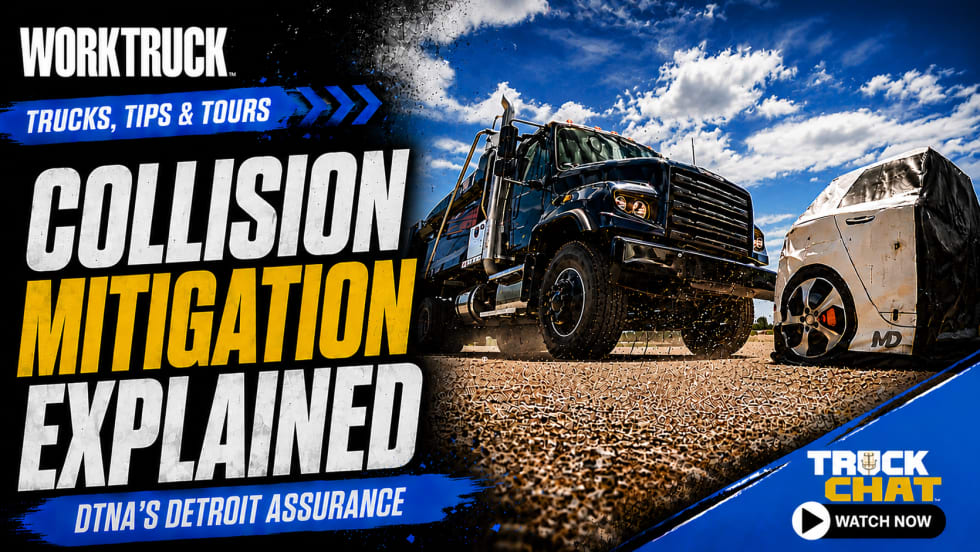
How Detroit Assurance with Active Brake Assist Works
Do you want to see what it is like to experience Detroit Assurance’s Active Brake Assist? In this video, Work Truck will put you in the cab to see how it all works and then hear more details from DTNA’s Mike Young.
Read More →
Get Left of Loss: A 5-Step Workplace Violence Prevention Framework for Fleet Operators
Violence risks do not stop at the driver’s door. Learn five practical steps fleets can take to spot threats early and protect workers before loss occurs.
Read More →
How Better Visibility Cut Speeding Violations by 48%
Fleet leaders don't need more data, they need clearer visibility into what the data is saying. This case study explores how one utility replaced speeding-event counts with a single metric — miles driven in violation — to strengthen safety and significantly reduce speeding violations.
Read More →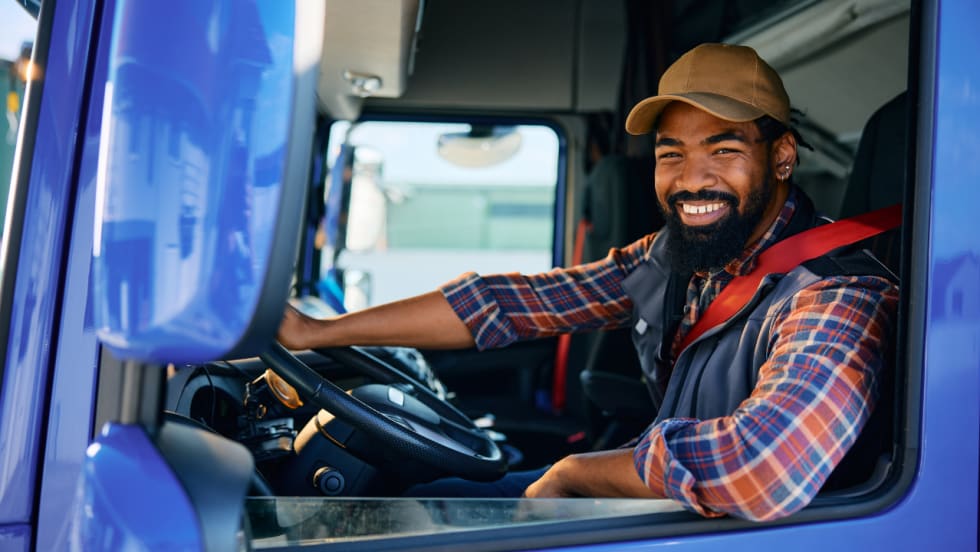
13 Safe Driving Tips for Commercial Vehicle Drivers
Make sure you are spending time on the road safely with these important tips.
Read More →