





Keep Lear: Everyone Thinks They’re a Fleet Manager
Fleet Is in the Confidence Business: Work Truck Readers Respond
Reliability matters. But one retired fleet manager says fleet’s real business is something much bigger. Do you agree?
July 10, 2026
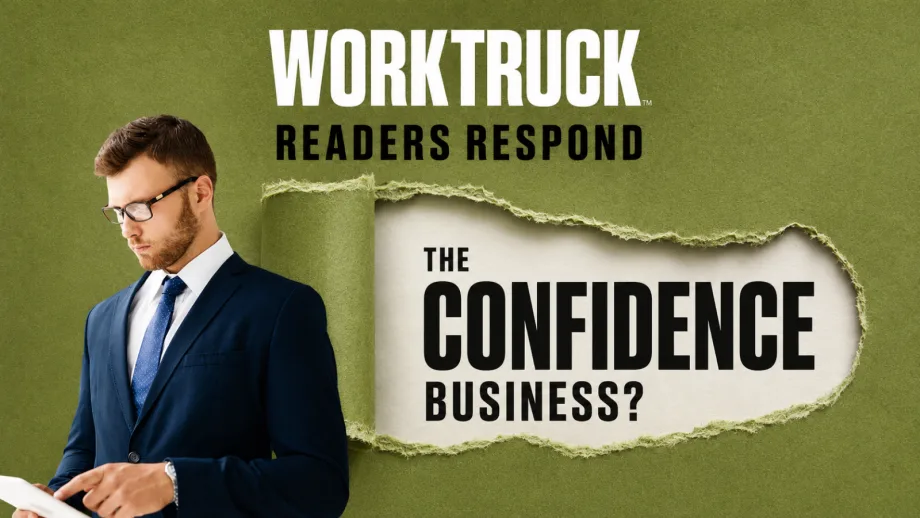
Bob Stanton, a retired fleet manager and Work Truck reader, says fleet operations are not just in the reliability business, they are in the confidence business.
Credit:
Work Truck
3 min to read
Every so often, a reader sends a note that makes you stop, reread, and think, “Well, that’s going to stick with me.” After a recent Work Truck video talking about fleet reliability, Bob Stanton, a retired fleet manager and Work Truck reader, reached out with a thoughtful response that shifted the conversation slightly... but meaningfully.
The point wasn’t that reliability does not matter. It absolutely does. But his note made the case that reliability is really part of something bigger. Fleet, Stanton said, is in the confidence business.
Reliability Is Only Part of the Why
Stanton shared that if you have read Simon Sinek’s Start with Why, this idea may sound familiar. In fleet management, he noted, the “why” is not just about the assets, the maintenance plan, the parts supply, or the administrative process.
“The ‘why’ for fleet management is not the what or about reliability,” Stanton wrote. “Our ‘why’ is that we’re in the confidence business, not the reliability business.”
His point was that every part of the fleet operation may define its work differently.
"If you asked the parts people, they would say they’re in the supply chain business; technicians would say they’re in the reliability chain; the admin folks may say they’re in the finance or administration business. When actually, all of us are pulling together in favor of the confidence business," he wrote.
What Confidence Looks Like in Fleet
That idea becomes especially clear when you think about how often the fleet is expected to simply work. "When someone pulls up to a fuel pump, they never expect the system won't work," Stanton added. "When a driver turns the key or pushes the start button, they expect the engine to start. When a client department raises a fleet-related issue with the team, they expect someone knowledgeable, capable, and prepared to help resolve it."
That confidence does not happen by accident. Instead, it is built through maintenance, communication, planning, parts availability, technician skill, data, budgeting, leadership, and all the unglamorous work that keeps vehicles, drivers, and operations moving.
As Stanton put it, “Reliability is only a part of our why. We’re in the confidence business. That’s our why.”
Why This Reader Note Stuck With Me
Reliability, then, is not the whole story. It is one piece of the trust fleet teams build every day with drivers, departments, customers, and the businesses they support. Stanton’s note hit on something I think many fleet professionals understand instinctively but may not always get credit for.
A reliable vehicle matters, clearly. A strong preventive maintenance program matters, obviously. So do uptime, cost control, parts management, driver communication, safety, compliance, and all the other pieces we often break into separate fleet conversations. But when you zoom out, those pieces are all serving a larger promise: Fleet gives people confidence that the job will get done.
That is a big responsibility, and it is also what makes this industry so important. Fleet teams are often noticed most when something goes wrong, but the real value is in all the moments when nothing goes wrong because someone planned ahead, fixed the issue early, ordered the right part, trained the right person, or built a process that held up under pressure.
So yes, reliability matters; I wasn't wrong there, but I wasn't totally right, either. As Stanton helped me understand, it may be more accurate to say reliability is one of the ways fleet earns confidence. And in work-truck operations, confidence may be one of the most valuable assets a fleet can deliver.
Subscribe to Our Newsletter
More Operations

How to Build a Lasting Fleet Career by Staying Curious and Connected
Tina Kourakos never planned on a career in fleet. More than 30 years later, she says curiosity, strong relationships, and a willingness to keep learning helped turn an unexpected assignment into a career spanning fleet management and OEM leadership.
Read More →
Think You Know Trucks? Take Our 19-Question Fleet Trivia Challenge
From chicken lights to diesel engines and trucking history, test your knowledge with 19 questions from the 2026 Work Truck Exchange and Heavy Duty Trucking Exchange.
Read More →
Where’s My Truck: Inside the Fleet Logistics Work Nobody Sees
Shades of Fleet video thumbnail featuring Lauren Fletcher beside the text “The People Behind the Process, Keeping Fleets Moving,” with fleet vehicles and logistics imagery in the background.
Read More →From Our Partners
Basic Tracking vs Next Generation Fleet Technology
Sponsored by AT&T Business
5 Facts Every Fleet Manager Should Know About Embedded Telematics
Sponsored by Stellantis/Mobilisights
How AI Video Telematics Boosts Driver Safety and Helps to Avoid Unnecessary Costs
Sponsored by Verizon Connect

Charting the 8 Bottom-Line Benefits of Workforce Optimization
Sponsored by Verizon Connect


Work Truck Seeks Fleet and Industry Insights on 2026 Trends and 2027 Forecasts
Work Truck is seeking insights from fleet leaders and industry partners on the trends that shaped 2026 and what commercial fleets should prepare for in 2027. Participate today!
Read More →
It's 10 p.m... Do You Know Who Has Access to Your Fleet?
Preventing cargo theft requires investment in technology, operational processes, and employee training. In an industry with tight margins, it can be difficult to justify investments whose value is measured by incidents that might never occur.
Read More →
GeoFencing Adds to Your Truck Security Arsenal
Geofencing is a familiar fleet tool today, but its early adoption marked a major shift in vehicle tracking, route monitoring, and the debate over employee privacy.
Read More →
Truckers’ Strike Rumors, New GM Engines, and Hidden Idling Costs Lead This Week’s News
Truckers’ strike rumors, GM’s new 2027 engines, hidden idling costs, racing lessons, IRP rules, and more headline this week’s Truck Chat Weekly Cheat Sheet.
Read More →
Shades of Fleet Wants to Hear From You About Building a Culture of Care
Fleet leaders, we want to hear from you. Share how empathy, trust, and creating space for people can strengthen your team, improve performance, and support retention.
Read More →
What Racing Can Teach Work Truck Fleets About the Work Nobody Sees
Race car driver and mechanical engineer Isaac Johnson shares practical lessons on preparation, relationships, setbacks, and building teams that perform when it counts.
Read More →
New Fleet Guides, Hidden Truck Wear, and Driver Fit Lead This Month
Our latest Truck Chat recap covers new Fleet Guides, hidden idling costs, driver fit, lighter-truck registration rules, and year-round technician appreciation.
Read More →