





Learn More: Chicago Area Clean Cities Recognizes Top Green Fleets
ComEd Green Fleet Recognized by Chicago Area Clean Cities
The electric utility has been named ‘Clean Fuels Champion’ for its use of alternative-fuel vehicles.
April 22, 2021
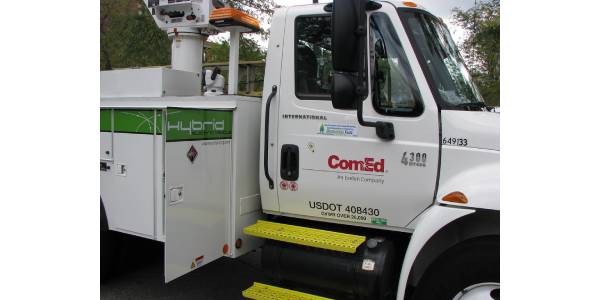
The electric utility has been named ‘Clean Fuels Champion’ for its use of alternative-fuel vehicles.
Photo: ComEd
3 min to read
ComEd was named a “Clean Fuels Champion” on April 21 by Chicago Area Clean Cities (CACC), a nonprofit coalition whose mission is to advance the energy, economic, and environmental security of the U.S. by supporting the reduction of petroleum consumption.
ComEd received the award during a video ceremony recognizing its use of low-emissions alternative fuels to power its fleet vehicles. ComEd’s current fleet of 3,000 vehicles includes 1,400 biodiesel-fueled line trucks and another 430 units that are capable of running on high-level ethanol-gasoline blends, or E85. More than 200 ComEd vehicles have hybrid-electric or plug-in hybrid-electric systems and another 10 are all-electric vehicles.
“ComEd has made it a priority to reduce carbon emissions that lead to climate change and harmful particulate emissions that lead to deadly respiratory health conditions across the Chicago area,” said ComEd CEO Joe Dominguez. “There is much work to be done, but the Clean Fuels Champion award is a terrific recognition of the progress we’re making to transition our fleet of utility trucks and customer-service vehicles to electric and hybrid-electric and low-emission fuels. Greening our own fleet is one way we can help create cleaner air in our communities. A crucial next step is preparing the grid to support increased electrification of our large customers’ vehicle fleets and the widespread adoption of personal EVs."
According to Dominguez, ComEd plans to electrify 30% of its fleet by 2025. This will eliminate 2,000 metric tons of greenhouse gas emissions in addition to the 4,000 metric tons the ComEd fleet already avoids annually. The company’s goal of electrifying 50% of its fleet by 2030 has the potential to eliminate an additional 29,000 metric tons of GHG emissions.
“We’re replacing end-of-life internal-combustion vehicles with plug-in hybrid and fully electric vehicles, reducing fuel and maintenance costs and creating savings that will be passed on to our customers,” Dominguez said.
In presenting the award, John W. Walton, chair of the Chicago Area Clean Cities Coalition, said: “ComEd is to be commended. With their biodiesel and ethanol vehicles, they have greatly reduced emissions, and they are striving to do even more to reduce emissions and clean the air we all breathe, as they electrify more of their fleet and support the electrification of the transportation sector.”
As part of its effort to promote clean transportation, ComEd recently introduced an EV Toolkit that provides information on savings, benefits, and incentives for the purchase of EVs, along with an overview of EV brands and models, rate options, EV chargers, and a public charging station locator by zip code.
The Chicago coalition’s Clean Fuels Champion award has been presented annually since 2001 to an individual, organization, or business that champions the promotion of alternative fuels and technologies to reduce vehicle emissions and reduce petroleum usage. Recent award recipients include Forest Preserves of Cook County, Pace Suburban Bus, American Lung Association, Chicago Metropolitan Agency for Planning, Testa Produce, and Ozinga Bros, Inc.
More Sustainability
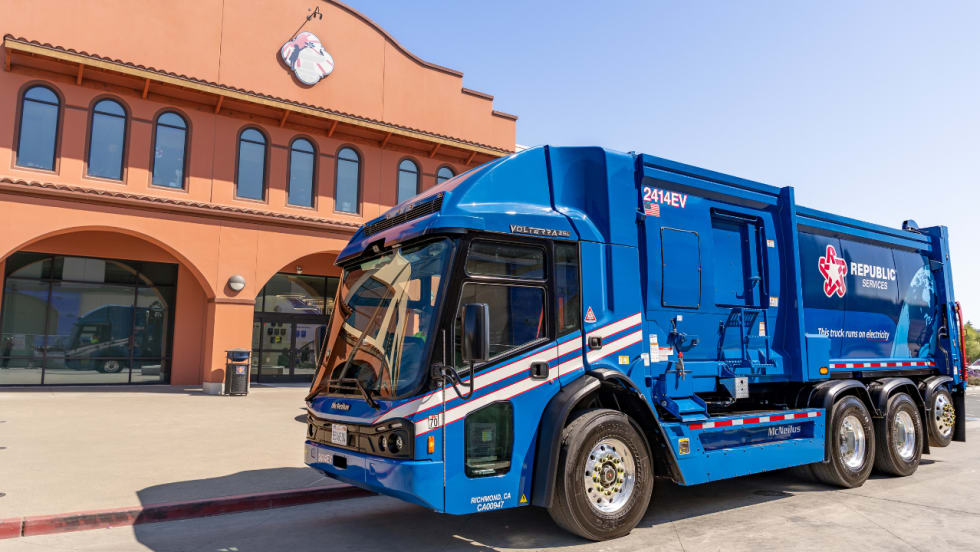
What Republic Services Learned Moving Electric Trucks Beyond the Pilot
With 250 electric refuse trucks now in service, Republic Services is learning that scaling a new powertrain depends as much on routes, drivers, technicians, and daily operations as it does on the truck itself.
Read More →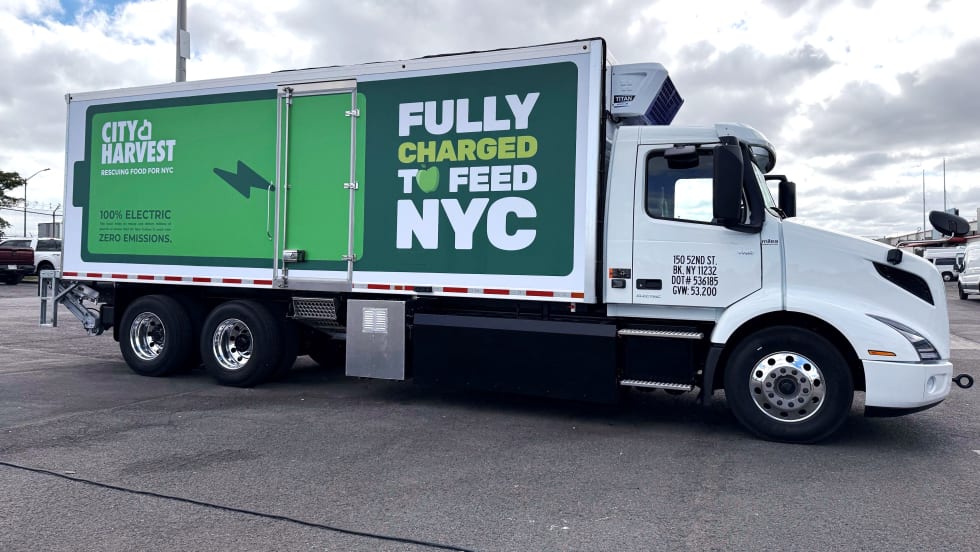
City Harvest Begins Using Volvo VNR Electric Trucks to Rescue Food Across New York City
Volvo Trucks North America and the Bronx Is Breathing project team handed over three new Volvo VNR Electric trucks to City Harvest, which will use the trucks to rescue and deliver food throughout the Bronx and across all five boroughs of New York.
Read More →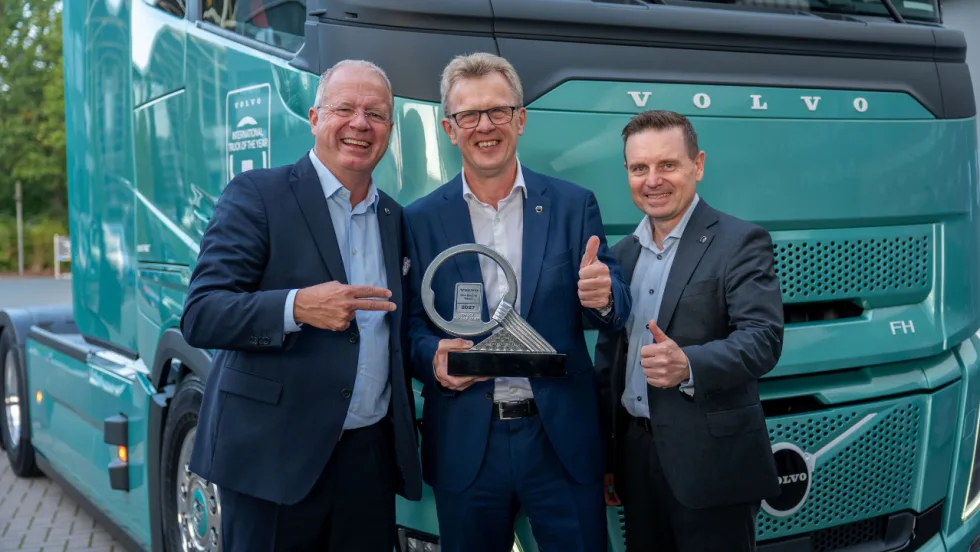
Volvo Trucks Wins International Truck of the Year 2027 for its Global Electric Range
Volvo Trucks' global heavy-duty electric range has been named International Truck of the Year 2027. Since 2019, more than 7,000 electric Volvo trucks have driven more than 310 million miles worldwide.
Read More →


Fleet Forward Conference Introduces One-Day Passes for 2026
New one-day registration gives fleet professionals the flexibility to attend Tuesday, Wednesday, or Thursday, with passes available for $199 through Sept. 18.
Read More →
CALSTART Rebrands as Catalyst Mobility, Will Combine with Forth in 2027
CALSTART has rebranded as Catalyst Mobility and will combine with Forth at the start of 2027. The new organization said it is poised to become one of the world's largest, strongest, and most impactful clean transportation nonprofits.
Read More →
Electric Truck and Charging Programs to Boost Sustainability at NY & NJ Ports
Together, the Port Authority of New York and New Jersey and CALSTART will electrify drayage and terminal operations serving the East Coast’s busiest container port. A pair of incentive programs totaling $45 million has launched to accelerate adoption of zero-emission drayage trucks and terminal tractors.
Read More →
The Smart Way to Build a Mixed-Energy Fleet Isn’t About Picking a Side
Mixed-energy fleets aren’t about picking a winning fuel. Sarah Booth of WEX explains how vehicle data, duty cycles, charging strategy, and real-world costs can help fleets choose the right energy source for each job.
Read More →
Xos Hub Surpasses One Gigawatt-Hour of Energy Delivered in the Field
A single Xos Hub has surpassed one gigawatt-hour of energy across more than 33,600 charging sessions in the field, demonstrating performance that supports Xos' expansion across new products and markets.
Read More →
Carrier Transicold Launches All-Electric Vector 8200 TRU for Diesel-Free On-Site Cold Storage
Carrier Transicold’s first engineless multi-temperature TRU helps fresh- and frozen-food fleets add supplemental cold storage capacity during seasonal peaks.
Read More →
Narro Trucks Introduces Electric Utility Vehicle
Narro Trucks officially launched its operations on Aug. 20 and hosted a ride and drive to showcase its electric truck, which will be produced in Virginia.
Read More →